

Training your dog to poop in the right place can feel like a real challenge. But imagine how much easier life would be if your furry friend knew exactly where to go.
You don’t have to deal with messes inside your home or worry about accidents anymore. You’ll discover simple, effective steps to teach your dog good bathroom habits quickly. Whether you have a puppy or an older dog, these tips will make the process smoother for both of you.
Keep reading to learn how to take control and enjoy a cleaner, happier home.
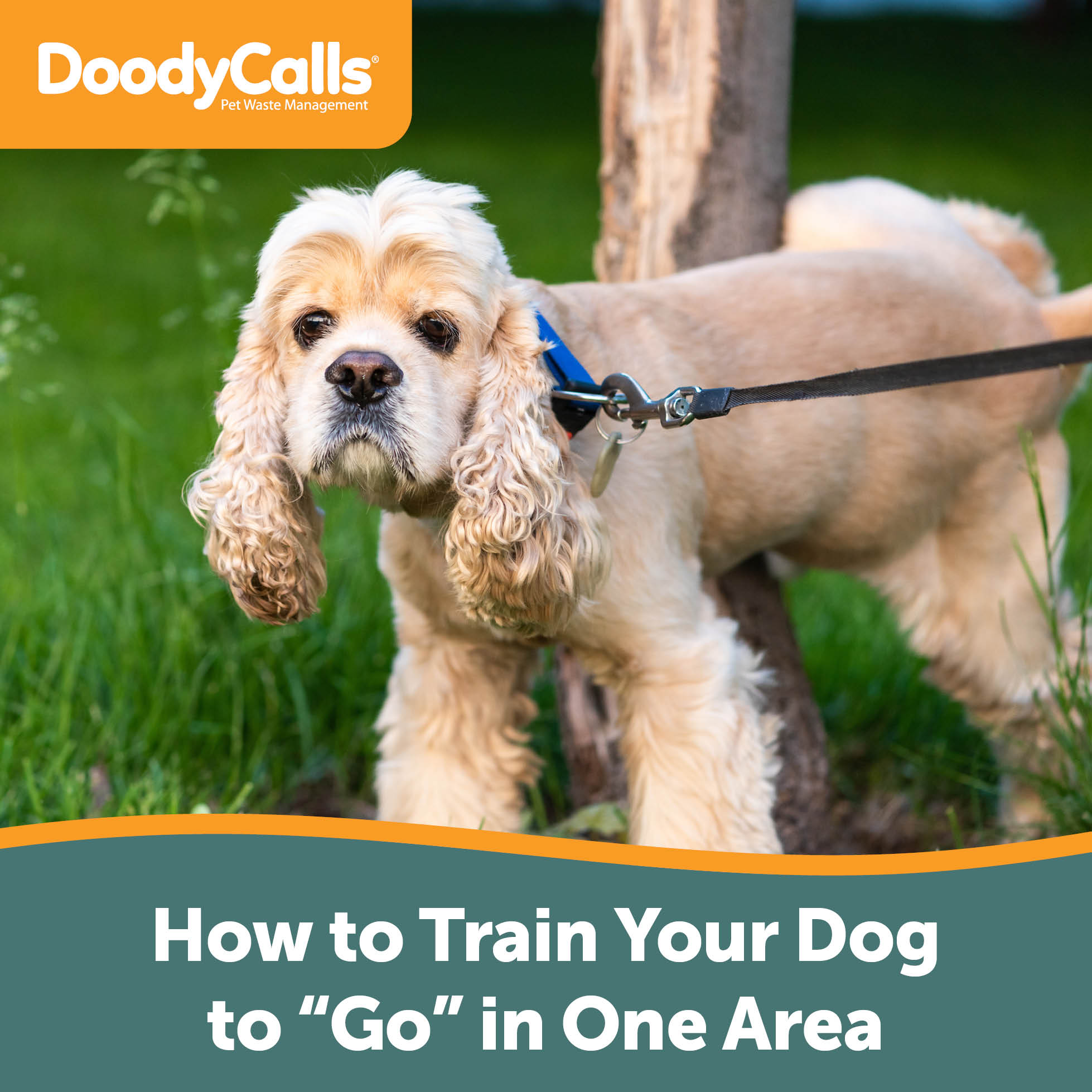
Credit: www.doodycalls.com
Choose A Designated Spot
Choosing a designated spot for your dog to poop is an important step. It helps your dog learn where it is okay to go. A clear, specific place makes training easier and faster.
Pick A Consistent Location
Choose one spot outside for your dog to use. Keep this spot the same every time. Dogs remember places by smell and routine. A consistent location helps your dog feel safe and confident. It also stops confusion about where to go.
Consider Accessibility And Safety
Make sure the spot is easy to reach. Avoid busy roads or dangerous areas. Your dog should feel calm and relaxed there. A safe place reduces stress and helps good habits form. Check the spot often to keep it clean and free of hazards.
Set A Regular Schedule
Setting a regular schedule helps your dog learn when and where to poop. Dogs like routine. It makes them feel safe and helps their body know what to expect. A regular schedule also reduces accidents in the house. By following a consistent plan, training becomes easier and faster.
Establish Feeding Times
Feed your dog at the same times every day. This creates a natural rhythm for their digestion. Most dogs poop within 15 to 30 minutes after eating. Regular feeding times help you predict when your dog needs to go. Avoid free-feeding or leaving food out all day.
Take Frequent Bathroom Breaks
Take your dog outside often, especially after meals and naps. Puppies need to go out more, about every 1 to 2 hours. Give your dog enough time to sniff and find the right spot. Praise your dog when they poop outside. This encourages good behavior and builds trust.
Recognize Bathroom Signals
Recognizing when your dog needs to poop is the first step in training. Dogs show signs before they go to the bathroom. Watching for these signals helps you act fast. Catching these moments teaches your dog where to go. It also prevents accidents inside the house.
Each dog has its own way of showing the need to poop. Learning these signs helps build trust. You can guide your dog better during potty training. Pay close attention to your dog’s behavior. Small clues tell you when it’s time to take them out.
Watch For Sniffing And Circling
Sniffing the ground is a common sign your dog needs to poop. Dogs use their noses to find the perfect spot. Circling is another key signal. Your dog may walk in circles before settling down. These actions mean your dog is ready to go. Notice these signs early to avoid messes inside.
Learn Your Dog’s Unique Cues
Each dog has special habits before bathroom time. Some may whine or pace near the door. Others might sit and look at you. Watch closely to find your dog’s unique signals. Write them down or make mental notes. Recognizing these cues helps you respond quickly. This makes potty training smoother and faster.
Use Positive Reinforcement
Using positive reinforcement helps your dog learn faster and enjoy training. It builds trust and makes good behavior more likely. Dogs respond well to rewards like treats and praise. This method encourages them to repeat the behavior you want.
Reward Immediately After Success
Timing is key to effective training. Give your dog a reward right after they poop in the right spot. This helps them link the action with the reward. Delay can confuse your dog and slow learning. Always watch carefully and be ready to reward fast.
Choose Effective Treats And Praise
Pick treats your dog loves and finds special. Small, soft treats work best for quick rewards. Use a happy voice to praise your dog warmly. Dogs understand tone better than words. Combining treats with praise makes training stronger and more fun.
Handle Accidents Calmly
Accidents happen during dog training. Staying calm helps your dog learn better. Reacting with anger can confuse your dog. Calm handling builds trust and encourages good habits.
Your dog needs clear signals. Calmness shows them what is right without fear. Patience and understanding make training easier for both of you.
Avoid Punishment
Never punish your dog for accidents. Punishment creates fear and anxiety. Dogs do not connect punishment with the accident after the fact. Punishment can harm your bond. Focus on gentle corrections and positive rewards instead.
Clean Thoroughly To Remove Odors
Clean accidents quickly and well. Use special cleaners that remove odors. Regular cleaners may not stop your dog from returning. Odors make your dog think this spot is okay. A clean area helps prevent repeat accidents. Clean floors, carpets, and furniture carefully.
Be Patient And Consistent
Training a dog to poop outside takes time and effort. Patience and consistency are the keys to success. Dogs learn best when their routine stays the same. Expect some mistakes at first. Stay calm and keep trying. Your dog will catch on with steady practice.
Maintain Routine Daily
Set specific times for bathroom breaks every day. Take your dog out in the morning, after meals, and before bedtime. Use the same spot for pooping. This helps your dog recognize where to go. Praise and reward your dog right after they poop outside. This builds good habits fast.
Track Progress And Adjust
Watch your dog’s behavior closely. Note when accidents happen and why. Adjust your schedule if needed. Maybe your dog needs more breaks or different times outside. Keep a simple journal to track success and problems. Small changes can make big improvements.
Troubleshoot Common Issues
Training a dog to poop outside can sometimes be tricky. You may face some common problems that stop your dog from learning easily. Understanding these issues helps you fix them fast.
Patience and careful observation are key. Watch your dog’s behavior closely. Notice what causes hesitation or accidents inside. This lets you solve problems and improve training results.
Address Reluctance To Poop Outside
Some dogs refuse to poop outside. They might feel scared or unsure about the spot. Try choosing a quiet, safe place for bathroom breaks. Take your dog there often and wait calmly.
Use gentle praise or treats when your dog poops outside. Avoid rushing or forcing your dog. Fear and stress can make the problem worse. Make outside trips short and positive.
Consult A Vet For Health Concerns
Sometimes health problems cause potty issues. Constipation, diarrhea, or bladder infections affect your dog’s bathroom habits. Watch for signs like straining or accidents inside.
Visit a vet to rule out medical issues. Treating health problems can fix training troubles. Keep your vet informed about your dog’s behavior and progress. This keeps training safe and effective.

Credit: www.youtube.com

Credit: www.youtube.com
Frequently Asked Questions
How Long Does It Take To Train A Dog To Poop Outside?
Training a dog to poop outside usually takes 1 to 3 weeks. Consistency and patience are key. Regular potty breaks and positive reinforcement speed up learning. Puppies may need more time, while older dogs might adapt faster with clear routines.
What Is The Best Schedule For Dog Potty Training?
Create a consistent schedule by taking your dog out every 2-3 hours. After meals, naps, and playtime are ideal potty times. A regular schedule helps your dog learn when and where to poop, reducing accidents inside the house.
How Can I Encourage My Dog To Poop Outside?
Use praise and treats immediately after your dog poops outside. Choose a designated potty spot to build habit. Avoid punishment for accidents. Positive reinforcement encourages your dog to associate outdoor pooping with rewards.
What Should I Do If My Dog Poops Indoors?
Clean the area thoroughly with an enzymatic cleaner to remove odors. Avoid scolding your dog, as it may cause fear. Increase outdoor potty breaks and watch for signs your dog needs to go. Consistency helps prevent indoor accidents.
Conclusion
Training your dog to poop in the right place takes time and patience. Stay calm and consistent with your approach. Praise your dog when it goes outside. Watch for signs your dog needs to go. Clean accidents quickly to avoid repeat mistakes.
Remember, every dog learns at its own pace. Keep practicing daily and never punish your dog. Soon, your dog will understand where to go. A happy dog and a clean home? Yes, it is possible. Keep up the good work!

