

Have you ever noticed your dog acting protective over their toys, food, or even you? This is called guarding behavior, and it can be both fascinating and confusing.
Understanding why your dog guards certain things helps you keep your home safe and your pet happy. If you want to learn how to recognize guarding signs and handle them the right way, keep reading. This knowledge could change the way you connect with your furry friend forever.
What Is Guarding Behavior
Guarding behavior is a natural action in many dogs. It means the dog protects something valuable. This could be food, toys, space, or even a person. Dogs show guarding to keep others away from their prized items.
Understanding guarding helps owners manage it well. It also keeps homes safe and peaceful. Recognizing signs early is important for proper training and care.
What Does Guarding Behavior Look Like?
Guarding behavior shows in different ways. Dogs may growl, bark, or snap. They might stand stiff or block access to the item. Some dogs stare with intense focus to warn others.
Why Do Dogs Guard?
Guarding comes from a dog’s instinct. It protects their resources from threats. Some dogs guard because they feel insecure or scared. Others guard to show dominance or control.
Common Items Dogs Guard
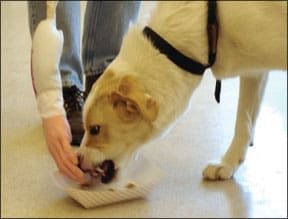
Food is the most guarded item for many dogs. Toys and bones are guarded too. Dogs also guard resting spots or their owners. Each dog has unique things they want to protect.
Credit: www.whole-dog-journal.com
Common Causes
Guarding behavior in dogs happens for several reasons. Understanding these causes helps us manage and prevent problems. Dogs protect things they value. These can be toys, food, or even spaces. Fear and past experiences also affect this behavior. Each dog is different, but common causes often overlap.
Resource Protection
Dogs guard things that are important to them. Food, toys, or even their bed can be guarded. This behavior comes from their natural instinct. They want to keep these items safe from others. Resource guarding is common in many dogs. It helps them feel secure and in control.
Fear And Anxiety
Fear causes dogs to guard. They may feel scared of losing what they have. Anxiety makes dogs more protective. New people or animals can trigger this feeling. Guarding becomes a way to cope. It helps dogs feel safer in uncertain situations.
Territorial Instincts
Dogs see their home as their territory. They protect it from strangers or other animals. Territorial guarding is a natural behavior. It keeps their space safe. Dogs may bark or growl to warn others. This instinct helps them feel secure in their environment.
Past Trauma
Dogs with bad experiences may guard more. Abuse or neglect can cause fear and mistrust. Trauma makes dogs feel unsafe. Guarding is a way to protect themselves. These dogs need patience and gentle care. Understanding their past helps in managing their behavior.
Signs To Watch For
Guarding behavior in dogs can be subtle or clear. Recognizing early signs helps prevent problems. Watch your dog’s actions closely. Notice changes in posture, sounds, and reactions. These clues reveal if your dog feels the need to protect something.
Body Language Cues
Body language shows how your dog feels. Stiff legs and a raised tail can mean alertness. Ears pushed forward or flattened tell you about their mood. A hard stare or avoiding eye contact might indicate guarding. Watch for a lowered body or tense muscles. These signs suggest your dog is ready to act.
Vocalizations
Sounds can warn of guarding behavior. Growling is a clear sign of discomfort or warning. Low barking can mean your dog wants space. Snarling or a sharp yelp shows tension. Pay attention to sudden changes in noise. Quiet dogs that start making noise might feel threatened.
Aggressive Actions
Some dogs show guarding through actions. Snapping or lunging warns others to stay away. Guarding may involve blocking access or standing between you and an object. Biting is a serious sign of aggression. It means your dog feels very threatened. Early signs help stop aggression before it grows.
Risks And Concerns
Guarding behavior in dogs can cause several risks and concerns. These behaviors may affect the safety of people and other pets. Understanding these risks helps owners manage their dogs better.
Safety Issues
Guarding dogs may act aggressively to protect food, toys, or spaces. They can snap or bite without warning. This behavior poses a danger to family members and visitors. Children are especially at risk because they may not understand the dog’s signals. Owners must watch for signs of guarding to prevent accidents.
Impact On Training
Guarding behavior can make training more difficult. Dogs that guard objects may refuse commands around those items. They might become stubborn or defensive during lessons. This behavior slows down progress and requires extra patience. Trainers need to use careful methods to reduce guarding urges.
Effect On Socialization
Guarding dogs may struggle to socialize with other animals and people. They might growl or show fear in new settings. This limits their ability to meet and interact with others. Poor socialization can lead to more guarding and aggression. Early and gentle social experiences help reduce these problems.
Preventive Measures
Preventive measures help stop guarding behavior in dogs before it starts. They create a safe and calm environment for your pet. Early actions build trust and reduce fear or aggression. These steps support healthy social skills and obedience. Understanding these methods keeps your dog happy and secure.
Early Socialization
Introduce your dog to many people and animals early. This helps them feel safe around others. New experiences reduce fear and protectiveness. Gentle exposure teaches your dog to be calm in different places. Early socialization prevents guarding by building confidence.
Consistent Training
Teach your dog clear rules every day. Use simple commands like “sit,” “stay,” and “leave it.” Consistent training helps your dog understand your expectations. It controls possessive behavior by setting limits. Training creates a strong bond based on respect.
Positive Reinforcement
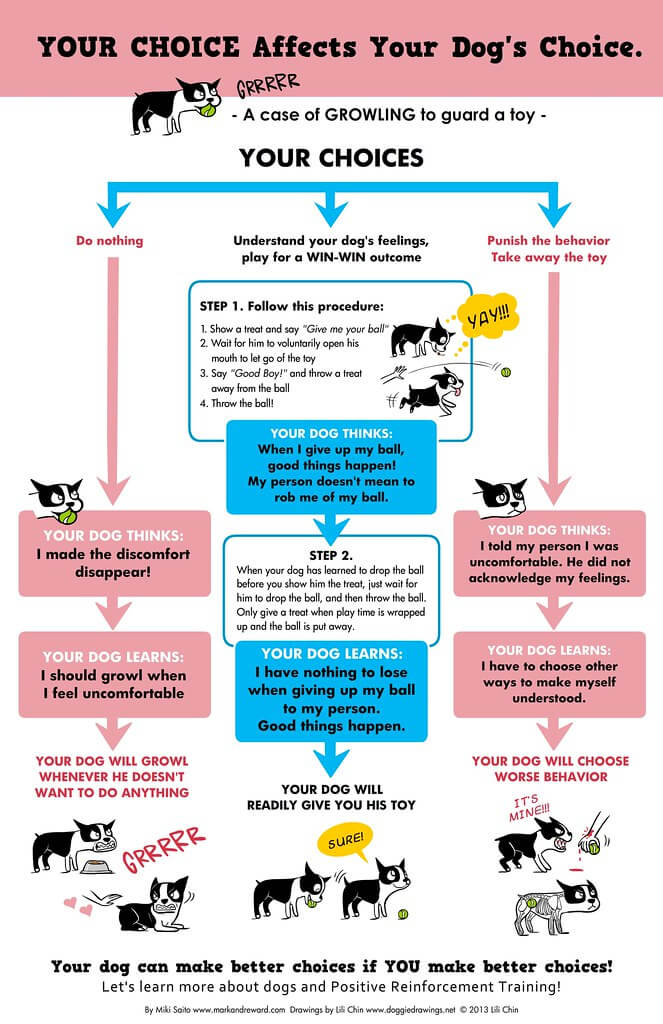
Reward good behavior with treats, praise, or play. Positive reinforcement encourages your dog to repeat kind actions. Avoid punishment, which can increase guarding instincts. Reward calmness and sharing to promote trust. This method builds a happy, cooperative dog.
Credit: spcanevada.org
Behavior Modification Techniques
Behavior modification techniques help change guarding behavior in dogs safely. These methods teach dogs to react calmly around triggers. Consistency and patience are very important. The goal is to make your dog feel secure without guarding.
Desensitization
Desensitization means exposing your dog to triggers slowly. Start with very mild situations that do not cause guarding. Over time, increase exposure little by little. This helps your dog get used to the trigger. The dog learns that the trigger is not a threat. Keep sessions short and positive to avoid stress.
Counter-conditioning
Counter-conditioning changes your dog’s feelings about the trigger. Pair the trigger with something your dog likes, like treats. This creates a positive connection in your dog’s mind. For example, give treats when your dog sees a stranger. The dog starts to expect good things, not danger.
Controlled Exposure
Controlled exposure means carefully managing your dog’s contact with triggers. Use a leash or a barrier to keep control. Gradually allow your dog closer to the trigger while staying calm. Reward calm behavior and stop if your dog shows guarding signs. This controlled approach builds trust and safety.
When To Seek Professional Help
Guarding behavior in dogs can sometimes become more serious than expected. Knowing when to seek professional help is important for your safety and your dog’s well-being. Early action can prevent problems from getting worse. Professionals can offer the right tools and advice to manage guarding effectively.
Signs Of Severe Aggression
Severe aggression shows in strong growling and snapping. Your dog may lunge or bite without warning. It may guard food, toys, or even people. If your dog’s behavior scares family or guests, take it seriously. Sudden changes in behavior or increased intensity are red flags. These signs need immediate attention from an expert.
Choosing A Trainer Or Behaviorist
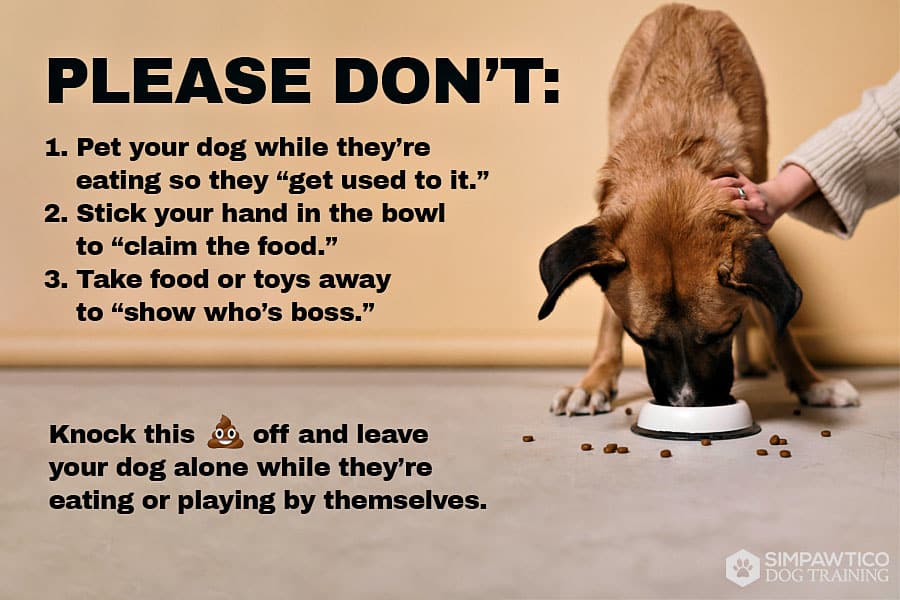
Pick a trainer with experience in dog aggression. Look for certifications from recognized animal behavior groups. A good trainer uses positive methods, not punishment. Ask if they have worked with guarding dogs before. Choose someone who listens and explains clearly. This helps build trust and better results.
Credit: www.simpawtico-training.com
Maintaining Progress
Maintaining progress in managing guarding behavior in dogs requires ongoing effort. Training does not stop after initial success. Consistency keeps your dog calm and safe. You must stay alert to any signs of old habits returning. Careful attention helps prevent setbacks and builds a strong bond.
Ongoing Training
Keep practicing commands your dog knows. Short, daily sessions work best. Use rewards to encourage good behavior. Regular training helps your dog remember what is right. Change exercises to keep your dog interested. This keeps guarding behavior under control.
Monitoring Triggers
Watch for situations that cause guarding. These might be new people, objects, or places. Notice your dog’s body language carefully. Early signs help stop problems before they grow. Avoid sudden changes in the environment. Staying calm and steady helps your dog feel safe.
Building Trust
Trust is the base of good behavior. Spend quiet time with your dog every day. Gentle touch and soft words make your dog relax. Show your dog you are the leader. Trust lowers stress and guarding instincts. A calm dog is a happy dog.
Frequently Asked Questions
What Is Guarding Behavior In Dogs?
Guarding behavior is when dogs protect their territory, possessions, or family. It is a natural instinct to ensure safety and control over resources.
Why Do Dogs Show Guarding Behavior?
Dogs guard to protect their food, toys, space, or loved ones. This behavior stems from survival instincts and a desire to feel secure.
How Can I Stop My Dog’s Guarding Behavior?
Training and socialization help reduce guarding. Use positive reinforcement, set clear boundaries, and avoid punishing your dog harshly.
Is Guarding Behavior Normal In All Dog Breeds?
Guarding tendencies vary by breed and individual dog. Some breeds are naturally more protective, while others are less inclined to guard.
Conclusion
Guarding behavior in dogs shows their natural protectiveness. It helps keep their family and home safe. Training and patience can guide this behavior well. Dogs learn what is okay to guard and what is not. Owners play a big role in shaping these actions.
Understanding your dog builds trust and respect. Watch for signs that need attention or help. A calm and clear approach makes a happy dog. Guarding can be part of a loving bond. Care and knowledge bring out the best in your dog.


