Potty training a small dog can feel like a tricky puzzle, but it doesn’t have to be. If you’ve ever found yourself frustrated by accidents or unsure where to start, you’re not alone.
The good news is, with the right approach, you can teach your furry friend to go potty in the right place—making your home cleaner and your bond stronger. Ready to discover simple steps that really work? Keep reading, and you’ll have your small dog potty trained in no time.

Credit: www.amazon.com
Choosing The Right Spot
Choosing the right spot for potty training a small dog helps build good habits fast. The spot should be easy to reach for your dog and easy for you to clean. Consistency in the location helps your dog learn where to go. This section explores indoor and outdoor options and how to create a consistent potty area.
Indoor Vs Outdoor Options
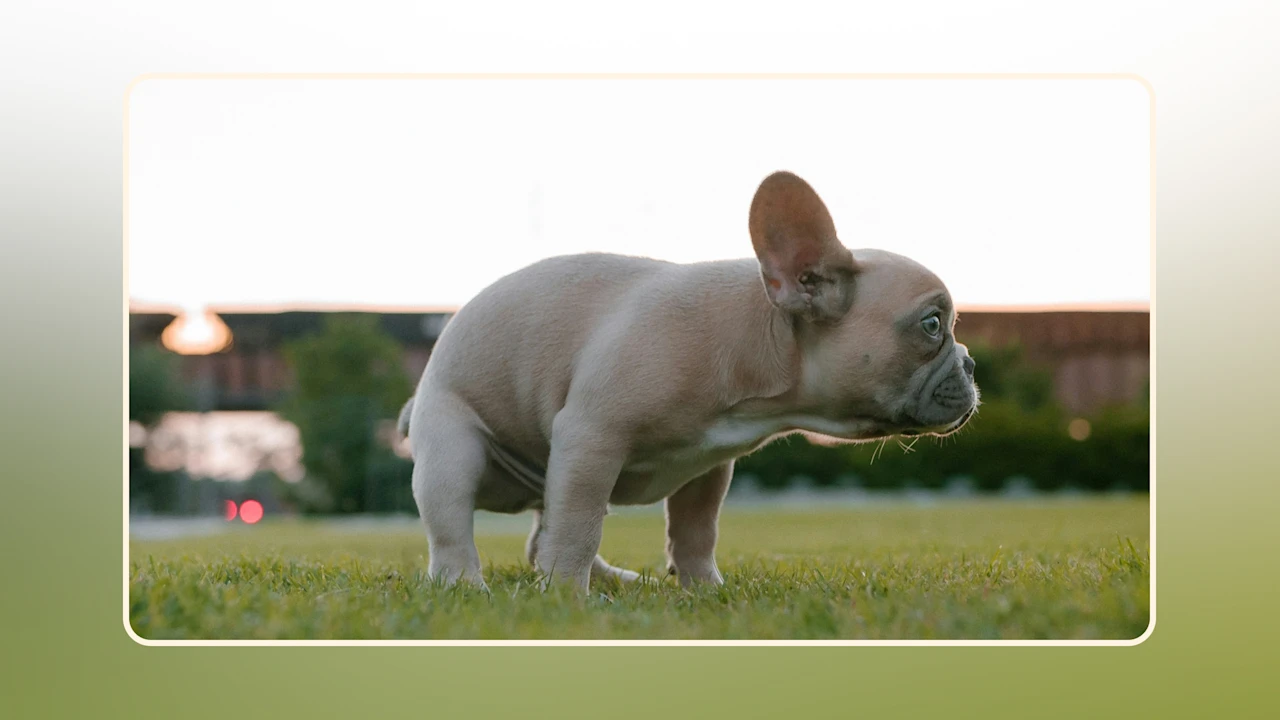
Decide if your dog will potty inside or outside. Indoor spots work well for small dogs and bad weather days. Use puppy pads or a small litter box in a quiet corner. Outdoor spots give your dog fresh air and natural cues to potty. Choose a spot away from busy areas and noise. Your dog will learn faster if the spot is calm and safe.
Creating A Consistent Area
Keep the potty area the same every time. Dogs remember places by smell and sight. Use the same spot indoors or outdoors for every potty break. Clean the area regularly but leave some scent to guide your dog. Consistency helps your dog understand where to go quickly. Avoid moving the spot often to prevent confusion.
Setting A Routine
Setting a routine helps small dogs learn good bathroom habits fast. Dogs thrive on consistency. A regular schedule makes potty training easier. Your dog will know when to expect meals and breaks. This predictability reduces accidents inside the house. Building a solid routine is key to success.
Establishing Feeding Times
Feed your small dog at the same times every day. Regular feeding helps control their bathroom schedule. Avoid free-feeding or leaving food out all day. Measure the food to keep portions consistent. A steady feeding time means predictable digestion. This predictability helps you plan bathroom breaks better.
Scheduling Bathroom Breaks
Take your dog outside right after meals. Puppies need to go out more often than adult dogs. Start with breaks every one to two hours. Watch for signs your dog needs to go, like sniffing or circling. Praise your dog after they go outside. A set bathroom schedule reduces accidents and builds good habits.
Using Crate Training
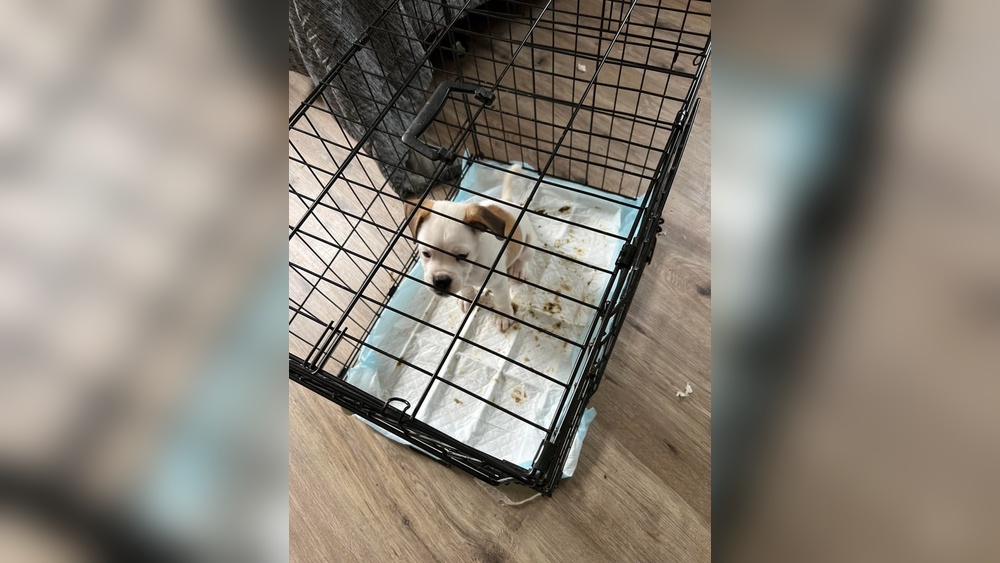
Using crate training is a popular and effective method to potty train small dogs. It helps teach your dog where to go potty and when to wait. A crate provides a safe, cozy space that mimics a den. Dogs naturally avoid soiling their sleeping area. This makes crate training a useful tool for potty training.
Benefits For Small Dogs
Crate training keeps small dogs safe when unsupervised. It stops them from chewing or making messes around the house. The crate acts as a boundary, helping dogs learn control. It also reduces anxiety by giving them a quiet place to rest. Small dogs often feel secure in crates, which supports training. Regular crate use encourages good bathroom habits. It makes accidents less likely.
Introducing The Crate Gradually
Start by placing the crate in a common area. Let your dog explore it without pressure. Use treats and toys to create positive feelings. Keep the door open at first. Allow your dog to go in and out freely. Next, close the door for short times while you stay nearby. Slowly increase the time your dog spends inside. Never force your dog into the crate. Always praise your dog for calm behavior inside. This gradual approach builds trust and comfort.

Credit: coziwow.com
Positive Reinforcement
Positive reinforcement helps small dogs learn potty training faster. It uses rewards to encourage good habits. Dogs respond well to kindness and praise. This method builds trust and makes training fun. It also helps your dog feel safe during learning.
Rewarding Good Behavior
Give your dog a treat right after it goes potty outside. Use a cheerful voice to say “Good job!” Praise helps your dog understand what you want. Small treats work best for quick rewards. Be consistent and reward every time your dog does well. This keeps your dog motivated to repeat good behavior.
Avoiding Punishments
Never scold or hit your dog for accidents. Punishment can cause fear and confusion. It makes dogs hide their mistakes instead of learning. Stay calm and clean accidents quietly. Focus on rewarding good behavior to guide your dog. Positive training creates a happy, trusting pet-owner bond.
Recognizing Signs
Recognizing when your small dog needs to go potty is key for training success. Dogs often give clear signs before they need to relieve themselves. Spotting these signs helps you act fast and avoid accidents inside your home. Watch your dog’s behavior closely to learn these signals.
Common Potty Signals
Dogs show certain actions before they need to go out. They may sniff the floor or circle in one spot. Some dogs suddenly stop playing and look around. Others may whine, bark, or scratch at the door. These are all ways dogs tell you they need a bathroom break.
Responding Quickly
Act right away when you see these signals. Take your dog outside to the potty spot without delay. The faster you respond, the easier it is for your dog to connect the signal with going outside. Quick response reduces accidents and helps your dog learn faster.
Handling Accidents
Accidents are a normal part of potty training small dogs. They happen even with the best training. Handling these accidents well helps your dog learn faster. It also keeps your home clean and odor-free. Staying calm and acting quickly makes a big difference in training success.
Cleaning Tips
Clean accidents right away to remove smells. Use a pet-safe cleaner that breaks down urine and feces. Avoid ammonia-based cleaners because they smell like urine to dogs. This might cause repeat accidents in the same spot. Blot the area with paper towels or a cloth. Rinse with water and dry completely. Regular cleaning helps keep your house fresh and your dog focused on the right potty spot.
Staying Patient
Patience is key during potty training. Dogs do not learn overnight. Expect some accidents along the way. Avoid punishing your dog. This can cause fear or confusion. Instead, gently guide your dog back to the right place. Praise small successes to encourage good behavior. Consistency and calmness build trust and speed up learning. Remember, every dog learns at its own pace.
Adjusting Techniques For Small Breeds
Potty training a small dog needs special care. Small breeds have unique needs. Their size and behavior affect training steps. Adjusting techniques helps make training easier. It also speeds up the learning process. Understanding these differences is key to success.
Tailoring Training Methods
Small dogs may need more frequent bathroom breaks. Use smaller potty pads or areas. Praise and reward quickly after they go. Keep training sessions short and fun. Use gentle commands and a soft voice. This helps them feel safe and confident.
Considering Size And Temperament
Small breeds often have delicate bladders. They may feel nervous during training. Be patient and watch for signs of stress. Some small dogs learn faster with routine. Others need more time and support. Adjust training speed based on your dog’s mood and size.
Credit: wefeedraw.com
Frequently Asked Questions
How Long Does Potty Training Take For Small Dogs?
Potty training a small dog usually takes 4 to 6 weeks. Consistency and patience speed up the process. Each dog learns at its own pace, so stay committed.
What Is The Best Potty Training Method For Small Dogs?
Positive reinforcement with treats and praise works best. Use a consistent potty spot and schedule. Avoid punishment to encourage good habits effectively.
How Often Should I Take My Small Dog Outside?
Take your small dog outside every 1 to 2 hours initially. Frequent trips prevent accidents and build a routine. Adjust timing as your dog learns.
Can I Potty Train A Small Dog Indoors?
Yes, use pee pads or indoor grass patches. Gradually move the potty area closer to the door. Transition outside once your dog is consistent.
Conclusion
Potty training a small dog takes time and patience. Consistency helps your dog learn faster. Use a regular schedule for bathroom breaks. Praise your dog for good behavior. Expect some accidents along the way. Stay calm and avoid punishment. Small dogs can learn just like big dogs.
Trust the process and keep trying. Soon, your dog will understand where to go. Enjoy the bond you build during training. Success feels rewarding for both you and your pet.