

If you have an older dog and want to teach them to love their crate, you might be wondering where to start. Crate training isn’t just for puppies—it can bring comfort and safety to dogs of any age.
But how do you make the crate a happy place for a dog who’s never used one before? In this guide, you’ll discover simple, effective steps to help your dog feel calm and secure in their crate. By the end, you’ll have the tools to turn the crate into a cozy retreat your dog actually enjoys.
Ready to see your dog thrive with crate training? Let’s dive in.
Credit: k9basics.com
Benefits Of Crate Training Older Dogs
Crate training older dogs brings many benefits. It helps them feel secure and calm. Older dogs can learn new habits with patience and care. The crate becomes their safe space. This training supports their well-being and daily routines.
Safety And Comfort
A crate keeps older dogs safe when unsupervised. It prevents accidents and stops them from chewing harmful things. The crate offers a cozy spot to rest. Dogs enjoy having a quiet place to relax and feel calm.
Behavior Improvement
Crate training helps reduce bad behaviors like barking or digging. It teaches dogs boundaries and self-control. Older dogs can improve house manners with crate use. Consistent training supports better habits over time.
Travel And Vet Visits
Crates make travel easier and less stressful for dogs. They provide a familiar space during car rides. At the vet, the crate helps calm nervous dogs. Training a crate prepares them for safe trips and quick visits.
Credit: www.hillspet.com.au
Choosing The Right Crate
Choosing the right crate plays a big role in training an older dog. The right crate offers comfort and safety. It helps your dog feel calm and secure. This makes training easier and less stressful.
Size And Material
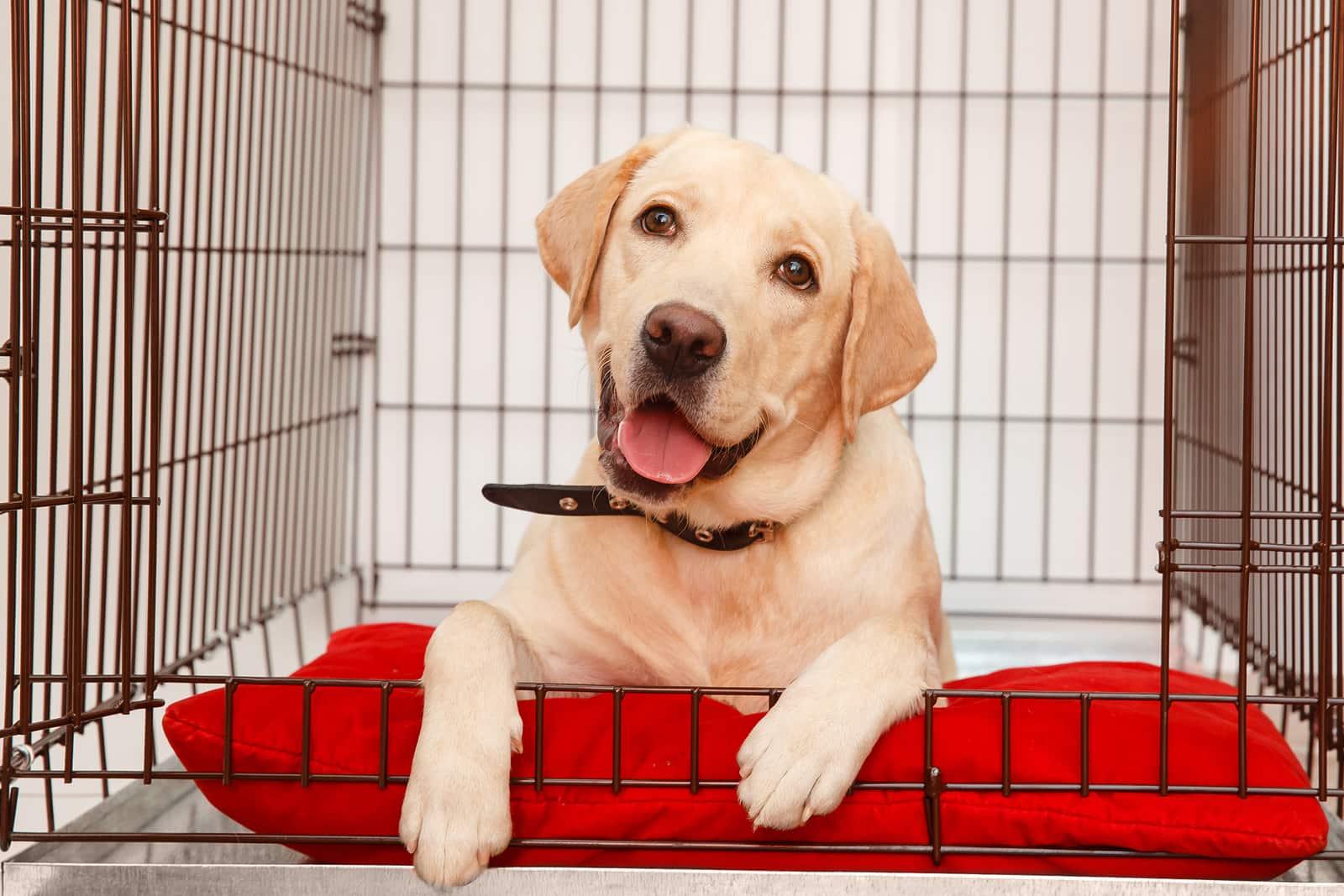
Pick a crate large enough for your dog to stand, turn, and lie down. Too small feels tight and uncomfortable. Too big may feel less safe and cozy.
Materials matter. Wire crates give good airflow and visibility. Plastic crates feel more enclosed and private. Choose based on your dog’s comfort and needs.
Location Tips
Place the crate in a quiet, calm spot. Avoid noisy or busy rooms. Your dog needs a peaceful place to relax.
Keep the crate near family areas. This helps your dog feel included, not isolated. A good balance between quiet and company works best.
Preparing Your Dog For The Crate
Preparing your older dog for crate training sets the foundation for success. This step helps your dog feel safe and comfortable. It reduces stress and builds trust. Patience is key. The process takes time and calm effort. The goal is to make the crate a happy place. Your dog should want to enter the crate on their own. Start slow and keep sessions short. Watch your dog’s reactions closely. Adjust your approach based on their comfort level.
Creating A Positive Environment
Place the crate in a quiet, cozy spot in your home. Avoid areas with loud noises or heavy foot traffic. Add soft bedding inside the crate for comfort. Use familiar blankets or toys your dog likes. Leave the crate door open at first. Allow your dog to explore it freely. Toss in small treats to encourage curiosity. Praise gently when your dog approaches the crate. This builds a positive connection with the space.
Introducing The Crate Gradually
Start by feeding your dog near the crate. Next, place food bowls inside the crate with the door open. Let your dog enter and exit freely. Do not close the door yet. After a few sessions, gently close the door for a few seconds while your dog eats. Slowly increase the time the door stays shut. Stay nearby and offer calm reassurance. End each session with praise and treats. This slow approach helps your dog feel safe and secure.
Step-by-step Crate Training Process
Crate training an older dog requires patience and a clear plan. The process helps your dog feel safe and comfortable inside the crate. Follow these simple steps to make crate training a positive experience for your dog.
Encouraging Voluntary Entry
Start by placing the crate in a quiet, familiar room. Leave the door open so your dog can explore freely. Put a soft blanket or bed inside to make it cozy. Use treats to lure your dog near the crate. Praise your dog when it sniffs or steps inside. Never force your dog into the crate. Let them enter at their own pace.
Feeding Meals In The Crate
Feed your dog near the crate at first. Gradually move the food bowl inside the crate. This creates a positive link with the space. Stay nearby during meals but do not shut the door yet. After your dog eats calmly inside, try closing the door for a few seconds. Open it quickly and praise your dog. Repeat this daily to build comfort.
Increasing Crate Time Slowly
Once your dog accepts meals in the crate, increase time inside. Start with a few minutes and sit nearby. Gradually extend the time while your dog stays calm. Use treats and soft words to reassure them. Avoid long periods at first to prevent stress. Slowly build up to longer crate sessions each day.
Handling Common Challenges
Crate training an older dog can bring unique challenges. Many dogs have habits or fears built over time. Patience and understanding help overcome these issues. Knowing how to handle common problems makes training smoother. Here are some key tips to tackle typical hurdles in crate training.
Dealing With Anxiety
Older dogs may feel anxious about a crate. They might see it as a trap or punishment. Start by making the crate a safe space. Place soft bedding and favorite toys inside. Let the dog explore the crate without pressure. Use calm, gentle tones during training sessions. Gradually increase the time spent in the crate. This slow approach helps reduce fear and stress.
Managing Whining And Barking
Whining and barking often show discomfort or a need. Ignore the noise to avoid reinforcing it. Give attention only when the dog is quiet. Break training into short crate times to prevent restlessness. Offer treats for calm behavior inside the crate. Consistency is key to teaching silence and patience.
Avoiding Negative Associations
Never use the crate for punishment. The dog may link the crate with bad things. Keep crate time positive with treats and praise. Use the crate during happy moments, like feeding or resting. This helps the dog see the crate as a comfort zone. Positive feelings encourage better acceptance of the crate.
Maintaining Long-term Success
Maintaining long-term success in crate training an older dog requires patience and care. The crate should become a safe place, not a punishment. Consistency and comfort help your dog feel secure. Keep the training gentle and steady to build trust over time.
Consistent Routine
Create a daily schedule for crate time. Dogs thrive on routine and predictability. Put your dog in the crate at the same times each day. This helps them understand when to rest and when to be active. Avoid sudden changes to prevent confusion or stress.
Using The Crate For Rest And Security
Make the crate a cozy space with a soft bed and toys. Your dog should see it as a quiet retreat. Use the crate for naps and calm moments, not only for confinement. This builds a positive connection with the crate. Let your dog enter and exit freely during calm times.
Adjusting Training As Needed
Watch your dog’s behavior and comfort level closely. Some dogs may need more time to adjust. Change crate time length based on their reactions. If your dog seems stressed, reduce time and increase breaks. Adapt the training to fit your dog’s needs for lasting success.

Credit: www.diggs.pet
Frequently Asked Questions
How Long Does Crate Training An Older Dog Take?
Crate training an older dog usually takes 2 to 4 weeks. Consistency and patience are key for success. Each dog learns at its own pace. Regular positive reinforcement speeds up the process. Avoid rushing to prevent stress or anxiety.
What Are The Best Crate Training Tips For Older Dogs?
Use positive reinforcement like treats and praise. Make the crate comfortable with bedding and toys. Introduce the crate gradually, starting with short periods inside. Never use the crate as punishment. Be patient and consistent to build trust.
Can Older Dogs Adapt To Crate Training Easily?
Yes, older dogs can adapt well with patience and care. They may take longer than puppies but can learn successfully. Positive experiences and routine help older dogs feel secure in the crate.
How To Make A Crate Inviting For An Older Dog?
Place soft bedding, favorite toys, and treats inside the crate. Keep the crate in a quiet, familiar area. Use calming scents or covers if needed. Make the crate a safe, cozy space your dog enjoys.
Conclusion
Crate training an older dog takes time and patience. Start slow and stay consistent every day. Use treats and praise to make the crate a happy place. Respect your dog’s feelings and comfort level. Small steps lead to big progress.
Your dog will learn to love the crate as a safe spot. Keep routines simple and clear. Enjoy the bond that grows with this training. Success comes with kindness and steady effort.

