

Are you wondering if it’s okay to feed your puppy adult dog food? You’re not alone.
Many pet owners face this question and want what’s best for their furry friend. Feeding your puppy the right food is crucial for their growth and health. But what happens if you give them adult dog food instead? Keep reading to discover the important facts you need to know before making this decision.
Your puppy’s future depends on it.
Puppy Vs Adult Dog Food
Choosing the right food for your puppy is very important. Puppy food and adult dog food have different purposes. Puppies need special nutrition to support their fast growth and energy needs. Adult dogs have slower growth and different energy requirements. Understanding these differences helps you feed your puppy the best way.
Nutritional Differences
Puppy food contains more protein and fat than adult dog food. These nutrients help build strong muscles and provide energy. Puppy food also has extra vitamins and minerals for healthy bones and teeth. Adult dog food has fewer calories and less fat. It focuses on maintaining weight and health in grown dogs.
Impact On Growth And Development
Puppies grow quickly and need more nutrients to support this. Feeding adult dog food to puppies can slow their growth. They might miss important nutrients for brain and bone development. Puppy food helps puppies develop properly and stay healthy. Adult dog food is made for maintenance, not growth.
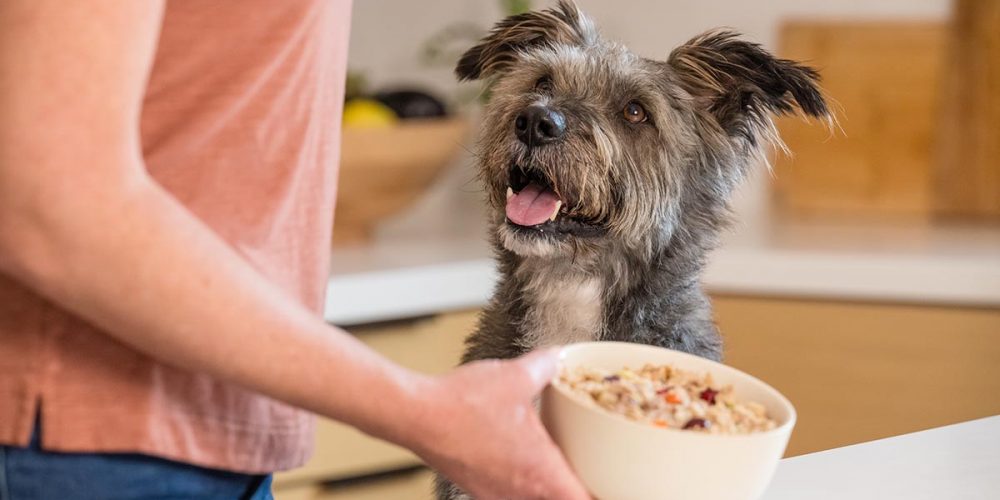
Credit: blog.justfoodfordogs.com
Risks Of Feeding Adult Food To Puppies
Feeding adult dog food to puppies carries several risks. Puppies need special nutrition to grow strong and healthy. Adult dog food does not meet these needs. It can lead to health problems during their critical growth phase.
Nutrient Deficiencies
Puppies require more protein, fat, and calories than adult dogs. Adult food often lacks these essential nutrients. This shortage can stunt growth and weaken the immune system. Important vitamins and minerals may also be missing. Such deficiencies affect bone development and energy levels.
Digestive Issues
Puppies have sensitive stomachs. Adult dog food can be hard for them to digest. This can cause diarrhea, vomiting, or upset stomach. Poor digestion reduces nutrient absorption. It leaves puppies tired and less active. Proper puppy food supports healthy digestion and better nutrient uptake.
When Adult Food Might Be Appropriate
Adult dog food is usually not the best choice for puppies. Puppies need more nutrients for their growth. Yet, some cases make adult food suitable for young dogs. Understanding these cases helps keep your puppy healthy.
Special Health Conditions
Sometimes puppies have health problems. These might need a special diet. A vet may suggest adult dog food for certain puppies. This food can have fewer calories or different nutrients. It helps manage health issues better than puppy food.
Transitioning Between Stages
Puppies grow fast and their food needs change. Around one year old, many start eating adult food. The switch should happen slowly over days or weeks. Mixing both foods helps the puppy adjust. This avoids stomach problems and keeps their diet balanced.
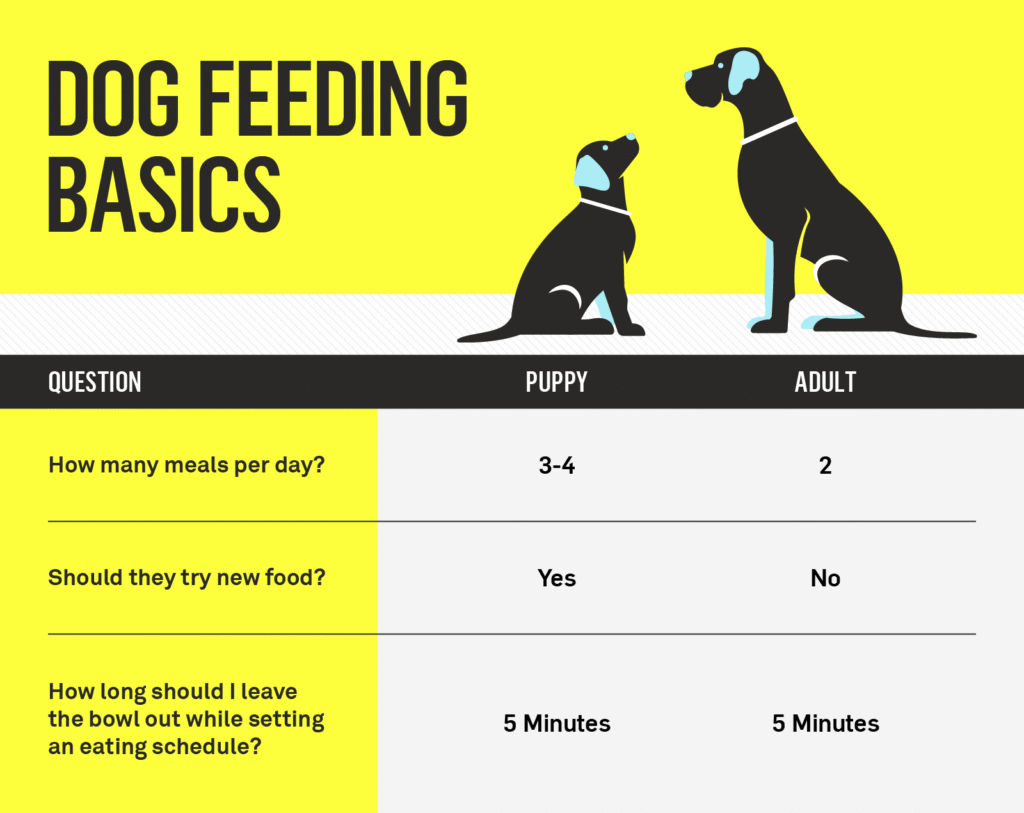
Credit: www.gallant.com
How To Transition Puppy To Adult Food
Switching your puppy from puppy food to adult dog food requires care. The right transition helps avoid stomach problems. It ensures your dog gets proper nutrients at each life stage. Follow clear steps for a smooth change. This keeps your puppy healthy and happy.
Timing The Switch
Most puppies need adult food around one year old. Small breeds may switch earlier, about nine months. Large breeds might wait up to 18 months. Check your vet’s advice for your puppy’s breed. Watch your puppy’s growth and energy levels too. Proper timing prevents nutritional gaps and weight issues.
Gradual Introduction Tips
Start mixing adult food with puppy food slowly. Begin with 25% adult food and 75% puppy food. Change the ratio every few days. After about a week, feed only adult food. Watch for any signs of upset stomach. This slow change helps your puppy adjust well.
Signs Your Puppy Needs Different Nutrition
Understanding when your puppy needs different nutrition is important. Puppies grow fast. Their diet must keep up with their growth. Sometimes, feeding adult dog food is not enough. Watch your puppy closely for signs. Changes in behavior and body can tell you a lot. These signs show if your puppy needs a diet change.
Behavioral Changes
Puppies that lack proper nutrition may act differently. They might seem tired or less playful. A normally active puppy may become sluggish. Watch for changes in eating habits too. A puppy refusing food might need different nutrition. Some puppies get restless or anxious. These behaviors can mean their diet is not right.
Physical Symptoms
Physical signs are clear indicators of poor nutrition. Look for dull or dry fur. Healthy puppies usually have shiny coats. Weight loss or slow growth is a red flag. Your puppy should gain weight steadily. Weakness or frequent illness may also occur. Check for digestive problems like diarrhea or vomiting. These symptoms suggest your puppy needs a better diet.
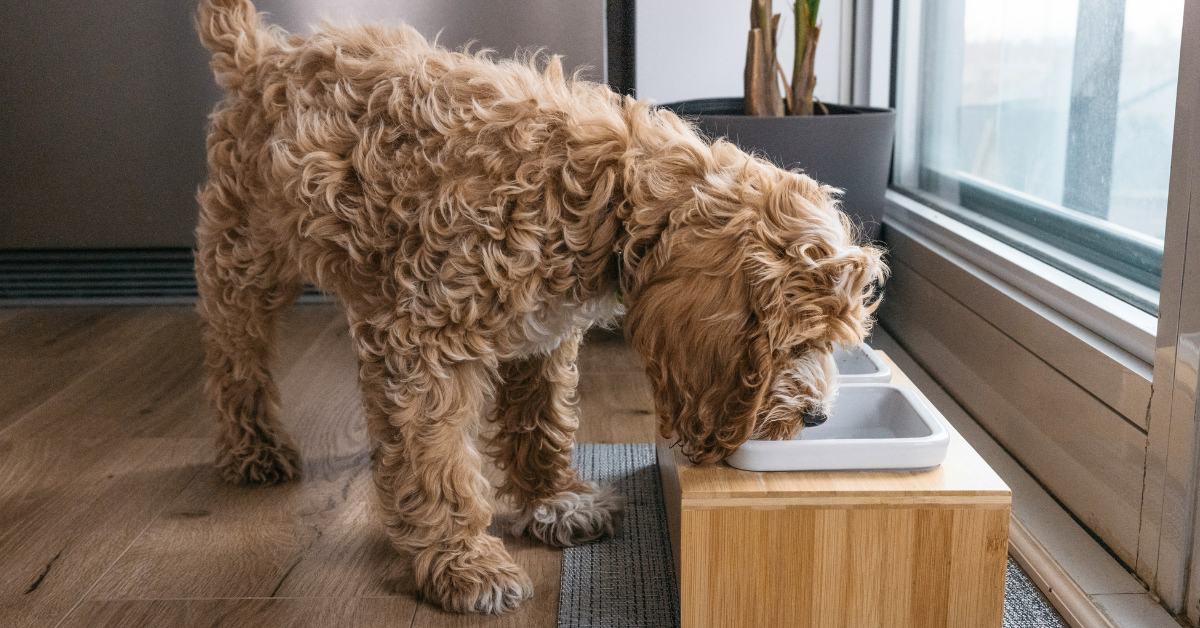
Credit: www.acanapetfoods.co.uk
Choosing The Right Food For Your Puppy
Choosing the right food for your puppy is very important. Puppies grow fast and need special nutrients. Adult dog food may not give them what they need. Picking the correct food helps your puppy stay healthy and strong. It supports their bones, muscles, and brain development. Understanding food labels and asking a vet can guide you to the best choice.
Reading Dog Food Labels
Dog food labels tell you what is inside the bag or can. Look for words like “complete and balanced” for puppies. Check the ingredients list for real meat as the first item. Avoid foods with too many fillers like corn or wheat. Also, see if the food has added vitamins and minerals for puppies. These details help you know if the food meets puppy needs.
Consulting Your Veterinarian
Your vet knows your puppy’s health best. Ask about the right type of food and brand. Vets can suggest food based on breed, size, and health. They can also warn about foods that may cause allergies. Follow your vet’s advice to keep your puppy growing well. Regular check-ups can track your puppy’s progress on the food.
Frequently Asked Questions
Can Puppies Eat Adult Dog Food Safely?
Puppies should not eat adult dog food regularly. Adult formulas lack essential nutrients for growth. Feeding only adult food may cause deficiencies and health issues. Use puppy-specific food for balanced nutrition and healthy development.
What Happens If A Puppy Eats Adult Dog Food?
If a puppy eats adult dog food occasionally, it’s usually safe. However, consistent feeding can lead to poor growth and weak immunity. Adult food may lack vital vitamins and calories needed for a puppy’s energy and development.
When Should I Switch My Puppy To Adult Food?
Switch to adult dog food when your puppy reaches about one year old. Large breeds may need more time, around 12-18 months. Consult your veterinarian for the best timing based on your puppy’s breed and health status.
Can Adult Dog Food Meet A Puppy’s Nutritional Needs?
Adult dog food is designed for maintenance, not growth. It usually has lower protein and fat levels than puppy food. Puppies need extra nutrients for brain and bone development, which adult food may not provide adequately.
Conclusion
Feeding a puppy adult dog food is not the best choice. Puppies need special nutrients to grow strong and healthy. Adult food lacks these important elements for puppies. It can lead to poor growth and health problems. Always choose food made for puppies during their early months.
Consult your vet for the best feeding plan. Good nutrition helps your puppy develop well and stay happy. Keep your puppy’s diet proper and balanced for a bright future.


