
Wondering how often to get your dog groomed? You’re not alone.
Keeping your furry friend clean and healthy is more important than you might think. But the right grooming schedule isn’t the same for every dog. It depends on their breed, coat type, and lifestyle. You’ll discover exactly when and why your dog needs grooming.
By the end, you’ll know how to keep your pet looking great and feeling comfortable—without wasting time or money. Let’s dive in and make grooming simple for you and your dog.

Credit: usapetgrooming.com
Benefits Of Regular Grooming
Regular grooming helps keep your dog healthy and happy. It is more than just making your dog look good. Grooming often improves your dog’s comfort and well-being. It also helps you notice any problems early. These benefits make regular grooming very important for all dog owners.
Improved Coat Health
Grooming removes dirt and dead hair from your dog’s coat. This keeps the fur clean and shiny. Brushing spreads natural oils that protect the skin. It prevents mats and tangles that can hurt your dog. A healthy coat means your dog feels better every day.
Early Detection Of Health Issues
Grooming lets you check your dog’s skin closely. You can find bumps, cuts, or rashes early. Detecting problems fast helps your vet treat your dog quickly. This can stop small issues from becoming big problems. Grooming is a good way to watch your dog’s health.
Reduced Shedding And Allergens
Regular grooming lowers the amount of loose hair. This means less hair on your clothes and furniture. It also reduces allergens in your home. This helps people with allergies breathe easier. Grooming keeps your home cleaner and your dog more comfortable.
Factors Affecting Grooming Frequency
Knowing how often to groom your dog depends on several key factors. Grooming needs vary from dog to dog. Understanding these factors helps keep your dog healthy and comfortable. Here are the main elements that affect grooming frequency.
Breed And Coat Type
Different breeds have different coats. Some have short, smooth fur. Others have long, thick, or curly hair. Dogs with long or thick coats need grooming more often. This prevents mats and tangles. Short-haired dogs usually need less frequent grooming. Coat type guides how often baths, brushing, and trims are needed.
Age And Health Conditions
Older dogs may need gentler grooming. Their skin can be more sensitive. Puppies need regular grooming to get used to it. Dogs with certain health issues may require special care. Skin problems, allergies, or arthritis can change grooming needs. Regular checks help spot health issues early.
Lifestyle And Activity Level
Active dogs that spend time outside get dirty faster. They need more frequent baths and brushing. Dogs living mostly indoors may stay cleaner longer. Swimming or hiking dogs need extra care to remove dirt and debris. Grooming keeps their coat clean and skin healthy.
Recommended Grooming Schedules
Keeping your dog well-groomed helps maintain their health and happiness. Different types of dogs need different grooming schedules. Knowing how often to groom your dog prevents skin problems and matting. It also keeps their coat shiny and clean. Below are recommended grooming routines for various dog types.
Short-haired Dogs
Short-haired dogs need grooming every 6 to 8 weeks. Their coats are easier to maintain. Brushing once a week removes loose hair and dirt. Baths every month keep their skin healthy. Nail trimming and ear cleaning should happen regularly.
Long-haired Dogs
Long-haired dogs require grooming every 4 to 6 weeks. Their hair can get tangled and matted fast. Regular brushing, ideally daily, helps prevent knots. Bathing every 3 to 4 weeks keeps their coat fresh. Professional grooming may include trimming to manage length.
Double-coated Breeds
Double-coated breeds need grooming every 6 to 10 weeks. They shed heavily twice a year. Brushing several times a week removes loose fur. Baths every 6 to 8 weeks keep their undercoat clean. Proper grooming supports healthy skin and coat.
Senior Dogs
Senior dogs benefit from gentle grooming every 4 to 6 weeks. Older dogs have sensitive skin and thinner coats. Regular brushing helps improve circulation. Baths should be gentle and less frequent. Check nails and ears carefully during grooming sessions.

Credit: www.reddit.com
Essential Grooming Tasks
Essential grooming tasks keep your dog clean, healthy, and happy. Regular care prevents problems like skin issues and infections. These tasks also help you check for ticks, lumps, or injuries early. Each task plays a key role in your dog’s well-being.
Bathing
Bathing removes dirt, oils, and odors from your dog’s coat. Use dog-specific shampoo to avoid skin irritation. Bath your dog every 4 to 6 weeks, or more if very dirty. Rinse well to remove all soap and prevent itching.
Brushing And Dematting
Brushing stops tangles and mats that hurt your dog’s skin. Long-haired dogs need daily brushing. Short-haired dogs need brushing once or twice a week. Use the right brush type for your dog’s coat. Remove mats gently to avoid pain.
Nail Trimming
Trim your dog’s nails to keep them short and strong. Long nails can cause discomfort and walking problems. Check nails every 2 to 4 weeks. Use sharp nail clippers made for dogs. Cut carefully to avoid the quick, which bleeds.
Ear Cleaning
Clean your dog’s ears to prevent infections and wax buildup. Use a vet-approved ear cleaner and cotton balls. Clean ears every 2 weeks or as needed. Avoid inserting anything deep into the ear canal. Watch for redness or bad smell.
Teeth Brushing
Brush your dog’s teeth to stop bad breath and dental disease. Use a toothbrush and toothpaste made for dogs. Brush teeth at least 2 to 3 times a week. Dental health affects your dog’s overall health. Regular brushing prevents plaque and gum problems.
Signs Your Dog Needs Grooming
Knowing when your dog needs grooming is important for its health and happiness. Dogs cannot tell you when they feel uncomfortable. You must watch for signs that show grooming is needed. These signs help keep your dog clean and healthy. They also prevent skin problems and discomfort.
Mattes And Tangles
Mattes and tangles happen when fur becomes matted or knotted. This can pull on your dog’s skin and cause pain. Mattes trap dirt, making the fur look dull and dirty. Regular brushing helps avoid these problems. If you see thick knots, it’s time for grooming.
Unpleasant Odors
A bad smell from your dog can mean it needs grooming. Dirt, oils, and bacteria build up on the skin and coat. This causes a strong, unpleasant odor. Bathing and cleaning the ears and paws help remove the smell. Notice any strong odors; schedule a grooming session soon.
Excessive Shedding
Shedding is normal, but too much can be a problem. Excessive shedding leaves hair everywhere and can indicate poor coat health. Grooming removes loose hair and helps new fur grow strong. Regular brushing and grooming reduce shedding and keep your home cleaner.
Skin Irritation
Skin irritation shows as redness, bumps, or scratching. It can come from dirt, allergies, or parasites. Grooming removes irritants and helps spot skin problems early. If your dog scratches often or has red skin, grooming is necessary. It helps your dog feel better fast.
Diy Grooming Tips
Grooming your dog at home saves money and builds trust. It keeps your pet clean and healthy. Simple steps make grooming easier and safer. Learn tips to groom your dog well.
Choosing The Right Tools
Select tools that fit your dog’s coat type. Use a slicker brush for long hair. A bristle brush works well for short coats. Nail clippers or grinders keep paws neat. Have a comb to remove tangles gently. Sharp, clean tools avoid hurting your dog.
Safe Bathing Techniques
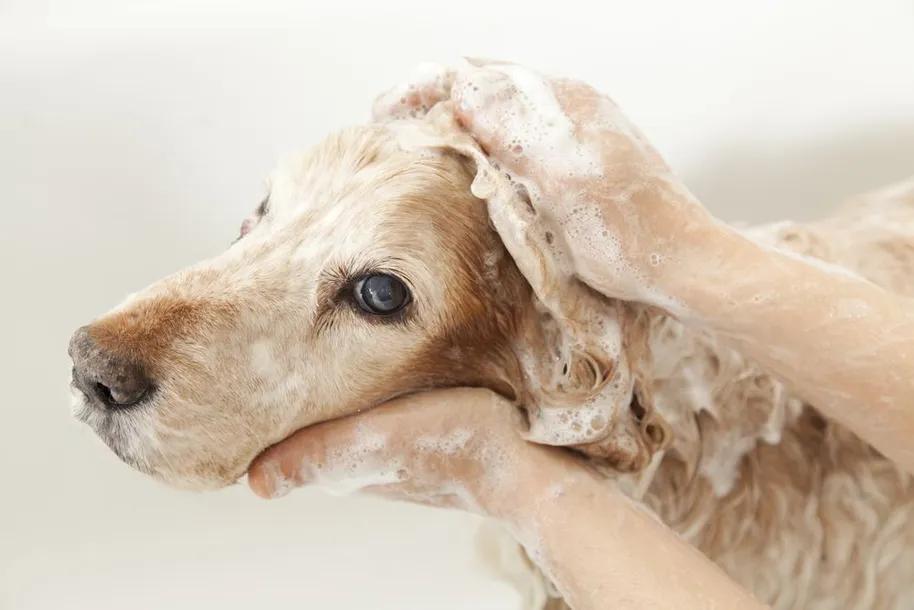
Use lukewarm water to avoid discomfort. Wet your dog slowly and softly. Apply dog-friendly shampoo to protect skin. Rinse thoroughly to remove all soap. Dry with a towel or low heat dryer. Keep baths short to prevent stress.
Handling Nervous Dogs
Speak softly to calm your dog down. Offer treats to create a positive mood. Take breaks if your dog feels scared. Use gentle strokes and slow movements. Stay patient and avoid sudden actions. Comfort and praise build your dog’s trust.
When To Visit A Professional Groomer
Knowing when to visit a professional groomer helps keep your dog healthy and happy. Some grooming tasks need special skills and tools. Professionals handle these with care and precision. This saves you time and protects your dog’s comfort. Here are key reasons to schedule visits with a groomer.
Complex Coat Styles
Dogs with thick, curly, or long coats need expert grooming. Their fur can easily tangle and mat. Professionals use the right scissors and clippers. They also know the best way to trim each breed. This keeps the coat neat and prevents skin problems.
Behavioral Challenges
Some dogs get nervous or restless during grooming. A professional groomer knows how to calm them. They use gentle handling and safe methods. This reduces stress for your dog and makes grooming faster. It also keeps everyone safe.
Health Concerns Requiring Expertise
Certain health issues need special grooming care. Dogs with skin problems or ear infections need careful cleaning. Groomers spot these issues early and avoid making them worse. They also trim nails properly to prevent pain or injury.
Credit: www.summitdogandcat.com
Frequently Asked Questions
How Often Should I Groom My Dog?
Most dogs need grooming every 4 to 8 weeks. Frequency depends on breed, coat type, and lifestyle. Regular grooming keeps your dog healthy, clean, and comfortable.
Does Dog Grooming Affect Health?
Yes, grooming prevents skin infections, matting, and parasites. It also helps detect health issues early. Regular grooming supports overall dog wellness.
Can I Groom My Dog At Home?
Yes, basic grooming like brushing and bathing can be done at home. Professional grooming is best for haircuts and nail trimming. Home care maintains coat between professional sessions.
What Factors Influence Dog Grooming Frequency?
Breed, coat length, activity level, and skin condition affect grooming needs. Long-haired dogs require more frequent grooming. Active dogs may need more baths and cleaning.
Conclusion
Regular dog grooming keeps your pet healthy and happy. Different breeds need grooming at different times. Short-haired dogs may need grooming less often. Long-haired dogs usually need more frequent care. Watch your dog’s coat for signs of matting or dirt.
Clean ears and trimmed nails also matter. Set a grooming schedule that fits your dog’s needs. This helps avoid skin problems and discomfort. A well-groomed dog feels good and looks great. Keep grooming simple and consistent for best results. Your dog will thank you with a wagging tail.


