

Training your dog to use a litter box might sound tricky, but it can make your life so much easier. Imagine no more constant trips outside or unexpected messes in your home.
You want a clean house and a happy pet, right? This guide will show you simple steps to teach your dog where to go, making the process smooth for both of you. Keep reading, and you’ll discover how to turn litter training into a stress-free routine your dog will love.
Choosing The Right Litter Box
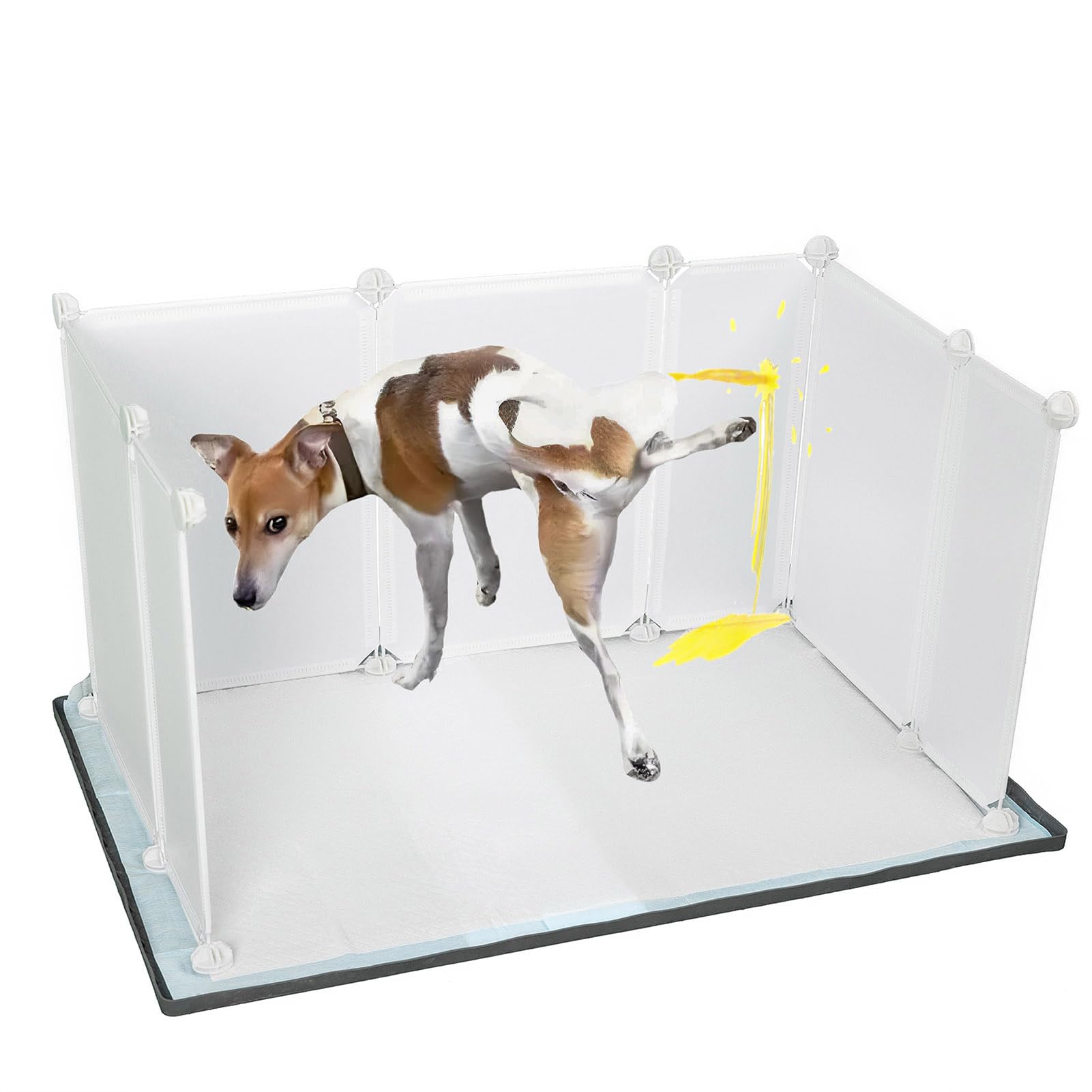
Choosing the right litter box is key to successful dog litter training. The right box makes your dog comfortable and willing to use it. It needs to fit your dog’s size and habits. A good litter box also helps keep your home clean and odor-free.
Size And Type Options
Select a litter box that fits your dog’s size. Small dogs need smaller boxes, big dogs need larger ones. Boxes come in open or covered styles. Open boxes allow easy access and better ventilation. Covered boxes offer privacy and reduce mess. Consider your dog’s preference and behavior when choosing.
Material matters too. Plastic boxes are common and easy to clean. Some have low entry sides for easy access. Choose a box with enough space for your dog to move and turn comfortably.
Placement Tips
Place the litter box in a quiet, low-traffic area. Dogs prefer calm spots for their bathroom needs. Avoid noisy or busy places in your home. Keep the box away from your dog’s food and water bowls.
Choose a spot with good ventilation to reduce smell. Ensure the location stays consistent to build routine. Make the area easy to clean and accessible for your dog.
Credit: www.amazon.com
Preparing Your Dog For Training
Preparing your dog for litter training is a key first step. It helps your dog understand what to expect. This phase builds good habits and reduces accidents. Start slow. Give your dog time to adjust. Patience and consistency pay off.
Introducing The Litter Box
Place the litter box in a quiet, easy-to-access spot. Let your dog explore it without pressure. Show your dog the box and encourage sniffing. Use treats or praise to create positive feelings. Avoid forcing your dog inside the box. Let them get used to it naturally.
Setting A Routine
Dogs thrive on routine. Take your dog to the litter box at regular times. After meals, naps, or playtime are good moments. Watch for signs your dog needs to go. Use the same words to signal bathroom time. Consistency helps your dog learn faster.
Step-by-step Training Process
Litter training a dog takes patience and clear steps. This process helps your dog learn where to go. Follow each step carefully to teach your dog effectively. Consistency is key to successful training.
Encouraging Use
Start by placing the litter box in a quiet, accessible spot. Show your dog the box and gently guide them inside. Take your dog to the box after meals and naps. Watch for signs that your dog needs to go. Praise them when they use the box.
Positive Reinforcement
Reward your dog with treats or gentle praise after each success. Use a happy tone to encourage good behavior. Repeat rewards every time your dog uses the litter box. This helps your dog connect good feelings with the box.
Handling Accidents
Accidents will happen during training. Clean accidents quickly with an odor remover. Avoid scolding your dog to prevent fear or confusion. Redirect your dog calmly to the litter box. Stay patient and keep training consistent.
Common Challenges And Fixes
Litter training a dog can be tricky. Many dog owners face common problems during the process. These problems can slow down training or confuse your dog. Knowing these challenges helps you fix them faster. It also makes training smoother and less stressful for both of you.
Avoiding Confusion
Dogs get confused by mixed signals. Changing the litter box location often causes confusion. Keep the box in the same place until your dog learns. Use the same type of litter to help your dog recognize it.
Clear commands are important too. Use one word or short phrase for bathroom time. Saying different commands makes your dog unsure what to do. Consistency helps your dog understand and follow your rules.
Dealing With Resistance
Some dogs resist using the litter box. Fear or bad past experiences cause this. Give your dog time to get used to the box. Let your dog explore it without pressure. Reward calm behavior near the box with treats or praise.
Do not punish accidents. Punishment causes fear and makes resistance worse. Clean accidents well to remove smells. This stops your dog from returning to the same wrong spot.
Maintaining Good Habits
Maintaining good habits is key to successful litter training for your dog. It helps your pet learn faster and keeps your home clean. Regular routines make dogs feel safe and confident. This section covers how to keep these habits strong and effective.
Cleaning And Hygiene
Clean the litter area daily. Remove waste to avoid bad smells. Use pet-safe cleaners to disinfect the space. A clean spot encourages your dog to use it again. Avoid harsh chemicals that can harm your dog’s nose. Replace litter regularly to keep it fresh. Good hygiene prevents health problems for your pet.
Consistency Tips
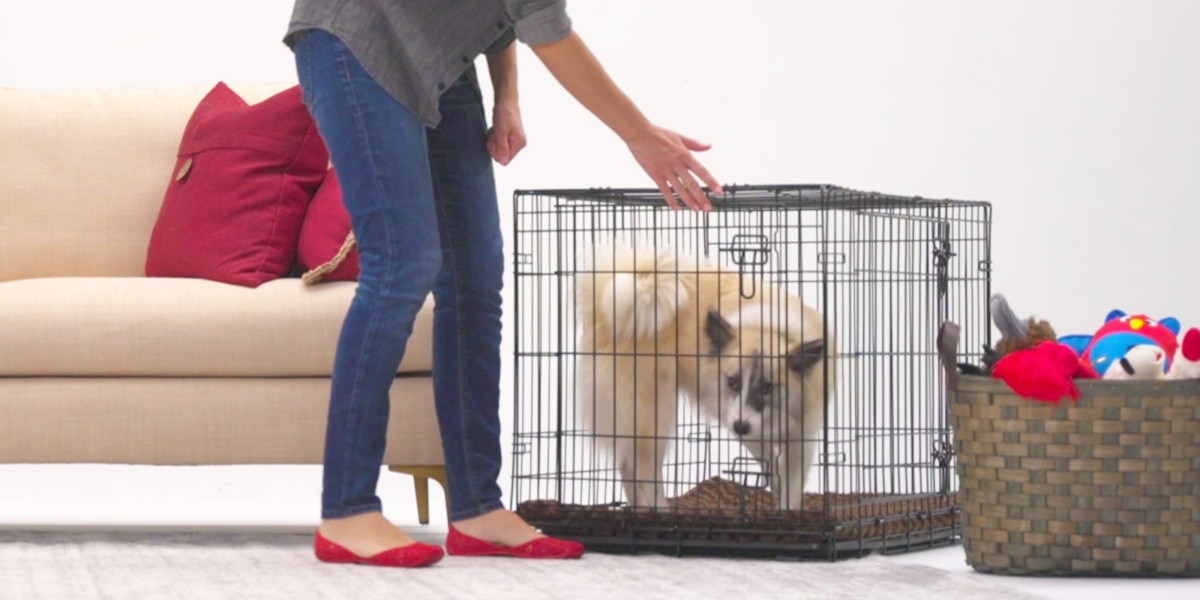
Keep the litter area in the same place. Dogs learn best with a steady routine. Take your dog to the litter spot often, especially after eating or sleeping. Praise your dog when it uses the litter correctly. Use the same commands or words to guide your pet. Avoid confusing your dog with different rules. Consistency helps your dog understand what you want.

Credit: www.lur.cat
Credit: www.purina.com
Frequently Asked Questions
What Is The Best Age To Start Litter Training A Dog?
The ideal age to begin litter training is around 8 to 12 weeks. Puppies learn habits quickly at this stage. Early training helps prevent bad habits and promotes consistency. Always use positive reinforcement to encourage good behavior.
How Long Does It Take To Litter Train A Dog?
Litter training usually takes 4 to 6 weeks. Consistency, patience, and regular schedules speed up the process. Results vary by dog’s age, breed, and temperament. Regular praise and cleaning accidents promptly help reinforce good habits.
What Supplies Are Needed For Dog Litter Training?
You’ll need a litter box, dog-specific litter, and cleaning supplies. Choose a box large enough for your dog to move comfortably. Use non-toxic, odor-absorbing litter designed for pets. Keep cleaning products pet-safe to avoid health issues.
How Often Should I Take My Dog To The Litter Box?
Take your dog to the litter box every 2 to 3 hours. Puppies especially need frequent visits to avoid accidents. Also, bring them after meals, naps, and playtime. Consistent timing helps dogs associate the box with bathroom habits.
Conclusion
Training your dog to use a litter box takes time and patience. Keep the routine steady and reward good behavior often. Watch for signs when your dog needs the litter box. Clean the area well to keep your dog comfortable.
Stay calm if accidents happen and guide your dog gently. Soon, your dog will learn this helpful habit. Small steps lead to big success in litter training. Enjoy the process and bond with your pet along the way.


