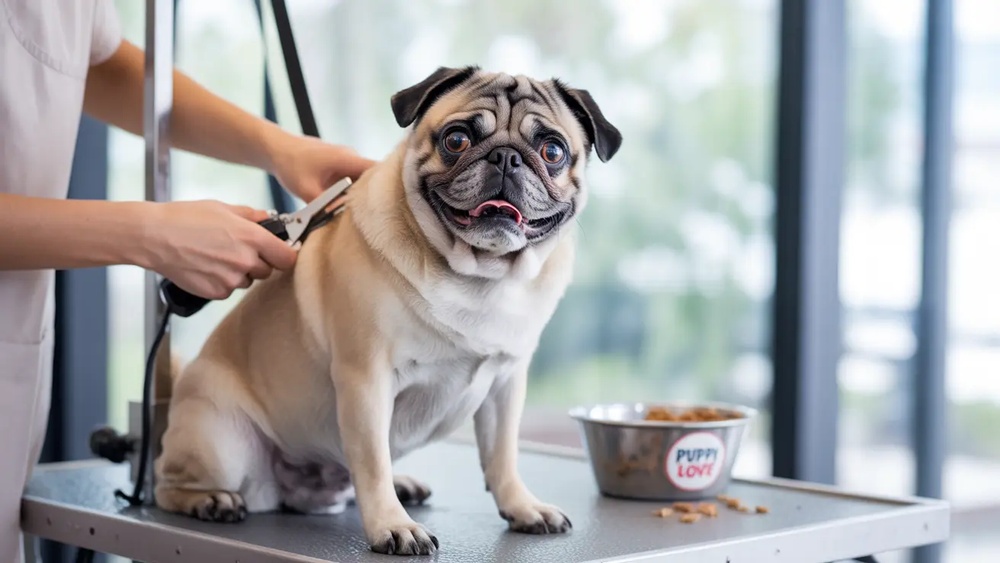
Are you wondering how to groom your dog the right way? Keeping your furry friend clean and well-groomed isn’t just about looks—it’s about their health and happiness too.
You might feel unsure about where to start or worry about making mistakes. Don’t worry, you’re not alone. You’ll discover simple, step-by-step tips that make grooming easy and even enjoyable for both you and your dog. By the end, you’ll feel confident giving your pet the care they deserve.
Ready to make grooming a positive experience? Let’s dive in!
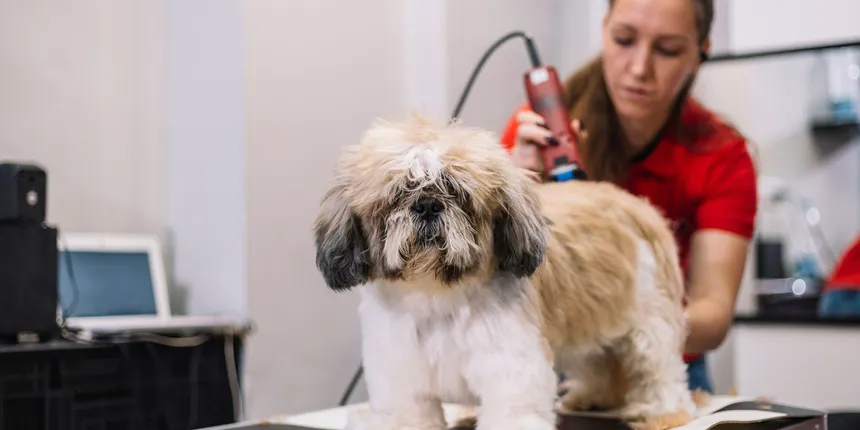
Credit: careerscollectiv.com
Choosing The Right Tools
Choosing the right tools for grooming your dog makes the process easier and safer. Good tools protect your dog’s skin and coat. They help remove dirt, loose hair, and tangles. The right tools also keep your dog comfortable and happy during grooming. Understanding which tools suit your dog’s coat type is important.
Brush Types For Different Coats
Different coats need different brushes. A slicker brush works well for long or curly coats. It removes mats and tangles gently. A bristle brush suits short-haired dogs. It cleans and adds shine. A pin brush is good for medium-length coats. It detangles without pulling the hair. Choose a brush that fits your dog’s coat type.
Selecting Suitable Clippers
Clippers help trim your dog’s fur neatly. Use clippers with adjustable blades for different lengths. Quiet clippers reduce fear and stress. Cordless clippers give more freedom of movement. Choose clippers designed for pets, not human use. Sharp blades prevent pulling and skin irritation. Proper clippers make grooming quick and smooth.
Additional Grooming Essentials
Besides brushes and clippers, other tools help groom your dog well. Nail clippers keep nails short and healthy. A comb helps remove small tangles and dirt. Ear cleaners keep ears free from wax and infection. Use dog-safe shampoos and conditioners during baths. Have towels and treats ready for comfort and reward.
Preparing Your Dog
Preparing your dog for grooming is an important first step. It helps your dog feel safe and relaxed. A well-prepared dog makes grooming easier for both of you. Take time to create a quiet and calm space. This sets the right mood for the grooming process.
Before bathing, brushing your dog removes loose fur and dirt. This step prevents mats and tangles from getting worse in the bath. Also, checking your dog’s skin for any issues is important. Spotting problems early keeps your dog healthy.
Creating A Calm Environment
Choose a quiet room with few distractions. Keep the lighting soft and avoid loud noises. Speak in a gentle voice to soothe your dog. Let your dog explore the area before you start. A calm environment reduces stress and helps your dog stay still.
Brushing Before Bathing
Use a brush suited for your dog’s coat type. Brush gently to remove loose hair and dirt. Focus on areas where mats often form. Brushing before bath stops tangles from tightening. It also makes the bath and drying quicker.
Checking For Skin Issues
Look closely at your dog’s skin as you brush. Check for redness, bumps, or sores. Notice any signs of fleas or ticks. If you find skin problems, avoid bathing until you consult a vet. Early care prevents bigger health problems.
Bathing Techniques
Bathing your dog is an important part of grooming. It keeps your dog clean and healthy. Using the right techniques makes bath time easier and more enjoyable for your dog. This section covers key tips for bathing your dog safely and effectively.
Choosing The Right Shampoo
Pick a shampoo made for dogs, not humans. Dog skin is different and needs special care. Look for shampoos that match your dog’s coat type. For example, use moisturizing shampoo for dry skin. Avoid products with strong chemicals or fragrances. These can irritate your dog’s skin.
Proper Water Temperature
Use lukewarm water to bathe your dog. Water that is too hot or too cold can upset your dog. Test the water with your hand before wetting your dog. Keep the water gentle and steady. This helps your dog feel calm and safe during the bath.
Drying Methods
After the bath, dry your dog well. Use a soft towel to remove most water. Pat, do not rub, to avoid tangling fur. For long-haired dogs, use a blow dryer on low heat. Keep the dryer moving to prevent hot spots. Let your dog air dry if possible, especially in warm weather.
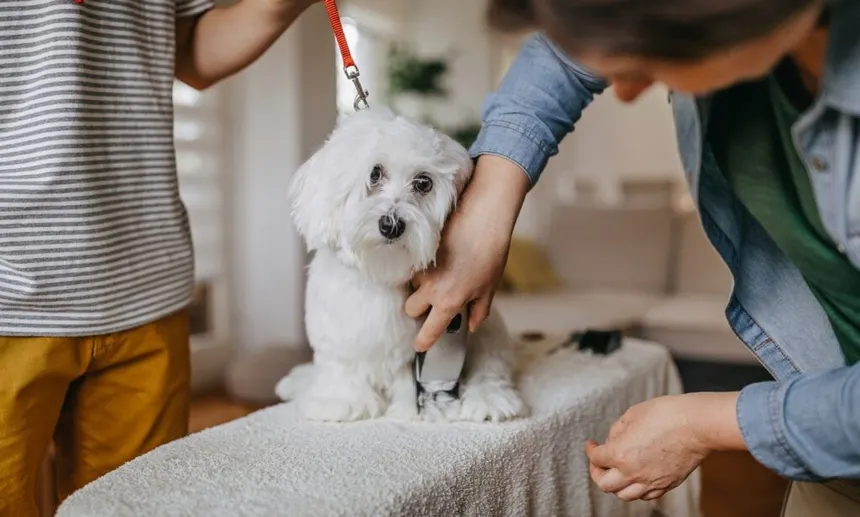
Credit: careerscollectiv.com
Brushing And Detangling
Brushing and detangling your dog’s coat is a key part of grooming. It helps keep your dog clean and comfortable. Regular brushing removes dirt, loose fur, and prevents mats. A smooth, tangle-free coat looks shiny and healthy.
Brushing also helps you check your dog’s skin for any problems. It improves blood flow and spreads natural oils. These oils protect the coat and keep it soft. Brushing can be a relaxing time for you and your dog.
Frequency For Different Breeds
Dogs with short hair need brushing once a week. Long-haired breeds require brushing several times a week. Thick coats or double coats need even more care. Breeds like Golden Retrievers or Collies benefit from daily brushing. Regular brushing prevents mats and keeps fur neat.
Handling Mats And Tangles
Start by gently separating small tangles with your fingers. Use a wide-tooth comb or a detangling brush for mats. Work slowly and be patient to avoid hurting your dog. For severe mats, use a mat splitter or seek a groomer’s help. Never cut mats with scissors as it can cause injury.
Benefits Of Regular Brushing
Brushing reduces shedding around your home. It helps keep your dog’s skin healthy by removing dead cells. Regular brushing lowers the risk of skin infections and irritations. It also strengthens the bond between you and your pet. A well-brushed coat means a happier, healthier dog.
Trimming And Clipping
Trimming and clipping are important parts of dog grooming. They keep your dog’s coat neat and help prevent skin problems. Regular trimming also makes your dog feel comfortable, especially in hot weather.
Using the right tools and techniques makes trimming safe and effective. Pay attention to your dog’s breed and coat type. Some dogs need more frequent clipping than others.
Safe Clipping Practices
Choose sharp, clean clippers made for dogs. Dull blades can hurt your pet. Start clipping slowly to avoid cuts. Hold the skin tight and clip in the direction of hair growth. Take breaks to calm your dog if needed. Check for any signs of irritation during clipping.
Trimming Nails And Ears
Trim your dog’s nails regularly to prevent pain and injury. Use nail clippers designed for pets. Cut small amounts to avoid hitting the quick, which causes bleeding. Clean your dog’s ears gently with a soft cloth. Avoid inserting anything deep into the ear canal. Regular ear care helps stop infections.
When To Visit A Professional Groomer
Some dogs need professional grooming for best results. Choose a groomer if your dog has a thick or curly coat. Professionals handle tricky trims and nail care safely. Visit a groomer if your dog shows stress during home grooming. They can also check for skin issues and give advice.

Credit: www.purina.com
Maintaining A Healthy Coat
A healthy coat shows a happy and well-cared-for dog. It protects your dog from the sun, cold, and dirt. A shiny, soft coat also means your dog is healthy inside. Maintaining your dog’s coat needs care and attention every day.
Diet And Nutrition Tips
Good food helps your dog’s coat stay shiny and strong. Choose dog food rich in omega-3 and omega-6 fatty acids. These fats help reduce dryness and itching. Protein is also important for healthy fur growth. Fresh water supports skin hydration and overall health. Avoid too many treats and unhealthy snacks. Balanced nutrition makes a big difference in your dog’s coat.
Regular Grooming Schedule
Brush your dog’s coat often to remove dirt and loose hair. Brushing spreads natural oils, keeping the coat shiny. The type of brush depends on your dog’s fur. Long-haired dogs need daily brushing. Short-haired dogs benefit from weekly grooming. Bathing should happen once a month or as needed. Use dog-friendly shampoos to avoid skin problems.
Identifying Coat Problems Early
Watch for signs like bald spots, redness, or flakes. These may show allergies, infections, or parasites. Early spotting helps prevent serious issues. Check your dog’s skin during grooming sessions. Look for bumps, sores, or unusual smells. Contact a vet if you see any problems. Early care keeps your dog comfortable and healthy.
Grooming Tips For Special Needs Dogs
Grooming special needs dogs requires patience and care. These pets need gentle handling to stay comfortable and safe. Their unique needs make grooming a bit different. Understanding these needs helps keep them happy and healthy. Below are useful tips for grooming special dogs.
Handling Senior Dogs
Senior dogs have fragile bodies. Move slowly and speak softly to calm them. Use a soft brush to avoid hurting their skin. Check their joints and muscles during grooming. Give frequent breaks to reduce stress and pain. Keep grooming sessions short but regular.
Care For Dogs With Sensitive Skin
Dogs with sensitive skin need mild products. Choose shampoos made for sensitive or allergy-prone skin. Avoid over-bathing to prevent dryness. Use lukewarm water to protect their skin. Gently pat dry with a soft towel. Watch for redness or irritation after grooming.
Grooming Puppies
Puppies need extra gentle grooming. Use a soft brush or comb to avoid pain. Start with short sessions to build trust. Praise your puppy to make grooming fun. Be careful with their small nails when trimming. Keep their coat clean to prevent matting early.
Frequently Asked Questions
How Often Should I Groom My Dog?
Groom your dog every 4 to 6 weeks for most breeds. Regular grooming keeps their coat healthy and reduces shedding. Some dogs with longer hair may need more frequent sessions to prevent mats and tangles.
What Tools Do I Need For Dog Grooming?
Essential tools include a slicker brush, comb, nail clippers, and dog shampoo. Depending on your dog’s coat, you may also need scissors or a grooming clipper. Always choose tools suitable for your dog’s size and coat type.
Can I Groom My Dog At Home Safely?
Yes, you can safely groom your dog at home with proper tools and patience. Start slowly, be gentle, and reward your dog. If unsure, watch tutorials or consult a professional groomer for guidance.
How Do I Prevent Matting In My Dog’s Fur?
Brush your dog’s coat regularly, especially if they have long hair. Use a detangling spray if needed. Regular grooming sessions help prevent painful mats and keep your dog comfortable.
Conclusion
Grooming your dog helps keep them healthy and happy. Regular brushing removes dirt and loose hair. It also prevents mats and skin problems. Bathing keeps your dog clean but don’t overdo it. Trim nails carefully to avoid pain or injury.
Check ears and teeth often for signs of trouble. A calm, gentle touch makes grooming easier for both. Small steps each day build a good routine. Your dog will enjoy the care and attention. Healthy fur and skin show your love clearly.
Keep grooming simple and consistent for best results.