

Have you ever wondered if it’s too late to teach an older dog new habits? If you’ve got an older furry friend at home, you might be asking yourself, “Can you kennel train an older dog?”
The good news is, yes—you absolutely can. Whether your dog is a rescue, newly adopted, or simply never trained before, kennel training can make life easier for both of you. Imagine having a calm, comfortable space where your dog feels safe and relaxed.
Keep reading, and you’ll discover simple, effective steps to help your older dog adjust to kennel training smoothly. Your patience will pay off, and your dog will thank you for it.

Credit: www.reddit.com
Benefits Of Kennel Training Older Dogs
Kennel training can bring many benefits to older dogs. It helps them feel secure and gives structure to their daily routine. Older dogs can learn new habits and enjoy a calmer lifestyle. Kennel training is a useful tool for both dogs and owners.
It creates a safe space for the dog and improves overall behavior. Training in a kennel helps older dogs adjust to changes in the home. It also supports health and safety for dogs of all ages.
Improved Behavior And Safety
Kennel training helps older dogs behave better indoors. It teaches them to respect boundaries and avoid destructive actions. Dogs learn to stay calm and quiet in their kennels. This reduces accidents and keeps both dogs and homes safe. Older dogs feel more secure in a space made just for them.
Easier Housebreaking
Older dogs can struggle with housebreaking, but kennels help. A kennel trains dogs to hold their bladder for longer. It guides them to go outside at the right time. This makes accidents less frequent and easier to manage. Consistent kennel use supports better bathroom habits.
Reduced Anxiety And Stress
Kennels create a peaceful place for older dogs. It lowers their stress by offering a familiar spot to relax. Dogs often feel anxious with new sounds or visitors. Kennel training helps them feel safe and calm during these times. This reduces fear and helps dogs cope better with change.
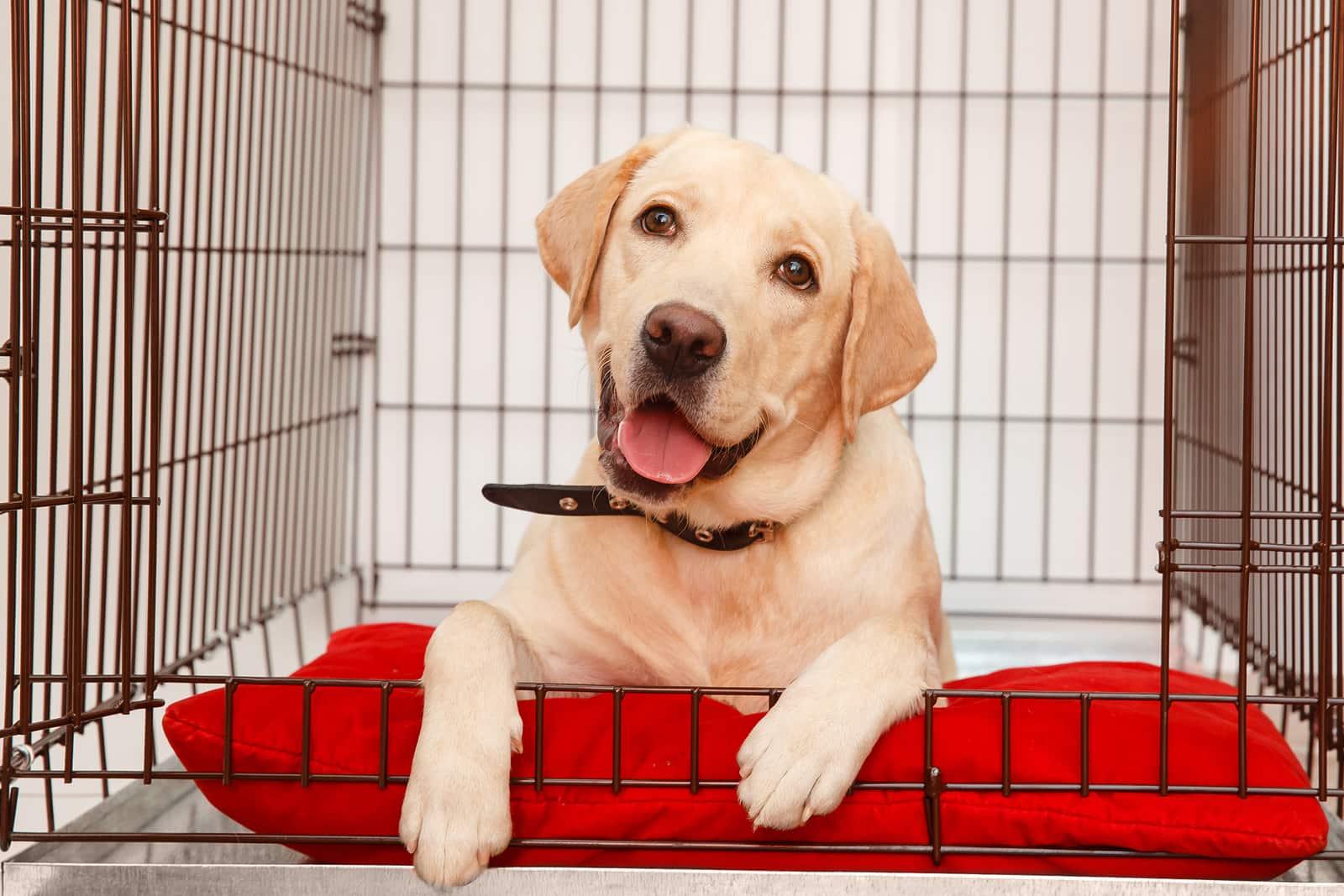
Credit: www.hillspet.com.au
Challenges With Older Dogs
Training an older dog to use a kennel can be rewarding but comes with unique challenges. These dogs have lived with certain routines for years. Changing those routines requires patience and understanding. Knowing these challenges helps set realistic expectations.
Habits And Past Experiences
Older dogs have strong habits from their past. They may resist new rules about kenneling. Past negative experiences with kennels can cause fear. Dogs learn by routine, and old habits die hard. Repetition and gentle guidance are essential to change behavior.
Physical Limitations
Older dogs often face physical issues. Joint pain or arthritis can make kenneling uncomfortable. They may struggle to climb into or stay inside the kennel. A soft bed or larger kennel can ease discomfort. Always consider health before starting kennel training.
Emotional Resistance
Older dogs can feel anxious about change. Separation anxiety might increase in a kennel. They may bark or try to escape. Building trust is key to reduce stress. Gradual introduction to the kennel helps calm their nerves.
Choosing The Right Kennel
Choosing the right kennel is key to successful training for an older dog. The kennel must feel safe and comfortable. It should suit your dog’s size and habits. The right kennel helps your dog relax and learn quickly. Consider size, material, and where you place it. These factors affect how your dog accepts the kennel.
Size And Comfort
The kennel should be big enough for your dog to stand, turn, and lie down. Too small feels cramped and causes stress. Too large may not give a cozy feeling. Add a soft bed or blanket for comfort. Older dogs need gentle support for joints and bones. Check the kennel space before buying. Comfort helps your dog enjoy the kennel time.
Material And Durability
Choose a kennel made from strong, safe materials. Metal kennels offer good ventilation and durability. Plastic kennels can feel more enclosed and secure. Avoid kennels with sharp edges or weak parts. Older dogs might chew or scratch. Pick a kennel easy to clean and maintain. Durable materials last longer and keep your dog safe.
Location And Setup
Place the kennel in a quiet, calm area of your home. Avoid noisy spots that might scare your dog. Keep the kennel away from direct sunlight or cold drafts. Make the area inviting with familiar toys or blankets. Use a calm voice and patience while introducing the kennel. A good setup helps your dog feel safe and trust the space.

Credit: www.diggs.pet
Step-by-step Kennel Training
Kennel training an older dog requires patience and a clear plan. Step-by-step training helps your dog feel safe and comfortable. Follow simple steps to make the kennel a positive place. This approach reduces stress and builds trust between you and your dog.
Introducing The Kennel Slowly
Start by placing the kennel in a quiet room. Leave the door open so your dog can explore. Put soft bedding inside to make it cozy. Allow your dog to enter and exit freely. Do not force your dog inside the kennel. Let curiosity guide your dog’s first steps.
Using Positive Reinforcement
Offer treats near and inside the kennel. Praise your dog with a happy voice. Use toys to create fun inside the kennel. Reward your dog for calm behavior in the kennel. Avoid punishment or negative tones. Positive moments help your dog enjoy the kennel.
Establishing A Routine
Pick specific times for kennel sessions daily. Use the kennel during quiet parts of the day. Keep the sessions short at first. Always give your dog a chance to rest outside. Routine helps your dog know what to expect. This builds comfort and good habits.
Gradually Increasing Kennel Time
Start with a few minutes inside the kennel. Slowly add more time each day. Check your dog’s mood and behavior often. If your dog seems stressed, shorten the session. Gradual increases help your dog adjust. Soon, your dog will see the kennel as a safe space.
Addressing Common Issues
Kennel training an older dog can bring challenges. Common issues may arise during the process. Addressing these problems with patience helps your dog adjust well.
Older dogs have habits. Some habits make kennel training harder. Understanding these common issues lets you handle them calmly. Focus on each problem step-by-step for the best results.
Dealing With Barking And Whining
Barking and whining are common in kennels. Dogs express discomfort or ask for attention. Ignore the noise at first to avoid reinforcing it. Reward quiet behavior with praise or treats. Create a comfortable, calm space inside the kennel. Soft bedding and familiar toys help. Gradually increase kennel time to build confidence. Consistency in your response reduces barking over time.
Managing Separation Anxiety
Separation anxiety can make kennel training tough. Dogs may panic when left alone. Start with short periods in the kennel. Stay nearby to offer comfort and reassurance. Use a calm voice to soothe your dog. Provide chew toys or treats to distract them. Never punish anxious behavior; it worsens fear. Slowly increase time alone as your dog grows comfortable. Patience helps ease anxiety and build trust.
Handling Resistance Or Fear
Fear of the kennel is common in older dogs. They may resist entering or stay tense inside. Introduce the kennel as a safe zone. Use treats and positive words to encourage entry. Let your dog explore the kennel freely at first. Avoid forcing them inside; it creates more fear. Spend time near the kennel to build trust. Gradual exposure and gentle encouragement reduce resistance.
Tips For Faster Results
Training an older dog to use a kennel can take time. Some methods help speed up the process. These tips focus on making training easier for you and your dog. They improve learning and build good habits fast.
Using these ideas creates a positive and clear routine. Your dog feels safe and understands what you want quickly. Consistency, fun, and careful watching are key parts of success.
Consistency And Patience
Keep a regular training schedule every day. Use the same commands and signals each time. This helps your dog know what to expect. Be patient; older dogs learn slower than puppies. Repeat lessons calmly and kindly. Avoid rushing or punishing your dog.
Incorporating Play And Treats
Make kennel time fun with toys and games. Give treats when your dog enters the kennel willingly. Rewards teach your dog to like the kennel space. Play breaks reduce stress and build trust. Use favorite toys to keep your dog interested.
Monitoring Progress And Adjusting
Watch your dog’s reactions during training. Note small improvements and any signs of stress. Change your approach if your dog feels anxious. Shorten training sessions if needed. Celebrate successes and fix problems early. Adjusting helps your dog stay happy and learn well.
When To Seek Professional Help
Training an older dog to use a kennel can be challenging. Sometimes, you might face problems beyond your control. Knowing when to seek help is important. Professional trainers or behaviorists can guide you through tough spots.
Recognizing Behavioral Problems
Some dogs show signs of stress in the kennel. They may bark loudly or try to escape. Aggression or anxiety can also appear. These behaviors often need expert attention. Ignoring them can make training harder.
Choosing A Trainer Or Behaviorist
Find someone with experience in older dog training. Check their credentials and reviews. A good trainer uses gentle, positive methods. They should explain steps clearly. Trust and comfort between you and the trainer matter.
Using Training Tools And Aids
Professional help may include special tools. These tools support safe and calm training. Examples are calming sprays, soft crates, or clickers. Trainers teach you how to use them well. Proper use speeds up kennel training.
Frequently Asked Questions
Can Older Dogs Learn Kennel Training Effectively?
Yes, older dogs can learn kennel training with patience and consistency. Their maturity often helps them adapt quickly to new routines and boundaries.
How Long Does Kennel Training Take For An Older Dog?
Kennel training duration varies but usually takes 2 to 4 weeks. Consistent schedules and positive reinforcement speed up the process for older dogs.
What Are The Best Tips For Kennel Training Older Dogs?
Use treats, praise, and patience when training older dogs. Create a calm, comfortable kennel space and maintain consistent routines for success.
Can Kennel Training Reduce Anxiety In Older Dogs?
Yes, kennel training can provide a safe, secure space that reduces anxiety. It helps older dogs feel calm and less stressed when alone.
Conclusion
Older dogs can learn to enjoy kennel training with patience. Start slow and keep sessions short. Use treats and praise to build trust. Consistency helps dogs feel safe and comfortable. Every dog learns at its own pace. Remember, kindness always wins.
Kennel training can improve your dog’s routine and your peace of mind. Give your older dog time and care. Success is possible with gentle guidance.

