

Are you worried because your puppy suddenly has diarrhea? You might be wondering if feeding them adult dog food is the cause.
It’s confusing to decide what’s best for your growing puppy, especially when their tummy acts up. Understanding how adult dog food affects your puppy’s digestion can help you keep them healthy and happy. Keep reading to find out why adult dog food might cause diarrhea in puppies and what you can do to avoid it.
Puppy Digestion Basics
Puppy digestion is not the same as adult dogs. Their tiny stomachs and growing bodies need special care. Understanding how puppies digest food helps explain why adult dog food might cause problems.
Each puppy processes food differently. Their digestive systems are still developing. This makes them more sensitive to certain ingredients and types of food.
How Puppy Stomachs Differ
Puppy stomachs are smaller and less acidic than adult dogs’. This means food passes through faster. Puppies produce fewer digestive enzymes. Their bodies cannot break down some foods easily.
Their gut bacteria also differ from adults. This affects how they absorb nutrients. Introducing adult dog food can upset this balance. It may lead to digestive issues like diarrhea.
Nutritional Needs Of Puppies
Puppies need more protein and fat than adult dogs. These nutrients support their rapid growth and energy needs. They also require certain vitamins and minerals in higher amounts.
Adult dog food often lacks these specific nutrients. It may have too much fiber or different ingredient ratios. This mismatch can overwhelm a puppy’s digestive system.
Proper puppy food supports healthy digestion. It helps build strong bones, muscles, and immune systems. Feeding the right food reduces the risk of stomach upset and diarrhea.
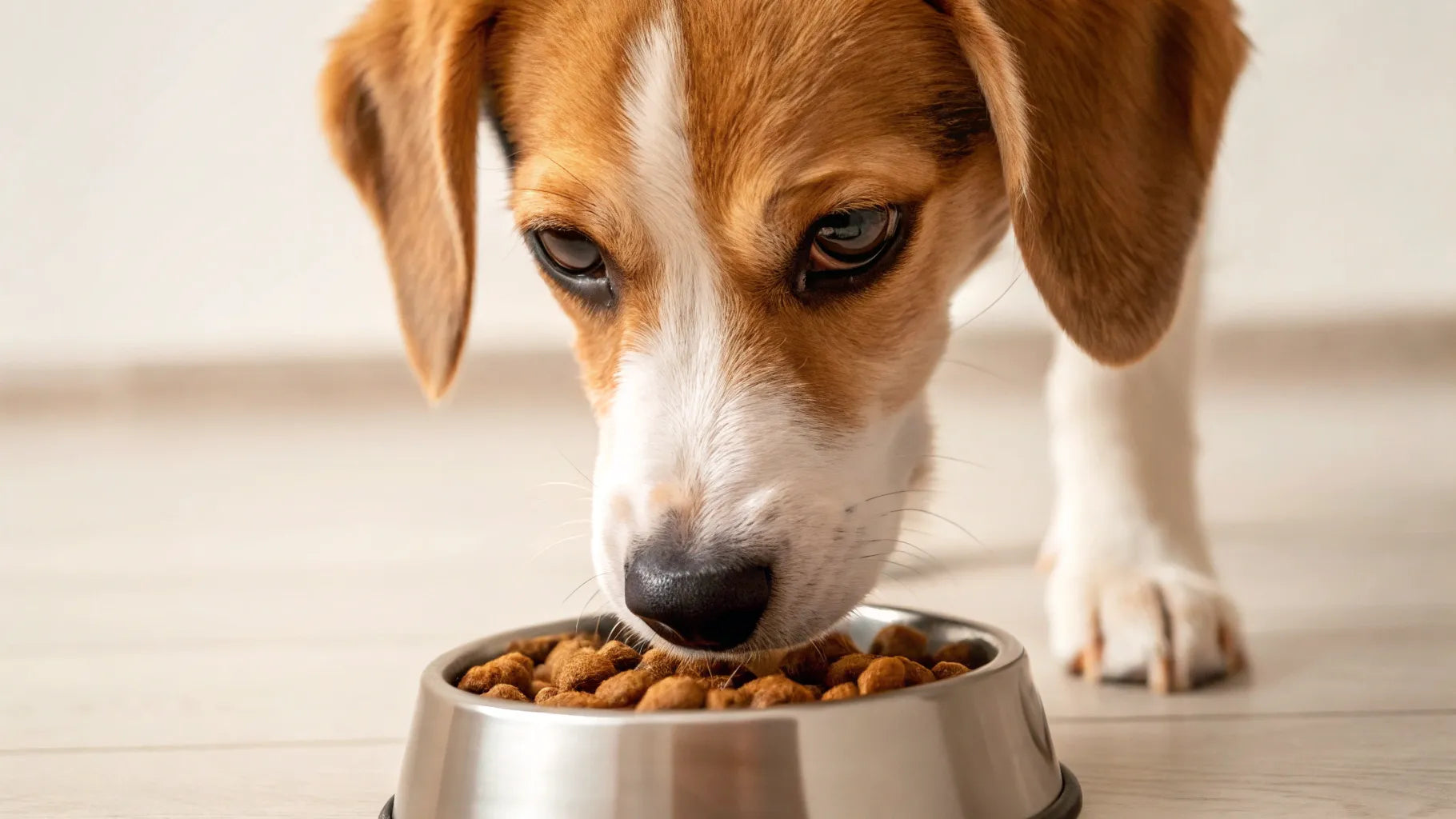
Credit: www.houndsy.com
Adult Dog Food Ingredients
Adult dog food ingredients differ from those in puppy food. Puppy digestion needs softer, easier-to-digest nutrients. Adult dog food often has a different balance of proteins, fats, and fibers. This change can affect a puppy’s stomach and digestion. Understanding these ingredients helps explain why puppies may get diarrhea from adult dog food.
Common Components In Adult Food
Adult dog food usually has more protein and fat. It includes ingredients like chicken, beef, grains, and vegetables. Fiber levels are higher to support adult digestion and weight control. Vitamins and minerals match adult dogs’ needs, not puppies’. These ingredients are firm and rich to maintain adult health.
Potential Irritants For Puppies
Some adult food ingredients can upset a puppy’s stomach. Higher protein and fat can be hard for puppies to digest. Fibers may cause loose stools or diarrhea. Certain additives or preservatives might irritate sensitive puppy tummies. Puppies need gentle, balanced nutrition to avoid digestive issues.
Why Adult Food May Cause Diarrhea
Puppies have different nutritional needs than adult dogs. Feeding them adult dog food may upset their stomach. This often leads to diarrhea. Understanding why adult food causes this helps keep puppies healthy.
High Protein And Fat Levels
Adult dog food usually has more protein and fat. Puppies’ digestive systems are still developing. They cannot handle rich, heavy meals well. Too much protein and fat can cause stomach upset. This leads to loose stools or diarrhea.
Lack Of Essential Nutrients For Puppies
Puppies need specific nutrients to grow properly. Adult dog food may lack these important elements. Nutrients like DHA and calcium support brain and bone growth. Without them, puppies may suffer digestive issues. This nutritional gap can cause diarrhea and poor health.
Sudden Diet Changes
Switching a puppy from puppy food to adult food too fast can cause problems. Their digestive system needs time to adjust. Sudden changes can disrupt gut bacteria balance. This often results in diarrhea. Gradual changes are important to avoid this issue.
Credit: www.bowlerspets.com
Recognizing Diarrhea In Puppies
Recognizing diarrhea in puppies is important for their health. Puppies are sensitive to diet changes, which can affect their digestion. Diarrhea can be a sign of discomfort or illness. It is crucial to notice the symptoms early to help your puppy feel better fast.
Diarrhea in puppies can look different from mild to severe. Watching closely helps you decide the next steps for care. Understanding what to look for is key to keeping your puppy healthy and happy.
Symptoms To Watch For
Loose or watery stools are the main sign of diarrhea. The stool may be frequent and soft. Your puppy might have a sudden urge to go outside. Watch for signs of discomfort or straining. Sometimes, you may see mucus or blood in the stool. A puppy with diarrhea might feel tired or less playful. Loss of appetite can also happen. Keep an eye on changes in behavior and energy.
When To Seek Veterinary Care
Take your puppy to the vet if diarrhea lasts more than 24 hours. Immediate care is needed if you see blood in the stool. Vomiting along with diarrhea requires urgent attention. Dehydration signs include dry gums and weakness. If your puppy refuses to eat or drink, call the vet. Puppies under 8 weeks old need quick medical help. Always choose care when symptoms worsen or do not improve.
Safe Feeding Practices
Feeding puppies the right food is key to keeping them healthy. Safe feeding practices help avoid stomach problems like diarrhea. Puppies need special care in their diet to grow strong. Using the right food and feeding method supports their digestion and overall health.
Choosing The Right Puppy Food
Puppies need food made just for their age. Puppy food has more nutrients for growth. Adult dog food lacks some vitamins puppies need. Feeding adult food can upset their stomach. Always pick a puppy formula from a trusted brand. Check the label for ingredients and age recommendations.
Transitioning Diets Smoothly
Switching foods too fast can cause diarrhea. Change food slowly over seven to ten days. Mix new food with old food gradually. Start with 25% new food, then increase each day. Watch your puppy for any signs of upset stomach. Slow transitions help puppies adjust without problems.
Portion Control Tips
Feed the right amount to avoid digestion issues. Follow feeding guidelines on the puppy food package. Divide daily food into several small meals. Overfeeding can cause diarrhea and discomfort. Underfeeding may lead to poor growth. Measure food portions carefully every day.
Home Remedies And Care
Taking care of a puppy with diarrhea is important to help them recover quickly. Home remedies and careful care can soothe their stomach and prevent dehydration. Watch your puppy closely and act gently to support their health.
Hydration Strategies
Diarrhea causes puppies to lose water fast. Offer small amounts of fresh water often. Avoid giving too much water at once. You can also use a pet electrolyte solution to replace lost minerals. Keep water clean and easily accessible at all times.
Probiotics And Supplements
Probiotics help balance good bacteria in the gut. They can improve digestion and reduce diarrhea. Use probiotic supplements made for puppies or add plain yogurt with live cultures. Supplements like pumpkin puree can calm the stomach. Avoid giving human medicines without vet advice.
Monitoring And Adjusting Diet
Stop feeding adult dog food to your puppy during diarrhea. Switch to a bland diet like boiled chicken and rice in small portions. Observe how your puppy reacts to food. Gradually reintroduce puppy food after diarrhea stops. Keep meals light and frequent to avoid stomach upset.
Preventing Future Digestive Issues
Preventing future digestive issues in puppies starts with good care. Puppies have sensitive stomachs that need gentle food and proper habits. Careful steps help keep your puppy healthy and avoid diarrhea and other problems.
Establishing A Feeding Routine
Feed your puppy at the same times every day. Consistent meals help their stomach adjust and work well. Avoid sudden changes in food type or amount. Small, frequent meals are better than large ones. This routine supports steady digestion and reduces tummy troubles.
Avoiding Harmful Foods
Keep your puppy away from foods that upset their stomach. Chocolate, onions, grapes, and fatty snacks cause digestive problems. Avoid giving adult dog food unless your vet says it is safe. Stick to puppy-specific food made for their needs. Fresh water should always be available to help digestion.
Regular Vet Check-ups
Take your puppy to the vet often to track their health. The vet can spot early signs of digestive issues. Vaccines and parasite checks protect against common causes of diarrhea. Follow the vet’s advice on diet and care to keep your puppy strong.

Credit: www.houndsy.com
Frequently Asked Questions
Can Adult Dog Food Cause Diarrhea In Puppies?
Adult dog food can cause diarrhea in puppies due to different nutrient levels. Puppies need specific nutrients for growth. Adult formulas may upset their digestive system.
Why Is Puppy Food Better Than Adult Dog Food?
Puppy food contains higher protein, fat, and essential nutrients. It supports healthy growth and development. Adult dog food lacks these important elements for puppies.
How Long Does Diarrhea Last If Puppies Eat Adult Food?
Diarrhea from adult dog food usually lasts a few days. If it persists beyond 48 hours, consult a veterinarian for proper care.
Can Feeding Adult Dog Food Harm My Puppy’s Health?
Yes, feeding adult food can lead to nutritional deficiencies and digestive issues. Puppies require balanced diets tailored to their growth stages to stay healthy.
Conclusion
Adult dog food can upset a puppy’s stomach and cause diarrhea. Puppies need food made just for them. Their bodies are still growing and need extra nutrients. Feeding adult dog food often leads to digestive problems. Always choose puppy food to keep their tummy happy.
Watch for any signs of discomfort or loose stools. A healthy diet helps puppies grow strong and healthy. Taking care with their food now prevents problems later. Puppies deserve the best nutrition for a bright future.


