

Training your dog to go potty outside can feel like a big challenge. You might wonder, “How long does it take to house train a dog?” The answer isn’t always simple, but understanding what affects the process can make it easier for you.
Imagine fewer accidents, less stress, and a happier home. This guide will help you learn what to expect, how to speed up the training, and avoid common mistakes. Keep reading to discover practical tips that will get your dog house trained faster than you think.
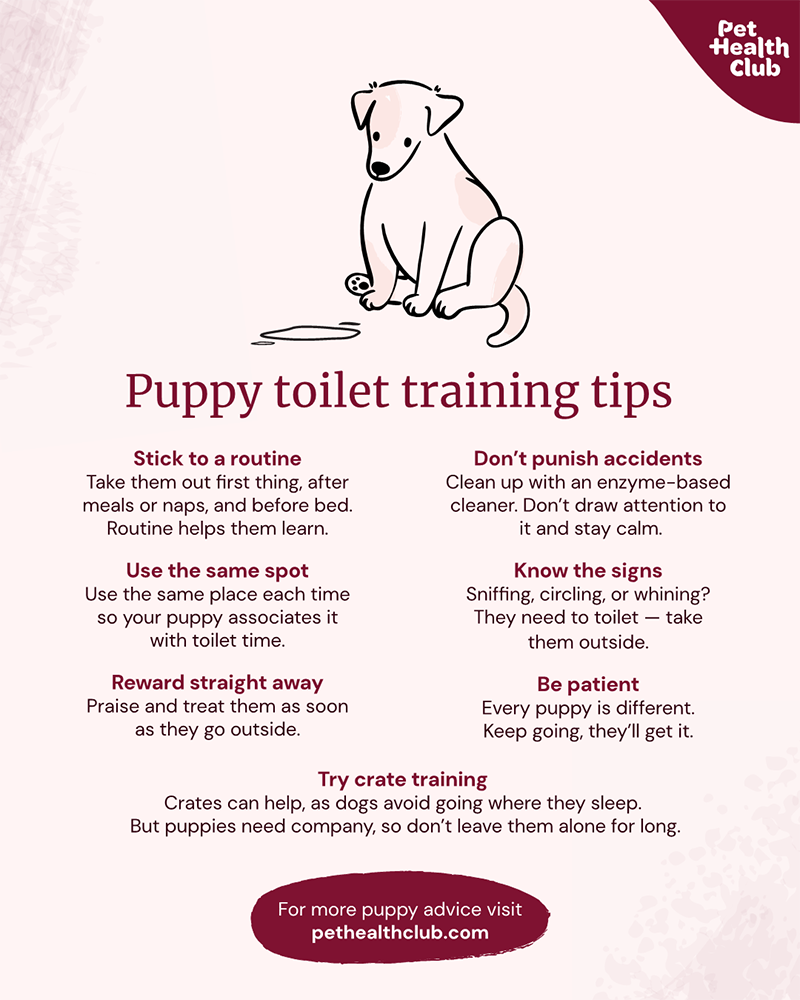
Credit: www.pethealthclub.com
Factors Affecting Training Time
House training a dog varies for each pet. Several factors affect how fast a dog learns. Understanding these can help set realistic goals. Training time depends on traits like breed, age, and personality. Past experiences also play a role. Knowing these details helps you plan better and stay patient.
Breed And Age Influence
Some breeds learn faster than others. Small breeds often pick up house rules quicker. Larger breeds may need more time and patience. Puppies usually learn faster than adult dogs. Older dogs might take longer to adapt. Age affects bladder control, which impacts training speed.
Temperament And Personality
Each dog has a unique personality. Calm dogs often follow routines well. Nervous or shy dogs may need extra time. Energetic dogs might get distracted easily. Consistency helps all temperaments learn faster. Understanding your dog’s mood aids effective training.
Previous Training Experience
Dogs with past training catch on quicker. They know basic commands and house rules. Untrained dogs start from zero. Past bad habits can slow progress. Patience and repetition break old habits. Building trust and clear signals improve learning.
Credit: www.purina.com
Typical Training Timeline
House training a dog follows a clear timeline. Each phase builds on the last. Understanding this helps set realistic expectations. Patience and consistency are key to success. The typical training timeline covers learning, steady progress, and signs of success.
Initial Learning Phase
This phase lasts about one to two weeks. The dog learns where to go potty. Frequent trips outside help the dog connect the dots. Accidents happen but should be expected. Praise and rewards encourage the right behavior. This phase requires close attention and patience.
Consistency And Progress
After the first phase, training continues for several weeks. Routine becomes important to the dog. Feeding and potty times should stay consistent. The dog starts to signal when it needs to go out. Accidents decrease as the dog gains control. Consistent commands and schedules speed up progress.
Signs Of Successful Training
The dog waits to be let outside. It signals or goes to the door. Accidents are rare or no longer happen. The dog stays clean even when left alone briefly. House training is complete when the dog understands and follows rules. This stage can take four to six weeks or longer.
Effective House Training Techniques
Effective house training makes life easier for both you and your dog. It helps your dog learn where and when to go to the bathroom. This training takes patience and consistency. Using the right techniques speeds up the process and builds good habits.
Below are some key methods that work well for most dogs. Each technique supports your dog’s learning in a clear and kind way.
Establishing A Routine
Dogs thrive on routine. Set specific times for bathroom breaks. Take your dog outside first thing in the morning, after meals, and before bedtime. Regular trips help your dog understand when to go. Consistent timing reduces accidents inside the house. A steady schedule creates a sense of security for your dog.
Positive Reinforcement Methods
Reward good behavior immediately. Use treats, praise, or gentle petting. Positive feedback teaches your dog what you want. Avoid punishing mistakes. Instead, clean accidents quietly and move on. Encouragement motivates your dog to repeat good habits. This method builds trust and a strong bond.
Crate Training Benefits
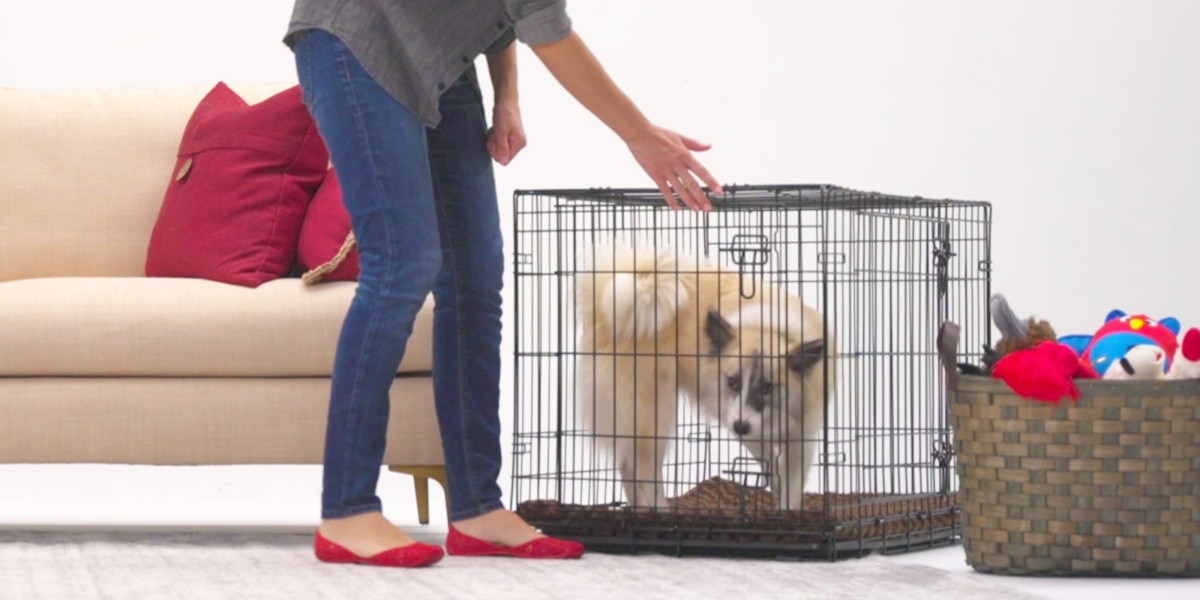
Crate training provides a safe space for your dog. Dogs dislike soiling their sleeping area. Use the crate for short periods at first. Gradually increase the time as your dog adjusts. Crates help control bathroom timing and prevent accidents. They also aid in teaching bladder control.

Credit: petcareadvisorusa.com
Common Challenges And Solutions
House training a dog can bring many challenges. These challenges can slow progress and cause frustration. Knowing common problems helps you stay calm and solve them quickly. This section covers typical issues and easy solutions. It guides you through accidents, regression, and distractions during training.
Accidents And How To Handle Them
Accidents happen with every dog learning. Stay calm and do not punish your dog. Clean the area well to remove odors. This stops your dog from returning there. Take your dog outside often to the right spot. Praise and reward your dog for going outside.
Dealing With Regression
Sometimes dogs forget their training. Stress, changes, or health can cause this. Return to basics and increase supervision. Use a crate or playpen if needed. Be patient and consistent. Give extra praise for good behavior. Keep a routine to help your dog focus.
Managing Distractions
Distractions make training harder. Dogs can lose focus with noises, people, or other pets. Train in quiet places first. Slowly add distractions as your dog improves. Use treats and praise to keep attention. Short, frequent training sessions work best. This builds good habits and focus over time.
Tools And Resources To Aid Training
Training a dog at home can feel hard. Tools and resources help make the process easier. They guide you step-by-step. They keep your dog motivated and focused. Using the right supplies and support speeds up house training.
Recommended Training Supplies
Start with a good crate. It helps your dog learn bladder control. Use puppy pads to protect floors. Treats are great rewards for good behavior. A clicker can mark the right action. A leash keeps your dog close during trips outside. Cleaning products remove accidents and stop repeat messes.
Helpful Apps And Online Guides
Apps track your dog’s bathroom schedule. They remind you when to take your dog out. Some apps offer training tips and videos. Online guides show clear steps for house training. Videos can help you see the process in action. Reading stories from other dog owners offers real advice.
Professional Training Assistance
Sometimes, you need extra help. Trainers give advice tailored to your dog. They teach effective commands and routines. Group classes provide social learning for dogs. Trainers spot problems early and fix them fast. They support owners with patience and skill.
Frequently Asked Questions
How Long Does It Usually Take To House Train A Dog?
House training a dog typically takes 4 to 6 months. Puppies learn at different rates, so patience and consistency are key. Regular potty breaks and positive reinforcement speed up progress.
What Factors Affect The Speed Of House Training?
Age, breed, and prior habits impact training speed. Younger dogs often learn faster. Consistent routines and dedicated training also improve results significantly.
How Can I Speed Up My Dog’s House Training?
Use a consistent schedule and reward good behavior immediately. Frequent outdoor breaks and supervision help prevent accidents. Patience and positive reinforcement are essential for faster success.
When Should I Expect My Dog To Be Fully Trained?
Most dogs become reliably house trained by six months. However, ongoing reinforcement and supervision may be needed for a year or more to maintain habits.
Conclusion
House training a dog takes patience and consistent effort. Every dog learns at its own pace. Some may take a few weeks, others longer. Staying calm and positive helps your dog learn better. Set a routine and stick to it daily.
Celebrate small successes to keep motivation high. Remember, accidents are normal and part of learning. With time and care, your dog will understand the rules. Enjoy the journey of teaching your furry friend good habits. Your effort will pay off with a well-trained dog.

