
Have you ever wondered how you can make a real difference in someone’s life by training service dogs? Becoming a dog trainer for service dogs is more than just teaching commands—it’s about building trust, changing lives, and opening doors for people who rely on these amazing animals every day.
If you want to turn your love for dogs into a rewarding career that truly matters, this guide will show you exactly how to get started and succeed. Keep reading, and discover the steps you need to take to become a skilled service dog trainer and make an impact that lasts a lifetime.
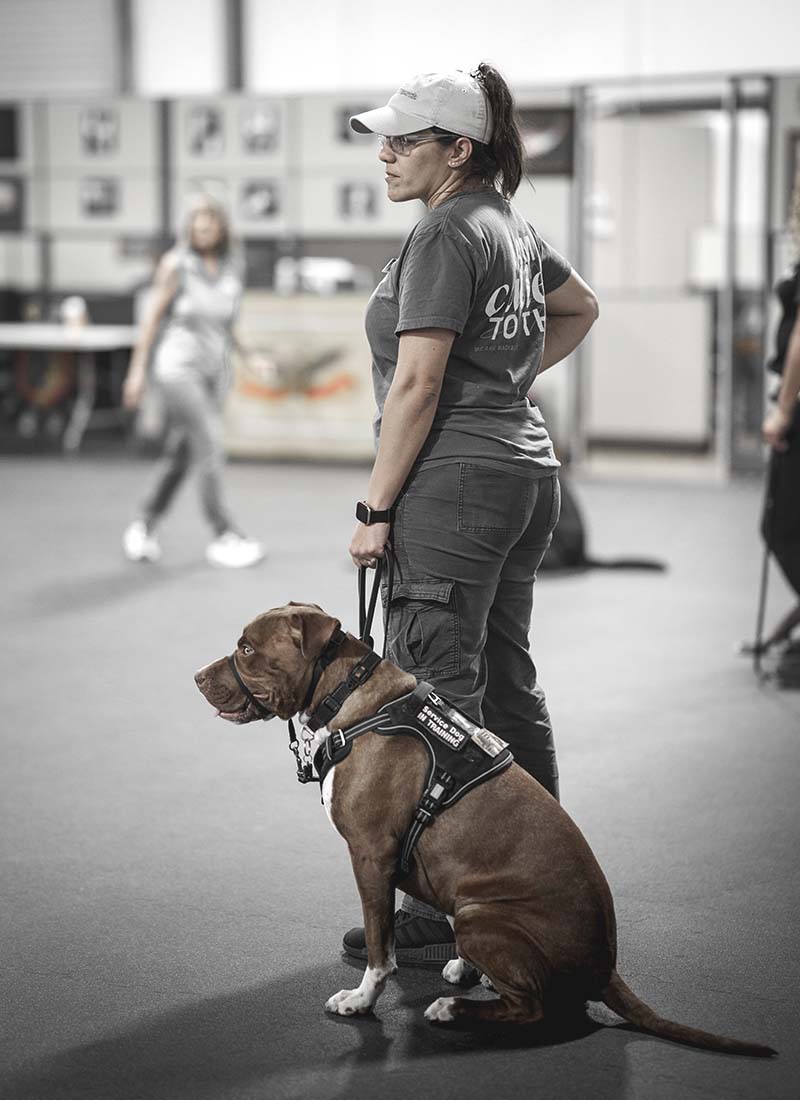
Credit: k9partnersforpatriots.com
Career Pathways In Service Dog Training
Career pathways in service dog training offer a chance to help people live better lives. Trainers work with dogs to prepare them for important roles. This path requires patience, skill, and a love for animals. There are many ways to enter this career, each with unique duties and focus areas.
Types Of Service Dogs
Service dogs serve many purposes. Some assist people with physical disabilities. Others help those with hearing or vision loss. There are dogs trained for medical alerts, like seizures or diabetes. Some dogs support people with mental health challenges. Each type requires special training methods and skills.
Roles Of A Service Dog Trainer
Service dog trainers teach dogs specific tasks. They work closely with both dogs and handlers. Trainers select dogs with the right traits for service work. They use positive reinforcement to build skills. Trainers also provide ongoing support after placement. Their work ensures dogs perform safely and reliably.

Credit: www.animalbehaviorcollege.com
Essential Skills And Qualifications
Becoming a dog trainer for service dogs requires specific skills and qualifications. These help trainers teach dogs to assist people with disabilities. Trainers need patience, knowledge, and the right education. This section covers the key traits and formal qualifications needed.
Key Personal Traits
Patience is vital when training service dogs. Dogs learn at different speeds. Trainers must stay calm and consistent. Compassion helps trainers understand dogs and handlers. A strong bond builds trust and improves training. Observation skills allow trainers to notice small changes in behavior. Problem-solving helps find ways to teach difficult tasks. Physical stamina is important for long training sessions. Trainers often work outdoors and need good health.
Formal Education And Certifications
A background in animal behavior or psychology is helpful. Many trainers study animal science or veterinary assisting. Certification shows a trainer’s skills and knowledge. Organizations like the International Association of Canine Professionals offer certificates. Some trainers complete apprenticeships or internships. These provide hands-on experience with service dogs. Continuing education is important to stay updated on training methods. Certification and education improve job chances and trust from clients.
Training Techniques And Methods
Training service dogs requires specific techniques and methods. These help dogs learn tasks and behave well in public. Trainers use clear, consistent ways to teach service dogs skills. Understanding these methods is key for anyone who wants to become a service dog trainer.
Positive Reinforcement
Positive reinforcement means rewarding good behavior. Trainers give treats, praise, or toys when dogs do the right thing. This encourages dogs to repeat the behavior. It builds trust between the dog and trainer. This method is gentle and effective for service dogs.
Behavioral Conditioning
Behavioral conditioning helps dogs learn through repetition. Trainers use commands and signals to shape behavior. They reward the dog for following instructions. Over time, the dog understands what is expected. This method helps dogs behave calmly and predictably.
Specialized Task Training
Specialized task training teaches dogs specific actions. These tasks assist people with disabilities. Examples include opening doors, picking up objects, and alerting to sounds. Trainers break tasks into small steps. They practice each step until the dog learns it well.

Credit: atlasdog.org
Gaining Practical Experience
Gaining practical experience is key to becoming a skilled service dog trainer. This hands-on learning builds your confidence and sharpens your skills. Working directly with dogs helps you understand their behavior and needs. Practical experience also teaches patience and consistency, which are vital traits for trainers.
Internships And Volunteering
Internships offer valuable real-world training experience. Many organizations accept volunteers to assist with service dog training. Volunteering lets you observe expert trainers and try basic tasks. You learn how to handle different dog breeds and temperaments. This experience improves your understanding of training techniques. Volunteering also helps you build connections in the dog training community.
Apprenticeships With Professionals
Apprenticeships provide in-depth learning under expert guidance. Working closely with a professional trainer lets you learn advanced methods. You gain hands-on experience in training service dogs for various needs. Apprenticeships teach problem-solving skills and how to customize training plans. This experience is essential for mastering the role of a service dog trainer. It also prepares you for a career in this specialized field.
Starting Your Own Service Dog Training Practice
Starting your own service dog training practice is a big step. It requires careful planning and strong relationships with clients. The work is rewarding but needs a clear plan and good communication skills. Understanding the basics helps you build a solid foundation for success.
Business Planning And Licensing
Creating a business plan is the first step. Outline your services, target clients, and pricing. Know the costs involved, such as equipment and space rental. Check local laws for necessary licenses and permits. Register your business officially to operate legally. Planning well saves time and avoids problems later.
Building Client Relationships
Clients trust you with their service dogs and needs. Listen carefully to their goals and concerns. Communicate clearly and regularly to keep them informed. Show patience and respect to build strong bonds. Happy clients recommend your services to others. Good relationships lead to long-term success.
Challenges And Rewards
Training service dogs is a journey full of both challenges and rewards. The path requires patience, skill, and strong dedication. Understanding the difficulties helps prepare trainers for success. Recognizing the rewards keeps them motivated through tough times.
Common Obstacles
Training service dogs takes time and effort. Each dog learns at its own pace. Some dogs may struggle with commands or focus. Trainers face daily challenges teaching tasks that are essential for the dog’s future role.
Physical demands can be high. Trainers spend long hours on their feet. They must handle large or energetic dogs safely. Emotional stress arises when progress is slow or setbacks happen.
Finding resources and support can be tough. Training materials and expert guidance are often costly or limited. Trainers need patience and creativity to overcome these hurdles.
Emotional And Professional Fulfillment
Seeing a service dog succeed brings deep joy. Trainers feel proud when dogs help people live better lives. The bond formed with the dog is strong and meaningful.
Helping others through service dog training is rewarding. Trainers contribute to the independence of people with disabilities. The work provides a sense of purpose and accomplishment.
Professionally, trainers gain valuable skills and knowledge. They grow in confidence with each success. This career offers a unique chance to make a real difference.
Resources For Ongoing Learning
Continuous learning is important for anyone who trains service dogs. The field changes often with new techniques and rules. Trainers must keep their skills fresh to help dogs succeed. There are many ways to learn beyond the basics. These resources help trainers stay updated and improve their work.
Workshops And Seminars
Workshops and seminars offer hands-on training and expert advice. Trainers meet others and share experiences. These events focus on practical skills and new methods. Many cover topics like behavior, health, and legal standards. Attending regularly helps trainers stay confident and skilled. Sessions often include live demonstrations and real questions.
Professional Organizations
Joining professional groups connects trainers with a wider community. These organizations provide resources like newsletters, guides, and forums. Members access updated research and training tools. They also offer certifications and continuing education. Being part of a group builds trust with clients. It shows a commitment to quality and ethics in training.
Frequently Asked Questions
What Qualifications Are Needed To Become A Service Dog Trainer?
To become a service dog trainer, you need knowledge of dog behavior, obedience training, and specific service tasks. A certification in dog training or animal behavior helps. Experience with service dogs and understanding disability laws are also important for success in this field.
How Long Does It Take To Train As A Service Dog Trainer?
Training to become a service dog trainer typically takes 6 months to 2 years. This includes formal education, hands-on experience, and certification. The exact duration depends on your prior knowledge, training program, and the complexity of service dog tasks you want to teach.
What Skills Are Essential For Training Service Dogs?
Essential skills include patience, communication, and problem-solving. Trainers must understand dog psychology and specific service tasks. Physical fitness and consistency in training methods are important. Empathy for people with disabilities and attention to detail also enhance a trainer’s effectiveness.
Can I Become A Service Dog Trainer Without Formal Education?
Yes, it is possible but challenging. Many trainers start as volunteers or apprentices with experienced professionals. Formal education improves credibility and knowledge. Certifications from recognized organizations boost career prospects and ensure you meet industry standards.
Conclusion
Becoming a service dog trainer takes patience and practice. You need to learn about dog behavior and training methods. Working with experienced trainers helps build your skills. Volunteering or internships offer valuable hands-on experience. Certification can improve your chances of success.
Remember, each dog learns at its own pace. Your dedication can change lives for the better. Start small, stay consistent, and keep learning. The journey may be tough, but it is rewarding. Service dogs provide crucial help to many people.
You can make a real difference by training them well.


