Does your dog shake, whine, or seem scared every time you get in the car? You’re not alone.
Many dogs feel anxious during car rides, making trips stressful for both of you. But it doesn’t have to be this way. Imagine your furry friend calm, happy, and relaxed every time you hit the road. You’ll discover simple, effective ways to help your dog overcome car anxiety.
Keep reading to transform your car rides into enjoyable moments for you and your best friend.

Credit: pawddrinks.com
Signs Of Car Anxiety In Dogs
Many dogs feel uneasy during car rides. Recognizing signs of car anxiety helps you support your pet better. Some dogs show clear signs, while others seem quieter but still stressed.
Understanding these signs is key to making travel calmer for your dog. Watch for changes in behavior or physical symptoms. Early detection can prevent bigger problems later.
Common Behavioral Symptoms
Restlessness is a common sign of car anxiety in dogs. They may pace or try to escape the vehicle. Some dogs whine, bark, or growl nervously. Others hide or cling tightly to their owner. Excessive drooling or panting without heat often shows worry. A dog may refuse to enter the car or freeze in place. These behaviors signal that your dog feels scared or stressed.
Physical Indicators To Watch
Look for trembling or shaking during the ride. Rapid breathing or heavy panting can indicate fear. Some dogs vomit or have diarrhea from nerves. Their eyes might look wide or glassy. Yawning often shows stress, not tiredness. Excessive licking of lips or nose also signals anxiety. Notice any sudden changes in heartbeat or body temperature, if possible. These physical signs confirm your dog’s discomfort in the car.

Credit: www.homeopet.com
Causes Of Car Anxiety
Many dogs feel uneasy or scared during car rides. Understanding the causes of car anxiety helps owners provide better care. Dogs react to different triggers. Knowing these triggers can guide steps to ease their fears.
Past Negative Experiences
Dogs remember bad moments in cars. A rough ride or loud noises can create fear. They may associate the car with pain or discomfort. These memories make future rides stressful.
Motion Sickness
Some dogs feel sick inside the car. Motion sickness causes nausea and dizziness. This physical discomfort makes them anxious. They may try to avoid car trips to escape feeling ill.
Lack Of Familiarity
Dogs not used to cars can feel unsure. Strange sights, sounds, and smells cause stress. A new environment can be overwhelming. Familiarity grows with gentle, short rides over time.
Preparing Your Dog For Car Rides
Preparing your dog for car rides helps reduce anxiety and stress. It makes the journey calmer and safer for both of you. A good start is to create a space that feels safe and familiar. Then, use items your dog loves. Slowly introduce your dog to car sounds and movements. This helps your dog get used to the ride without fear.
Creating A Comfortable Space
Set up a cozy area inside the car for your dog. Use a soft bed or blanket to make it inviting. Make sure the space is secure and not too small. A calm spot helps your dog relax during the trip. Avoid loud noises and sudden movements in this area.
Familiar Items And Scents
Bring your dog’s favorite toys or blankets along. Familiar smells provide comfort and reduce stress. You can also use a shirt with your scent on it. These items help your dog feel at home in the car. Keep them close so your dog can touch or smell them.
Gradual Exposure Techniques
Start with short car rides around the block. Let your dog explore the car while it is parked. Slowly increase the ride time over several days. Praise and reward your dog for calm behavior. This step-by-step approach builds confidence and reduces fear.
Calming Techniques During Rides
Car rides can be stressful for dogs with anxiety. Using calming techniques helps make the trip smoother. These methods reduce fear and create a peaceful environment. Try different approaches to see what works best for your dog.
Soothing Sounds And Music
Soft music calms many dogs during car rides. Choose gentle, slow melodies without sudden noises. Natural sounds like rain or ocean waves also help. Keep the volume low to avoid startling your dog. Music can distract and relax anxious pets.
Use Of Calming Aids
Calming aids provide extra comfort during travel. These include anxiety wraps or vests that apply gentle pressure. Herbal sprays or diffusers with lavender can soothe nerves. Some dogs respond well to calming treats or supplements. Always check with a vet before using any new product.
Positive Reinforcement
Praise your dog for calm behavior in the car. Give treats or gentle pets when they stay relaxed. Start with short trips and reward good behavior often. This teaches your dog that rides are safe and pleasant. Positive reinforcement builds confidence and reduces anxiety over time.
Safety Measures For Anxious Dogs
Keeping a dog safe during car rides is very important, especially for anxious dogs. Safety measures help reduce stress and protect your dog from injury. A calm and secure dog makes travel easier for both of you. Focus on proper restraints and good air flow inside the car. These steps improve comfort and safety for your furry friend.
Proper Restraints And Harnesses
Use a well-fitted harness designed for car travel. It keeps your dog secure and stops sudden movements. Seatbelt harnesses attach to the car’s seatbelt system. This prevents your dog from jumping or falling. Avoid using collars alone; they can hurt your dog during a stop. Choose padded harnesses for extra comfort. Check the fit before every trip. A snug harness helps your dog feel safe and calm.
Ventilation And Temperature Control
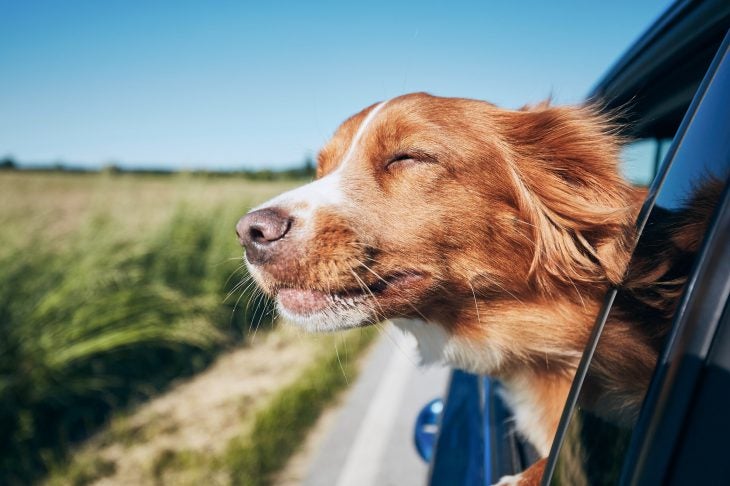
Good air circulation reduces anxiety and overheating. Keep windows slightly open but safe, allowing fresh air inside. Avoid strong drafts that may scare your dog. Use the car’s air conditioner or heater to keep a steady temperature. Hot or cold cars increase stress and risk health problems. Monitor your dog’s behavior and adjust airflow as needed. A comfortable environment helps your dog relax during the ride.
Credit: www.allivet.com
When To Seek Professional Help
Helping a dog with car anxiety can be tough. Some dogs show mild fear, while others suffer much more. Knowing when to seek professional help is key. Professionals can offer the right support and treatment. This step can improve your dog’s comfort and safety during rides.
Signs Of Severe Anxiety
Severe anxiety in dogs shows clear signs. They may shake, drool, or pant heavily. Some dogs bark or whine nonstop. Others try to escape or hide. Loss of appetite and vomiting are common too. These signs show your dog needs more help.
Options For Behavioral Therapy
Behavioral therapy helps dogs learn to relax in cars. A trainer or animal behaviorist works with you and your dog. They use techniques like desensitization and counter-conditioning. These methods teach your dog to feel safe. Therapy takes time but brings lasting results.
Medication Considerations
Some dogs benefit from medication to ease anxiety. A vet can prescribe safe drugs for travel stress. Medication helps calm your dog during car rides. It is not a quick fix but supports other treatments. Always follow the vet’s advice carefully.
Frequently Asked Questions
How Can I Calm My Dog’s Car Anxiety Quickly?
Use calming treats, play soothing music, and provide a cozy crate. Short, frequent trips help your dog get used to car rides gradually.
What Are The Signs Of Car Anxiety In Dogs?
Signs include panting, whining, drooling, pacing, or trembling. Some dogs may try to escape or refuse to enter the car.
Are Calming Products Effective For Dogs In Cars?
Yes, products like pheromone sprays, calming collars, or supplements can reduce anxiety. Always consult your vet before using any calming aids.
How To Prepare My Dog For Long Car Trips?
Start with short drives and gradually increase duration. Bring familiar toys, water, and take regular breaks for comfort and hydration.
Conclusion
Helping dogs with car anxiety takes patience and care. Start with short trips to build comfort. Use calming tools like blankets or favorite toys. Speak softly and offer gentle pets during rides. Remember, each dog learns at its own pace.
Consistency is key to reducing stress in the car. Soon, rides can become a calm and happy time. Keep trying and stay positive for the best results. Your dog will thank you with a wagging tail.