

Grooming your dog at home can save you time and money, but it can also strengthen the bond between you and your furry friend. You might wonder where to start or worry about making mistakes.
Don’t worry—this guide will walk you through simple, effective steps to keep your dog clean, comfortable, and looking great. By the end, you’ll feel confident handling grooming tasks yourself, turning what once seemed hard into an easy, enjoyable routine. Ready to learn how to groom your dog like a pro without leaving your house?
Let’s dive in!
Essential Grooming Tools
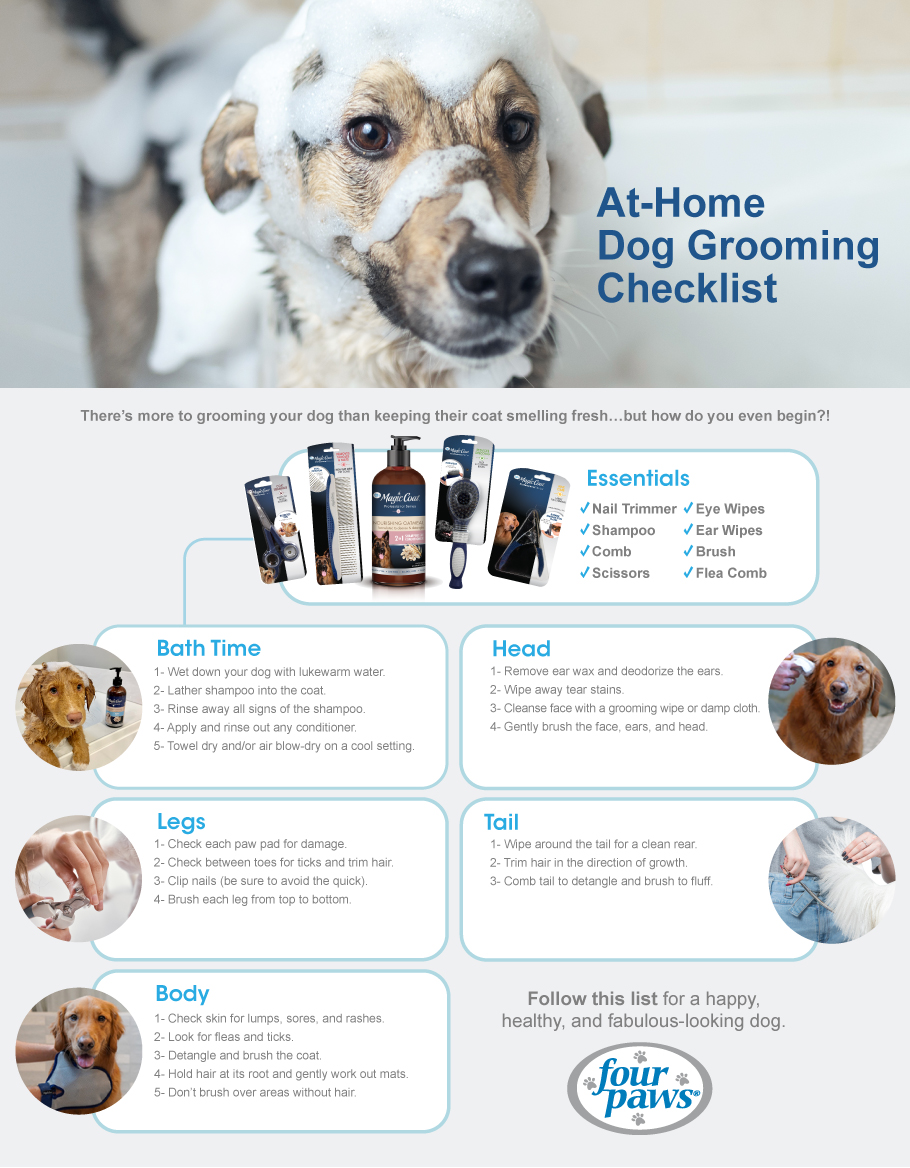
Grooming your dog at home needs the right tools. These tools make grooming easier and safer. Having the essentials helps keep your dog clean and healthy. Each tool has a special job in the grooming process.
Choosing The Right Brush
Pick a brush that fits your dog’s coat type. Soft brushes suit short hair well. Slicker brushes work best for long or curly fur. Brushing removes loose hair and dirt. It also stops mats from forming.
Selecting Clippers And Scissors
Use clippers designed for pet grooming. They cut fur without pulling or hurting the skin. Scissors help trim small areas like around the face. Choose scissors with rounded tips to avoid accidents. Keep clippers clean and sharp for the best results.
Nail Care Tools
Trim your dog’s nails with nail clippers made for pets. They are safer and easier to use. Nail grinders smooth sharp edges after clipping. Check nails regularly to prevent overgrowth. Nail care keeps your dog comfortable and prevents injury.
Bathing Supplies
Select gentle dog shampoo that suits your dog’s skin. Avoid human shampoo as it can cause irritation. Use a non-slip mat in the bath for safety. Have towels ready to dry your dog quickly after the bath. Bathing keeps your dog fresh and clean.
Credit: www.coralspringstransmissionrepair.com
Preparing Your Dog
Getting your dog ready for grooming is important. It helps your dog feel safe and relaxed. Preparation makes the whole process easier for both of you. Taking small steps can calm your dog before you start grooming.
Start by making sure your dog is comfortable with the tools and space. This helps reduce stress and makes grooming smoother. Pay attention to your dog’s mood and body language during preparation.
Creating A Calm Environment
Choose a quiet place with few distractions. Soft lighting and a warm room help your dog stay calm. Speak in a gentle voice to reassure your dog. Play soft music if it helps your dog relax.
Keep all grooming tools nearby to avoid leaving your dog alone. A calm environment reduces anxiety and helps your dog trust you.
Brushing Before Bathing
Brush your dog’s coat before the bath. This removes loose hair and dirt. Brushing stops mats and tangles from getting worse in water.
Use a brush suited to your dog’s fur type. Be gentle to avoid hurting your dog’s skin. Brushing also helps your dog get used to touch.
Checking For Skin Issues
Look closely at your dog’s skin during brushing. Check for redness, bumps, or sores. Notice any unusual smells or patches of hair loss.
Finding skin problems early can prevent bigger issues. Avoid bathing if you see serious skin problems. Instead, ask a vet for advice before grooming.
Bathing Techniques
Bathing your dog at home keeps them clean and healthy. It also helps you bond with your pet. Bath time can be easy and stress-free with the right techniques. Follow these tips to make the process smooth and safe for your dog.
Using Dog-friendly Shampoo
Choose a shampoo made for dogs. Human shampoos can irritate their skin. Look for gentle ingredients that clean without drying. Avoid products with strong scents or harsh chemicals. Apply shampoo evenly on wet fur. Massage gently to remove dirt and oil. Rinse well to prevent residue that can cause itching.
Water Temperature Tips
Use lukewarm water for bathing. Water that is too hot can burn your dog’s skin. Cold water can make your dog uncomfortable. Test the water on your wrist before starting. Keep the water steady and calm. Avoid spraying directly into the dog’s face or ears.
Drying Methods
Pat your dog dry with a soft towel. Do not rub hard as it may tangle fur. Use multiple towels if needed to absorb water. For long-haired dogs, use a blow dryer on low heat. Keep the dryer moving to avoid hot spots. Let your dog shake off extra water outside if possible.
Brushing And Dematting
Brushing and dematting are essential parts of dog grooming at home. Regular brushing keeps your dog’s coat clean and healthy. It also prevents mats and tangles that can hurt your dog’s skin. Dematting helps remove tough knots gently and safely. Both tasks improve your dog’s comfort and appearance.
Brushing Frequency
Brush your dog often to stop mats from forming. For short-haired dogs, brushing once a week is enough. Long-haired dogs need brushing every day or every other day. Puppies may need extra brushing to get used to the process. Adjust brushing based on your dog’s activity and coat condition.
Handling Tangles And Mats
Use a detangling spray or conditioner to soften mats. Start brushing from the edges of the mat gently. Hold the fur close to the skin to avoid pulling. Use a dematting comb or mat splitter for stubborn knots. Take breaks if your dog feels stressed. Cut mats only if they cannot be brushed out safely.
Coat Type Considerations
Different coats need different brushes. Slicker brushes work well for curly or long hair. Bristle brushes suit dogs with short, smooth coats. Pin brushes help remove loose hair and dirt. Learn your dog’s coat type to choose the right tools. Proper tools make grooming easier and more effective.
Trimming Fur
Trimming your dog’s fur at home keeps them clean and comfortable. It helps prevent mats and tangles. Regular trimming also keeps your dog cooler in warm weather. You do not need fancy tools, just the right clippers and scissors. Take your time and stay calm. Your dog will feel safe and relaxed.
Safe Clipping Practices
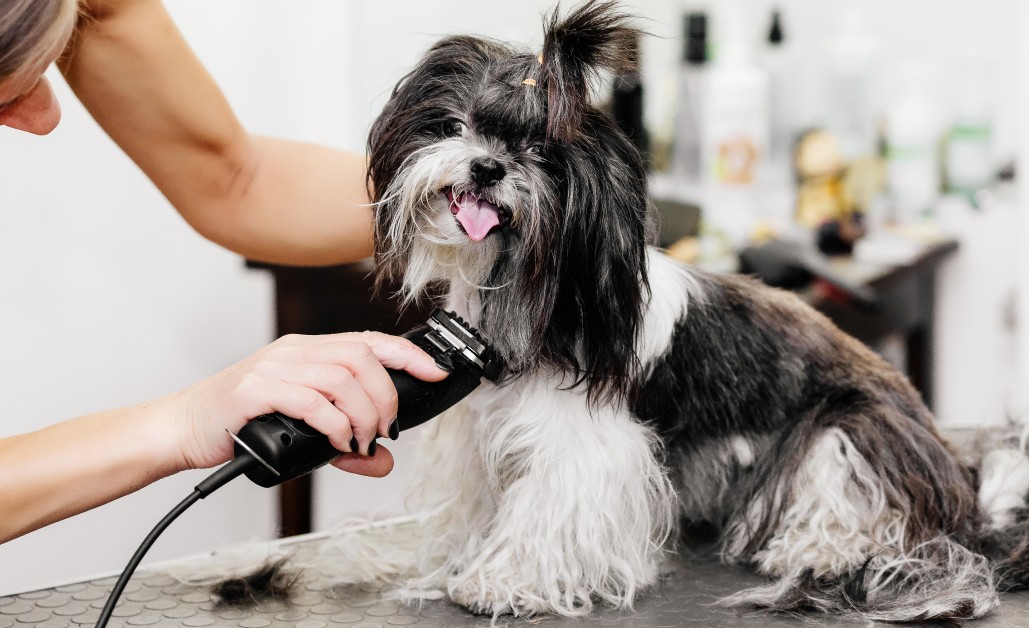
Use clippers made for dogs only. Keep the blades sharp and clean. Check your dog’s skin for cuts or sores before clipping. Start with a longer guard comb to avoid cutting too short. Clip in the direction of hair growth. Hold the skin tight to avoid pinching. Stop if your dog shows signs of pain or stress. Take breaks often to keep your dog calm.
Shaping Around Face And Paws
Use small scissors to trim near the eyes and ears. Cut little by little to avoid mistakes. Trim fur between the paw pads carefully. This helps prevent slipping and dirt buildup. Hold your dog’s paw gently but firmly. Be patient and gentle to keep your dog still. Always watch your dog’s reaction during trimming.
Avoiding Common Mistakes
Do not cut too close to the skin. Avoid using human scissors or dull blades. Do not rush; quick cuts can hurt your dog. Avoid trimming when your dog is tired or upset. Do not ignore mats; cut them out carefully. Avoid pulling on tangled fur. Always reward your dog after grooming for good behavior.
Nail Trimming
Nail trimming is an important part of grooming your dog at home. Keeping nails short prevents discomfort and injuries. Long nails can cause walking problems and pain. Trimming nails regularly helps maintain your dog’s health and happiness.
Recognizing Quick And Blood Vessels
The quick is the pink area inside your dog’s nail. It contains blood vessels and nerves. Cutting into the quick causes pain and bleeding. For dogs with dark nails, the quick is harder to see. Trim small bits at a time to avoid cutting the quick.
Using Clippers Safely
Use a sharp, dog-specific nail clipper. Hold your dog’s paw firmly but gently. Clip the nail tip straight across, not at an angle. Stop trimming when you see a white or gray oval shape. Clean any bleeding with styptic powder or cornstarch.
Alternatives To Clipping
Grinding nails with a nail grinder is a good option. It smooths nails without sharp edges. Use the grinder in short bursts and watch your dog’s reaction. Some dogs prefer filing nails over clipping. Choose the method that suits your dog best.
Ear And Teeth Care
Taking care of your dog’s ears and teeth is important for their health. Clean ears and healthy teeth help prevent pain and infections. Regular attention keeps your dog happy and comfortable.
Cleaning Ears Gently
Use a soft cloth or cotton ball with a vet-approved cleaner. Wipe the inside of the ear carefully. Avoid pushing deep into the ear canal. Look for dirt, wax, or bad smell. Clean ears once a week or as needed.
Brushing Teeth Regularly
Choose a dog toothbrush and toothpaste made for pets. Brush your dog’s teeth in small circles. Focus on the back teeth where plaque builds up. Brush at least two times a week. This helps stop bad breath and tooth decay.
Preventing Infections
Check ears and mouth often for redness or swelling. Watch for signs like scratching, shaking, or bad breath. Keep ears dry after baths or swimming. Visit the vet if you notice pain or unusual discharge. Early care avoids serious infections.
Credit: www.petassure.com
Maintaining Grooming Routine
Keeping a regular grooming routine helps your dog stay clean and healthy. It also builds trust and comfort between you and your pet. Consistency is key to avoid skin problems and tangled fur. A steady routine makes grooming easier over time.
Setting A Schedule
Choose specific days for grooming sessions. Stick to these days each week or month. Short, frequent sessions work better than long, rare ones. This keeps your dog relaxed and less stressed. Mark the schedule on your calendar to remember.
Monitoring Skin And Coat Health
Check your dog’s skin and fur during each grooming. Look for redness, bumps, or hair loss. Healthy skin should be smooth and free of flakes. Fur should be shiny and not tangled. Early spotting helps prevent bigger problems later.
Rewarding Your Dog
Give treats or praise after grooming. This creates a positive feeling about grooming. Use small, tasty treats your dog loves. Gentle petting and kind words also help. Rewards make your dog eager for the next grooming time.

Credit: smart.dhgate.com
Frequently Asked Questions
How Often Should I Groom My Dog At Home?
Groom your dog every 4 to 6 weeks to maintain cleanliness and health. Regular grooming prevents mats, reduces shedding, and keeps skin healthy. Frequency varies with breed, coat type, and activity level. Short-haired dogs may need less frequent grooming than long-haired breeds.
What Tools Do I Need For Home Dog Grooming?
Essential tools include a slicker brush, comb, nail clippers, dog shampoo, and grooming scissors. Choose tools based on your dog’s coat type and size. Proper tools ensure safe, effective grooming and reduce stress for your pet.
How Can I Safely Trim My Dog’s Nails At Home?
Use sharp, dog-specific nail clippers and trim small amounts gradually. Avoid cutting the quick, which causes pain and bleeding. If unsure, seek guidance or watch instructional videos. Regular nail trimming prevents discomfort and paw problems.
What Are The Best Tips For Bathing My Dog At Home?
Use lukewarm water and dog-friendly shampoo to avoid skin irritation. Rinse thoroughly to remove all shampoo residue. Dry your dog with a towel or low-heat dryer. Bathing frequency depends on breed and activity but generally every 4 to 6 weeks.
Conclusion
Grooming your dog at home is simple and rewarding. Regular brushing keeps their coat healthy and clean. Bathing with gentle shampoo helps avoid skin problems. Trim nails carefully to prevent discomfort or injury. Check ears and teeth often for signs of trouble.
Stay calm and patient during each step. Your dog will enjoy the attention and care. Small efforts make a big difference in their happiness. Try these tips to build a strong bond with your pet. Keep grooming easy, safe, and part of your routine.

