

How often should you groom your dog? If you’ve ever wondered about the right grooming schedule, you’re not alone.
Keeping your dog clean and healthy goes beyond just looking good—it affects their comfort, skin health, and overall happiness. But how do you know when it’s time for a bath, a trim, or a full grooming session? You’ll discover simple, practical answers tailored to your dog’s breed, age, and lifestyle.
Stick around, because getting this right will make your furry friend feel loved and cared for every day.
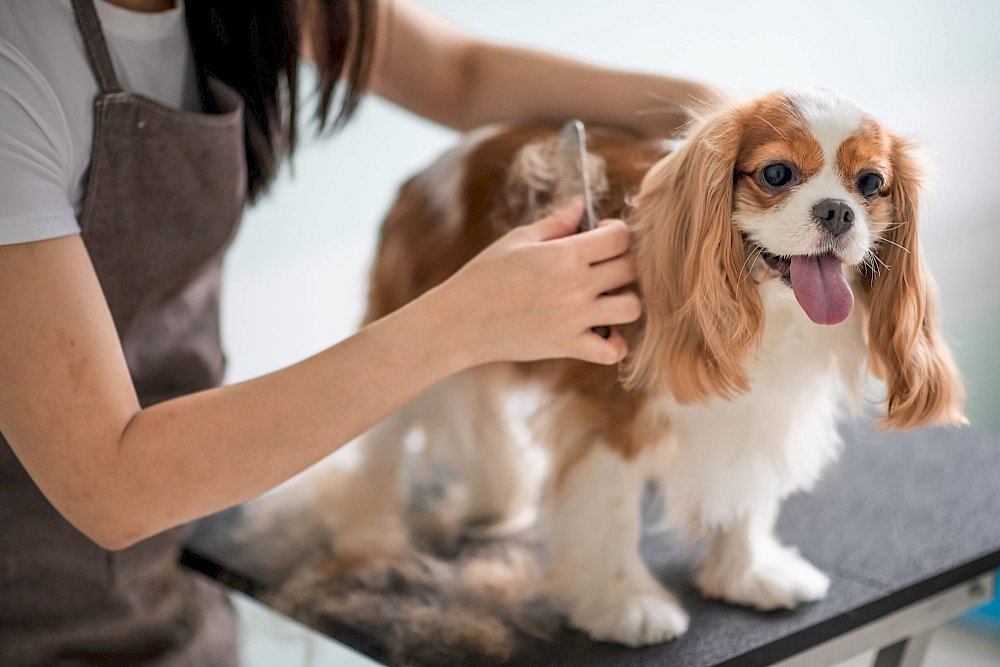
Credit: www.brodieanimalhospital.com
Grooming Frequency By Breed
Different dog breeds need different grooming schedules. Their coat type affects how often they should be groomed. Regular grooming keeps dogs clean, healthy, and comfortable. Understanding your dog’s breed helps you plan grooming sessions well.
Short-haired Dogs
Short-haired dogs have smooth, close coats. They shed less but still need weekly brushing. Grooming every 4 to 6 weeks is enough. Bathing can be done as needed, depending on dirt and smell.
Long-haired Breeds
Long-haired dogs need frequent grooming. Their coats can tangle and mat easily. Brush them daily to avoid knots. Grooming every 4 weeks keeps their fur clean and healthy. Regular trims help maintain their coat shape.
Double-coated Dogs
Double-coated dogs have two fur layers. They shed heavily twice a year. Brush them weekly to remove loose hair. Grooming every 6 to 8 weeks works well. Extra brushing during shedding season helps control fur.
Hairless Varieties
Hairless dogs need less brushing but more skin care. Bathing every 1 to 2 weeks keeps their skin healthy. Moisturize to prevent dryness and irritation. Check their skin regularly for any issues.

Credit: spacedmagazine.com
Signs Your Dog Needs Grooming
Dogs need regular grooming to stay healthy and happy. Their coats and skin show signs when grooming is overdue. Recognizing these signs helps you care for your dog better. Watch closely for changes in fur and skin condition.
Matted Fur And Tangles
Matted fur looks clumped and feels hard. It pulls on your dog’s skin and causes pain. Tangles trap dirt and moisture, leading to infections. Regular brushing stops mats from forming. Check your dog’s coat often for knots.
Skin Irritations
Red or itchy spots on skin show irritation. Scratching or biting signals discomfort. Dry, flaky patches or sores need attention. Skin problems can worsen without grooming. Clean and trim fur to keep skin healthy.
Unpleasant Odors
A strong bad smell means your dog needs grooming. Dirt, oils, and bacteria build up over time. Bathing helps remove odors and freshen your dog. Pay attention to ears and paws where smell often starts.
Excessive Shedding
Shedding is normal, but lots of loose fur is a warning. It can mean your dog needs brushing or a check-up. Removing loose fur stops mats and keeps your home clean. Groom regularly to manage shedding better.
Essential Grooming Tasks
Essential grooming tasks keep your dog healthy and happy. Regular care prevents skin problems and infections. Grooming also helps you check for ticks, fleas, or injuries early. These tasks are simple but vital for your pet’s well-being.
Brushing And Combing
Brushing removes loose fur and dirt. It stops matting and tangles in the coat. Combing reaches deep into thick fur. Use a brush suited to your dog’s coat type. Brush your dog gently to avoid hurting the skin.
Bathing Tips
Bath your dog with warm water and mild shampoo. Avoid using human shampoo as it can dry their skin. Rinse thoroughly to remove all shampoo. Dry your dog well to prevent chills. Bathing too often can strip natural oils from the coat.
Nail Trimming
Trim your dog’s nails regularly to avoid overgrowth. Long nails cause discomfort and affect walking. Use nail clippers made for dogs. Cut a small amount at a time to prevent bleeding. If unsure, ask a vet or groomer for help.
Ear Cleaning
Check your dog’s ears for dirt or wax build-up. Clean the ears with a damp cloth or vet-approved solution. Never insert objects deep into the ear canal. Clean ears prevent infections and bad smells. Do this task gently to avoid pain.
Teeth Brushing
Brush your dog’s teeth to stop plaque and bad breath. Use a toothbrush and toothpaste made for dogs. Regular brushing supports healthy gums and teeth. Start slowly to make your dog comfortable. Dental care helps prevent serious health issues.
Seasonal Grooming Adjustments
Seasonal grooming adjustments help keep your dog comfortable all year. Different seasons bring changes in weather and environment. These changes affect your dog’s skin, coat, and overall health. Adapting grooming routines to each season supports your dog’s wellbeing.
Winter Coat Care
Winter needs special care for your dog’s thick coat. Brushing often removes loose hair and prevents mats. Mats can trap moisture and cause skin problems. Bathing less in winter keeps natural oils intact. These oils protect skin from dryness and cracking. Check paws regularly for ice or salt buildup. Use paw balm to protect pads from cold and rough surfaces.
Summer Cooling Strategies
Summer grooming focuses on keeping your dog cool and safe. Shorten the coat by trimming to allow better air flow. Avoid shaving too close, as fur protects against sunburn. Brush daily to remove dead hair and reduce heat. Check for ticks and fleas, more active in warm months. Keep your dog hydrated and avoid grooming in the hottest hours.
Benefits Of Regular Grooming
Regular grooming offers many benefits for dogs. It helps keep your pet healthy and happy. Grooming is more than just making your dog look good. It plays a key role in your dog’s overall well-being.
Here are some important benefits of grooming your dog regularly.
Improved Skin Health
Brushing removes dead skin and loose hair. It stops skin problems like dryness or irritation. Grooming spreads natural oils that keep the skin soft. Clean skin helps prevent infections and itching.
Reduced Allergens
Regular grooming lowers allergens on your dog’s fur. It cuts down dust, pollen, and dander. This helps family members with allergies breathe easier. A cleaner coat means less chance of allergy symptoms.
Early Detection Of Health Issues
Grooming lets you spot problems early. You can find lumps, bumps, or wounds quickly. Early detection means faster treatment and better recovery. It also helps catch parasites like ticks and fleas.
Enhanced Appearance
Grooming keeps your dog looking neat and fresh. A well-groomed dog has shiny fur and clean nails. It shows that your dog is well cared for. A good appearance boosts your dog’s confidence too.
Choosing A Grooming Schedule
Picking the right grooming schedule helps keep your dog healthy and happy. Regular grooming prevents mats, skin problems, and bad odors. It also lets you check your dog for ticks, cuts, or lumps. Each dog is unique, so their grooming needs vary. Consider your dog’s age, activity, and care style to find the best routine.
Age Considerations
Puppies need gentle grooming to get used to touch. Start with short sessions and increase time slowly. Older dogs may need more frequent grooming to keep their coat clean. Senior dogs can have sensitive skin that requires softer brushes. Adjust your schedule as your dog grows and changes.
Activity Level Impact
Active dogs get dirtier and may need grooming more often. Dogs that play outside daily may need weekly baths and brushing. Less active dogs can stay clean with grooming every few weeks. Check their coat regularly for tangles or dirt. Activity level affects how often you should groom.
Professional Grooming Vs. Home Care
Professional groomers provide baths, haircuts, nail trims, and ear cleaning. They have tools and skills to handle all coat types. Home care includes brushing, bathing, and checking for issues. Many owners combine both for best results. Choose a schedule that balances professional visits with home care.
Tools Every Dog Owner Needs
Proper grooming keeps dogs healthy and happy. Having the right tools makes grooming easier and safer. Every dog owner should have a basic set of grooming supplies. These tools help manage fur, skin, nails, and ears.
Brush Types
Brushes remove dirt and loose hair. They prevent mats and tangles. Slicker brushes work well for thick coats. Bristle brushes suit short-haired dogs. Pin brushes help with long, curly fur. Choose brushes based on your dog’s coat type.
Shampoo Selection
Dogs need gentle shampoos made for pets. Human shampoo can irritate their skin. Choose shampoos that match your dog’s skin type. Sensitive skin shampoos reduce itching. Medicated shampoos treat skin problems. Always rinse well to avoid residue.
Nail Clippers
Clipping nails keeps paws healthy. Long nails cause pain and walking issues. Use clippers designed for dogs. Guillotine clippers are easy to use. Scissor clippers work for larger nails. Trim nails carefully to avoid cutting quicks.
Ear Care Products
Clean ears prevent infections. Use ear cleaning solutions made for dogs. Avoid using cotton swabs inside ears. Soft cotton balls or pads work best. Clean ears regularly but gently. Watch for redness or bad odor as signs of infection.
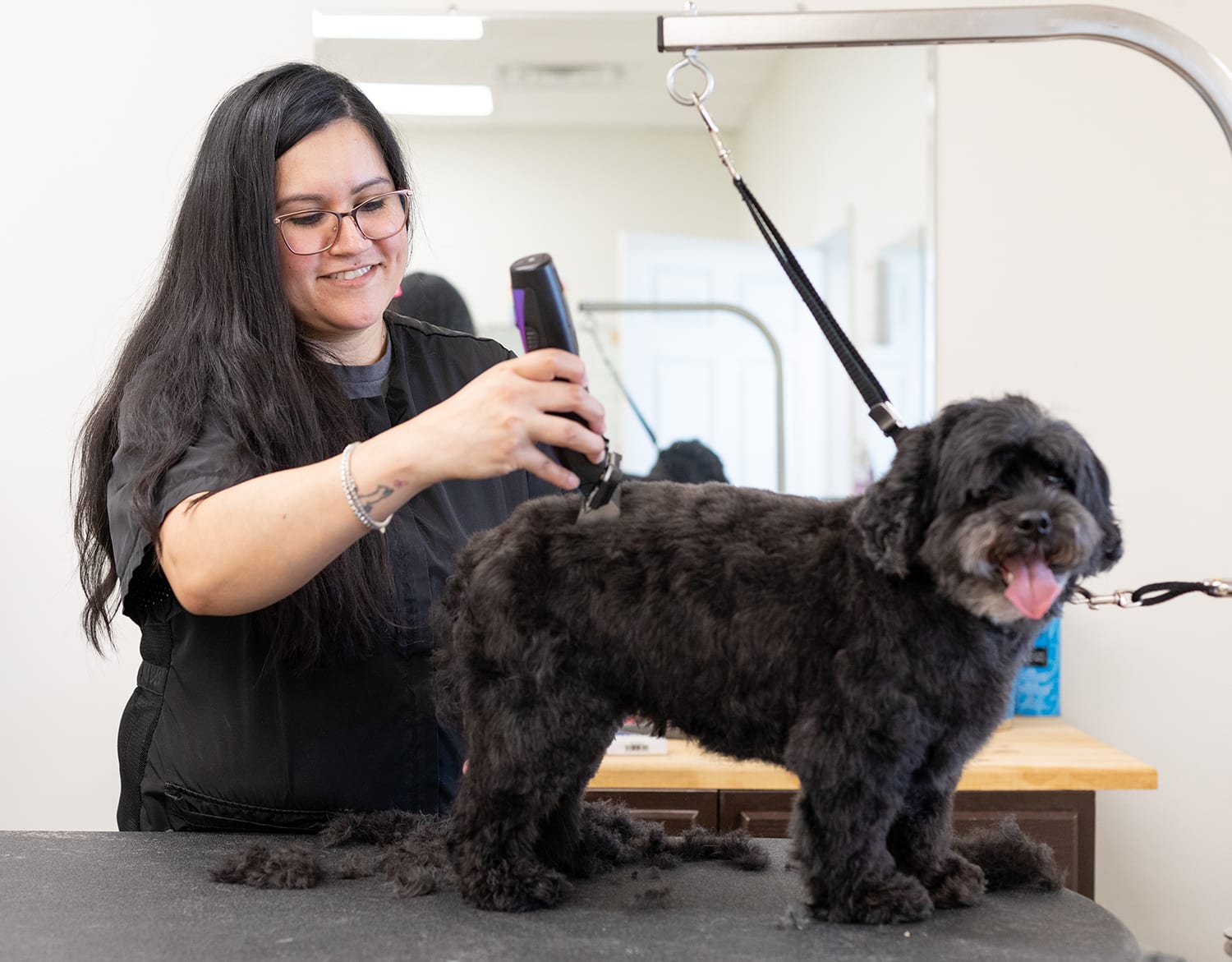
Credit: smoochie-pooch.com
Frequently Asked Questions
How Often Should I Groom My Dog At Home?
Groom your dog at home every 1 to 2 weeks to keep their coat clean. Regular brushing prevents mats and reduces shedding. Check ears and trim nails monthly for overall hygiene and comfort.
How Frequently Does A Dog Need Professional Grooming?
Professional grooming is recommended every 4 to 8 weeks, depending on breed and coat type. Long-haired dogs need more frequent visits, while short-haired breeds require less. Regular grooming maintains coat health and prevents skin issues.
Does Dog Breed Affect Grooming Frequency?
Yes, dog breed greatly affects grooming frequency. Long-haired breeds like Shih Tzus need grooming every 4-6 weeks. Short-haired breeds like Beagles require less frequent grooming, usually every 8-12 weeks.
Can Grooming Too Often Harm My Dog’s Skin?
Yes, grooming too often can irritate your dog’s skin. Overbathing strips natural oils causing dryness and itchiness. Stick to recommended grooming intervals to keep skin healthy and coat shiny.
Conclusion
Regular dog grooming keeps your pet healthy and happy. The frequency depends on your dog’s breed, coat type, and lifestyle. Short-haired dogs need grooming less often than long-haired breeds. Bathing, brushing, and nail trimming are key parts of grooming. Watch your dog’s skin and fur for signs it’s time to groom.
Consistent care prevents problems like mats and infections. Set a grooming schedule that fits your dog’s needs. Caring for your dog’s coat helps them feel comfortable every day. Simple steps make a big difference in your dog’s well-being.


