

Grooming your dog can sometimes feel like a challenge, especially when your furry friend is anxious or restless. You want to keep your dog clean and healthy, but the stress of grooming can make the process tough for both of you.
What if you could make grooming a calm, even enjoyable experience? You’ll discover simple, effective ways to soothe your dog before and during grooming. By learning these tips, you’ll turn grooming time into a peaceful moment that strengthens the bond between you and your pet.
Keep reading—you and your dog deserve a stress-free grooming routine.
Recognize Grooming Stress
Dogs can feel stressed during grooming. They may not always show it clearly. Recognizing grooming stress helps you calm your dog. It makes grooming easier and safer for both of you.
Watch your dog closely before and during grooming. Look for signs that show anxiety or discomfort. Knowing common triggers helps prevent stress. You can prepare your dog for a calmer experience.
Signs Of Anxiety In Dogs
Dogs show stress in many ways. Some signs are easy to spot. Others are subtle and need attention.
- Panting heavily without heat
- Whining or barking more than usual
- Trembling or shaking
- Avoiding eye contact
- Trying to hide or escape
- Yawning or licking lips often
- Tail tucked between legs
- Restlessness or pacing
- Freezing in one spot
Noticing these signs early helps you act quickly. You can pause or slow down grooming to calm your dog.
Common Triggers During Grooming
Some grooming actions cause stress. Knowing these triggers helps you avoid them.
- Loud noises from clippers or dryers
- Unfamiliar smells or places
- Being restrained or held tightly
- Sudden movements or rough handling
- Touching sensitive areas like paws or ears
- Long grooming sessions without breaks
- Seeing other stressed dogs nearby
Reducing these triggers creates a calmer grooming environment. Your dog feels safer and more relaxed.
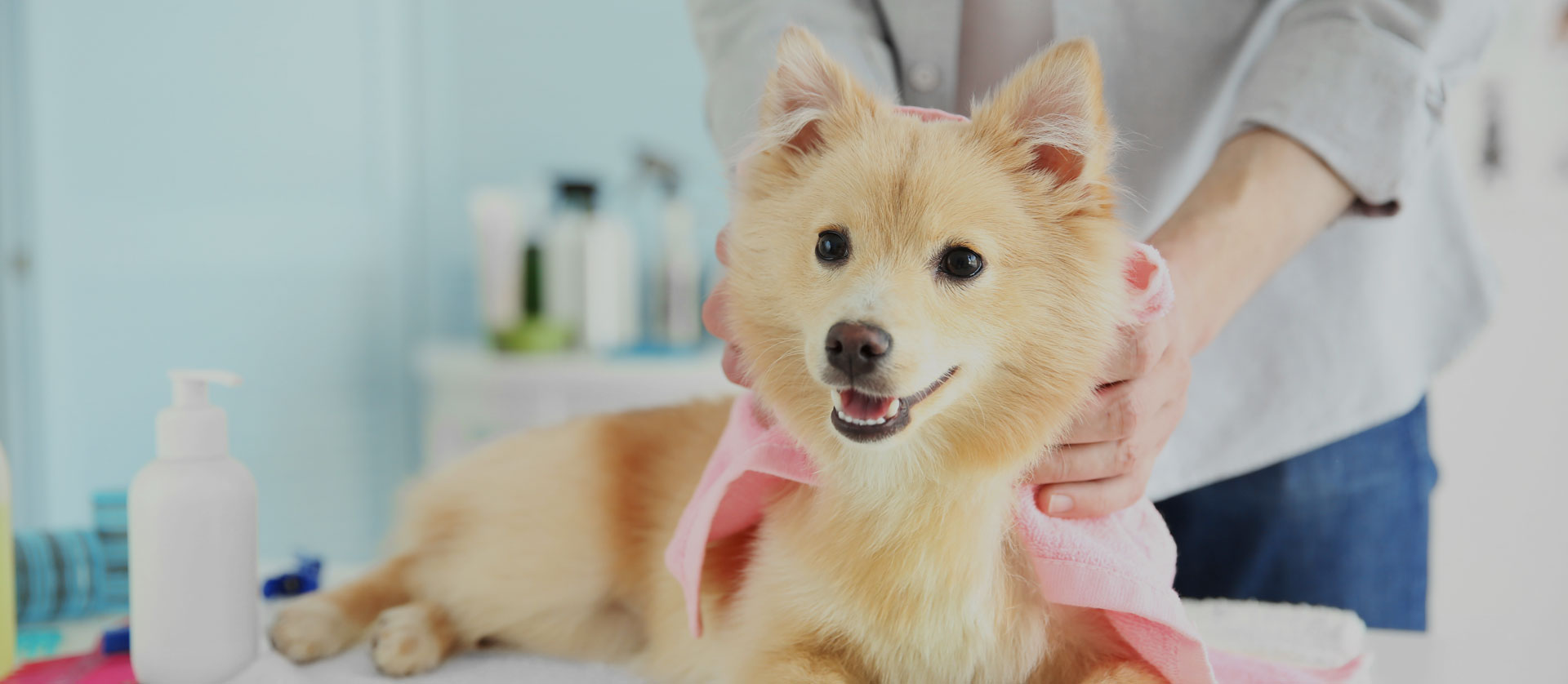
Credit: desertpaws.com
Prepare Your Dog In Advance
Preparing your dog before grooming helps reduce stress and fear. It makes the grooming process smoother and safer. Start getting your dog used to grooming early. This way, your dog feels more comfortable and relaxed during grooming sessions.
Familiarizing With Grooming Tools
Show your dog the grooming tools first. Let your dog sniff and explore them. Use calm voices and gentle touches. Do not force your dog to accept the tools. Praise your dog for calm behavior. This helps your dog build trust with the tools.
Short Practice Sessions
Begin with very short grooming sessions. Just a few minutes each time. Focus on one body part at a time. Stop before your dog feels tired or scared. End sessions with treats or playtime. Increase session length slowly over time. This trains your dog to enjoy grooming gradually.
Create A Calm Environment
Creating a calm environment helps your dog feel safe and relaxed during grooming. A peaceful setting reduces stress and makes the process smoother. Dogs notice sounds, smells, and spaces around them. Adjusting these can improve their comfort and cooperation.
Quiet And Comfortable Space
Choose a quiet room with little noise and distractions. Avoid busy areas with loud voices or TVs. Use soft towels or mats for your dog to sit on. A familiar place helps your dog stay calm. Keep grooming tools close to limit movement. A calm space lowers your dog’s anxiety and makes grooming easier.
Soothing Sounds And Scents
Play soft music or nature sounds to calm your dog. Sounds like rain or gentle waves work well. Avoid loud or sudden noises that might startle them. Use calming scents like lavender or chamomile near the grooming area. These scents help reduce stress and relax your dog. Never use strong or harsh smells that might upset your pet.
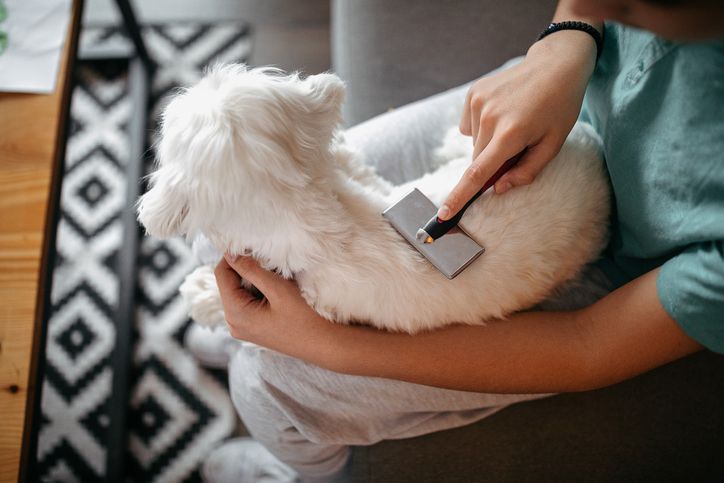
Credit: www.whole-dog-journal.com
Use Positive Reinforcement
Using positive reinforcement helps dogs feel safe during grooming. It creates trust and makes the process easier. Dogs learn that grooming leads to good things. This approach reduces stress and improves their behavior over time.
Treats And Praise
Give your dog small treats during grooming. It shows them they are doing well. Use soft, tasty treats to keep their attention. Speak in a calm, happy voice to praise them. Simple words like “good” or “yes” work well. This builds a positive link between grooming and rewards.
Gentle Handling Techniques
Touch your dog gently and slowly. Avoid sudden moves that might scare them. Use soft hands to hold and groom. Move in small steps, allowing your dog to relax. Gentle handling signals kindness and safety. It helps your dog stay calm and trust you more.
Incorporate Relaxation Methods
Incorporating relaxation methods helps calm dogs during grooming. It makes the experience less stressful and more pleasant. Dogs respond well to gentle, calming activities. These methods build trust and reduce anxiety. They prepare your dog for grooming sessions.
Massage And Touch Therapy
Massage helps relax your dog’s muscles and mind. Use slow, gentle strokes on the neck, back, and shoulders. Soft touch releases tension and lowers stress hormones. Start with short sessions and watch your dog’s reaction. Regular massage makes grooming easier over time. Avoid rough or fast movements that may scare your dog.
Breathing And Calming Exercises
Breathing exercises help calm both you and your dog. Sit quietly and breathe deeply with your dog nearby. Dogs can sense your calm energy and mirror it. Use slow, steady breaths to create a peaceful atmosphere. Softly talk to your dog during the exercise. These moments improve focus and reduce nervousness before grooming.

Credit: www.earthbuddypet.com
Choose The Right Grooming Tools
Choosing the right grooming tools helps keep your dog calm. The tools affect comfort and safety. Using the best tools makes grooming easier. Dogs feel less stress when tools are gentle. Proper tools reduce the chance of accidents. This section explains which tools work best for calm grooming.
Soft Brushes And Clippers
Soft brushes are gentle on your dog’s skin. They remove loose hair without pulling. Use brushes with soft bristles for sensitive dogs. Clippers should be quiet and sharp. Sharp blades cut hair smoothly and fast. Quiet clippers reduce noise fear in dogs. Choose clippers designed for pets, not humans. Soft tools help your dog relax during grooming.
Safe And Comfortable Equipment
Use grooming tools made from safe materials. Avoid tools with sharp edges or rough parts. Comfortable handles help you hold tools well. Non-slip grips prevent accidents during grooming. Make sure equipment fits your dog’s size. Small dogs need smaller tools, big dogs need bigger ones. Safe and comfy tools create a calm grooming time.
Seek Professional Help When Needed
Sometimes, calming your dog for grooming is hard without help. Professional groomers have experience and tools to handle anxious dogs. Knowing when to ask for help can make grooming safer and easier for your pet.
When To Consult A Groomer
Choose a groomer if your dog shows strong fear or aggression. If your pet struggles to stay calm, a professional can manage the stress. Dogs with medical issues may need special care during grooming. A groomer can spot health problems early. Call a groomer when home grooming becomes too difficult or unsafe.
Benefits Of Professional Grooming
Professional groomers know how to keep dogs calm and comfortable. They use gentle techniques to reduce fear and pain. Groomers have proper tools that make grooming quicker and cleaner. Regular professional grooming helps keep your dog healthy. It also improves your dog’s appearance and hygiene. Most importantly, it lowers the risk of injury for both dog and owner.
Frequently Asked Questions
How Can I Calm My Dog Before Grooming?
Calm your dog by starting with short, positive grooming sessions. Use treats and praise to create a relaxing atmosphere. Gentle petting and soothing tones help reduce anxiety. Gradually introduce grooming tools to build comfort and trust over time.
What Are The Best Calming Techniques For Dog Grooming?
Use slow, gentle strokes and maintain a calm voice to soothe your dog. Offer treats and breaks during grooming. Play soft music or use pheromone sprays to create a peaceful environment. Consistency and patience are key for effective calming.
How Do I Prepare My Dog For A Grooming Appointment?
Prepare your dog by brushing regularly and trimming nails at home. Exercise your dog before the appointment to reduce excess energy. Bring familiar toys or blankets to comfort them. Communicate with the groomer about your dog’s needs and temperament.
Can Grooming Anxiety Be Reduced With Training?
Yes, training helps reduce grooming anxiety by familiarizing your dog with grooming tools. Use positive reinforcement and short sessions to build confidence. Gradually increase grooming duration while rewarding calm behavior to create a stress-free experience.
Conclusion
Calming your dog during grooming makes the process smooth and safe. Patience and gentle touch build trust fast. Use treats and soft words to keep stress low. Short breaks help your dog stay relaxed and happy. Practice grooming often to make your dog comfortable.
A calm dog enjoys grooming more. Small steps lead to big progress. Keep trying, and grooming will become easier for both of you.


