

Have you ever noticed how some dogs seem to naturally guide and control the movement of other animals or even people? This is called herding behavior, and it’s a fascinating instinct that many dogs are born with.
Understanding why your dog acts this way can help you connect with them better and even train them more effectively. If you’ve ever wondered what drives this unique behavior and how it shapes your dog’s personality, keep reading—you’re about to discover the secrets behind herding behavior in dogs and how it might be affecting your daily life.

Credit: advanced-hindsight.com
Herding Instincts In Dogs
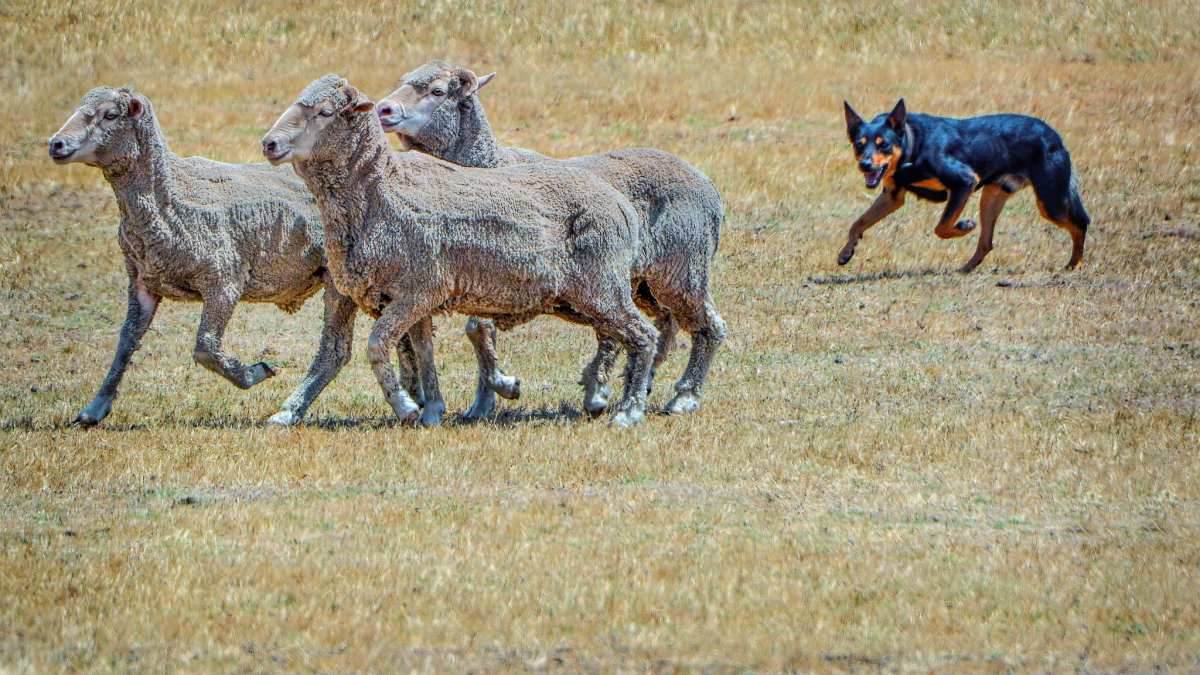
Herding instincts in dogs are natural behaviors passed down from their ancestors. These instincts guide dogs to control the movement of animals, usually livestock like sheep or cattle. Even pets without formal training may show signs of herding. This behavior helps dogs focus, respond quickly, and work in teams. Understanding these instincts explains why some dogs act the way they do.
Origins Of Herding Behavior
Herding behavior started thousands of years ago. Early humans needed help managing animals for food and farming. Dogs with strong herding skills were chosen and bred for this task. These dogs learned to gather, guide, and protect livestock. Their behaviors became sharper over many generations.
Common Herding Breeds
Some dog breeds are famous for herding. Border Collies are smart and fast, making them top herders. Australian Shepherds are also popular, known for their energy and focus. Other breeds like Corgis and Shetland Sheepdogs share herding traits. Each breed has unique ways to work with animals.
Natural Triggers For Herding
Many things can trigger herding instincts in dogs. Moving objects, like running children or cars, can start the behavior. Quick movements and sounds catch their attention. Dogs may try to chase or round up these targets. The instinct to herd is strong and often hard to stop.

Credit: k9basics.com
Signs Of Herding Behavior
Herding behavior is a natural instinct in many dog breeds. It helps them control and guide animals like sheep or cattle. Recognizing signs of herding behavior can help owners understand their dogs better. These signs show how dogs use their body and actions to herd.
Some dogs may show herding behavior even if they are not herding breeds. This can be confusing but knowing the signs helps manage this behavior. Below are key signs to watch for.
Physical Cues And Movements
Dogs use their bodies to herd. They often crouch low to the ground. This stance shows focus and readiness to move quickly. Their eyes stay fixed on the target, like a moving animal or person.
Tail position also tells a lot. A stiff, raised tail means alertness. Quick, small steps help dogs guide others without chasing. Some dogs use a gentle nudge with their nose or paws.
Behavioral Patterns
Herding dogs follow a pattern. They circle around to gather animals or people. Barking or whining may happen to keep the group moving. These dogs like control and often watch for changes closely.
They try to stop movement by blocking paths. Herding dogs may nip softly at heels to direct motion. This behavior is natural but needs training to be safe.
Herding In Non-herding Breeds
Some dogs without herding backgrounds still show herding behavior. This comes from their strong prey drive or play style. They may chase bikes, cars, or children in a similar way.
Understanding this helps owners prevent unwanted chasing or nipping. Training and exercise can reduce these behaviors. Recognizing herding signs in any dog improves safety and happiness.
Benefits Of Herding Instincts
Herding instincts in dogs offer many benefits beyond their original purpose. These natural behaviors help dogs stay active, sharp, and happy. Engaging these instincts can improve a dog’s overall well-being. It also strengthens the bond between dogs and their owners. Understanding these benefits helps owners provide better care and fun activities for their pets.
Mental Stimulation
Herding dogs need mental challenges to stay focused. Tasks that mimic herding keep their minds busy. This reduces boredom and prevents destructive behavior. Mental exercises improve problem-solving skills and attention. Dogs feel satisfied when they complete these activities.
Physical Exercise
Herding instincts encourage dogs to move a lot. Running, chasing, and circling are natural actions. These activities keep dogs fit and healthy. Regular physical exercise reduces stress and excess energy. Active herding dogs tend to live longer and happier lives.
Bonding Through Activities
Herding games create chances for owners and dogs to connect. Working together on tasks builds trust and teamwork. These activities strengthen the relationship between both. Owners can enjoy watching their dogs use their skills. Shared fun makes the bond stronger every time.
Challenges With Herding Behavior
Herding behavior in dogs is natural but can cause problems. These behaviors need careful handling to keep everyone safe. Understanding the challenges helps owners manage their dogs better.
Dogs with strong herding instincts may show difficult behaviors. These can affect the dog’s wellbeing and the people around them. Recognizing these issues is the first step to control them.
Potential Aggression
Some herding dogs may show aggression. This happens if they feel threatened or want to control others. Aggression can be biting, growling, or snapping. Early training is important to reduce this risk.
Excessive Chasing
Chasing is a common herding trait. Dogs may chase cars, bikes, or animals. This can be dangerous for the dog and others. Teaching commands to stop chasing is essential for safety.
Impact On Other Pets And Children
Herding dogs might nip or herd other pets. Children can also be targets for herding behavior. This can cause fear or injury. Supervision and proper training protect both pets and kids.
Training Techniques For Herding Dogs
Training herding dogs requires special techniques. These dogs have strong instincts to control movement. Training helps guide their natural behavior into positive actions. It also prevents unwanted herding in daily life. Consistent, clear methods work best for these smart dogs.
Positive Reinforcement Methods
Reward good behavior with treats or praise. This encourages dogs to repeat desired actions. Use small, tasty treats for quick rewards. Timing is important—reward immediately after good behavior. Avoid punishment; it can cause fear and confusion. Positive reinforcement builds trust and motivation.
Redirecting Herding Urges
Give dogs safe ways to use their herding instincts. Use toys or balls to focus their energy. Teach commands like “fetch” or “stay” to control their moves. Redirect their attention during unwanted herding episodes. This helps them learn when herding is okay and when it is not.
Setting Boundaries
Clear rules prevent confusion and misbehavior. Teach dogs where they can and cannot herd. Use fences or gates to limit access if needed. Consistent commands like “no” or “stop” help set limits. Respecting boundaries keeps dogs safe and calm.
Activities To Channel Herding Instincts
Herding dogs have strong natural instincts that need regular exercise. These instincts can be focused through various activities. They help dogs stay happy and well-behaved. The right activities also build a strong bond between dogs and owners.
Here are some effective ways to channel herding instincts.
Agility And Obedience Training
Agility training offers a fun way to challenge a herding dog’s mind and body. Dogs learn to run through tunnels, jump over bars, and weave between poles. This keeps them active and sharp. Obedience training teaches commands and self-control. Both improve focus and discipline. They satisfy the dog’s need to work and follow orders.
Herding Trials And Sports
Herding trials mimic real herding tasks. Dogs guide sheep or other animals through courses. This taps into their natural skills. Sports like disc dog or fetch also mimic herding moves. These activities test speed, precision, and teamwork. They give dogs a sense of purpose and achievement.
Interactive Games At Home
Simple games can keep herding dogs busy indoors. Try hide and seek with toys or treats. Tug-of-war helps use energy and build strength. Puzzle toys challenge their problem-solving skills. These games prevent boredom and reduce unwanted behaviors. They provide mental and physical exercise without a yard or farm.
When To Seek Professional Help
Herding behavior in dogs is natural but sometimes hard to manage. Some signs show a need for expert help. Acting early prevents problems from growing worse. Professionals guide owners to manage and improve their dog’s behavior safely.
Recognizing Problematic Behavior
Not all herding actions are bad. Watch for signs like constant chasing or nipping. Aggression towards people or other pets is serious. Destruction of property or excessive barking also signals trouble. These behaviors cause stress for dogs and owners alike. Identifying issues early helps find the right help fast.
Choosing The Right Trainer
Pick trainers with experience in herding breeds. Look for positive methods that avoid punishment. Trainers who understand your dog’s breed needs work best. Check reviews and ask for references. A good trainer communicates clearly and sets realistic goals. Their advice must fit your lifestyle and dog’s personality.
Behavioral Therapy Options
Behavior therapy helps dogs learn better habits. Techniques include reward-based training and controlled exposure. Therapists may use calming tools or medication in some cases. Consistency at home supports all therapy efforts. Therapy improves safety and quality of life for dogs and families. Regular sessions bring steady progress.
Credit: discover.hubpages.com
Frequently Asked Questions
What Is Herding Behavior In Dogs?
Herding behavior is a natural instinct where dogs control the movement of animals. It involves guiding and gathering livestock using eye contact and movements.
Which Dog Breeds Show Herding Behavior?
Popular herding breeds include Border Collies, Australian Shepherds, and Corgis. These breeds have strong instincts for managing livestock.
Why Do Dogs Exhibit Herding Instincts?
Dogs herd to satisfy their natural drive to control and organize movement. It’s a survival skill developed through generations of working with livestock.
Can Herding Behavior Cause Problems In Pets?
Yes, herding dogs may nip or chase children and animals. Proper training and exercise help manage these instincts safely.
Conclusion
Herding behavior is a natural part of many dog breeds. It helps dogs stay focused and organized. This behavior can be fun to watch and train. Understanding why dogs herd makes caring for them easier. Training should be gentle and clear.
It builds trust between you and your dog. Remember, patience helps dogs learn better. Enjoy the unique traits your dog shows. These behaviors make dogs special and smart companions. Keep learning and appreciating your dog’s natural skills.


