

Training your dog to love their kennel can transform your life—and theirs. Imagine a place where your dog feels safe, calm, and happy, even when you’re not around.
Kennel training isn’t just about confinement; it’s about creating a cozy space your dog enjoys. If you’ve struggled with restless nights, destructive behavior, or stress when leaving your dog alone, this guide is for you. Keep reading to discover simple, effective steps that will help your dog embrace their kennel with confidence and ease.

Credit: www.youtube.com
Choosing The Right Kennel
Choosing the right kennel is a key step in training your dog. The kennel should fit your dog’s needs and feel like a safe space. A good kennel helps your dog relax and learn better. Think about size, material, and comfort when picking one.
Size Matters
The kennel must be big enough for your dog to stand and turn around. Too small makes your dog uncomfortable. Too large can cause accidents inside. Measure your dog’s height and length first. Choose a kennel that allows a little extra room. This helps your dog feel secure but not cramped.
Material Options
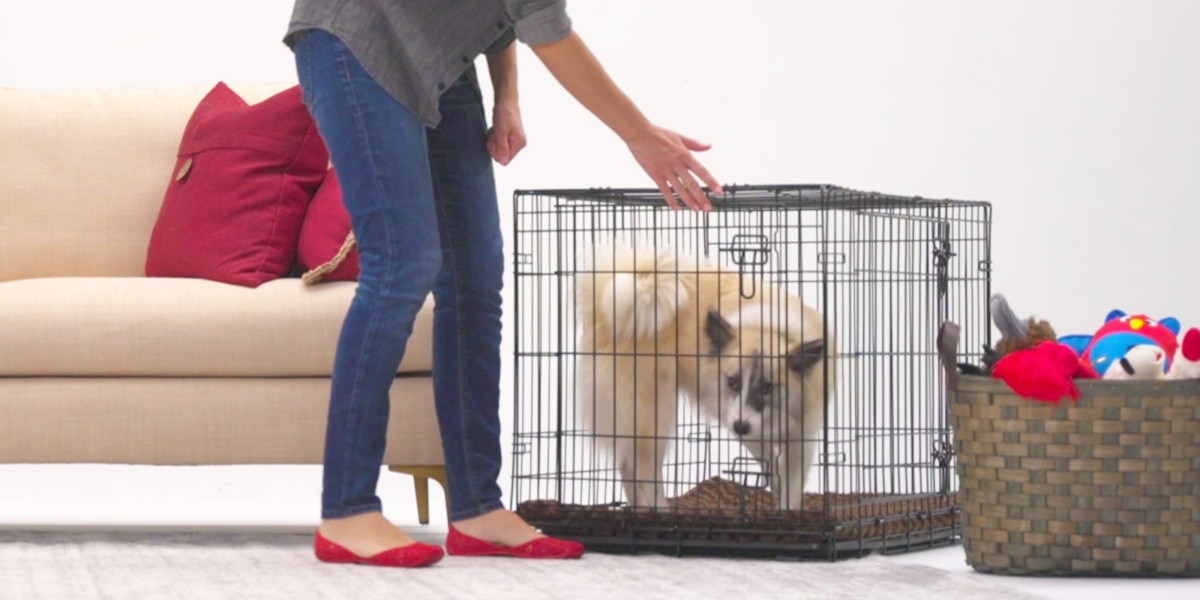
Kennels come in plastic, metal, and fabric. Plastic kennels are sturdy and good for travel. Metal kennels offer good ventilation and visibility. Fabric kennels are lightweight and easy to carry. Pick a material that fits your lifestyle and your dog’s habits. Durability and ease of cleaning are important too.
Comfort Additions
Add soft bedding inside the kennel. A comfortable base makes your dog want to rest there. Use blankets or kennel pads that are easy to wash. Place a favorite toy or chew inside to keep your dog calm. Good airflow and a quiet spot also improve comfort. These small touches make a big difference.
Credit: www.purina.com
Preparing The Kennel Space
Preparing the kennel space is a key step in training your dog. A well-set kennel feels like a safe little home. It helps your dog feel calm and secure. The space should invite your dog to rest and relax. Taking time to prepare the kennel properly makes training easier and more effective.
Safe Location
Choose a quiet spot for the kennel. Avoid noisy places like near a TV or busy hallway. The kennel should be away from direct sunlight and drafts. A calm area helps your dog settle down quickly. Make sure the location is easy for you to check on your dog.
Adding Bedding
Place soft bedding inside the kennel. Use a small blanket or a pet bed. Bedding adds comfort and warmth for your dog. Wash the bedding regularly to keep it clean. Comfortable bedding encourages your dog to stay inside the kennel.
Introducing Toys
Add a few favorite toys to the kennel. Toys keep your dog busy and reduce boredom. Use safe, chew-resistant toys to avoid choking hazards. Rotate the toys to keep the kennel interesting. Toys help your dog enjoy the kennel time more.
Introducing Your Dog To The Kennel
Introducing your dog to the kennel is the first step in successful kennel training. It helps your dog feel safe and calm in the kennel space. Take time to make the kennel a positive place. Patience and kindness will help your dog adjust quickly.
Positive Association
Make the kennel a happy spot for your dog. Place soft bedding and favorite toys inside. Leave the door open at first. Let your dog explore the kennel freely. Avoid forcing your dog inside. This builds trust and comfort.
Short Initial Sessions
Start with brief kennel stays. Close the door for just a few seconds. Then open it and let your dog out. Gradually increase the time inside. Short sessions prevent anxiety and build confidence.
Using Treats And Praise
Reward your dog with treats for entering the kennel. Use a calm, happy voice to praise your dog. Treats and praise make the kennel a positive place. This encourages your dog to enjoy the kennel time.
Creating A Routine
Creating a routine helps your dog feel safe and comfortable in the kennel. Dogs thrive on predictability. A steady schedule builds trust and reduces anxiety. Your dog learns what to expect and when. This makes kennel training easier and faster.
Consistent Timing
Set fixed times for kennel sessions every day. Choose moments that fit your daily life. Morning, afternoon, and evening work well. Stick to these times strictly. Dogs respond well to regular schedules. It helps their body clock adjust. Your dog will anticipate kennel time calmly.
Pre-kennel Activities
Before kennel time, engage your dog in calm activities. A short walk or some gentle play works best. This helps release extra energy. It also relaxes your dog’s mind. Avoid exciting games or loud noises. Calm your dog for a smooth kennel transition.
Gradual Increase In Duration
Start with short kennel periods. Just a few minutes at first. Slowly add more time as your dog adjusts. Increase sessions by a few minutes daily. Watch your dog’s comfort level closely. If anxious, pause or reduce time. Gradual steps build positive kennel habits.
Handling Common Challenges
Kennel training a dog can bring some challenges. These challenges often cause frustration for both the dog and the owner. Handling them well helps make the training smooth and effective. Patience and consistency are key to overcoming common problems.
Dealing With Whining
Whining is a common sign of discomfort or attention-seeking. Ignore whining if the dog is safe and not hurt. Giving attention during whining teaches the dog to repeat it. Wait for quiet moments to reward your dog. This helps the dog learn that calm behavior earns rewards.
Avoiding Negative Associations
Dogs may link the kennel with bad feelings if forced inside. Use treats and toys to create positive experiences. Start with short stays and increase time slowly. Always make the kennel a happy and safe space. Avoid using the kennel as punishment to keep trust strong.
Managing Separation Anxiety
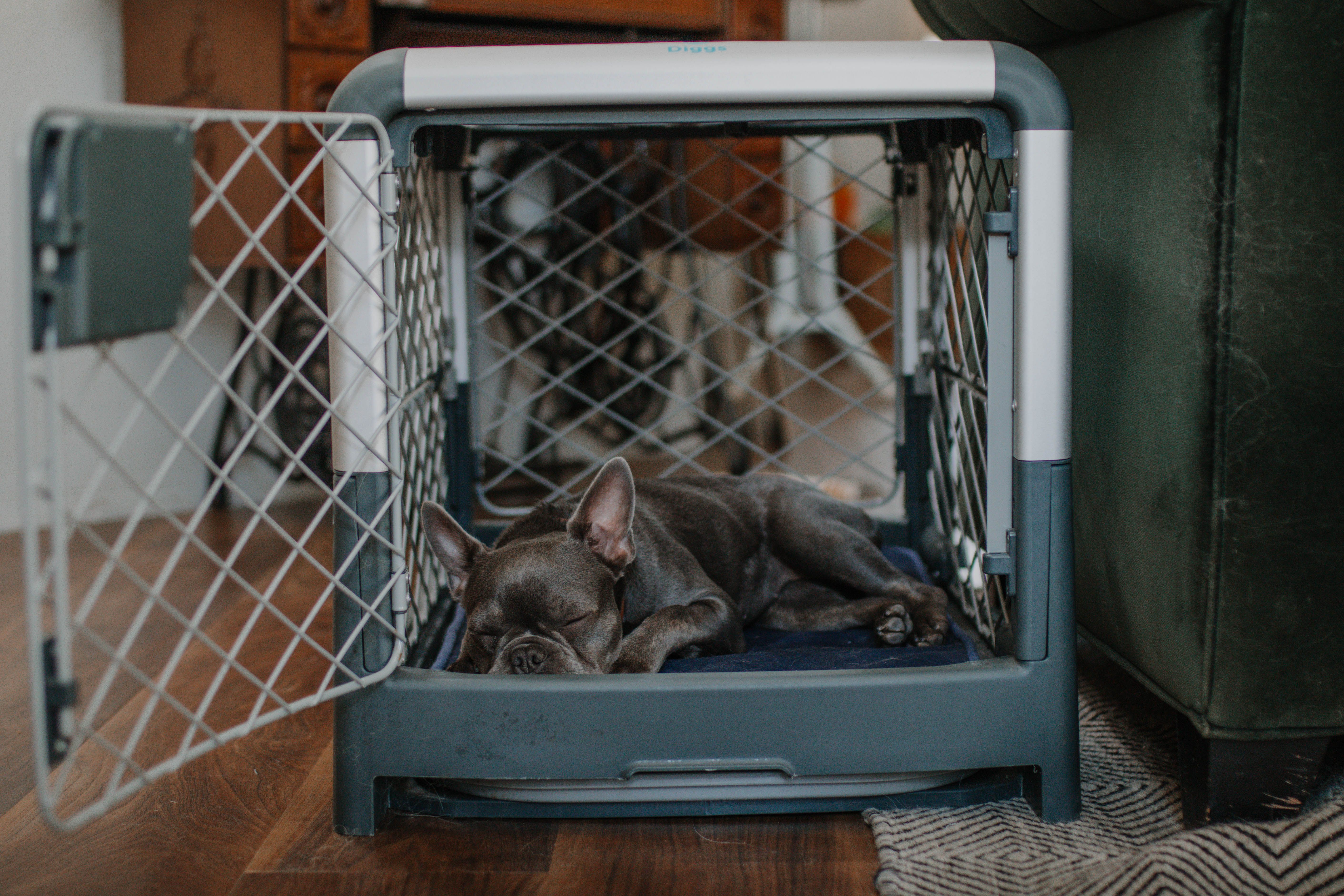
Separation anxiety makes kennel training harder. Practice leaving for short times and return calmly. Use comforting items like a blanket or toy in the kennel. Keep arrivals and departures low-key to reduce stress. Seek help from a vet or trainer if anxiety worsens.
Credit: www.diggs.pet
Maintaining Kennel Training Success
Maintaining kennel training success requires ongoing effort and attention. Consistency helps your dog feel safe and comfortable. Keep the training routine steady to reinforce good behavior.
Regular Practice
Practice using the kennel daily. Short sessions work best. Let your dog enter and exit calmly. Praise and rewards encourage positive habits. Regular use prevents fear or anxiety around the kennel.
Adjusting As Your Dog Grows
Your dog’s needs change over time. Puppies need more breaks and gentle guidance. Adult dogs benefit from longer kennel periods. Adjust the kennel size if needed. Keep the space cozy but roomy enough for comfort.
Keeping The Kennel Inviting
Make the kennel a happy place. Use soft bedding and familiar toys inside. Keep it clean and dry at all times. A pleasant smell helps your dog relax. Avoid forcing your dog into the kennel. Let them go in on their own terms.
Frequently Asked Questions
How Long Does Kennel Training Take For Dogs?
Kennel training usually takes 1 to 2 weeks. Consistency and patience speed up progress. Each dog learns at its own pace.
What Size Kennel Is Best For My Dog?
Choose a kennel just big enough for your dog to stand, turn, and lie down comfortably. Avoid oversized kennels to prevent accidents.
How Do I Make The Kennel Comfortable?
Add soft bedding, toys, and water inside. Keep the kennel clean and in a quiet, cozy spot to help your dog relax.
Can Kennel Training Help With Housebreaking?
Yes, kennel training supports housebreaking by teaching dogs to hold their bladder. Dogs instinctively avoid soiling their sleeping area.
Conclusion
Kennel training your dog takes time and patience. Keep training sessions short and positive. Always reward good behavior with treats or praise. Make the kennel a safe and comfortable space. Avoid forcing your dog inside the kennel. Gradually increase the time your dog spends there.
Consistency helps your dog learn faster. Soon, your dog will feel happy and secure in the kennel. This training supports a well-behaved and calm pet. Enjoy the process and celebrate small progress every day.


