

Have you ever watched your dog suddenly bark, lunge, or growl at another dog, person, or even a simple noise? It can be confusing and frustrating, leaving you wondering why your furry friend acts this way.
This is called reactive behavior, and understanding it is the key to calming your dog and building a stronger bond. You’ll discover what triggers reactive behavior, how to recognize it early, and practical steps you can take to help your dog feel safe and relaxed.
Keep reading—you’re about to learn how to turn those tense moments into calm, happy ones for both you and your dog.
Causes Of Reactive Behavior
Reactive behavior in dogs happens for many reasons. Understanding the causes helps in managing and training your dog better. Some causes come from inside the dog, others from outside surroundings. Often, more than one cause plays a role.
Genetic Factors
Some dogs inherit traits that make them more reactive. Certain breeds have higher energy or alertness levels. These traits can lead to stronger reactions to sights and sounds. Genetics do not decide behavior alone but set a base.
Environmental Triggers
Dogs react to things around them. Loud noises, strange people, or new places can cause stress. These triggers may cause barking, lunging, or growling. The environment shapes how a dog responds to daily life.
Past Trauma
Dogs with bad past experiences may become reactive. Fear or pain from past events stays in their mind. This trauma can cause sudden aggressive or fearful behavior. Healing takes time and gentle care.
Lack Of Socialization
Dogs not used to meeting others can feel scared. Without early social experiences, they may react with fear. This fear often shows as barking or snapping. Socializing helps dogs feel safe and calm around others.
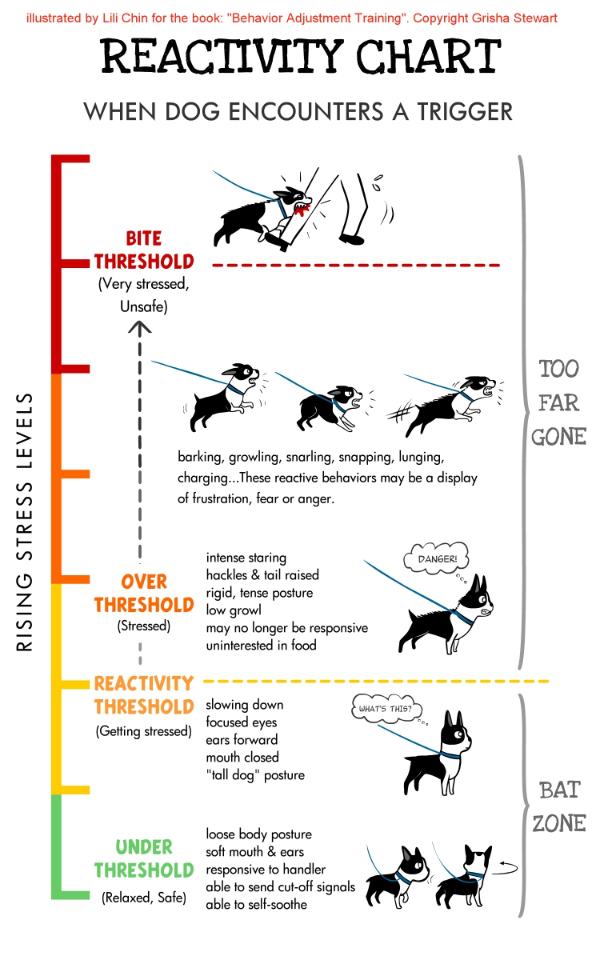
Credit: www.preventivevet.com
Common Signs Of Reactivity
Recognizing the common signs of reactive behavior in dogs helps owners manage and reduce stress. Reactivity can show in many ways, often starting with small changes in behavior. Understanding these signs early can improve your dog’s comfort and safety.
Excessive Barking
One clear sign is excessive barking. Dogs may bark loudly at people, other dogs, or noises. This barking sounds urgent and does not stop easily. It shows the dog feels threatened or excited.
Lunging And Growling
Lunging and growling are serious signs of reactivity. The dog may suddenly jump forward or lunge at a trigger. Growling warns others to keep distance. These actions show fear or frustration.
Stiff Body Language
A stiff body is another common sign. The dog’s muscles tighten, and it stands very still. The tail may be held high or straight out. This posture signals tension and readiness to react.
Avoidance Or Aggression
Some dogs show avoidance by turning away or hiding. Others respond with aggression, like snapping or biting. Both actions come from feeling scared or overwhelmed. Knowing this helps prevent problems.
Effective Training Techniques
Training a reactive dog takes patience and smart methods. The right techniques help reduce reactivity and build better behavior. Effective training makes your dog calmer and more confident.
Each method plays a role in teaching your dog how to respond. Combining these techniques creates lasting change in your dog’s reactions.
Positive Reinforcement
Reward good behavior immediately. Use treats, praise, or toys your dog loves. This helps your dog connect good actions with positive outcomes. Avoid punishment as it can increase fear and anxiety. Positive reinforcement encourages your dog to repeat calm behavior.
Desensitization And Counterconditioning
Expose your dog to triggers at a low level. Gradually increase the intensity over time. Pair the trigger with something pleasant, like treats or play. This changes your dog’s emotional response. The goal is to replace fear or anger with calm feelings.
Impulse Control Exercises
Teach your dog to wait before acting. Simple games like “sit and wait” build self-control. Practice during walks and playtime. This reduces sudden reactions to triggers. Impulse control helps your dog think before reacting.
Consistent Commands
Use clear, simple commands every time. Consistency helps your dog understand what you want. Avoid changing words or signals often. Consistent commands create trust and reduce confusion. Your dog learns what behavior is expected in each situation.

Credit: www.rufftranslation.com
Environmental Management Tips
Managing your dog’s environment is key to reducing reactive behavior. Small changes help your dog feel safer and calmer. Planning ahead avoids stressful situations. A quiet, controlled space supports better behavior and less anxiety.
Safe Walking Strategies
Choose quiet routes with fewer people and dogs. Walk during times when the area is less busy. Keep your dog on a short leash for control. Stay alert and watch for potential triggers. Cross the street or change direction if your dog shows signs of stress. Praise your dog for calm behavior during walks.
Creating Calm Spaces
Set up a peaceful area at home for your dog. Use a comfy bed or crate in a quiet corner. Keep this space free from loud noises and distractions. Add familiar toys or blankets to comfort your dog. Encourage your dog to rest here when feeling overwhelmed. A calm space helps your dog relax and recharge.
Avoiding Triggers
Identify what causes your dog’s reactive behavior. Common triggers include other dogs, strangers, or loud noises. Limit exposure to these triggers whenever possible. Change your routine to avoid busy places or times. Use distance to keep your dog comfortable around triggers. Avoid situations that cause stress and reactive outbursts.
Using Equipment Wisely
Choose the right gear to keep your dog safe. A well-fitted harness or head halter gives better control. Avoid retractable leashes that can cause sudden pulls. Use equipment that reduces strain on your dog’s neck. Make sure your dog feels comfortable wearing the gear. Proper tools help manage behavior during walks and outings.
When To Seek Professional Help
Knowing when to seek professional help is important for managing reactive behavior in dogs. Early intervention can prevent problems from getting worse. Professionals offer guidance tailored to your dog’s needs. They help create a safe and calm environment for your pet.
Signs Of Severe Reactivity
Watch for intense barking or lunging at people or animals. Aggression that causes injury or fear is serious. Your dog may freeze, growl, or snap without warning. These signs show your dog struggles to cope. Professional help is needed to manage these behaviors safely.
Choosing A Trainer Or Behaviorist
Pick someone with experience in reactive dogs. Look for certified trainers or certified applied animal behaviorists. Ask about their methods and success stories. A good professional uses gentle, reward-based training. Avoid harsh or punishment-based approaches that increase fear.
Therapeutic Options
Therapy may include behavior modification plans. Training focuses on reducing fear and stress triggers. Some dogs benefit from calming aids or medication. Professionals can suggest the best therapy for your dog’s condition. Therapy helps your dog learn new, positive responses.
Monitoring Progress
Keep track of changes in your dog’s behavior. Note improvements or setbacks during training sessions. Share observations with your trainer or behaviorist regularly. Progress may be slow but steady with patience. Adjust plans as needed to support your dog’s growth.
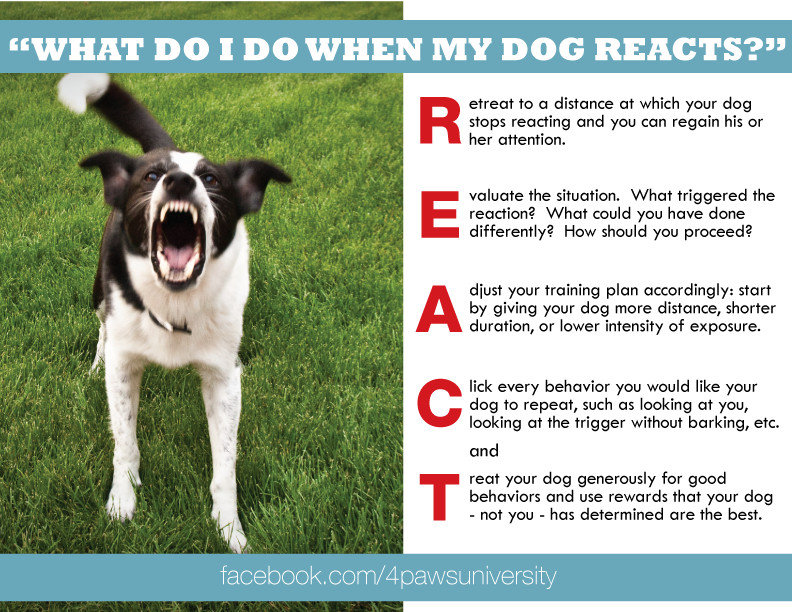
Credit: www.oaklandanimalservices.org
Frequently Asked Questions
What Causes Reactive Behavior In Dogs?
Reactive behavior in dogs often stems from fear, anxiety, or past trauma. It may also result from poor socialization or overstimulation. Understanding triggers helps manage reactions effectively and improves training outcomes.
How Can I Stop My Dog’s Reactive Barking?
To stop reactive barking, identify triggers and use positive reinforcement training. Gradual desensitization and counter-conditioning reduce anxiety. Consistency and patience are key for lasting behavior change.
Is Reactive Behavior In Dogs Dangerous?
Reactive behavior can be dangerous if it leads to aggression or injury. Early intervention and professional training reduce risks. Managing triggers ensures safety for both dogs and people.
Can Exercise Reduce My Dog’s Reactivity?
Yes, regular exercise helps reduce a dog’s stress and excess energy. It improves focus and overall behavior. A well-exercised dog tends to be calmer and less reactive.
Conclusion
Reactive behavior in dogs can be challenging for owners. Understanding the cause helps manage their reactions better. Consistent training and patience build trust and calmness. Small steps make a big difference over time. Every dog learns at its own pace.
Stay calm and positive during interactions. This approach creates a safer, happier environment for both. Keep observing your dog’s signals closely. Improvement happens with gentle guidance and care. You can help your dog feel more secure every day.


