

Have you ever wondered why herding dogs seem to have a mind of their own? Their unique behavior isn’t just about chasing sheep or cattle—it’s a mix of instincts, training, and personality that makes them truly special.
If you have a herding dog or are thinking about getting one, understanding their behavior can make all the difference. You’ll discover what drives these dogs, how to communicate with them, and tips to keep their energy focused in the right way.
Keep reading, and you’ll unlock the secrets to a happier, well-balanced herding dog.
Core Traits Of Herding Dogs
Herding dogs have special traits that make them great at guiding animals. These traits come from years of breeding for work. They show strong instincts, high intelligence, and lots of energy. Understanding these core traits helps us appreciate their unique behavior and needs.
Instinctual Drives
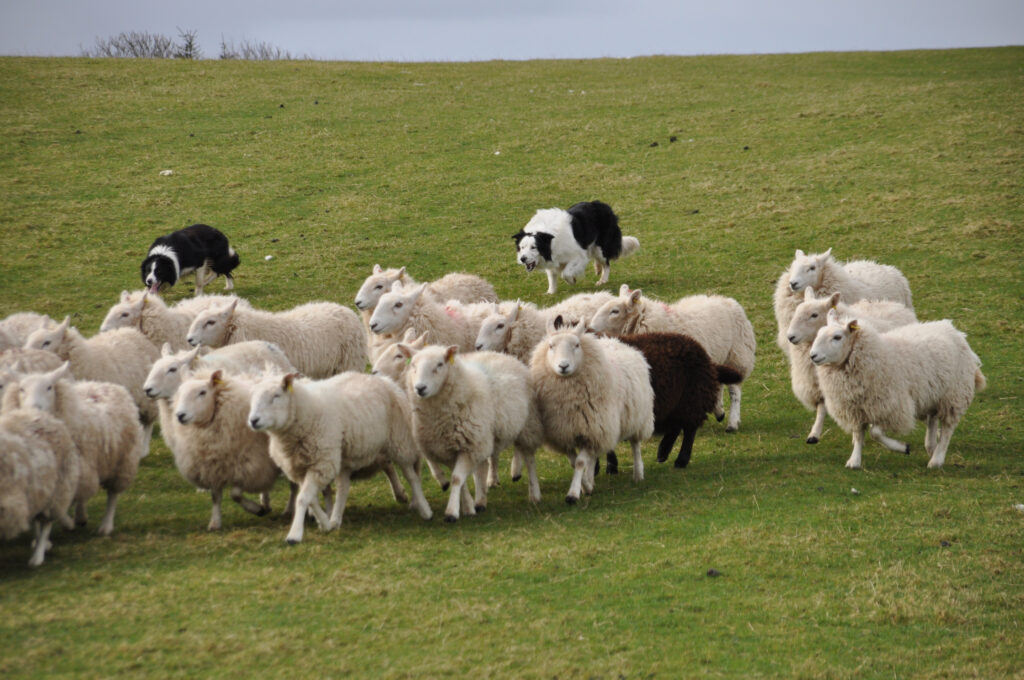
Herding dogs have natural urges to control and guide animals. This drive pushes them to stay focused and alert. They often circle, chase, or nip gently to move livestock. These instincts are strong, even in everyday life. It keeps them busy and ready to work.
Intelligence And Problem Solving
These dogs are very smart. They learn commands quickly and solve problems well. Herding dogs can think and act on their own. They adjust to changes in the herd or environment easily. This makes training easier and keeps them interested.
Energy Levels And Stamina
Herding dogs have high energy and stamina. They can work for many hours without getting tired. This energy needs daily exercise and mental challenges. Without enough activity, they may become bored or restless. Keeping them active is key to their happiness.
Credit: www.newsweek.com
Communication Styles In Herding Breeds
Herding dogs communicate in special ways to control and guide animals. Their communication is clear and direct. They use signals to keep the herd together and safe. Understanding these styles helps us see how smart and focused these dogs are.
Body Language Signals
Herding dogs use their bodies to send messages. Tail position shows mood and intent. A raised tail means alertness or readiness. Lowering the body signals calm or submission. Movements like circling or stalking guide the herd. Their posture tells the animals what to do next.
Vocalizations And Sounds
Sounds are important in herding dogs’ communication. Barking grabs attention or warns the herd. Growls may signal control or caution. Whines express stress or need for direction. Each sound has a clear meaning for the animals and handlers. This helps keep the group organized.
Eye Contact And Focus
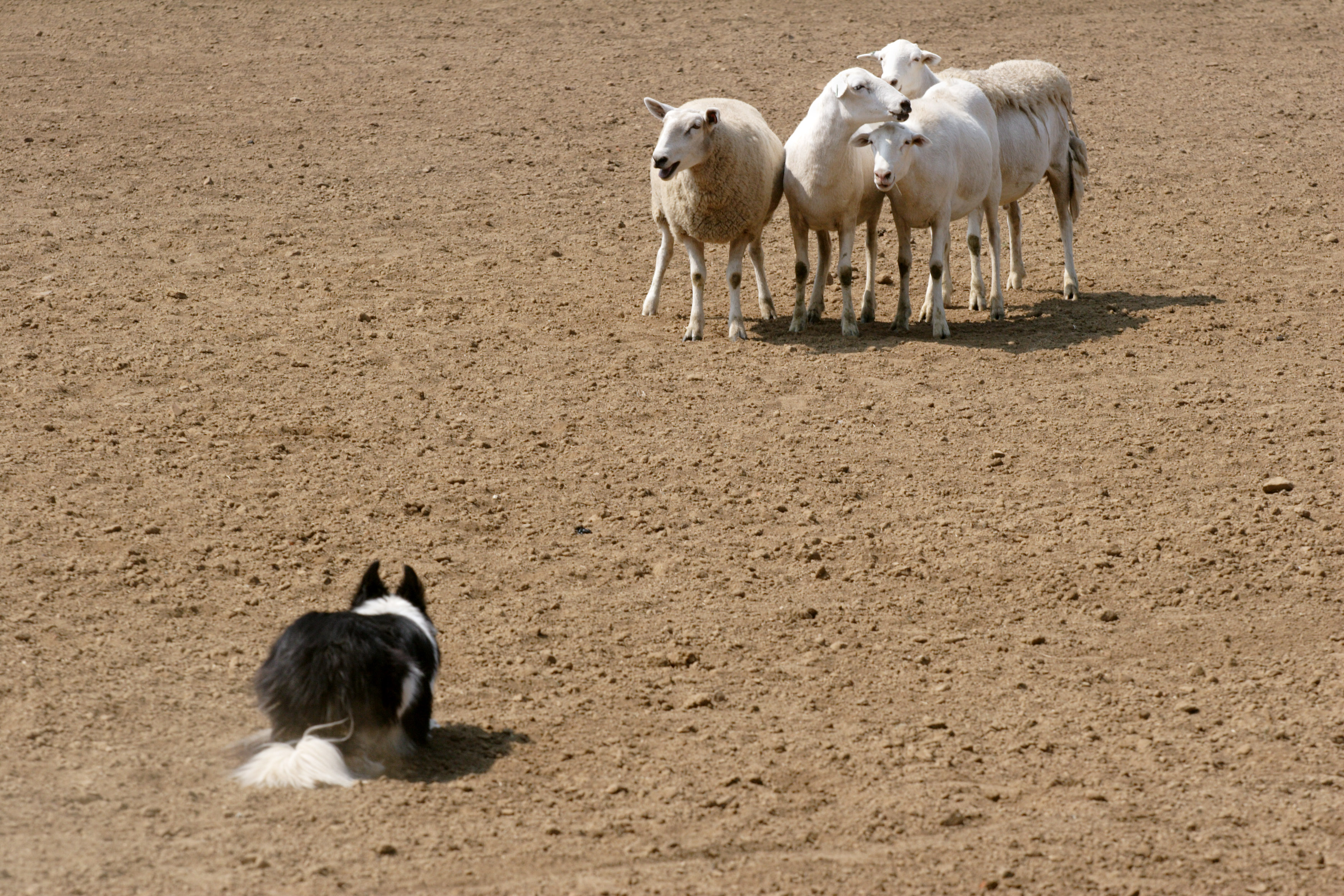
Eye contact is a powerful tool for herding dogs. They use a fixed stare called “the eye” to control animals. This focus creates pressure that moves the herd. Avoiding eye contact shows calm or submission. Their gaze helps guide animals smoothly and safely.
Common Behavioral Patterns
Herding dogs have unique behaviors shaped by their work with livestock. These patterns show their natural instincts and can help owners understand their needs. Observing these behaviors reveals how herding dogs think and act daily.
Chasing And Nipping Tendencies
Herding dogs often chase moving objects or animals. This behavior comes from their role in guiding livestock. They may also nip gently at heels to move animals forward. This nipping is usually soft and not meant to hurt. It helps control the group without causing harm.
Protective Instincts
These dogs protect their territory and family strongly. They watch for strangers and alert their owners quickly. This instinct makes them good watchdogs. They stay close to their people and warn of any danger nearby. This behavior shows their loyalty and alertness.
Social Interactions With People And Animals
Herding dogs enjoy being with their families and other animals. They are friendly but may be reserved with strangers. They often bond deeply with one or two people. These dogs get along well with other pets if socialized early. Their social nature helps them work well in groups.
Training Techniques That Work
Training herding dogs requires specific techniques to guide their natural instincts. These dogs need clear direction and positive guidance. Effective methods help them focus energy and learn commands quickly. Success depends on patience and consistent effort.
Positive Reinforcement Strategies
Reward good behavior with treats or praise. This encourages dogs to repeat desired actions. Avoid punishment, as it can cause fear or confusion. Use short training sessions to keep dogs engaged. Celebrate small wins to build confidence.
Channeling Energy Productively
Herding dogs have high energy and strong instincts. Provide activities that mimic herding tasks. Use toys or games that require focus and movement. Regular exercise reduces restlessness and unwanted behavior. Keep training fun to maintain interest.
Consistency And Patience
Train regularly with the same commands and routines. Dogs learn best with steady repetition. Stay calm and patient during challenges or slow progress. Avoid changing rules or signals frequently. Consistency builds trust and clear understanding.
Challenges And Solutions
Herding dogs are full of energy and strong instincts. These traits can cause challenges for dog owners. Understanding these behaviors helps in managing them well. Simple strategies can turn problems into positive experiences.
Training and patience play key roles in solving common herding dog issues. Knowing what drives these dogs makes life easier for both dog and owner.
Managing Excessive Energy
Herding dogs need lots of physical activity. Without enough exercise, they become restless and anxious. Daily walks alone are often not enough.
Try activities like running, fetch, or agility courses. These help burn energy and keep your dog happy. Mental challenges also tire your dog quickly.
Short training sessions with new commands add mental exercise. Rotate toys and puzzles to keep interest high. This approach reduces hyperactivity.
Addressing Herding Urges In Daily Life
Herding dogs often try to control movements around them. They may nip at feet or circle people and animals. This behavior comes from their natural instincts.
Teach your dog clear boundaries using commands like “stop” and “leave it.” Redirect their focus with toys or tasks. Consistent training reduces unwanted herding actions.
Provide outlets for herding instincts, such as herding balls or safe herding exercises. This keeps your dog mentally satisfied and calm.
Avoiding Behavioral Issues
Behavior problems arise when herding dogs feel bored or ignored. They may bark excessively, dig, or chew on furniture. These signs show unmet needs.
Establish a daily routine with exercise, training, and rest. Predictability helps dogs feel secure and less anxious. Reward good behavior to encourage it.
Socialize your dog with other animals and people. This reduces fear and aggression. Seek advice from a professional trainer if problems continue.

Credit: www.empireridgeranch.com
Enhancing Training Success
Training herding dogs requires patience and understanding. Success comes from using smart strategies that fit the dog’s nature. Enhancing training success means working with the dog’s natural skills and energy. It also means creating clear steps and keeping the dog interested. This section covers three key ways to improve training results.
Setting Realistic Goals
Start with small, clear goals for each training session. Dogs learn best with simple tasks that build confidence. Avoid pushing too hard or too fast. Break big skills into smaller steps. Celebrate each success to keep your dog motivated. Realistic goals help prevent frustration for both you and your dog.
Incorporating Mental Stimulation
Herding dogs need more than physical exercise. Their minds must stay active and challenged. Use puzzle toys, scent games, and problem-solving tasks. Change routines often to keep interest high. Mental activities reduce boredom and unwanted behaviors. A busy mind helps dogs focus during training.
Building A Strong Bond
Trust and connection improve training results. Spend time playing and relaxing together outside training. Use positive reinforcement like praise and treats. Understand your dog’s body language and feelings. A strong bond makes your dog eager to learn and please. Training becomes easier with a happy partnership.
Credit: blackpawdogtraining.com
Frequently Asked Questions
What Are Common Traits Of Herding Dog Behavior?
Herding dogs are intelligent, alert, and highly trainable. They have strong instincts to control and move livestock. They often exhibit focused eye contact and gentle nipping to guide animals. These dogs need mental stimulation and regular exercise to stay balanced.
How Do Herding Dogs Communicate With Livestock?
Herding dogs use body language, eye contact, and vocalizations to control livestock. Their posture and movements guide animals’ direction and speed. Barking or nipping may signal commands. This communication is natural and refined through training to manage herds effectively.
Why Do Herding Dogs Nip At Heels?
Nipping is an instinctive behavior to herd and control livestock movement. Dogs gently nip to encourage animals to move in a specific direction. While this is normal in herding, training is important to prevent nipping in family settings. Proper guidance channels this behavior appropriately.
What Training Methods Work Best For Herding Dogs?
Positive reinforcement and consistent commands work best for herding dogs. Training should focus on channeling their natural instincts productively. Early socialization and mental challenges keep them engaged. Avoid harsh corrections, as these dogs respond better to encouragement and reward-based learning.
Conclusion
Herding dogs show unique and strong behaviors. They are smart, active, and love to work. Understanding their nature helps in training and care. These dogs need space and tasks to stay happy. Their instincts guide their actions every day. Knowing their traits improves your bond and trust.
Keep their minds busy and bodies moving. This creates a healthy and happy herding dog. They bring joy and purpose to many homes. Caring for them means respecting their natural ways.


