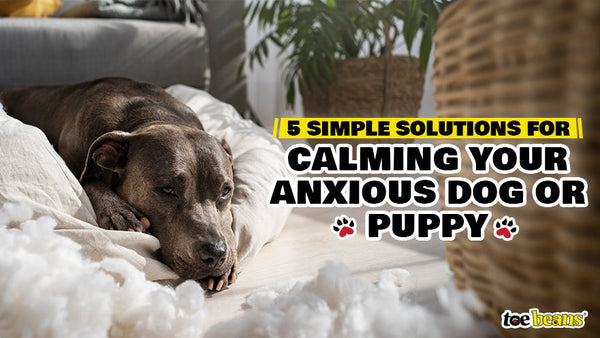
Does your dog seem nervous or scared more often than happy and relaxed? If your furry friend struggles with anxiety, you’re not alone—and the good news is, you can help.
Training an anxious dog takes patience, understanding, and the right approach. Imagine your dog feeling calm, confident, and joyful every day. You’ll discover simple, effective ways to ease your dog’s worries and build a stronger bond. Ready to turn stress into calm?
Let’s get started.
Recognizing Anxiety Signs
Recognizing anxiety signs in your dog is the first step to help them feel better. Dogs cannot tell us when they are scared or worried. They show it through their actions and body. Watching your dog closely helps you spot these signs early.
Common Behaviors
An anxious dog may pace or hide often. They might bark or whine without clear reasons. Chewing on furniture or shoes is another sign. Some dogs try to escape or cling to people. These actions show your dog feels stressed or uneasy.
Physical Symptoms
Physical signs include trembling or shaking. Sweaty paws and heavy panting are common too. Dogs might have dry mouths or drool more than usual. Sometimes, they lose appetite or vomit. These symptoms tell you your dog’s body reacts to fear or stress.
Creating A Safe Space
Creating a safe space is key for training an anxious dog. It helps your dog feel calm and secure. A safe space reduces stress and builds trust. This space should be quiet and comfortable. Your dog will learn to relax there over time.
Comfortable Environment
Choose a quiet corner in your home. Use a soft bed or blanket your dog likes. Keep the space clean and free from clutter. Add familiar toys or items with your scent. This makes the area feel safe and welcoming. Avoid loud noises or harsh lights nearby.
Reducing Triggers
Identify what makes your dog anxious. Common triggers include loud sounds, strangers, or busy places. Keep these triggers away from the safe space. Use curtains or white noise to block outside noises. Limit visits from unfamiliar people near this area. Your dog will feel more secure without constant stress.
Building Trust And Confidence
Building trust and confidence is key to helping an anxious dog feel safe. Dogs with anxiety need clear signals from their owners. These signals show them the world is not scary. Trust grows with patience and gentle care. Confidence comes from small, positive experiences. Both trust and confidence make training easier and more effective.
Consistent Routine
A regular daily routine helps an anxious dog feel secure. Dogs like to know what happens next. Feeding, walks, and playtimes should happen at the same time. Consistency reduces stress and confusion. This routine creates a stable environment for your dog. Predictability builds trust and lowers anxiety. Your dog learns what to expect and feels safer.
Positive Reinforcement
Reward your dog for calm and brave behavior. Use treats, praise, or gentle petting to show approval. Positive reinforcement encourages your dog to repeat good actions. Avoid punishment; it can increase fear and mistrust. Celebrate small progress to boost confidence. Your dog will link good behavior with happy feelings. This method strengthens your bond and trust.

Credit: www.diggs.pet
Training Techniques For Calmness
Training an anxious dog requires patience and the right methods. Techniques that promote calmness help reduce fear and stress. These methods guide your dog to feel safe and relaxed in different situations. Consistent practice creates trust and confidence in your pet.
Desensitization
Desensitization means slowly exposing your dog to what scares them. Start with a low level of the trigger that causes anxiety. For example, if loud noises frighten your dog, play soft sounds first. Gradually increase the volume over time. Watch your dog’s reaction closely. Stop if your dog seems too stressed. Repeat this often to build comfort. This technique helps your dog get used to triggers without fear.
Counter-conditioning
Counter-conditioning changes your dog’s negative feelings to positive ones. Pair the scary trigger with something your dog loves. For instance, give treats or praise when the trigger appears. Your dog begins to expect good things instead of fear. This method rewires your dog’s emotional response. Use it alongside desensitization for better results. Always keep sessions short and happy. This helps your dog learn calm behavior fast.
Using Exercise And Mental Stimulation
Exercise and mental stimulation help reduce anxiety in dogs. They use up nervous energy and calm the mind. A tired dog is a happy dog. Regular activities support better behavior and less stress. Both physical and mental exercises are important for anxious dogs.
Physical Activities
Daily walks help your dog burn energy and relax. Short runs or play sessions with a ball are good options. Swimming offers a low-impact exercise that many dogs enjoy. Hiking trails provide new smells and sights, which keep your dog interested. Exercise improves mood and reduces anxious behavior.
Interactive Toys
Puzzle toys challenge your dog’s brain and distract from worries. Treat-dispensing toys reward your dog for problem-solving. Chew toys provide a soothing activity that helps ease anxiety. Rotate toys regularly to keep your dog engaged. Mental stimulation prevents boredom and lowers stress levels.
Managing Stress With Tools And Aids
Managing stress in an anxious dog is important for successful training. Tools and aids can ease your dog’s worries. These supports help your dog feel safe and calm. They make training sessions smoother and more effective. Using the right tools can reduce your dog’s anxiety quickly.
Calming Products
Calming products include collars, sprays, and treats. Collars release pheromones that help dogs feel relaxed. Sprays can be used on bedding or around the home. Treats often contain natural ingredients like chamomile or CBD. These products work best when combined with training and patience. They support your dog’s mental comfort during stressful times.
Professional Help
Sometimes, professional help is the best choice. Trainers and behaviorists know how to handle anxious dogs. They offer personalized plans that fit your dog’s needs. A vet can also check for health issues causing anxiety. Professionals teach owners how to calm and train their dogs. Their guidance can speed up your dog’s progress and reduce stress effectively.
Preventing Anxiety Relapse
Preventing anxiety relapse is key to keeping your dog calm and happy. Anxiety can return if you stop training too soon. Consistent care helps your dog stay relaxed over time. Watch for signs and keep practicing good habits.
Ongoing Training
Keep training sessions short and regular. Practice commands your dog knows well. Introduce new challenges slowly to build confidence. Reward calm behavior to encourage peace. Training should be part of daily life.
Monitoring Behavior
Observe your dog’s mood every day. Notice changes in eating, sleeping, or activity. Act quickly if anxiety signs appear again. Talk to a vet for advice if needed. Early action helps stop anxiety from growing.

Credit: www.youtube.com
Credit: www.toe-beans.com
Frequently Asked Questions
How Can I Calm My Anxious Dog Quickly?
Use soothing tones and gentle petting to calm your dog. Provide a safe space and use distraction techniques like toys. Avoid loud noises and sudden movements to reduce stress effectively.
What Are The Best Training Methods For Anxious Dogs?
Positive reinforcement and gradual desensitization work best. Reward calm behavior consistently and avoid punishment. Use short, frequent sessions to build confidence and reduce anxiety over time.
How Do I Identify Signs Of Anxiety In Dogs?
Look for pacing, excessive barking, trembling, or hiding. Other signs include destructive chewing, panting, and whining. Early detection helps tailor training and support for your anxious dog.
Can Exercise Reduce My Dog’s Anxiety?
Yes, regular exercise helps release pent-up energy and stress. Daily walks and playtime improve mood and focus. Ensure activities match your dog’s fitness level to avoid overexertion.
Conclusion
Training an anxious dog takes time and patience. Small steps build trust and calm behavior. Keep routines steady and offer gentle support. Watch for signs of stress and adjust your approach. Celebrate every little success along the way. A calm dog creates a happier home for all.
Stay consistent, kind, and positive throughout training. Your efforts will help your dog feel safe and loved.