

Are you ready to welcome a playful, loving Golden Retriever puppy into your home? These furry friends bring endless joy, but they also need the right care to grow happy and healthy.
If you want to make sure your puppy thrives, this guide is made just for you. Inside, you’ll find simple, effective tips to help you understand your puppy’s needs, train them with ease, and build a strong bond from day one.
Keep reading, and you’ll discover everything you need to give your Golden Retriever the best start in life.
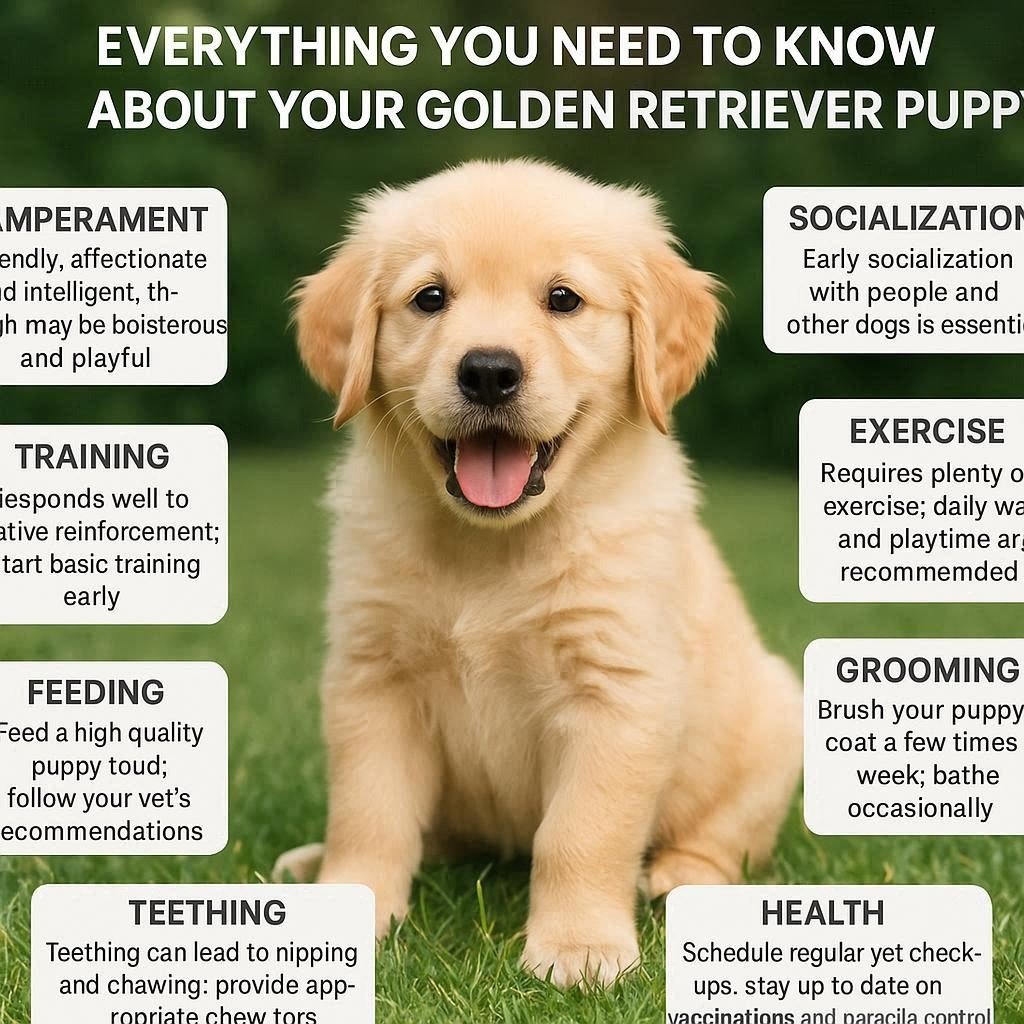
Credit: joyfluffy.com
Choosing The Right Puppy
Choosing the right Golden Retriever puppy is important for a happy life together. A careful choice helps avoid future problems. This section guides you through key points to find a healthy and well-tempered puppy.
Selecting A Reputable Breeder
A trustworthy breeder cares about the puppies’ health and well-being. Check for breeders who allow visits and answer questions openly. They should show health records for the puppies and parents. Avoid breeders who sell puppies quickly or without proper checks. A good breeder helps you choose a puppy that fits your family.
Recognizing Healthy Puppies
Healthy puppies are active and curious. Their eyes should be clear and bright. Look for clean ears and a shiny coat. Puppies must breathe quietly without coughing or sneezing. Check if the puppy moves well without limping. Healthy puppies eat well and sleep peacefully.
Considering Temperament
Golden Retrievers have different personalities. Some are calm, while others are lively. Watch how the puppy reacts to people and new things. Choose a puppy that matches your lifestyle. A calm puppy suits quiet homes. An active puppy fits busy families. Temperament affects training and bonding.
Preparing Your Home
Preparing your home for a Golden Retriever puppy is an important step. It helps your new friend feel safe and welcome. Careful planning makes the first days easier. The right setup supports good habits early on.
Creating A Safe Space
Choose a quiet corner for your puppy’s area. Use a cozy bed or crate for comfort. This spot becomes their safe place to rest. Keep it free from loud noise and busy traffic. Make sure the space stays clean and dry. This helps your puppy feel calm and secure.
Essential Supplies
Gather all necessary items before your puppy arrives. Food and water bowls should be sturdy and easy to clean. Buy age-appropriate puppy food to support healthy growth. Have a variety of chew toys to keep them busy. A collar and leash are needed for walks. Don’t forget grooming tools like brushes and nail clippers.
Puppy-proofing Tips
Remove small objects that a puppy can swallow. Store cleaning supplies and chemicals out of reach. Cover electrical cords to prevent chewing accidents. Block off stairs or dangerous areas with gates. Check for plants that might be toxic to dogs. Secure trash bins with tight-fitting lids. These steps protect your puppy from harm.
Feeding Your Puppy
Feeding your Golden Retriever puppy is very important for healthy growth. Proper nutrition helps build strong bones, shiny fur, and good energy. Puppies need food that supports their active and growing bodies. Choosing the right diet and feeding routine keeps your puppy happy and healthy.
Understanding what to feed and when to feed can make a big difference. Careful feeding prevents health problems and supports good behavior. Let’s explore the best diet options, feeding schedules, and foods to avoid for your puppy.
Best Diet Options
Choose high-quality puppy food made for large breeds. These foods have the right balance of protein, fat, and vitamins. Protein helps muscles grow strong. Healthy fats give energy and keep skin healthy. Look for brands with natural ingredients and no fillers.
Dry kibble is easy to store and helps clean teeth. Wet food is tasty and moist, good for picky eaters. Mixing both can offer variety. Homemade meals with vet advice can be healthy too. Always include fresh water with every meal.
Feeding Schedule
Puppies need small meals several times a day. Feed your Golden Retriever puppy three to four times daily. This keeps their energy steady and avoids overeating. As they grow, reduce meals to twice a day at six months old.
Keep feeding times consistent. This helps your puppy learn when to expect food. Use measured portions to avoid weight gain. Watch your puppy’s weight and adjust food as needed. Healthy weight supports active play and good health.
Avoiding Harmful Foods
Some foods can harm puppies and must be avoided. Chocolate, grapes, onions, and garlic are toxic. These can cause serious illness or death. Avoid giving your puppy bones, as they can splinter and cause injury.
Limit treats and table scraps. Too many treats lead to weight problems. Stick to healthy, dog-safe snacks. Keep harmful foods out of reach to protect your puppy.

Credit: www.reddit.com
Training Basics
Training Golden Retriever puppies starts with simple, clear steps. These puppies learn best with patience and kindness. Early training shapes their behavior and builds a strong bond with you. Focus on basics to set a good foundation.
Housebreaking Techniques
Housebreaking is the first step in puppy training. Take your puppy outside frequently, especially after eating or sleeping. Use a consistent spot for bathroom breaks. Praise your puppy warmly after they go outside. Clean accidents inside with enzyme cleaner to remove smells. Avoid punishment to keep trust strong.
Basic Commands
Teach simple commands like “sit,” “stay,” and “come.” Use short words and clear gestures. Reward your puppy with treats and praise. Practice commands in short sessions, around 5 minutes each. Repeat often to help your puppy remember. Keep training fun and positive.
Socialization Strategies
Expose your puppy to different people and places early. Introduce new sounds, sights, and smells carefully. Allow your puppy to meet other friendly dogs. Monitor interactions to keep them safe and calm. Socialization helps prevent fear and builds confidence. Start slow and increase experiences over time.
Health Care Essentials
Golden Retriever puppies need special care to stay healthy. Good health care helps them grow strong and happy. It keeps diseases away and supports their active lifestyle. Understanding key health care tips is very important for every puppy owner.
Focus on vaccines, common health problems, and regular vet visits. These steps protect your puppy and catch issues early. Start these habits early for a long, healthy life.
Vaccination Schedule
Puppies need vaccines to fight dangerous diseases. Start vaccinations at six to eight weeks old. Core vaccines include distemper, parvovirus, and rabies. Follow your vet’s advice for booster shots. Keep a record of all vaccinations for reference. Timely vaccines prevent serious illnesses and save lives.
Common Health Issues
Golden Retrievers can face joint problems like hip dysplasia. They may also get skin allergies and ear infections. Watch for signs like limping or itching. Early detection helps treat these issues quickly. Good diet and exercise reduce health risks.
Regular Vet Visits
Take your puppy to the vet often. Vet checks spot problems before they worsen. They also update vaccines and give parasite control. Plan visits every three to six months in the first year. Regular care keeps your puppy happy and healthy.
Exercise And Play
Golden Retriever puppies are full of energy and need plenty of exercise and play. These activities help them grow strong and stay happy. Playtime also builds a strong bond between you and your puppy. It keeps their mind sharp and their body healthy.
Daily Activity Needs
Golden Retriever puppies need at least 30 minutes of exercise every day. Short walks and light play are best for young puppies. Too much running or jumping can hurt their growing bones. Break exercise into small sessions throughout the day. This helps keep your puppy active without tiring them out.
Safe Toys For Puppies
Choose toys made from soft, non-toxic materials. Avoid small toys that your puppy can swallow. Chew toys help with teething and keep their teeth clean. Balls and tug toys also make playtime fun. Always check toys for damage and replace if broken.
Benefits Of Playtime
Playtime helps puppies learn social skills and good behavior. It reduces stress and prevents boredom. Active play burns off extra energy, making puppies calmer at home. It also improves coordination and strength. Most importantly, playtime creates happy moments between you and your puppy.
Grooming Tips
Grooming your Golden Retriever puppy keeps them healthy and happy. It also helps build a strong bond. Regular grooming removes dirt and loose hair. It prevents skin problems and keeps your puppy comfortable.
Brushing And Bathing
Brush your puppy’s coat often. This stops mats and tangles. Use a soft brush for their delicate fur. Bath your puppy every few weeks. Use dog shampoo made for sensitive skin. Rinse well to avoid irritation. Dry your puppy with a towel or low heat dryer.
Nail Trimming
Trim nails carefully to avoid pain. Use sharp dog nail clippers. Cut small bits at a time. Stop if you see a pink area inside the nail. This area has blood vessels. Trim nails every two to three weeks. Keep nails short to prevent injury.
Ear And Dental Care
Check ears weekly for dirt or smell. Clean ears with a soft cloth and dog ear cleaner. Avoid using cotton swabs deep inside. Brush your puppy’s teeth daily. Use dog toothpaste and a soft toothbrush. Healthy teeth prevent bad breath and infections.
Handling Behavioral Challenges
Golden Retriever puppies are joyful and loving companions. Yet, they can show some challenging behaviors early on. Handling these behaviors with care helps build a strong bond. Patience and consistency are key to guiding your puppy well.
Managing Chewing And Biting
Puppies explore the world by chewing and biting. This behavior is natural but can cause damage. Provide plenty of safe chew toys to redirect their energy. Gently say “no” when biting happens and offer a toy instead. Praise your puppy when it chews on the right things. Regular play helps reduce unwanted biting and chewing.
Dealing With Separation Anxiety
Golden Retriever puppies can feel anxious when left alone. Signs include whining, barking, or destructive behavior. Start with short separations and slowly increase the time apart. Leave a piece of your clothing to comfort your puppy. Create a safe space with toys and water. Calm departures and arrivals help your puppy feel secure.
Encouraging Positive Behavior
Reward good behavior to encourage your puppy. Use treats, praise, and gentle petting as rewards. Set clear and simple rules for your puppy to follow. Consistency helps your puppy learn faster. Avoid yelling or punishment; it can cause fear. Positive training builds trust and a happy relationship.

Credit: www.reddit.com
Frequently Asked Questions
How Do I Care For Golden Retriever Puppies?
Golden Retriever puppies need balanced nutrition, regular exercise, and lots of love. Schedule vet checkups and vaccinations. Provide a safe, clean living space. Socialize them early for good behavior. Groom their coat weekly to reduce shedding and keep skin healthy.
What Is The Best Diet For Golden Retriever Puppies?
Feed high-quality puppy food rich in protein and essential nutrients. Avoid overfeeding to prevent obesity. Divide meals into 3-4 small portions daily. Fresh water must be available at all times. Consult your vet to tailor the diet to your puppy’s needs.
How Often Should Golden Retriever Puppies Be Exercised?
Golden Retriever puppies need moderate exercise daily, about 30 minutes to 1 hour. Avoid intense activities to protect growing joints. Short walks and gentle play sessions are ideal. Proper exercise helps maintain a healthy weight and supports mental stimulation.
When Should I Start Training My Golden Retriever Puppy?
Start training as early as 8 weeks old. Use positive reinforcement techniques like treats and praise. Focus on basic commands such as sit, stay, and come. Early training builds good habits and strengthens your bond with the puppy.
Conclusion
Golden Retriever puppies bring joy and love to any home. Caring for them requires patience, time, and kindness. Feeding, training, and socializing help them grow healthy and happy. Regular vet visits keep puppies safe and strong. Play and exercise build their energy and trust.
Remember, each puppy learns at its own pace. Enjoy every moment with your furry friend. Small steps lead to a great bond. Your puppy will thank you with loyalty and fun. Keep learning and loving for a happy life together.


