

Is your dog showing aggressive behavior towards other dogs? It can be scary and stressful for both you and your furry friend.
But don’t worry—you’re not alone, and there are effective ways to handle this. Imagine walks without tension, playdates without fights, and a calm, happy dog who enjoys meeting new canine friends. You’ll discover simple, practical steps you can take right now to stop your dog’s aggressive behavior.
Keep reading to transform your dog’s interactions and bring peace back to your daily routine.
Credit: zendogacademy.com
Causes Of Aggression
Understanding why a dog shows aggression toward other dogs helps solve the problem. Dogs do not act aggressive without a reason. Their behavior often signals fear, stress, or discomfort. Identifying the causes allows owners to address the root and improve the dog’s behavior.
Fear And Anxiety
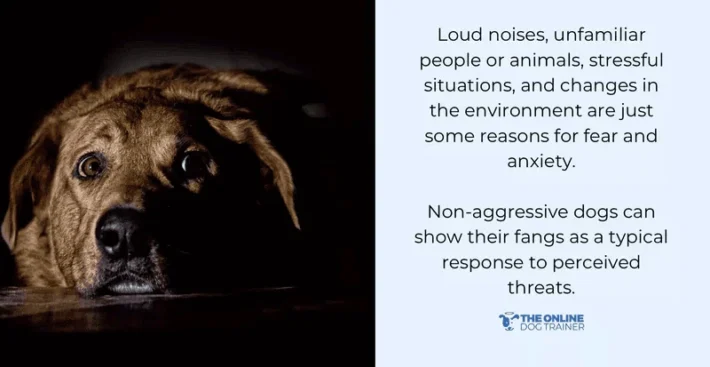
Fear makes dogs feel unsafe. They may growl, bark, or snap to protect themselves. Anxiety can come from past bad experiences with other dogs. Some dogs never learned to feel calm around new dogs. Fear-based aggression is common and needs gentle handling.
Territorial Behavior
Dogs often guard their space. They see their home, yard, or even their owner as territory. Other dogs entering this space can trigger aggression. This behavior is natural but can cause problems. Training can help dogs accept others near their territory.
Lack Of Socialization
Dogs that miss early social time may not know how to behave. They can become fearful or aggressive when meeting other dogs. Socialization teaches dogs to interact calmly. Without it, dogs may see others as threats. Training and controlled meetings help build good habits.
Health Issues
Pain or illness can make dogs irritable. They may lash out if touched or approached. Conditions like arthritis or injury often cause discomfort. Regular vet checks catch health problems early. Treating pain reduces aggressive reactions in dogs.
Recognizing Warning Signs
Recognizing warning signs is key to stopping aggressive behavior in dogs. It helps you act early. Understanding these signs protects your dog and others. This section explains how to spot these signals.
Body Language Cues
Dogs show anger or fear through their bodies. Watch for stiff legs and raised hackles. A fixed stare or tight lips means tension. Tail position is important too. A high, rigid tail shows alertness. A low, tucked tail signals fear. Ears pinned back or forward can mean discomfort or threat.
Vocalizations
Sounds tell a lot about a dog’s mood. Growling warns of discomfort or threat. Barking can be a sign of anxiety or challenge. Snarling or snapping shows strong aggression. Whining or yelping may mean stress or fear. Listen carefully to these sounds to understand your dog’s feelings.
Behavioral Patterns
Notice how your dog acts near other dogs. Lunging or snapping is a clear warning. Circling or blocking another dog shows dominance. Avoiding eye contact or hiding means fear. Repeated aggressive acts need attention. Early recognition of these patterns helps prevent fights.
Preventive Measures
Preventive measures help reduce aggressive behavior in dogs early on. Training and care shape how dogs react to others. Taking steps before problems start builds better habits and safer interactions. These methods keep dogs calm and friendly around other dogs.
Early Socialization
Start socializing your dog as a puppy. Introduce your dog to many other dogs in safe places. Positive experiences teach your dog to trust and enjoy company. This prevents fear or aggression from developing later. Early socialization helps your dog learn good manners.
Controlled Exposure
Expose your dog to other dogs in controlled settings. Use leashes and calm environments for first meetings. Watch your dog’s body language closely. Stop interactions if your dog shows signs of stress. Controlled exposure helps your dog stay calm and confident.
Setting Boundaries
Teach your dog clear rules about behavior around others. Use commands like “sit,” “stay,” and “leave it.” Reward calm and polite actions near other dogs. Firm boundaries help your dog understand what is okay. Consistency in rules reduces chances of aggression.
Training Techniques
Training is key to stop aggressive dog behavior towards other dogs. It takes time, patience, and the right approach. Using effective training techniques can change your dog’s response to other dogs. These methods focus on building trust and calm reactions.
Positive Reinforcement
Positive reinforcement rewards good behavior. Give treats, praise, or toys when your dog stays calm. This teaches your dog that calm behavior brings rewards. Avoid punishment, as it can increase fear and aggression. Consistency is important. Repeat the rewards each time your dog behaves well near other dogs.
Desensitization
Desensitization means slowly exposing your dog to other dogs. Start at a distance where your dog feels safe. Gradually decrease the distance over several sessions. This helps your dog get used to seeing other dogs. The goal is to reduce fear or stress triggers. Always watch your dog’s body language. Stop if your dog seems too stressed.
Counter-conditioning
Counter-conditioning changes your dog’s emotional response. Pair the sight of other dogs with something your dog loves. This could be treats or playtime. Your dog begins to associate other dogs with positive experiences. Use this method along with desensitization for best results. It helps replace aggressive feelings with calmness and happiness.
Managing Aggressive Encounters
Managing aggressive encounters between dogs needs calm and clear actions. Owners must stay alert and ready to act safely. The goal is to prevent fights and keep all dogs safe. Handling these moments well helps dogs learn better behavior over time.
Owners should know safe ways to stop aggression and guide their dogs away from trouble. Tools like leashes and muzzles can help control the situation. Redirecting a dog’s focus can calm them and avoid conflict. These steps work best when used carefully and calmly.
Safe Interventions
Always approach an aggressive dog calmly and slowly. Avoid sudden movements or loud noises that may scare the dog. Use a firm voice to give simple commands. Keep your body relaxed but ready to act. Never put your hands near the dog’s mouth. If needed, use an object like a barrier to separate dogs safely.
Using Leash And Muzzle
A leash is key to controlling an aggressive dog. Keep the leash short but loose enough to avoid tension. A muzzle can prevent biting during high-risk moments. Make sure the dog is comfortable with the muzzle before use. These tools protect everyone and help manage the dog’s behavior calmly.
Redirecting Attention
Shift your dog’s focus to something positive quickly. Use treats or toys to catch their interest. Ask your dog to perform simple commands like “sit” or “look.” Reward calm behavior to encourage control. Changing the dog’s focus breaks the aggressive cycle and calms the situation.
Credit: theonlinedogtrainer.com
Professional Help
Professional help can make a big difference in managing aggressive dog behavior towards other dogs. Experts understand dog behavior deeply. They use proven methods to change aggression safely and effectively. Seeking help early can prevent problems from getting worse. It also keeps your dog and others safe.
When To Consult A Trainer
Consult a trainer if your dog shows regular aggression. Signs include growling, lunging, or biting at other dogs. A trainer can observe your dog’s behavior closely. They create a plan to reduce aggression step by step. Trainers teach you how to handle your dog safely. Early guidance stops bad habits from forming.
Behavioral Therapy Options
Behavioral therapy helps dogs learn calm reactions. Techniques include desensitization and counter-conditioning. These methods change how dogs feel around other dogs. Therapy sessions often involve controlled meetings with calm dogs. Over time, your dog learns to stay relaxed. Consistency and patience are key to success.
Veterinary Support
Veterinarians check if health issues cause aggression. Pain or illness can make dogs more irritable. Vets may recommend medication to ease anxiety. Medication supports behavior training but does not replace it. Regular vet visits keep your dog healthy and balanced. A healthy dog is less likely to show aggression.
Maintaining Long-term Peace
Maintaining long-term peace between your dog and other dogs takes time and effort. It means keeping good habits and staying patient. Peace does not happen overnight. It grows from steady care and attention to your dog’s needs and behavior.
Keep your dog calm and happy around others. This helps stop aggressive actions. Focus on steady work and gentle guidance. Your dog will learn to trust and relax near other dogs. This keeps everyone safe and happy.
Consistent Routine
Dogs thrive with a clear, steady routine. Set regular times for walks, meals, and play. This helps your dog feel safe and less stressed. Stress can cause aggression, so a routine calms your dog’s mind. Follow the same rules every day. This teaches your dog what to expect and how to behave.
Ongoing Socialization
Keep introducing your dog to other dogs in a safe way. Short, calm meetings work best. Let your dog see and smell other dogs without pressure. Praise your dog for calm behavior. This builds good memories. Avoid forcing your dog into scary situations. Socialization keeps your dog friendly and less aggressive over time.
Monitoring Progress
Watch your dog’s behavior closely. Note any changes, good or bad. Keep a journal of your dog’s reactions to other dogs. This helps you see progress or problems early. Adjust your training or routine as needed. If aggression grows, seek help from a trainer or vet. Careful monitoring keeps peace strong and long-lasting.

Credit: www.purina.com
Frequently Asked Questions
How Can I Identify Aggressive Dog Behavior Early?
Watch for growling, snarling, stiff body, and prolonged staring. Early signs help prevent escalation and keep dogs safe.
What Causes Dogs To Be Aggressive Towards Other Dogs?
Common causes include fear, territorial instincts, poor socialization, and past trauma. Identifying triggers helps in managing aggression effectively.
How Do I Safely Introduce My Dog To Others?
Use neutral territory, keep dogs on leashes, and observe body language. Gradual, calm introductions reduce stress and aggression risks.
Can Training Reduce My Dog’s Aggression Towards Others?
Yes, consistent positive reinforcement and obedience training help control aggressive behavior and build better social skills in dogs.
Conclusion
Stopping aggressive dog behavior takes time and patience. Consistent training helps your dog stay calm around others. Positive rewards encourage good behavior every day. Avoid situations that trigger your dog’s aggression. Seek help from a professional trainer if needed. Remember, safety comes first for all dogs involved.
Small steps lead to big changes over time. Your effort can build trust and peace. Keep trying, and your dog will improve.


