

Getting your puppy comfortable with a kennel can make your life so much easier. Imagine having a safe space where your puppy feels calm and secure, while you enjoy peace of mind knowing they’re safe.
But kennel training isn’t always simple, and if done wrong, it can cause stress for both you and your puppy. You’ll discover practical, easy-to-follow tips that will help your puppy love their kennel. Keep reading, and you’ll unlock the secrets to turning the kennel into your puppy’s favorite spot.

Credit: www.hillspet.com
Choosing The Right Kennel
Choosing the right kennel is important for your puppy’s training success. A good kennel gives your puppy a safe and comfy space. It helps your puppy feel calm and secure. Picking the right kennel also makes cleaning and moving easier.
Size Matters
The kennel should fit your puppy well. It must be big enough to stand, turn, and lie down. Too small makes your puppy feel trapped. Too large may stop your puppy from learning to stay inside. Choose a size that grows with your puppy.
Material And Durability
Select a kennel made from strong materials. Puppies can chew or scratch a lot. Metal kennels last longer and are easy to clean. Plastic kennels are light and good for travel. Avoid kennels with sharp edges or parts that can break.
Comfort And Ventilation
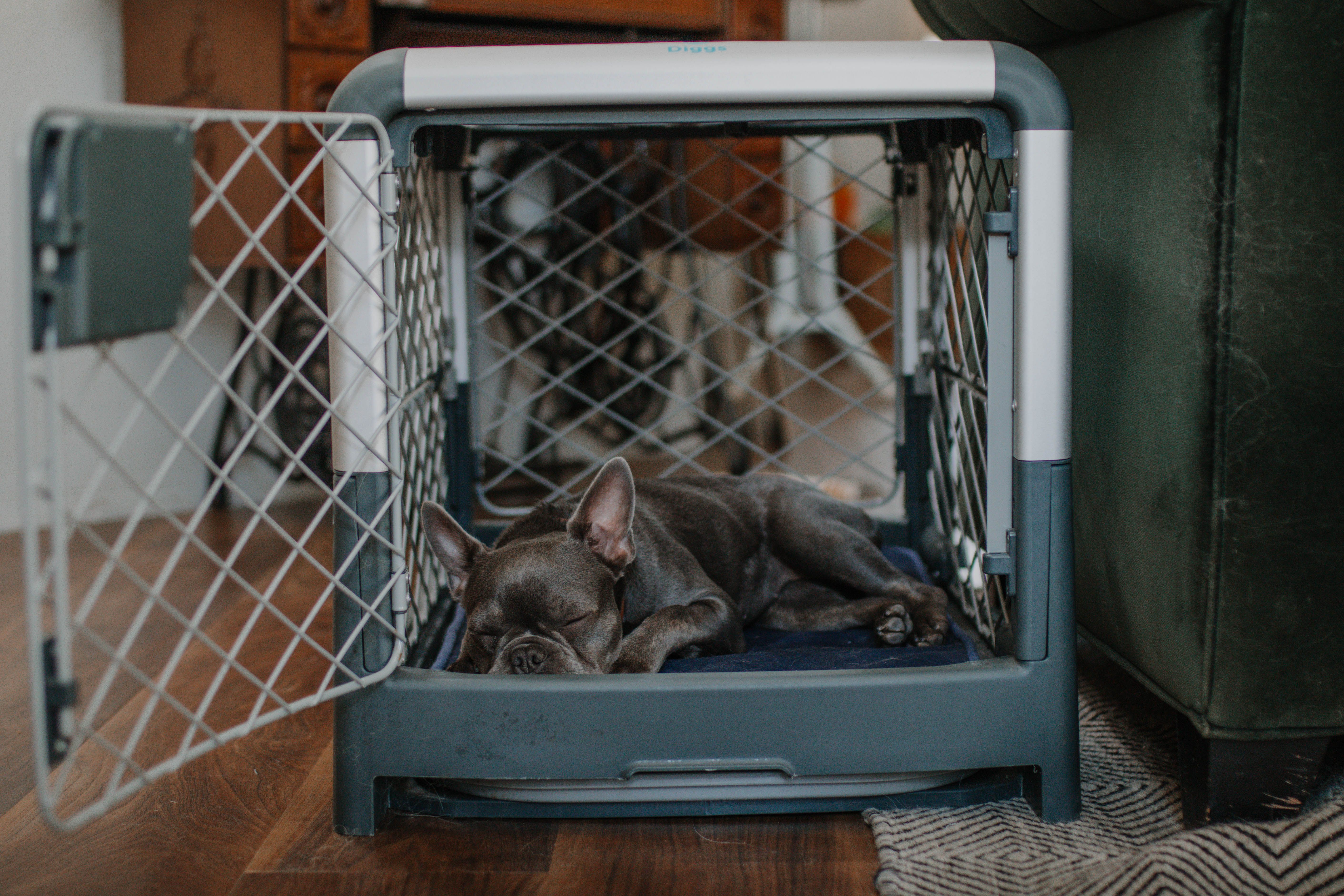
Your puppy needs fresh air inside the kennel. Look for kennels with enough holes or mesh sides. Add soft bedding for comfort and warmth. A cozy kennel helps your puppy relax and sleep well.
Credit: www.diggs.pet
Introducing The Kennel
Introducing a kennel to a puppy is an important step in training. The kennel will become a safe place for your puppy to rest and feel secure. Start by making the kennel inviting and comfortable. This helps your puppy accept it as their own space. Patience and care are key to a smooth introduction.
Creating A Positive Space
Place soft bedding inside the kennel. This makes it cozy and warm. Keep the kennel in a quiet area of the house. Avoid loud noises or busy spots. Your puppy will feel calm and relaxed. Add a small blanket or a piece of your clothing. Your scent helps your puppy feel safe.
Using Treats And Toys
Use treats to encourage your puppy to enter the kennel. Toss a treat inside and wait for your puppy to go in. Praise your puppy gently when they enter. Place favorite toys inside the kennel. Toys make the space fun and inviting. The puppy will look forward to spending time there.
Gradual Familiarization
Start with short visits to the kennel. Let your puppy explore freely without closing the door. Slowly increase the time your puppy stays inside. Close the door for a few seconds at first. Gradually extend the time as your puppy feels comfortable. This helps build trust and reduces fear.
Establishing A Routine
Establishing a routine helps puppies feel safe and understand what to expect. A steady schedule lowers anxiety and builds good habits. Consistency is key for kennel training success. Puppies learn faster when their daily activities follow a clear pattern. This section covers simple steps to create a balanced routine for your puppy.
Consistent Feeding Times
Feed your puppy at the same times each day. This predictability helps regulate digestion and bathroom habits. A regular feeding schedule also signals kennel time after meals. Avoid leaving food out all day. Scheduled meals encourage your puppy to settle calmly in the kennel.
Regular Kennel Sessions
Set fixed times for kennel breaks throughout the day. Short, frequent kennel stays build comfort and trust. Gradually increase kennel time as your puppy adjusts. Always make kennel time positive with treats or toys. Routine kennel sessions make the crate a safe, familiar space.
Balancing Play And Rest
Mix active play with quiet rest periods daily. Puppies need exercise to stay healthy and calm. After play, guide your puppy to the kennel for downtime. This balance prevents overexcitement and encourages relaxation inside the crate. A well-rested puppy learns kennel rules more easily.
Managing Separation Anxiety
Managing separation anxiety is key to successful kennel training. Puppies often feel scared or stressed when left alone. This can lead to barking, crying, or even accidents. Helping your puppy feel calm and safe in the kennel builds trust and good habits.
Short Departures
Start by leaving your puppy alone for very short times. Just a few minutes at first. Return before your puppy gets upset. Slowly increase the time away day by day. This helps your puppy learn that you always come back.
Calming Techniques
Use soft voices and gentle petting to soothe your puppy. Give a favorite toy or chew inside the kennel. Playing calm music can reduce stress. Try a special blanket with your scent. These small comforts make the kennel feel safe.
Avoiding Negative Associations
Never use the kennel as punishment. Your puppy must see it as a happy place. Avoid forcing your puppy inside. Instead, use treats and praise to encourage entry. This builds positive feelings and reduces fear over time.
Encouraging Good Behavior
Encouraging good behavior is key to successful kennel training. Puppies learn best through clear signals about what is right. Positive guidance helps them feel safe and confident in their kennel. Consistent training teaches puppies to see the kennel as a calm place.
Reward Systems
Reward good behavior immediately. Use treats, praise, or pets to show approval. This helps puppies connect actions with positive results. Keep rewards small and frequent during training. It motivates puppies to repeat good habits. Use words like “good” or “yes” to mark the right behavior. This builds a strong, positive bond between you and your puppy.
Ignoring Unwanted Actions
Do not give attention to bad behavior in the kennel. Puppies may bark or whine for attention. Avoid reacting to these actions. Ignoring unwanted actions teaches puppies these behaviors do not work. Stay calm and quiet until the puppy settles. This helps reduce negative behavior over time. Focus on rewarding calm and quiet moments instead.
Patience And Persistence
Training takes time. Puppies need repeated practice to learn well. Be patient and consistent with your approach. Keep training sessions short and regular. Avoid punishing mistakes; instead, guide gently toward the right behavior. Persistence builds trust and understanding in your puppy. Over time, good kennel habits become natural and steady.
Troubleshooting Common Issues
Troubleshooting common issues during kennel training helps keep your puppy calm. Problems like whining, accidents, or refusal to enter the kennel happen often. Understanding why these issues occur can make training easier. Patience and consistency work best to solve these challenges.
Whining And Barking
Whining or barking often means your puppy wants attention. They might feel lonely or scared inside the kennel. Avoid letting them out while whining. This teaches that noise leads to freedom.
Try giving a favorite toy or treat inside the kennel. Stay close but silent. This helps your puppy relax and learn quiet behavior.
Accidents Inside The Kennel
Accidents happen when puppies cannot hold their bladder. Make sure your puppy has bathroom breaks before kennel time. Keep the kennel clean to prevent bad smells.
Use puppy pads at first if needed. Praise your puppy for going outside. This encourages good bathroom habits.
Refusal To Enter
Puppies may avoid the kennel if they feel trapped. Use treats to make the kennel inviting. Place food or toys inside to attract them.
Never force your puppy inside. Let them enter at their own pace. Gradually increase kennel time to build comfort and trust.
Using Kennel Training For Safety
Kennel training helps keep your puppy safe in many ways. It creates a secure space where your dog feels calm. This training also protects your puppy from danger. Using a kennel makes daily life easier and safer for both of you.
Travel Preparation
Travel can be stressful for puppies. A kennel offers a familiar place during trips. Place your puppy in the kennel before travel to reduce anxiety. It keeps your puppy secure in cars or planes. Kennel training helps your dog stay calm on the move.
Preventing Destructive Behavior
Puppies explore with their mouths, which can lead to chewing. A kennel stops your puppy from damaging furniture or dangerous items. It limits access to harmful objects in your home. Kennel time teaches your puppy to relax and wait calmly.
Safe Space During Visitors
Visitors can overwhelm a young puppy. A kennel gives your puppy a quiet retreat during busy times. It prevents accidental injuries from excited guests. Your puppy learns to stay calm and feel safe with people around. This space is important for building trust and security.

Credit: www.pumpkin.care
Frequently Asked Questions
How Long Should A Puppy Stay In A Kennel Daily?
Start with short periods of 15-20 minutes and gradually increase. Avoid exceeding 3-4 hours during the day to prevent stress and accidents. Overnight stays can be longer but ensure comfort, water, and bathroom breaks.
What’s The Best Kennel Size For A Puppy?
Choose a kennel large enough for your puppy to stand, turn around, and lie down comfortably. Avoid too large kennels to prevent using corners as a bathroom. Proper sizing aids effective training and comfort.
How Do I Make Kennel Training Positive For My Puppy?
Use treats, toys, and praise to create positive associations. Introduce the kennel gradually, keeping sessions short and calm. Avoid forcing or punishing your puppy, ensuring the kennel is a safe, cozy space.
Can Kennel Training Help With Potty Training?
Yes, kennel training encourages puppies to hold their bladder. Puppies avoid soiling their sleeping area naturally. Consistent kennel use helps establish a reliable potty schedule and reduces accidents.
Conclusion
Kennel training a puppy takes time and patience. Keep sessions short and positive. Praise your puppy often for good behavior. Create a safe and comfortable kennel space. Be consistent with your training routine every day. Puppies learn best with gentle guidance and love.
Soon, your puppy will enjoy their kennel time. Trust the process and stay calm always. This helps your puppy feel safe and happy. Enjoy building a strong bond with your new friend.


