

If you have a female dog, you’ve probably noticed some changes in her behavior when she’s in heat. These changes can be confusing and sometimes frustrating, especially if you don’t know what to expect.
Understanding your dog’s behavior during this time is key to keeping her comfortable and managing her needs effectively. You’ll discover the common signs your dog shows in heat, why she acts the way she does, and practical tips to help both of you get through this phase smoothly.
Keep reading to learn how to support your furry friend when she needs it most.
Signs Of A Dog In Heat
Knowing the signs of a dog in heat helps pet owners care for their pets better. Dogs show clear signals during this time. These signs include changes in their body and behavior. Recognizing these signs early is important for proper care and safety.
Physical Symptoms
One common sign is swelling of the dog’s vulva. This area looks larger and sometimes redder than usual. You may notice a bloody discharge. It can be light or heavy, lasting several days. Female dogs also lick this area more often. They may urinate more frequently. These physical signs show the dog is ready to mate.
Behavioral Changes
Behavior changes are easy to spot. Dogs in heat may become more restless or anxious. They might bark or whine more than usual. Some dogs try to escape or roam outside. They may show more affection to people or other pets. Others may become more aggressive or protective. These behaviors help dogs attract male dogs nearby.
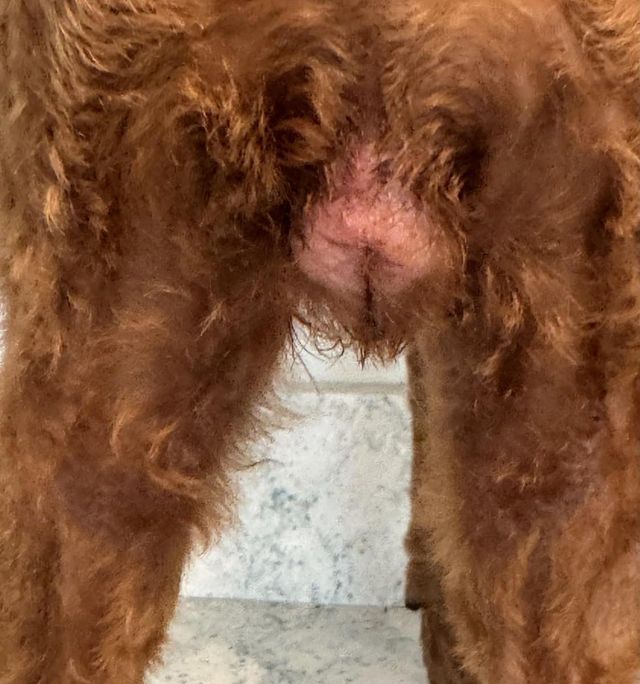
Credit: www.careanimalclinic.com
Heat Cycle Stages
Understanding the heat cycle stages helps you know your dog’s behavior better. The cycle has four main parts. Each stage shows different signs in your dog. Knowing these signs helps in care and safety.
Proestrus Phase
This stage lasts about 7 to 10 days. You may see swelling in the dog’s vulva. There is usually a bloody discharge. Your dog may act restless or nervous. She will attract male dogs but will not accept them yet.
Estrus Phase
Estrus lasts 5 to 9 days. This is the time your dog is fertile. The discharge may change to a lighter color. Your dog will allow males to mate. She may show more affection and raise her tail. Watch for changes in her behavior closely.
Diestrus And Anestrus
Diestrus follows estrus and lasts about 60 days. Your dog stops accepting males. The vulva returns to normal size. If pregnant, she will start showing signs. If not, she enters anestrus, a resting phase. This phase lasts until the next cycle starts.
Managing Your Dog’s Behavior
Managing your dog’s behavior during her heat cycle needs patience and care. This time can be stressful for both you and your dog. Understanding her needs helps keep her calm and safe. Your actions can reduce her discomfort and avoid problems.
Dealing With Restlessness
Dogs in heat often feel restless and uneasy. They may pace or whine more than usual. Give her a quiet, comfortable space to relax. Gentle petting can soothe her nerves. Short walks help burn extra energy and reduce anxiety. Avoid loud noises or busy places that might upset her. Stay calm yourself; your calmness can help her feel safe.
Preventing Unwanted Pregnancy
Preventing pregnancy is important during this time. Keep your dog indoors or in a secure yard. Always watch her closely when outside. Avoid letting male dogs near her. Use a well-fitting dog diaper to reduce attraction. Spaying is the best long-term solution to prevent heat cycles. Talk with your vet about the right time for spaying. Careful management stops surprises and keeps your dog healthy.
Hygiene And Care Tips
Dogs in heat need special care to stay clean and comfortable. Their bodies go through changes that require extra hygiene. Proper care helps prevent infections and keeps your dog happy. Simple steps can make a big difference during this time.
Cleaning And Grooming
Clean your dog often to remove discharge. Use warm water and a soft cloth to gently wipe her private area. Avoid harsh soaps that can irritate the skin. Bathing your dog regularly helps stop smells and keeps her fresh.
Brush her fur to prevent matting and dirt buildup. Keep nails trimmed to avoid scratches. Check for redness or swelling daily. Prompt attention can stop problems before they start.
Using Protective Products
Protective products reduce mess and protect furniture. Dog diapers or heat pants are useful. Choose soft, breathable materials for comfort. Change them frequently to keep skin dry.
Use pet-safe wipes for quick cleaning between baths. Avoid human products that may harm your dog. Protective pads placed in resting areas help keep spaces clean.
When To Consult A Vet
Dogs in heat show many normal behaviors. Some behaviors need a vet’s check to keep your dog safe. Knowing when to consult a vet can protect your dog’s health and comfort. Pay close attention to changes in behavior or health during this time.
Signs Of Health Issues
Watch for heavy bleeding or foul smell. This can mean infection or injury. Sudden fever or loss of appetite needs a vet visit. If your dog seems very tired or weak, see a vet soon. Swelling that does not go down after heat may signal a problem. Unusual discharge or constant licking of the area also needs attention.
Spaying Considerations
Spaying stops heat cycles and lowers health risks. Talk to your vet about the best time for spaying. Some vets recommend spaying before the first heat. Others suggest waiting until after one heat cycle. Spaying helps avoid unwanted puppies and some cancers. Your vet will guide you on the safest option for your dog.

Credit: basepaws.com
Training Adjustments During Heat
Training a dog during her heat cycle requires patience and flexibility. Hormonal changes affect her behavior and focus. Small adjustments in training can help maintain progress and reduce frustration.
Understanding your dog’s needs during this time is key. Adjusting commands and routines helps her stay calm and attentive. Avoiding stressful situations prevents anxiety and unwanted behaviors.
Adapting Commands And Routines
Use simple, clear commands with a calm voice. Shorten training sessions to keep her interest. She may get tired or distracted faster than usual. Repeat commands gently and reward her often. Avoid introducing new tricks or complex tasks now. Stick to familiar routines to provide comfort and stability.
Avoiding Stressful Situations
Limit exposure to noisy or crowded places. Other dogs can increase her stress or excitement. Avoid long walks near male dogs to reduce distractions. Create a quiet space at home for rest. Watch for signs of irritability or anxiety. Pause training if she seems overwhelmed. Focus on gentle affection and patience during this time.
Credit: basepaws.com
Frequently Asked Questions
What Behaviors Indicate A Dog Is In Heat?
Dogs in heat often show swelling of the vulva, increased urination, and a bloody discharge. They may also become more affectionate or restless. Some dogs display changes in appetite and mood, while others might try to escape to find a mate.
How Long Does A Dog Stay In Heat?
A typical heat cycle lasts about 2 to 3 weeks. The most fertile period occurs around days 9 to 14. However, this can vary slightly depending on the dog’s breed and individual health.
Can Dogs In Heat Be Around Other Dogs Safely?
Dogs in heat attract male dogs and may behave aggressively or defensively. It’s best to avoid contact with intact males to prevent unwanted mating and stress. Supervised interactions with spayed or neutered dogs are usually safe.
How To Comfort A Dog During Her Heat Cycle?
Provide a calm environment and extra attention. Use dog diapers to manage discharge and maintain hygiene. Regular exercise helps reduce restlessness. Avoid stressful situations or changes during this sensitive period for your dog’s well-being.
Conclusion
Dogs in heat show many changes in behavior. They may act restless or seek more attention. Understanding these signs helps you care for your pet better. Keep your dog safe and comfortable during this time. Patience and gentle care make a big difference.
Remember, this phase is natural and temporary. Watching your dog closely helps prevent problems. Every dog is unique, so observe their needs closely. Caring well now leads to a happier, healthier dog later.
