
Have you ever wondered how to become a service dog trainer? If you love dogs and want to make a real difference in people’s lives, this career path could be perfect for you.
Training service dogs takes patience, skill, and heart, but the rewards are incredible. Imagine helping someone gain independence and confidence with the support of a well-trained dog. You’ll discover exactly what steps you need to take to become a service dog trainer and start making an impact today.
Keep reading—you’re closer than you think to turning your passion into a meaningful profession.
Credit: www.servicedogcertifications.org
Roles Of A Service Dog Trainer
Service dog trainers play a vital role in preparing dogs to help people with disabilities. Their work shapes dogs into reliable helpers. These trainers teach dogs special skills. They also help owners learn how to work with their service dogs. This job requires patience, care, and knowledge.
Understanding the roles of a service dog trainer reveals the scope of their work. It shows the different types of dogs they train, their daily tasks, and the skills they need. This knowledge is essential for anyone interested in becoming a service dog trainer.
Types Of Service Dogs
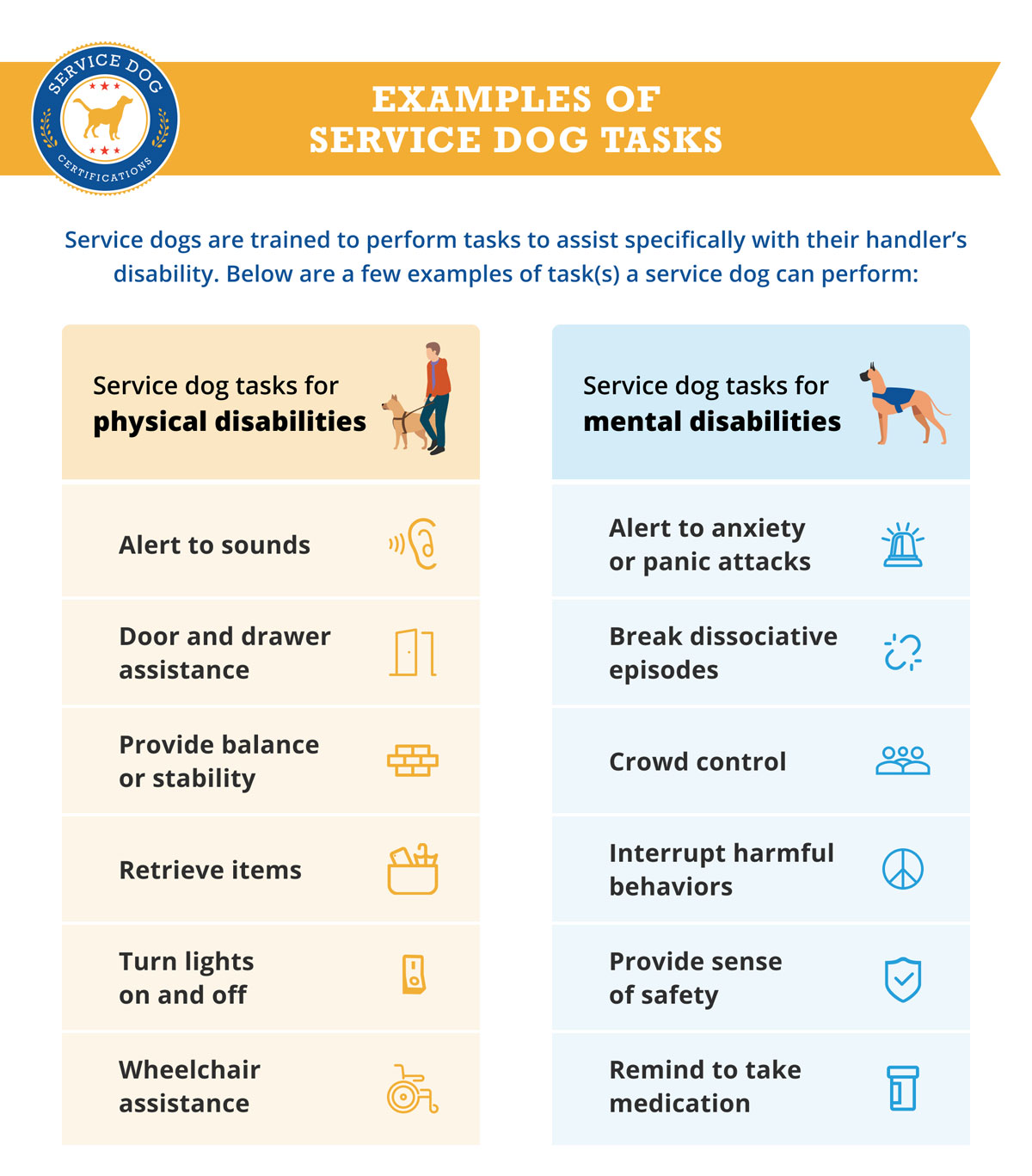
Service dogs serve many purposes. Some guide people who cannot see. Others assist those with hearing problems. There are dogs trained to help people with mobility issues. Some service dogs alert owners to medical conditions. Trainers must know the special skills each type needs.
Key Responsibilities
Trainers teach dogs to obey commands and behave well. They help dogs learn tasks like opening doors or fetching items. Trainers test dogs to ensure they perform tasks correctly. They also work with the dog’s future owner for smooth teamwork. Regular practice and training updates are part of their duties.
Skills Required
Patience is crucial for training dogs step-by-step. Trainers need good communication skills to teach owners. Knowledge of dog behavior helps in handling challenges. Physical fitness is important to manage active dogs. Trainers must be observant to spot progress or problems early.
Essential Qualifications
Becoming a service dog trainer requires certain key qualifications. These qualifications help ensure trainers can properly prepare dogs to assist people. Understanding these essentials is important before starting this career. They cover education, certifications, and hands-on experience.
Educational Background
A high school diploma is the minimum education needed. Many trainers also study animal behavior or psychology. Courses in dog training techniques help a lot. Learning about animal health and care is useful too. Some trainers earn degrees in related fields. This education builds a strong foundation for training work.
Certifications And Licenses
Certification shows a trainer’s skills and knowledge. Various organizations offer service dog trainer certificates. These often require passing tests and practical exams. Some states require licenses to work as a trainer. Certificates and licenses increase trust with clients. They prove trainers meet professional standards.
Relevant Experience
Hands-on experience is vital for service dog trainers. Working with dogs daily improves training skills. Volunteering at shelters or training centers helps gain experience. Shadowing experienced trainers teaches valuable techniques. Experience with different dog breeds is important. It prepares trainers to handle many training challenges.
Training Techniques
Training techniques shape a service dog’s skills and behavior. Trainers use clear, simple methods to teach the dog. These methods build trust and help the dog learn faster. Understanding key techniques is important for anyone who wants to train service dogs.
Each technique focuses on different aspects of learning. Trainers mix these methods to meet the dog’s needs. This approach helps the dog perform tasks reliably and safely.
Positive Reinforcement
Positive reinforcement means rewarding good behavior. Trainers give treats, praise, or play to encourage the dog. This makes the dog want to repeat the behavior. It is gentle and builds a strong bond between trainer and dog. This method helps dogs learn commands without fear or stress.
Behavioral Conditioning
Behavioral conditioning teaches dogs to respond to specific cues. Trainers use repetition and consistency to shape behavior. They reward correct actions and ignore mistakes. Over time, the dog learns to associate commands with actions. This method helps form good habits and control impulses.
Task-specific Training
Task-specific training focuses on skills the dog must perform. Each service dog learns tasks based on the handler’s needs. Trainers break tasks into small steps for easy learning. They practice these tasks regularly to improve accuracy. This training ensures the dog can assist safely and effectively every day.
Credit: www.servicedogcertifications.org
Gaining Practical Experience
Gaining practical experience is key to becoming a skilled service dog trainer. It helps you understand dogs’ behavior and training needs. Hands-on work builds confidence and skills that books cannot teach. This experience also shows future clients and employers your dedication and ability.
Apprenticeships And Internships
Apprenticeships and internships offer real training experience. You work under an expert trainer’s guidance. This lets you watch techniques and try them yourself. Tasks may include basic training, feeding, and caring for dogs. These roles often lead to job offers and good references.
Volunteering Opportunities
Volunteering at animal shelters or training centers helps build skills. You meet many dogs and learn different behaviors. Volunteers often assist with socializing and simple training. This experience is free and shows your passion for helping dogs. It also helps you network with professionals in the field.
Working With Professional Trainers
Working alongside professional trainers gives inside knowledge. You learn advanced training methods and problem-solving. Observing their work improves your understanding of dog behavior. This work may include attending training sessions and handling dogs. It prepares you for independent work as a service dog trainer.
Building A Career
Building a career as a service dog trainer takes more than skills. It needs planning, connections, and learning. Trainers shape dogs to help people live better lives. This work is rewarding but requires dedication and smart choices.
Starting with the right steps can lead to steady growth. Trainers often build their own path by starting a business, meeting others in the field, and keeping their knowledge fresh. Each step helps trainers improve and find new opportunities.
Starting Your Own Training Business
Many trainers begin by offering services in their community. Setting up a business means choosing a clear focus and service style. Simple steps like registering the business and creating a website help attract clients. Good communication builds trust and brings repeat customers. Quality service leads to referrals and growth.
Networking In The Field
Connecting with other trainers and organizations opens doors. Attending workshops and meetings helps build relationships. Sharing ideas and experiences makes learning easier. Networking can lead to partnerships and new clients. Being part of a community supports growth and success.
Continuing Education
Training methods change as new research appears. Trainers who keep learning stay effective and respected. Courses, seminars, and online classes offer fresh skills. Understanding new techniques improves training quality. Lifelong learning keeps trainers competitive and confident.
Challenges And Rewards
Becoming a service dog trainer involves many challenges and great rewards. The journey tests patience, skill, and commitment. Trainers face hard moments but see amazing results. The work changes lives, both for dogs and people.
Common Obstacles
Training service dogs takes time and effort. Each dog learns at its own pace. Some dogs face health or behavior problems. Trainers must handle setbacks with care and calm. Finding the right dog can also be tough. Funding and resources may be limited too. These challenges require strong will and passion.
Success Stories
Many trainers share stories of hope and joy. A trained dog can help a person live independently. Dogs alert to seizures or guide the blind. These success stories inspire trainers to continue. They show the real impact of hard work. Each victory, big or small, brings pride.
Personal Fulfillment
Training service dogs brings deep personal joy. Seeing a dog and handler bond is special. Trainers feel proud of their role in this process. The work builds confidence and skills every day. Helping others and animals creates true meaning. This career offers a unique and rewarding path.

Credit: www.animalbehaviorcollege.com
Frequently Asked Questions
What Education Is Needed To Become A Service Dog Trainer?
A high school diploma is the minimum requirement. Many trainers pursue certifications in dog training or animal behavior. Specialized courses in service dog training enhance skills and credibility. Continuous learning is key in this evolving field.
How Long Does It Take To Train As A Service Dog Trainer?
Training can take from several months to a few years. It depends on the program and hands-on experience gained. Apprenticeships with experienced trainers speed up the learning process. Consistent practice is essential for mastery.
What Skills Are Essential For A Service Dog Trainer?
Patience, communication, and observation skills are crucial. Trainers must understand dog behavior and client needs. Physical stamina helps during long training sessions. Problem-solving abilities ensure effective training outcomes.
Can I Train Service Dogs Independently At Home?
Yes, but professional guidance is recommended. Accredited programs provide structured knowledge and techniques. Independent training risks missing crucial behavioral cues. Certification improves trust with clients and employers.
Conclusion
Becoming a service dog trainer takes patience and care. You need to learn about dog behavior and training skills. Practice with different dogs to gain real experience. Certification helps prove your knowledge and skills. Stay patient and consistent with each dog you train.
Helping dogs change lives is a rewarding journey. Keep learning and growing as you work. This path requires dedication but offers great satisfaction. Start small, stay focused, and enjoy the process. Your work makes a difference every day.


