

You want your dog to look and feel their best, right? Grooming isn’t just about keeping your furry friend clean—it’s about their health, happiness, and comfort.
But if you’re not sure where to start or how to do it right, it can feel overwhelming. Don’t worry. This guide will walk you through simple, effective steps to groom your dog at home. By the end, you’ll have the confidence to keep your pet looking great and feeling fantastic every day.
Ready to make grooming easy and enjoyable for both you and your dog? Let’s dive in.
Grooming Basics
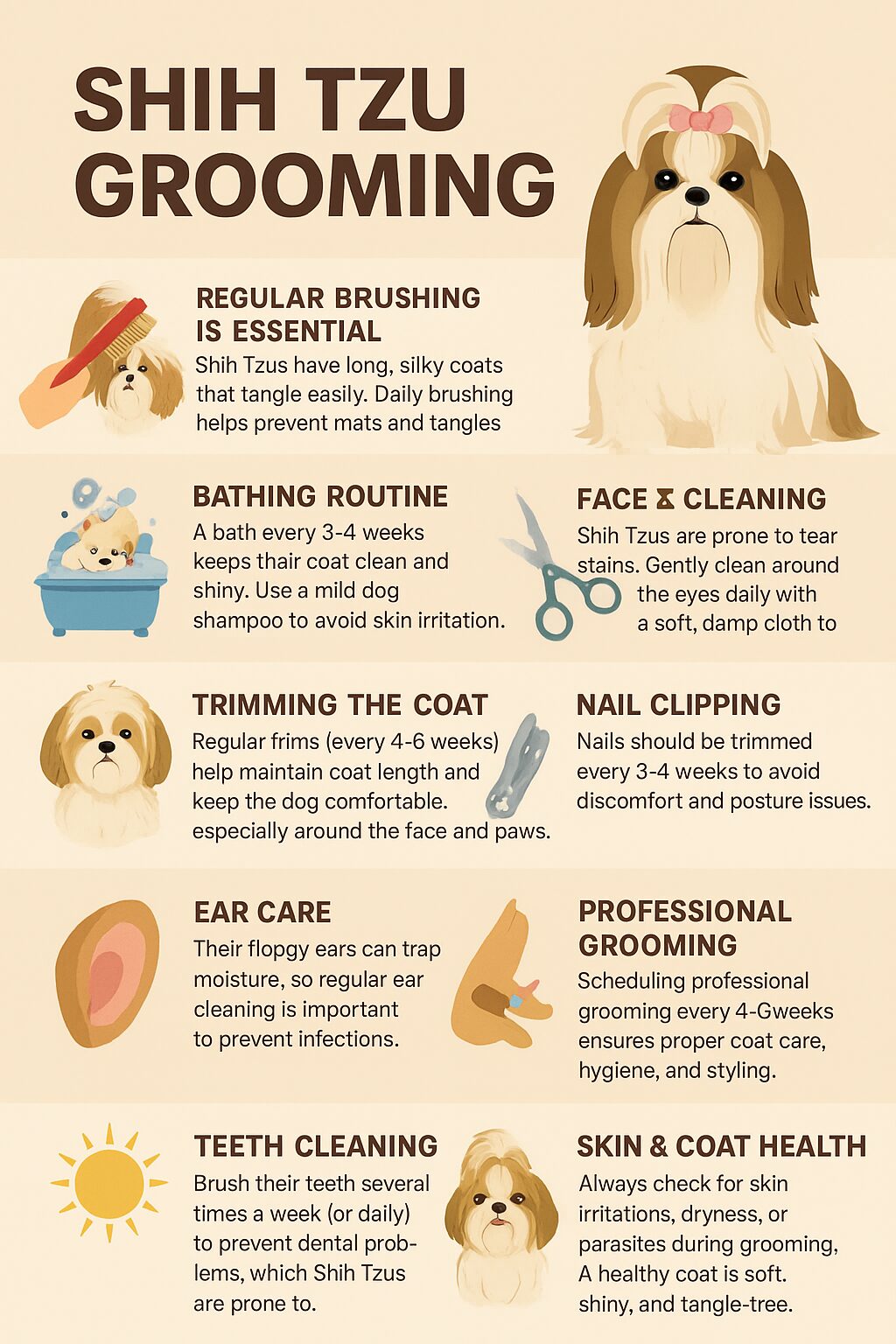
Grooming your dog keeps them healthy and happy. It helps remove dirt and loose hair. Regular grooming also shows signs of skin problems early. Starting with the basics makes grooming easier and safer for your pet.
Understanding what tools to use, which shampoo fits best, and how to set up your space matters. These steps create a calm environment for your dog. This section covers the essentials every dog owner should know before grooming.
Essential Tools You Need
Gathering the right tools saves time and stress. A slicker brush removes loose fur and tangles. A comb helps smooth the coat and check for fleas. Nail clippers keep nails short and healthy. Scissors are useful for trimming around sensitive areas. A sturdy towel dries your dog after baths. Having all tools nearby keeps grooming smooth and quick.
Choosing The Right Shampoo
Pick a shampoo made for dogs, not humans. Dog skin has a different pH level and needs special care. Look for gentle formulas that suit your dog’s coat type. Avoid shampoos with strong chemicals or fragrances. Hypoallergenic shampoos reduce risk of irritation. Rinse thoroughly to prevent residue buildup. Clean skin means a happy and itch-free dog.
Setting Up A Grooming Space
Choose a quiet, comfortable spot for grooming. A non-slip surface keeps your dog steady and safe. Good lighting helps you see dirt and tangles clearly. Have all tools within reach before starting. Keep treats nearby to reward calm behavior. A calm space makes grooming less scary. This helps build trust and cooperation over time.
Credit: brooklynpetspa.com
Brushing Techniques
Brushing your dog is a key part of grooming. It keeps your dog’s coat clean and healthy. Brushing also helps you check for ticks, dirt, and skin problems. Using the right technique makes brushing easier and more effective. Here are some tips to help you brush your dog the right way.
Types Of Brushes For Different Coats
Different dogs need different brushes. For short coats, use a bristle brush. It removes loose hair and dirt gently. For medium or long coats, try a slicker brush. It helps remove tangles and mats. Dogs with thick or double coats do well with an undercoat rake. This tool clears dead hair from the bottom layer. Choose the brush that fits your dog’s coat type for best results.
How Often To Brush Your Dog
Short-haired dogs need brushing once a week. This keeps their coat smooth and shiny. Dogs with longer hair need brushing more often. Brush them two to three times a week to avoid mats. Dogs with very thick coats may need daily brushing. Regular brushing helps keep your dog’s skin healthy and coat clean.
Preventing Mats And Tangles
Start brushing from your dog’s head and move toward the tail. Use gentle strokes to avoid hurting your dog. Pay extra attention to areas behind the ears and under the legs. These spots get tangled easily. Use a detangling spray if your dog has thick fur. If you find mats, try to loosen them with your fingers first. Then use a comb or slicker brush carefully. Regular brushing stops mats from forming and keeps your dog comfortable.
Bathing Your Dog
Bathing your dog is a key part of grooming. It keeps their coat clean and healthy. Proper baths also help reduce odors and skin problems. Dogs enjoy baths when done gently and correctly. Below is a clear guide to help you bathe your dog with ease and care.
When To Bathe Your Dog
Bathe your dog only when needed. Too many baths can dry their skin. A good rule is every 4 to 6 weeks. Dogs that swim or get dirty often may need more baths. Check your dog’s coat and smell. If they are dirty or smell bad, it is time.
Step-by-step Bathing Process
Start by brushing your dog to remove loose hair. Use lukewarm water to wet their coat fully. Apply dog-friendly shampoo and massage gently. Avoid eyes and inside ears. Rinse well to remove all shampoo. Use conditioner if your dog has dry skin. Rinse again to keep the coat soft.
Drying Tips For Comfort
Use a towel to pat your dog dry carefully. Avoid rubbing hard to prevent tangles. If your dog allows, use a blow dryer on low heat. Keep the dryer moving and not too close. Let your dog rest in a warm room until fully dry. This keeps them comfortable and calm.
Nail Care
Nail care is an important part of grooming your dog. Healthy nails help your dog walk comfortably. Long nails can cause pain or injury. Regular trimming keeps nails at a safe length. It also prevents damage to floors and furniture. Nail care can be easy with the right tools and knowledge.
How To Trim Nails Safely
Use a sharp nail clipper made for dogs. Hold your dog’s paw gently but firmly. Trim small bits of the nail at a time. Avoid cutting into the quick, the pink part inside the nail. The quick contains blood vessels and nerves. Cutting it causes pain and bleeding. If unsure, trim only the white tip. Use a styptic powder or pencil to stop bleeding if needed. Praise your dog to keep the experience positive.
Signs Your Dog’s Nails Need Attention
Check nails every two to four weeks. Watch for nails that touch the ground. Overgrown nails can curl or split. Your dog may limp or avoid walking. Scratching on floors or furniture is another sign. Listen for clicking sounds on hard surfaces. These signs mean the nails are too long. Regular checks help catch problems early.
Ear Cleaning
Cleaning your dog’s ears is key to keeping them healthy. Dirt, wax, and moisture can build up inside. This can cause discomfort and infections. Regular ear cleaning helps prevent these problems. It also keeps your dog feeling good and happy.
Identifying Ear Problems
Check your dog’s ears often for signs of trouble. Look for redness or swelling inside the ear. Watch for bad smells coming from the ear canal. Notice if your dog scratches or shakes its head a lot. These signs may mean an infection or allergy. Early detection helps to treat ear issues quickly.
Safe Cleaning Methods
Choose a gentle ear cleaner made for dogs. Avoid using cotton swabs deep inside the ear. Use a soft cloth or cotton ball instead. Apply the cleaner and gently wipe the outer ear. Let your dog shake its head to remove excess fluid. Dry the ear well to stop moisture buildup. Clean ears once every few weeks or as needed.
Credit: www.newsweek.com
Dental Hygiene
Dental hygiene is a key part of grooming your dog. Healthy teeth help your dog eat well and avoid pain. Poor dental care can cause bad breath and serious health problems. Regular cleaning keeps your dog’s mouth fresh and strong.
Brushing Your Dog’s Teeth
Brushing your dog’s teeth removes plaque and prevents tartar. Use a toothbrush made for dogs or a soft child’s brush. Pick a toothpaste with flavors your dog likes, never human toothpaste. Brush gently in small circles, focusing on the gum line. Start slowly to get your dog used to brushing. Aim to brush your dog’s teeth at least twice a week.
Choosing Dental Chews And Toys
Dental chews and toys help clean teeth and massage gums. Choose chews made for your dog’s size and chewing strength. Chewing can reduce plaque buildup and freshen breath. Toys with ridges or bumps work well to clean teeth. Always supervise your dog with chews and toys to avoid choking. Replace worn-out toys to keep dental care effective.
Coat Maintenance
Keeping your dog’s coat healthy is key to their overall well-being. Regular coat maintenance helps prevent mats and keeps skin clean. It also makes your dog feel comfortable and look good. Simple daily care can make a big difference.
Dealing With Shedding
Shedding is natural for most dogs. Some shed more than others. Use a brush designed for your dog’s coat type. Brush gently but thoroughly to remove loose hair. Doing this daily reduces hair around the house and stops mats from forming. Bathing your dog regularly also helps control shedding. Choose a mild shampoo made for dogs.
Seasonal Grooming Adjustments
Dogs often change coats with the seasons. They grow thicker fur in winter and shed it in spring. Increase brushing during these times to remove dead hair. Shorten the bath schedule when skin gets dry in colder months. In warmer months, bathe more often to keep skin fresh. Adjust your grooming tools and routine as the season changes.

Credit: tweezerman.com
Handling Grooming Anxiety
Grooming can be stressful for many dogs. Some feel scared or nervous during brushing or baths. Handling grooming anxiety with care helps your dog stay calm. It also makes grooming easier and safer for both of you.
Calming Techniques During Grooming
Start by creating a quiet and comfortable space. Speak softly to your dog throughout the session. Use gentle, slow movements to avoid startling them. Offer small treats to reward calm behavior. Short grooming sessions work better than long ones. Try using a favorite toy to distract your dog. Play soft music to soothe anxious pets. Take breaks if your dog looks stressed or restless.
When To Seek Professional Help
Some dogs need more than home grooming support. Look for signs like trembling, growling, or biting. If grooming causes too much fear, visit a professional groomer. Professionals have tools and skills to handle anxious dogs. They know how to keep pets calm and safe. A vet can also help if anxiety is severe. They might suggest medication or special training.
Frequently Asked Questions
How Often Should I Groom My Dog?
Groom your dog every 4 to 6 weeks to maintain cleanliness and coat health. Regular grooming prevents matting and skin issues. Frequency depends on breed and coat type.
What Tools Do I Need For Dog Grooming?
Essential tools include a brush, comb, nail clippers, shampoo, and scissors. Choose tools based on your dog’s coat type and size for best results.
How Do I Safely Trim My Dog’s Nails?
Use a sharp nail clipper and trim small amounts to avoid cutting the quick. Reward your dog to reduce stress. If unsure, consult a professional groomer.
Can I Bathe My Dog At Home?
Yes, use dog-specific shampoo and lukewarm water. Avoid human shampoos as they can irritate your dog’s skin. Dry your dog thoroughly after bathing.
Conclusion
Grooming your dog keeps them healthy and happy. Regular brushing removes dirt and loose hair. Bathing helps keep their coat clean and shiny. Trim nails carefully to avoid discomfort. Check ears and teeth for any issues. Make grooming a calm and positive time.
Your dog will enjoy the attention and care. Small steps every day make a big difference. Stay patient and gentle during grooming sessions. A well-groomed dog is a joyful companion. Keep these tips in mind for best results.


