

Have you ever caught your dog humping and wondered why it happens? You’re not alone.
This behavior can be confusing and even embarrassing, but understanding it can help you respond the right way. You’ll discover the real reasons behind dog humping and learn simple steps to manage or stop it. Keep reading to get clear answers and take control of your dog’s behavior today.
Credit: goodheartbroadway.com
Reasons Behind Dog Humping
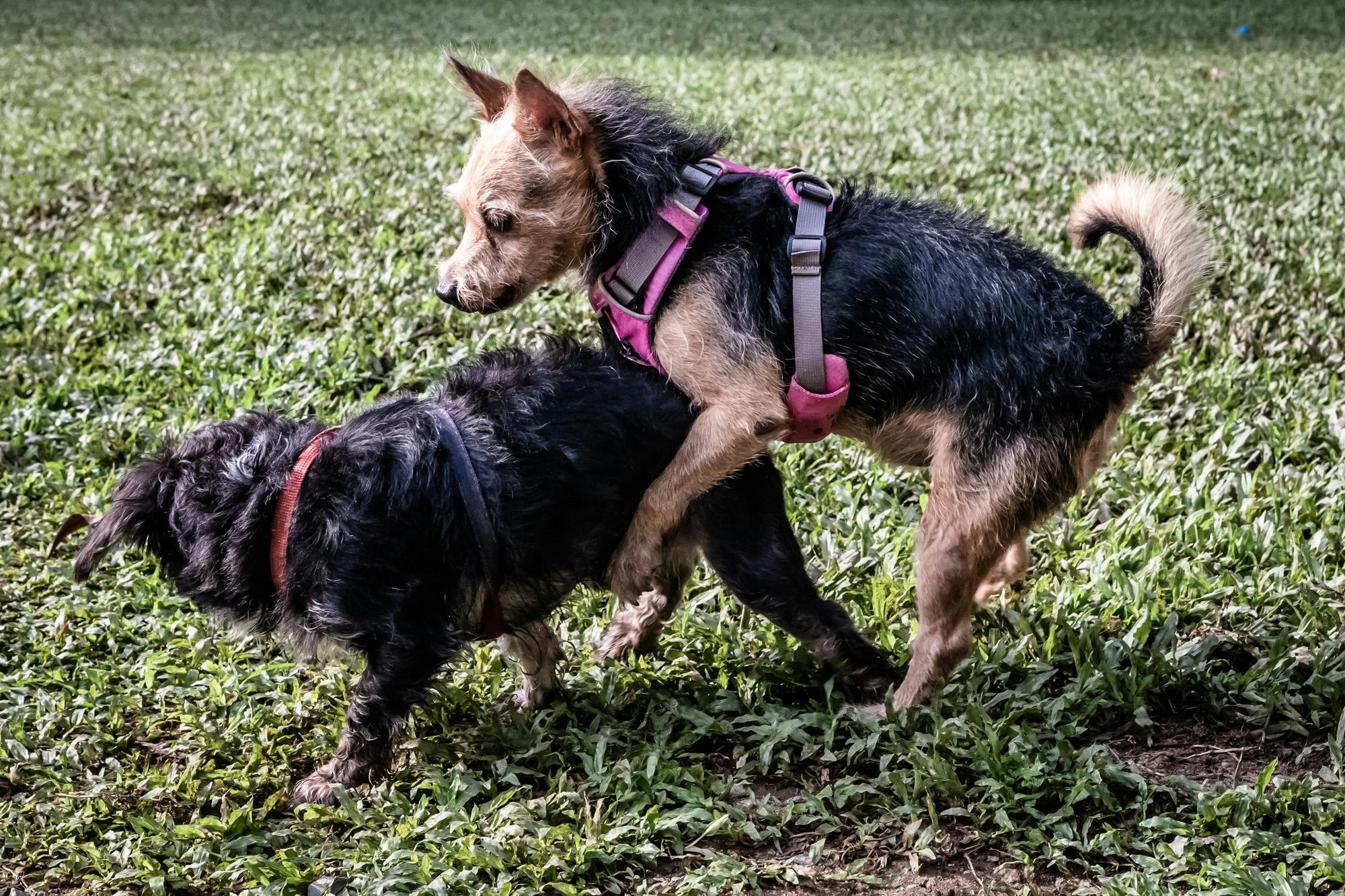
Dog humping is a common behavior that many pet owners notice. It can seem strange or embarrassing. Understanding why dogs hump helps manage the behavior better. Dogs hump for several reasons. Each reason comes from different feelings or needs.
Hormonal Influences
Hormones play a big role in dog humping. Intact dogs, especially males, often hump due to sexual urges. Female dogs may also hump during their heat cycle. Neutered or spayed dogs can still show this behavior. Hormones affect their drive and actions.
Excitement And Playfulness
Dogs often hump during play or excitement. It is a way to release energy. Puppies and young dogs use humping as part of their play routine. This behavior is not always sexual. It shows their high energy and joy.
Stress And Anxiety
Humping can be a sign of stress or anxiety. Dogs may hump to calm themselves. It acts like a comfort mechanism. Changes in environment or routine can trigger this behavior. Observing other signs helps identify stress.
Medical Issues
Sometimes humping is related to health problems. Urinary tract infections or allergies can cause discomfort. Dogs may hump to relieve irritation. If humping increases suddenly, a vet visit is wise. Treating medical issues stops this behavior.
Attention-seeking Behavior
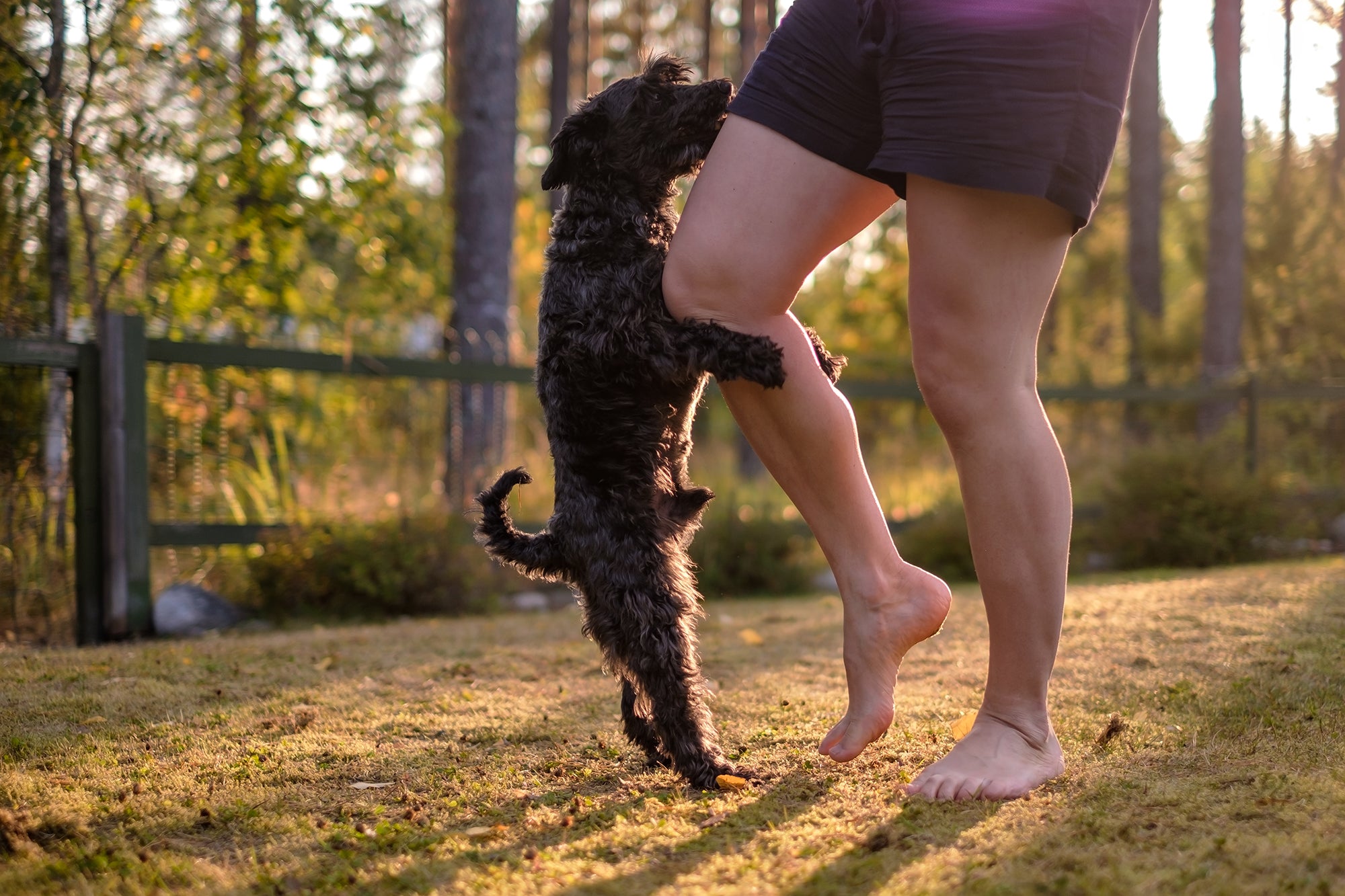
Dogs learn that humping gets attention from owners. Even negative reactions can encourage it. This is a way to ask for interaction. Dogs want to feel noticed and loved. Ignoring the behavior can reduce its frequency.
When To Be Concerned
Dog humping can be normal behavior, but it sometimes signals a problem. Knowing when to be concerned helps keep your dog happy and healthy. Watch your dog’s actions carefully. Notice changes in how often or how strongly they hump. Observe how this behavior affects your dog’s social life. Look for signs your dog might be uncomfortable or in pain.
Frequency And Intensity
Humping a few times now and then is usually harmless. But constant or very strong humping needs attention. If your dog humps many times daily, it may show stress or anxiety. Intense humping that seems hard to stop can indicate a deeper issue. Track how often and how hard your dog humps. This information helps your vet understand the problem.
Impact On Social Interactions
Humping can upset other dogs or people. If your dog’s behavior causes fights or fear, it is a problem. Social problems can lead to isolation or aggression in your dog. Notice if your dog loses friends or playmates. Problems with other dogs or family members need addressing. Good social skills are important for your dog’s well-being.
Signs Of Discomfort Or Pain
Humping might hide pain or discomfort in some cases. Watch for limping, licking, or swelling near the hips or genitals. Sudden changes in behavior can mean pain. Your dog may seem restless or whiny. Dogs cannot tell us when they hurt. Observing these signs helps catch health issues early.
Training Techniques To Reduce Humping
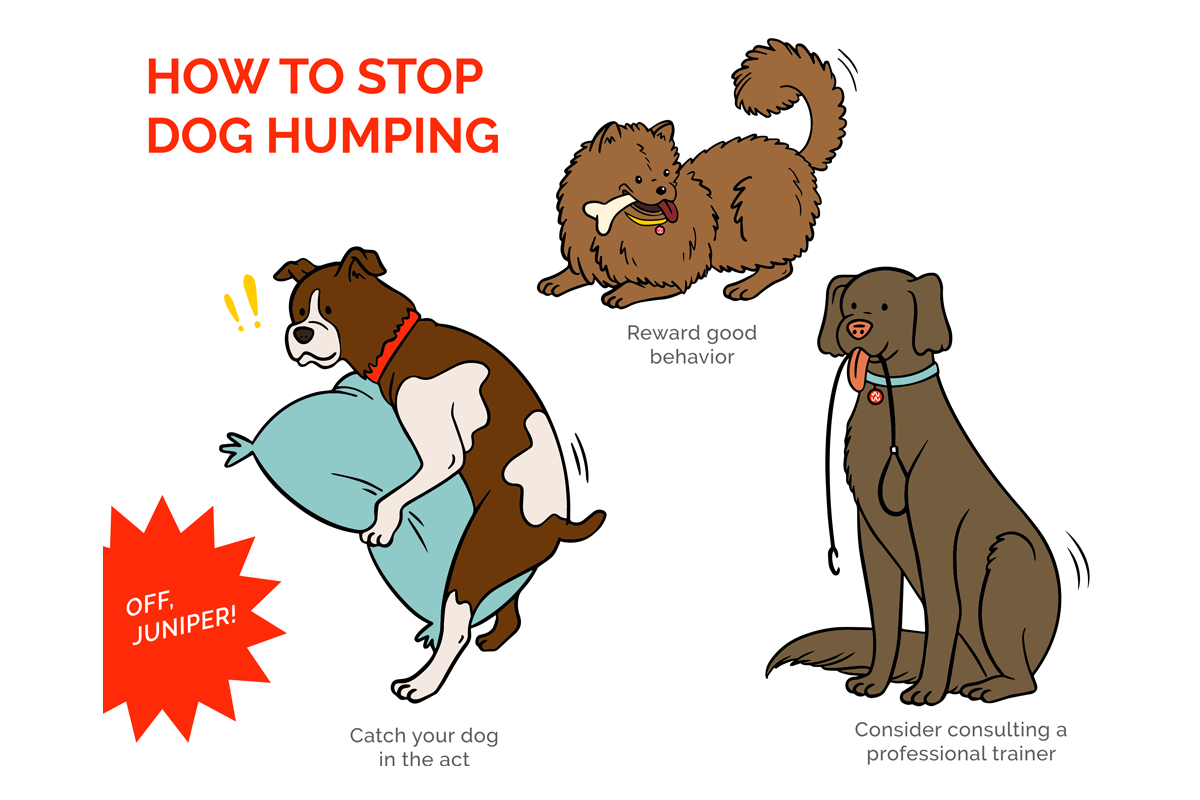
Training your dog to reduce humping takes patience and clear steps. Consistent guidance helps your dog learn what behavior is acceptable. Using gentle, effective techniques can change your dog’s habits. Focus on redirecting, rewarding good behavior, and staying consistent. Avoid harsh punishments to keep your dog calm and willing to learn.
Redirecting Attention
Redirect your dog’s focus when humping starts. Offer a toy or call your dog’s name. Engage your dog in a different activity like playing fetch. This breaks the humping habit and keeps your dog busy. Redirection helps your dog understand what to do instead.
Positive Reinforcement
Reward your dog for calm and good behavior. Use treats, praise, or petting to show approval. Positive reinforcement makes your dog want to repeat good actions. Celebrate small wins to build lasting habits. This method builds trust and encourages learning.
Consistency In Commands
Use the same commands every time your dog humps. Teach simple words like “No” or “Stop” clearly and calmly. Consistent commands help your dog recognize limits quickly. Repeat training often to strengthen understanding. Consistency creates clear rules your dog can follow.
Avoiding Punishment
Never punish your dog harshly for humping. Punishment can cause fear and confusion. Stay calm and firm while guiding your dog. Gentle correction helps your dog feel safe and open to learning. Positive training builds a strong bond between you and your dog.
Behavioral And Environmental Adjustments
Behavioral and environmental adjustments play a key role in managing dog humping behavior. Changing how you interact and shape your dog’s surroundings can reduce this behavior. These changes help your dog feel calm and focused. They also give your dog better ways to use energy and attention.
Small, consistent steps make a big difference. Focus on exercise, mental work, and stress control. These areas support your dog’s overall well-being and help cut down unwanted humping.
Increasing Exercise And Play
More exercise helps burn off extra energy. Dogs with less energy tend to hump less. Playtime also improves mood and reduces boredom. Walks, fetch, and running are good options. Try to exercise your dog daily for at least 30 minutes. Tailor activities to your dog’s age and breed.
Providing Mental Stimulation
Mental challenges keep your dog’s mind busy. Puzzle toys, training sessions, and new commands work well. These activities prevent boredom, which can cause humping. Use treats and praise to reward focus. Change tasks often to keep your dog interested.
Managing Stress Triggers
Stress can increase humping behavior. Loud noises, new people, or changes cause stress. Identify what stresses your dog and reduce it. Create a quiet, safe space for your dog. Use calming tools like soft music or gentle massage. Consistent routines also help lower anxiety.
Medical Treatments And When To Consult A Vet
Dog humping can be a sign of many things. Sometimes, it is normal play. Other times, it shows stress or medical problems. Knowing when to see a vet helps keep your dog healthy.
Medical treatments can reduce or stop humping. A vet can find the cause and suggest the best care. Early help prevents bigger problems later.
Spaying And Neutering
Spaying or neutering can lower humping behavior. These surgeries reduce hormone levels that cause humping. Many dogs calm down after the procedure. It also helps control pet overpopulation.
Talk to your vet about the right time for surgery. Not all dogs need to be spayed or neutered. Your vet can guide you based on your dog’s age and health.
Addressing Underlying Health Issues
Humping may signal pain or infections. Urinary tract infections or skin allergies can cause discomfort. Dogs may hump to relieve itch or pain. A vet exam finds these hidden health problems.
Other issues include hormone imbalances or neurological disorders. Treating these conditions often reduces humping. Always rule out medical causes before behavior training.
Medication Options
Some dogs need medicine to control humping. Vets may prescribe drugs to reduce anxiety or hormones. These medicines help calm your dog’s urges. Use medication only under vet supervision.
Medication works best with training and behavior changes. Never give human medicine to dogs without vet advice. Correct dosing and monitoring keep your dog safe.
Credit: positively.com
Expert Tips For Owners
Understanding and managing dog humping behavior can be challenging. Owners need clear, practical advice to handle this issue effectively. Expert tips help maintain calm and guide dogs towards better habits. Patience and consistency play key roles in success.
Careful observation and timely action improve the chances of change. Knowing when to seek help also supports the owner’s journey. These steps create a healthy environment for both dogs and owners.
Maintaining Patience And Consistency
Dogs learn best with steady guidance. React calmly to humping episodes. Avoid punishment, as it can increase stress and confusion. Use consistent commands to redirect behavior. Praise dogs when they stop humping. Patience helps build trust and understanding. Repeat training regularly to reinforce good habits.
Monitoring Progress
Track how often humping occurs each day. Note any triggers like excitement or anxiety. Adjust your approach based on these observations. Celebrate small improvements to stay motivated. Keep a journal to record changes. Monitoring helps identify what works best. It also prevents setbacks and frustration.
Seeking Professional Help
Consult a veterinarian if humping seems excessive. Health issues can cause strange behaviors. A certified dog trainer can offer specific techniques. Behaviorists help understand underlying causes. Professional advice provides tailored plans for your dog. Early help avoids long-term problems. Don’t hesitate to ask for expert support.
Credit: nativepet.com
Frequently Asked Questions
Why Do Dogs Hump Other Dogs Or People?
Dogs hump to express excitement, dominance, or stress. It can also be a way to seek attention or relieve anxiety. This behavior is common and not always related to mating instincts.
Is Dog Humping A Sign Of Aggression?
No, dog humping is usually not aggressive. It often shows excitement, playfulness, or social behavior. However, if combined with growling or biting, consult a vet or trainer.
How Can I Stop My Dog’s Humping Behavior?
Redirect your dog with toys or commands when it starts humping. Consistent training and positive reinforcement help reduce this behavior. Avoid punishment as it may increase stress.
Does Neutering Reduce Dog Humping?
Neutering can reduce humping caused by hormonal drives. However, some dogs hump due to habit or stress, which neutering may not stop. Training is also necessary.
Conclusion
Dog humping behavior is common and not always a sign of problems. Dogs may hump to play, show excitement, or relieve stress. Understanding why your dog humps helps you respond calmly. Consistent training and gentle redirection work best. Watch your dog’s body language and keep interactions positive.
Remember, patience and kindness improve your dog’s behavior over time. You can create a happy and healthy bond with your dog. Keep learning about your pet to support their needs. Every dog is different, so adapt what works best for yours.


