

Have you ever wondered if service dogs in training have the same access rights as fully trained service dogs? If you rely on or support someone training a service dog, this question matters to you.
Knowing where these dogs are allowed can make a big difference in your daily life and plans. You’ll discover the truth about the rules and what you need to watch out for. Keep reading to make sure your service dog in training is welcome wherever you go.
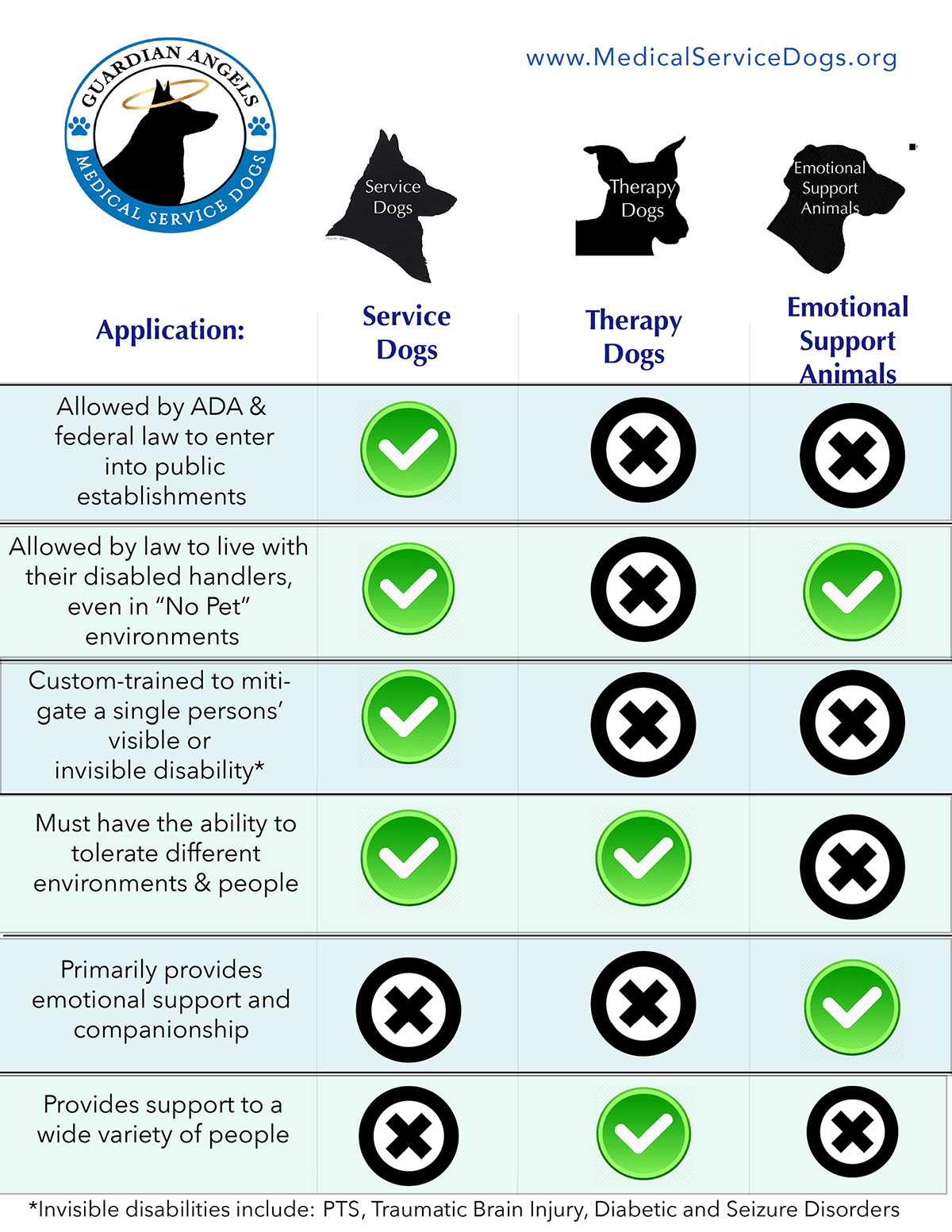
Credit: www.medicalservicedogs.org
Service Dogs In Training Laws
Service dogs in training help people learn how to assist others. Laws about where these dogs can go are not the same everywhere. Knowing the rules helps trainers and handlers avoid problems. These laws protect the rights of people with service dogs and those training them. Below, we explain the main laws that affect service dogs in training.
Federal Regulations
Federal laws do not fully cover service dogs in training. The Americans with Disabilities Act (ADA) protects service dogs but not all training dogs. Some federal rules let trainers bring dogs to public places. Still, these rights vary and are less clear than for trained service dogs. Federal law mainly focuses on fully trained dogs, not those still learning.
State Variations
States have different laws about service dogs in training. Some states give these dogs the same rights as trained ones. Other states limit where training dogs can go. These rules may affect businesses, schools, and public transport. Trainers should check their state laws before entering public places. Knowing local rules prevents misunderstandings and keeps training smooth.
Local Ordinances
Cities and towns may have their own rules about training dogs. Some local laws allow dogs in training to enter more places. Others have stricter rules, especially in parks or restaurants. Local rules can add extra layers to state and federal laws. Trainers must learn about these ordinances to avoid fines or removal. Local laws often reflect community needs and safety concerns.
Access Rights In Public Spaces
Access rights for service dogs in training vary by public spaces. These dogs help people with disabilities. They are learning important skills. Knowing where they can go is key for handlers and trainers. Laws protect access but have limits.
Retail Stores And Restaurants
Service dogs in training usually have access to stores. They help their handlers shop and dine safely. Most stores allow them inside. They must behave well and not disturb others. Restaurants often permit these dogs too. Health rules sometimes apply. Staff may ask if the dog is in training. Proper identification can help.
Public Transportation
Buses, trains, and subways often allow service dogs in training. They travel with their handlers. These dogs must stay calm and controlled. Transport staff may request proof of training status. This helps avoid confusion. Some cities have clear rules. Others may be less certain. Handlers should check local policies ahead of time.
Government Buildings
Government buildings usually welcome service dogs in training. This includes post offices and courthouses. The dogs assist their handlers during visits. Security may ask questions about the dog’s role. Proper training status must be shown. Access rights protect people with disabilities. These rights support independence and safety.
Private Property And Service Dogs
Private property rules for service dogs in training vary widely. Owners and trainers must understand these differences to avoid conflicts. Laws often protect fully trained service dogs but may treat service dogs in training differently. Knowing rights on private property helps trainers and handlers navigate daily life.
Businesses And Workplaces
Many businesses allow service dogs in training on their property. Some states require this by law. Others leave it to business owners’ discretion. Employers may have policies about animals at work. Service dogs in training may need special permission. Clear communication helps prevent misunderstandings.
Housing And Rentals
Housing laws often protect service dogs in training. Landlords must allow them under fair housing rules. This protection applies even in no-pet buildings. Proper documentation may be needed. Tenants should inform landlords early about their service dog in training. Respectful dialogue can ease the process.
Hotels And Lodging
Hotels usually allow fully trained service dogs but rules for dogs in training differ. Some hotels accept them, others do not. Checking hotel policies before booking is important. Service dogs in training may need to follow extra rules. Handlers should carry identification or paperwork when traveling.
Identification And Documentation
Identification and documentation play a key role for service dogs in training. These help prove the dog’s purpose and training stage. Businesses and public places often ask for some proof. Clear identification can ease access and reduce confusion.
Training Certificates
Training certificates show the dog is learning important skills. These papers come from official trainers or organizations. They list the dog’s progress and abilities. Not all places require certificates, but having them helps.
Vest And Tags
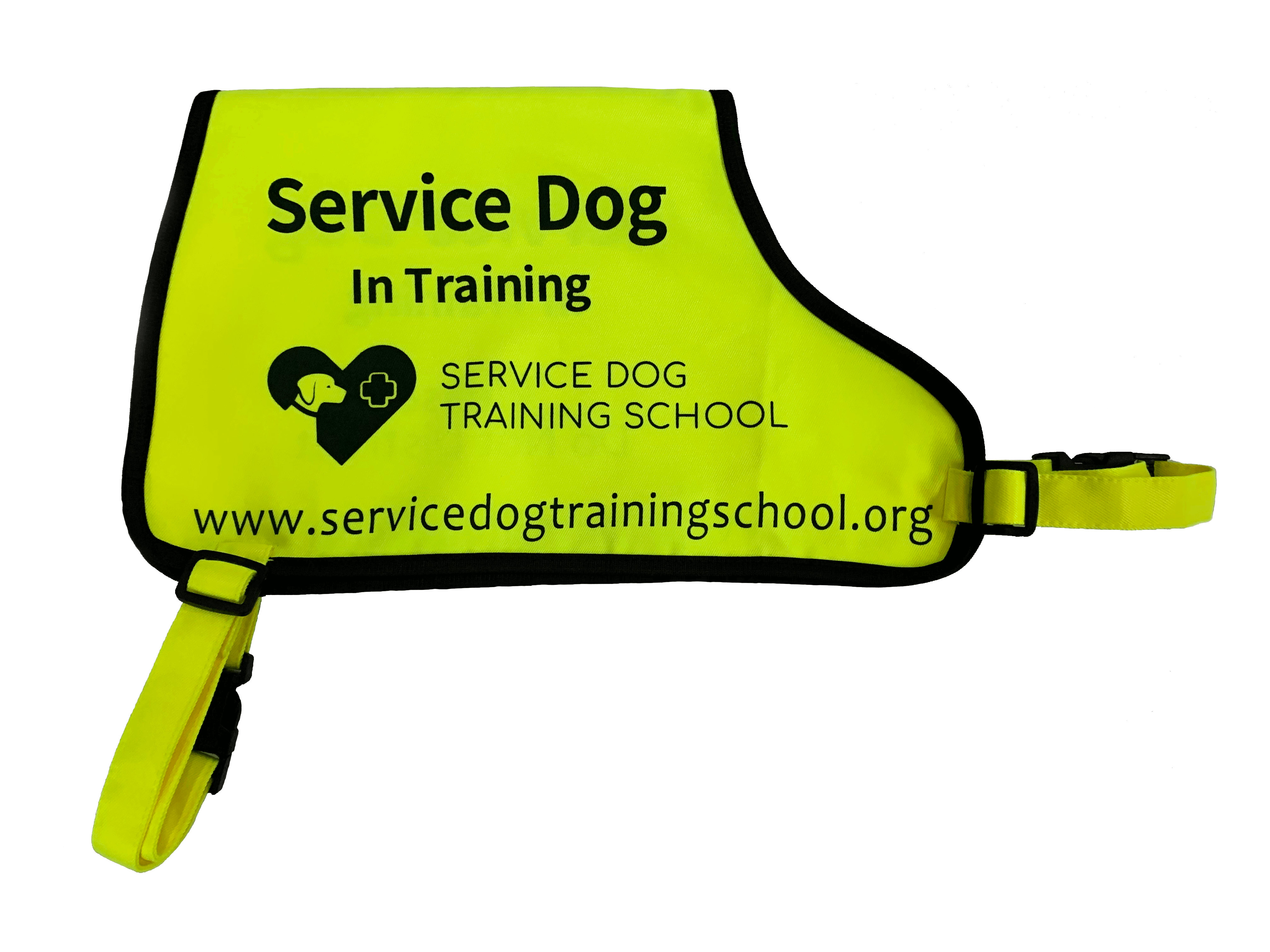
Vests and tags are common ways to identify service dogs in training. These items often say “Service Dog in Training” or similar words. They help the public and staff recognize the dog’s role quickly. Wearing a vest or tag can make access smoother.
Verification Processes
Some businesses may ask questions to verify the dog’s status. They cannot demand full health records or training details. Usually, simple questions about the dog’s tasks are allowed. Verification helps balance safety and access for everyone.
Challenges Faced By Trainees
Training a service dog is a tough job. Trainees face many challenges outside of just learning tasks. These challenges often come from people and places that do not fully understand the rules. Such issues can slow down training and cause frustration for both the dog and the trainer.
Public Awareness Issues
Many people do not know the difference between a service dog and a pet. Trainees often get stopped or questioned in public. People may ask for proof or try to touch the dog. This can distract the dog and interrupt its training. Lack of awareness causes stress for trainers and dogs.
Denial Of Access
Some places refuse entry to dogs in training. Staff may not recognize the legal rights of trainees. This denial can happen in restaurants, stores, or public transport. Trainers must explain the law repeatedly. Denial wastes time and affects the dog’s social learning.
Handling Disputes
Disputes arise when trainers argue with business owners or staff. Trainers must stay calm and clear when explaining. Sometimes, they need to show legal documents. Handling disputes requires patience and knowledge of rights. These conflicts can be tiring but are part of the process.
Tips For Trainers And Handlers
Training a service dog takes time and patience. Trainers and handlers must prepare well for public access. They should know how to explain their rights clearly. Managing the dog’s behavior in public is very important. These tips help trainers and handlers keep control and avoid problems.
Preparing For Public Access
Before going out, practice in different places. Start with quiet spots and slowly add noise and people. Bring treats and toys for rewards. Carry all necessary documents, like ID or training papers. Check the rules of each place to avoid surprises. Prepare the dog to stay calm in busy areas.
Communicating Rights
Know your legal rights about service dogs in training. Explain these rights calmly if someone questions you. Use simple words and stay polite. Carry a card or note that shows the dog is in training. Avoid arguing or raising your voice. Clear communication helps avoid conflicts and misunderstandings.
Managing Behavior In Public
Keep your dog focused and well-behaved at all times. Use commands the dog knows well. Stop and calm the dog if it gets distracted or nervous. Avoid busy places if the dog is not ready. Praise and reward good behavior often. A calm dog makes public access easier and safer for everyone.
Future Trends In Service Dog Training Access
The future of service dog training access is evolving fast. More places may allow service dogs in training soon. This change helps trainers and handlers gain better experience. It also supports people who rely on these dogs daily.
New rules and tools are shaping how service dogs in training get accepted. These trends will affect laws, public views, and technology. Understanding these changes helps everyone adapt smoothly.
Legal Developments
Lawmakers are updating rules about service dogs in training. Some states now allow these dogs in public places. This helps trainers teach dogs in real situations. Clearer laws reduce confusion for businesses and the public. Expect more states to follow this path soon.
Increased Awareness
More people learn about service dogs and their roles. Awareness campaigns teach the public how to treat these dogs. This leads to fewer misunderstandings and better support. Schools and workplaces are more open to dogs in training. Respect for handlers and trainers is growing steadily.
Technological Support
Technology aids training and access for service dogs. Apps help trainers track progress and behavior. Virtual classes connect trainers with experts worldwide. GPS and sensors monitor dogs during training sessions. These tools improve training quality and safety for dogs.
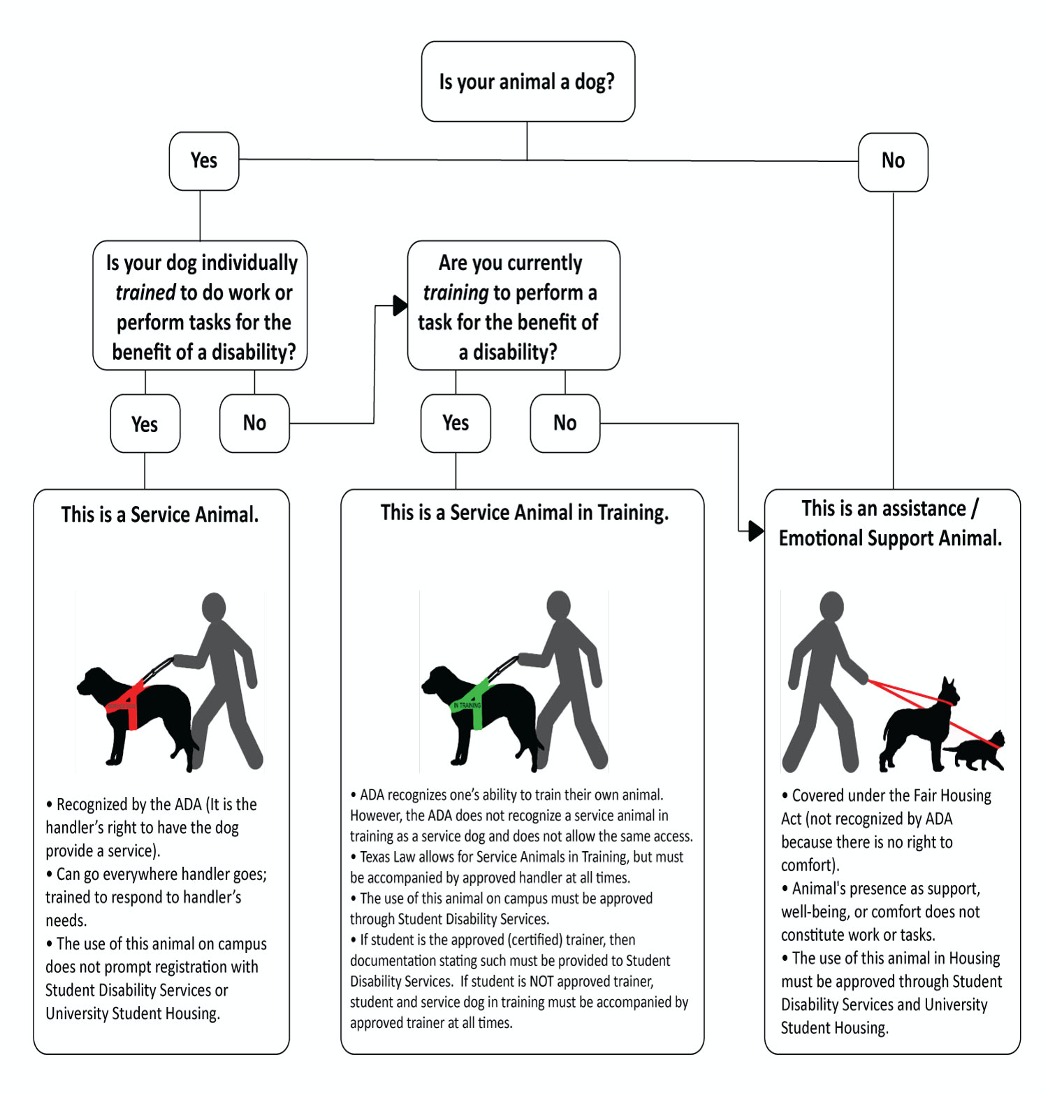
Credit: www.wtamu.edu
Credit: www.servicedogtrainingschool.org
Frequently Asked Questions
Are Service Dogs In Training Allowed In Public Places?
Service dogs in training have limited access rights. Rules vary by state and establishment. Some places allow access; others don’t. It’s best to check local laws before bringing a dog in training to public venues.
Can Businesses Deny Access To Service Dogs In Training?
Businesses can deny access if local laws don’t recognize trainee dogs. However, many states protect access for dogs in training. It depends on regional regulations and the type of business. Always verify local policies to avoid misunderstandings.
Do Service Dogs In Training Have The Same Legal Protections?
Service dogs in training often have fewer legal protections than fully trained dogs. Protections vary by state. Some laws grant rights similar to trained service dogs, while others don’t. Knowing local laws helps ensure proper treatment of dogs in training.
Are Service Dogs In Training Allowed On Public Transportation?
Public transportation access for service dogs in training varies. Some transit systems permit them; others don’t. Federal laws like the ADA protect trained service dogs, but not always trainees. Check specific transit rules before traveling with a dog in training.
Conclusion
Service dogs in training have specific rights, but these vary by place. Some areas allow full access, while others have limits. Trainers and owners should know local laws well. Respecting rules helps protect both dogs and people. Awareness and patience make public visits smoother.
Everyone benefits when service dogs train in safe spaces. Understanding these rules supports service dog success.


