Bringing home an 8-week-old puppy is exciting, but it can also feel overwhelming. You want your new furry friend to grow into a well-behaved and happy dog, and the best time to start is now.
The habits you build today will shape your puppy’s future. If you’re wondering how to train your little pup without stress or confusion, you’re in the right place. Keep reading to discover simple, effective tips that make training easier for both you and your puppy—so you can enjoy every moment together.
Preparing For Your Puppy
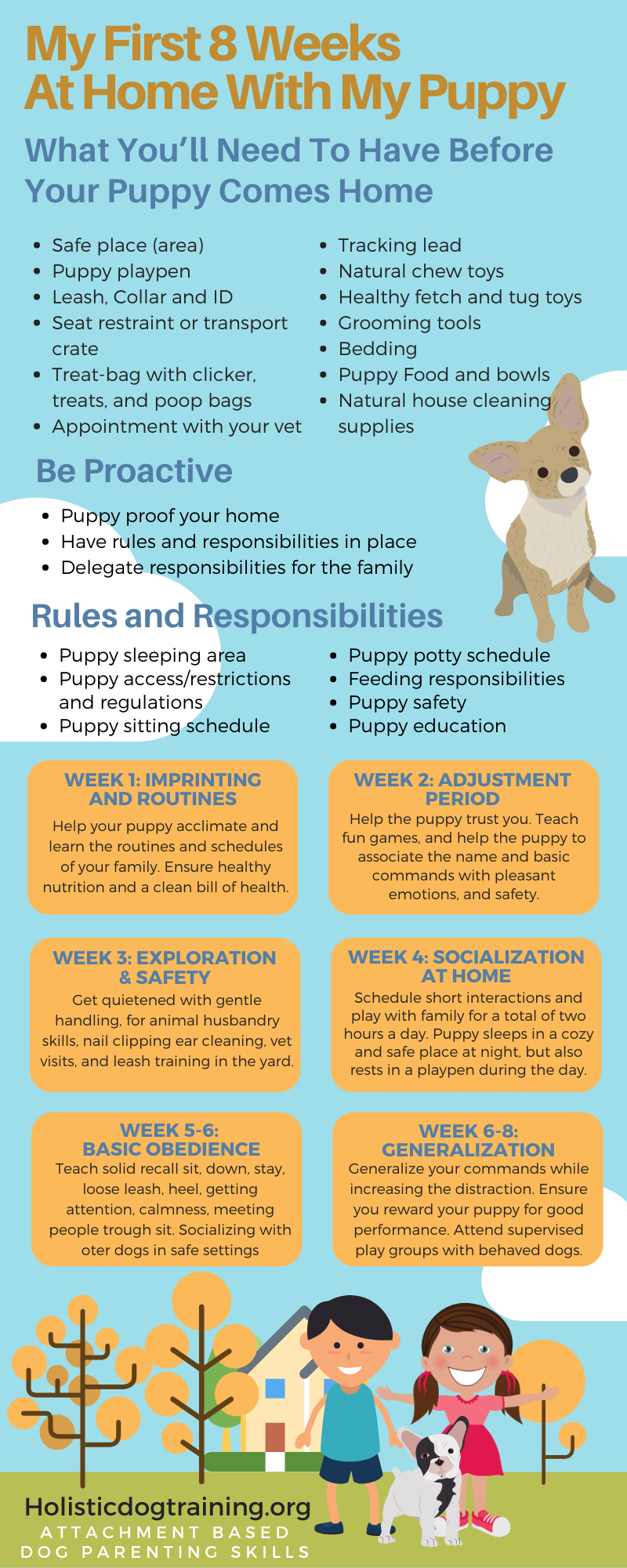
Preparing for your new puppy is an exciting step. It helps your puppy feel safe and loved from day one. Thoughtful preparation sets the stage for easier training and a happy home. Start by gathering the right supplies, making a cozy space, and planning a daily routine.
Choosing The Right Supplies
Pick basic items to keep your puppy comfortable and healthy. A soft bed helps your puppy rest well. Food and water bowls should be the right size and easy to clean. Choose puppy food made for their age and breed. Toys help with teething and keep them busy. Don’t forget a collar, leash, and ID tag for safety.
Creating A Safe Space
Make a quiet area where your puppy can relax. Use a crate or playpen to limit their space at first. Remove anything that could harm your puppy, like cords or small objects. Soft blankets and toys make this space welcoming. This safe spot helps your puppy feel secure and calm.
Setting A Routine
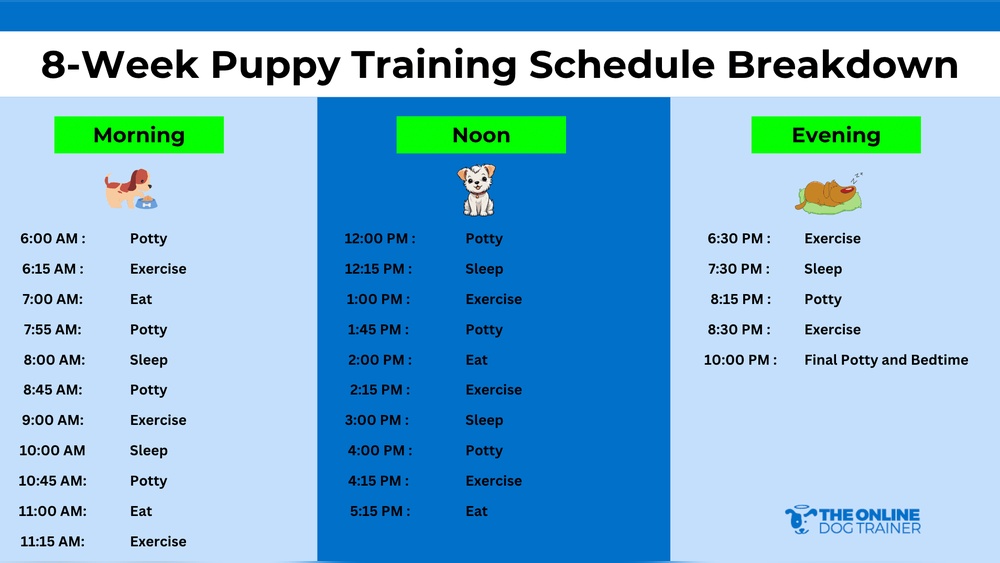
Dogs thrive with a daily schedule. Plan regular times for feeding, potty breaks, play, and rest. Consistent routines help your puppy learn faster. Stick to the same times as much as possible. A steady routine reduces anxiety and builds good habits.
:strip_icc()/puppy-development-from-8-to-12-weeks-4586406-a1020bbba77248b48a177f86481c5e42.jpg)
Credit: www.lubafreeport.com
Basic Training Essentials
Training an 8-week-old puppy starts with basic skills. These basics build a strong bond. They help your puppy learn good habits early. Training at this age sets the stage for future learning. Focus on simple, clear steps. Be patient and consistent. These essentials make training easier for both you and your puppy.
Housebreaking Tips
Start housebreaking by creating a regular schedule. Take your puppy outside often, especially after eating. Praise your puppy immediately after they go outside. Watch for signs like sniffing or circling. Use a specific word for potty time. Clean accidents with an enzyme cleaner. Avoid punishment to keep trust strong. Routine and patience lead to success.
Crate Training Benefits
A crate gives your puppy a safe space. It helps with housebreaking by limiting wandering. Puppies feel calm and secure inside their crate. Use treats to make the crate inviting. Never use the crate for punishment. Keep crate sessions short at first. Gradually increase the time your puppy stays inside. Crate training supports healthy habits and comfort.
Leash Introduction
Introduce the leash gently at home. Let your puppy wear the leash without tension. Use treats to encourage walking with the leash. Practice short walks indoors before going outside. Keep the leash loose to avoid pulling. Reward calm and good behavior on walks. Leash training teaches control and safety. Start slow to build confidence and trust.
Socialization Strategies
Socialization is key for an 8 week old puppy. It helps your puppy grow into a happy, confident dog. Early social experiences shape their behavior and reduce fear. Start socializing your puppy in gentle, positive ways. Make every new experience safe and fun.
Use short sessions to avoid overwhelming your puppy. Watch their reactions and adjust as needed. Socialization builds trust and teaches your puppy how to behave around others.
Introducing New People
Let your puppy meet different people often. Include men, women, and children of all ages. Ask visitors to stay calm and quiet. Let your puppy approach them first. Offer treats to create good feelings. Avoid sudden moves or loud noises. This helps your puppy feel safe and welcome.
Meeting Other Pets
Introduce your puppy to calm, vaccinated pets. Keep meetings short and supervised. Use a leash or carrier if needed. Watch body language closely. Stop if either pet shows stress. Positive pet interactions teach your puppy polite behavior. This helps prevent fear or aggression later.
Handling Different Environments
Take your puppy to various places. Try parks, streets, and quiet shops. Let them see different sights and hear new sounds. Carry your puppy if the area is busy. Praise calm behavior and offer treats. New environments build your puppy’s confidence. They learn to stay calm in many situations.
Teaching Commands
Teaching commands to an 8-week-old puppy sets the stage for good behavior. Start with clear, simple words. Use a calm voice and gentle hand signals. Training helps your puppy understand what you expect. It also builds trust and strengthens your bond. Short sessions work best. Puppies have short attention spans. Practice daily for better results.
Sit And Stay
Begin with the “Sit” command. Hold a treat close to your puppy’s nose. Slowly move the treat up and back. Your puppy will naturally sit down. Say “Sit” clearly and give the treat. Praise your puppy warmly. Next, teach “Stay.” Ask your puppy to sit. Show your open palm and say “Stay.” Take a step back. If your puppy stays, give a treat and praise. Increase distance slowly. Keep training short and positive.
Come When Called
“Come” is an important safety command. Use a happy tone. Start indoors with little distraction. Call your puppy’s name, then say “Come.” When your puppy approaches, reward with a treat and praise. Practice often. Gradually add more distance and distractions. Never punish your puppy for coming late. Make coming to you a happy event. This builds a strong recall habit.
Leave It And Drop It
“Leave it” teaches your puppy to ignore things. Hold a treat in your closed hand. Let your puppy sniff but not take it. Say “Leave it.” Wait until your puppy stops trying. Then give a different treat from your other hand. For “Drop it,” offer a toy and let your puppy grab it. Say “Drop it” and show a treat. When your puppy drops the toy, give the treat. Repeat until your puppy listens quickly. These commands keep your puppy safe.
Managing Behavior
Managing behavior is a key part of training an 8-week-old puppy. Puppies learn fast at this age. Good habits start early. Clear rules help your puppy understand what is okay and what is not.
Training needs patience and consistency. Puppies test limits. Stay calm and firm. This builds trust and respect between you and your puppy. Let’s look at some common behavior challenges and how to handle them.
Biting And Chewing Control
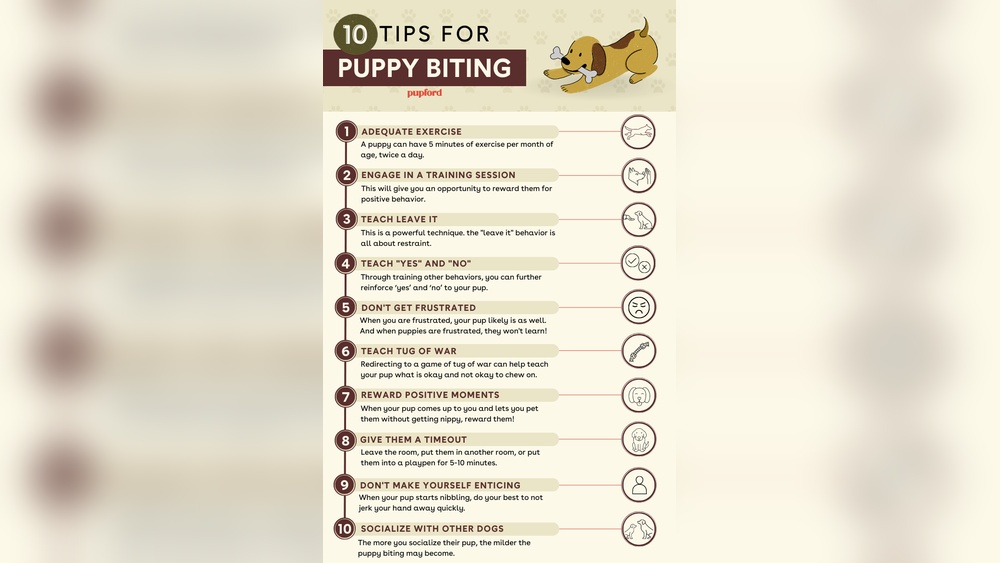
Puppies explore the world with their mouths. Biting and chewing are normal but need guidance. Provide safe chew toys to satisfy this need. When your puppy bites your hand, say “no” firmly. Replace your hand with a toy.
Redirecting helps your puppy learn what is okay to chew. Praise your puppy when it chews toys, not furniture or skin. Consistent feedback teaches gentle play. Avoid rough play that encourages biting.
Dealing With Whining
Whining can mean many things. Your puppy may want attention, food, or need to go outside. Watch for patterns. Respond to real needs quickly. Ignore whining that is just for attention. Giving in teaches your puppy to whine more.
Use a calm voice to soothe your puppy. Offer comfort without rewarding whining. Teach your puppy to wait quietly for attention. This builds patience and reduces noise.
Preventing Separation Anxiety
Separation anxiety starts early in some puppies. Help your puppy feel safe alone. Practice short separations at first. Leave your puppy with toys and treats. Return calmly and quietly. Avoid big greetings to reduce stress.
Make your puppy’s space cozy and safe. A crate or small room works well. Build confidence with brief time alone. This prevents fear and stress when you must leave for longer.
Health And Nutrition
Taking care of your 8 week old puppy’s health and nutrition is very important. Good care helps your puppy grow strong and happy. Proper feeding, regular vet visits, and exercise keep your puppy healthy. This section covers key tips to guide you.
Feeding Guidelines
Feed your puppy high-quality food made for puppies. They need more nutrients than adult dogs. Divide meals into three to four small portions daily. Fresh water must always be available. Avoid giving human food or treats with sugar or salt. Monitor your puppy’s weight to prevent overfeeding or underfeeding.
Veterinary Care Schedule
Schedule your puppy’s first vet visit soon after bringing it home. Vaccinations start around this age to protect against diseases. The vet will check for parasites and overall health. Follow the vet’s advice on booster shots and flea control. Keep a health record to track all visits and treatments.
Exercise Needs
Your puppy needs gentle exercise to build muscles and burn energy. Short play sessions work best for young puppies. Avoid long walks or heavy exercise that can harm growing bones. Safe indoor games and soft toys help mental and physical activity. Regular exercise also helps with training and social skills.
Common Challenges
Training an 8-week-old puppy brings many joys and challenges. Puppies are curious but also unsure. They need guidance and patience. Understanding common challenges helps create a smooth training journey. These challenges include fear, excess energy, and the need for consistent training. Each requires attention and care.
Overcoming Fear And Shyness
Young puppies often feel scared in new places or around strangers. They may hide or refuse to explore. Gently introducing new sights and sounds builds confidence. Use soft voices and slow movements. Praise bravery with treats and petting. Avoid forcing the puppy into situations. Let them approach at their own pace. This helps them feel safe and more willing to learn.
Handling Excess Energy
Puppies have lots of energy that needs release. Without proper outlets, they may bite or jump. Short play sessions help burn off energy. Use toys like balls or chew sticks. Regular, brief walks also calm their minds. Tired puppies learn commands more easily. Balance activity with rest periods. This creates a happy, focused puppy ready to train.
Consistency In Training
Consistency is key for teaching puppies new skills. Use the same words and gestures for commands. Everyone in the home should follow the same rules. Repeating training daily helps puppies understand expectations. Short, frequent sessions work best. Avoid confusing the puppy with mixed signals. Patience and steady routines build strong habits. This leads to better behavior and faster learning.

Credit: www.howtotrainadreamdog.com
Credit: tiptopelectronics.nl
Frequently Asked Questions
How To Start Training An 8 Week Old Puppy?
Begin with simple commands like sit and come. Use positive reinforcement such as treats and praise. Keep sessions short to match puppy’s attention span. Consistency and patience are key in early training stages.
What Are The Best Potty Training Tips For Puppies?
Establish a regular bathroom schedule. Take your puppy outside frequently, especially after meals. Praise them immediately after they go outdoors. Use crate training to help control accidents indoors.
How To Socialize An 8 Week Old Puppy Safely?
Introduce your puppy to new people and pets gradually. Choose calm environments to avoid overwhelming them. Use treats and praise to create positive experiences. Early socialization builds confidence and reduces fearfulness.
When Should I Start Crate Training My Puppy?
Start crate training as soon as you bring your puppy home. Make the crate comfortable and inviting. Use treats to encourage your puppy to enter. Gradually increase crate time to build comfort and security.
Conclusion
Training an 8-week-old puppy takes time and patience. Keep sessions short and fun to hold their interest. Use gentle rewards to encourage good behavior. Be consistent with rules and daily routines. Watch your puppy’s reactions and adjust as needed. Early training builds a strong bond between you and your pet.
Small steps each day lead to big progress. Enjoy this special time with your new puppy. Growing together makes training easier and more rewarding.