

Is your dog acting out in ways that frustrate you? Maybe they bark too much, pull on the leash, or jump on guests.
You’re not alone, and the good news is that you can change these behaviors. Understanding the right dog behavior modification techniques will help you create a happier, calmer companion. You’ll discover simple, effective methods that you can start using today to transform your dog’s actions—and your relationship.
Keep reading to unlock the secrets to a well-behaved, joyful dog.
Common Dog Behavior Issues
Many dog owners face common behavior problems that affect daily life. These issues can cause stress for both dogs and their families. Understanding these behaviors helps in managing and improving them effectively. Below are some common dog behavior issues seen often.
Aggression And Reactivity
Aggression can show as growling, snapping, or biting. Reactivity means dogs react too strongly to sights or sounds. Both can be dangerous and need careful attention. Triggers vary, including fear, pain, or protectiveness. Early intervention and calm training help reduce these behaviors.
Separation Anxiety
Separation anxiety happens when dogs feel scared being alone. They may bark, whine, or try to escape. This problem causes damage and stress for owners. Gradual training and comfort objects can ease the dog’s worry. Consistent routines also build confidence during alone time.
Excessive Barking
Barking is normal, but too much can annoy neighbors. Dogs bark for attention, boredom, or alarm. Identifying the cause helps control the noise. Training to stop barking on command works well. Providing enough exercise reduces restless behavior that leads to barking.
Destructive Chewing
Chewing is natural, but destruction causes problems. Dogs chew to relieve teething or boredom. This behavior can ruin furniture and shoes. Offering chew toys and regular play prevents damage. Teaching commands like “leave it” helps control urges.
Basic Principles Of Behavior Modification
Behavior modification helps change how dogs act. It uses clear rules that guide training. These rules show which actions get rewards or consequences. Understanding these basics helps trainers and owners work well with dogs. It builds trust and good habits.
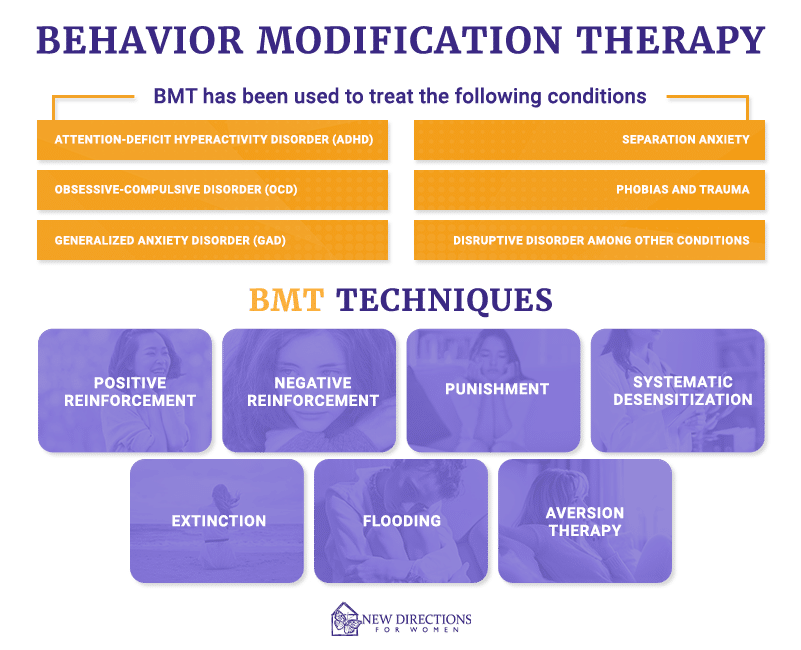
Positive Reinforcement
Positive reinforcement means giving a reward after good behavior. This could be treats, praise, or playtime. Dogs learn to repeat actions that bring rewards. It encourages friendly and helpful behavior. This method is gentle and builds strong bonds.
Negative Reinforcement
Negative reinforcement removes something unpleasant when the dog acts right. For example, stopping a loud noise after the dog sits. The dog learns to behave to avoid discomfort. It helps dogs understand how to stop unwanted feelings.
Positive Punishment
Positive punishment adds something unpleasant after bad behavior. This can be a sharp “no” or a spray of water. It aims to reduce unwanted actions. Use it carefully and never harshly. The goal is to teach limits without fear.
Negative Punishment
Negative punishment takes away something the dog likes after bad behavior. For example, stopping playtime when the dog bites. It helps dogs learn that bad actions have consequences. This method teaches self-control and respect gently.
Effective Training Techniques
Effective training techniques help improve dog behavior step by step. These methods build trust and clear communication between dogs and owners. Training becomes easier and more fun with the right approach. Dogs learn better when training is consistent and positive.
Clicker Training
Clicker training uses a small device that makes a clicking sound. The click marks the exact moment the dog does something right. This helps the dog understand what behavior earns rewards. It makes training clear and easy to follow.
Dogs quickly learn to associate the click with treats or praise. This method works well for teaching new tricks and correcting unwanted behavior.
Counter-conditioning
Counter-conditioning changes a dog’s emotional response to something scary or bad. It pairs the scary thing with something good like treats or play. This helps the dog feel calm instead of afraid or aggressive.
Over time, the dog starts to like or ignore the trigger. This technique is useful for fear, anxiety, or aggression problems.
Desensitization
Desensitization means slowly exposing a dog to a trigger at low levels. The trigger could be loud noises, other dogs, or strangers. The goal is to reduce the dog’s fear or reaction over time.
Start with something very mild. Gradually increase the intensity as the dog stays calm. This helps dogs learn to stay relaxed in situations they once feared.
Target Training
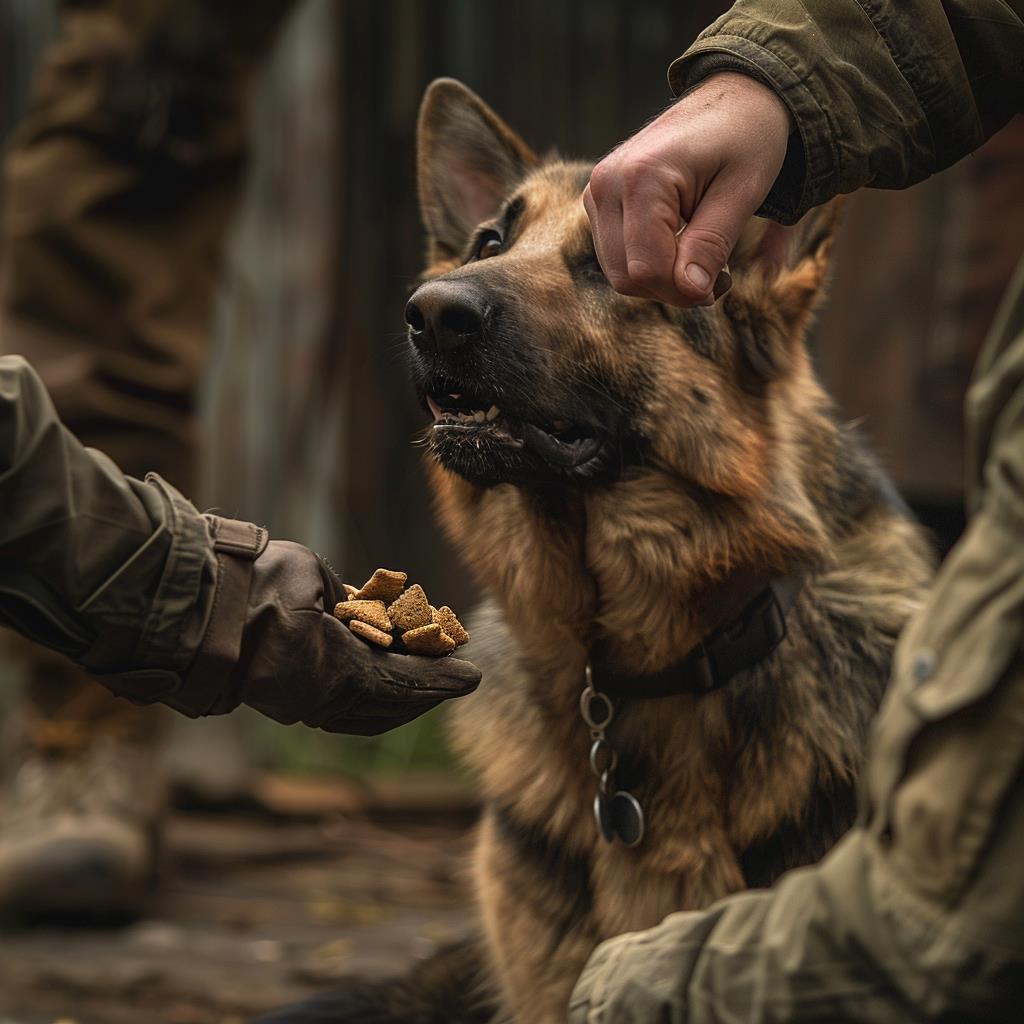
Target training teaches a dog to touch an object with its nose or paw. This helps guide the dog’s movements and focus. Targets can be simple, like a stick or your hand.
This technique improves control and can redirect unwanted behaviors. It also builds the dog’s confidence and mental skills.
Credit: performancek9training.com
Building Consistency And Routine
Building consistency and routine is key to changing your dog’s behavior. Dogs feel safe and learn better with regular patterns. Consistent actions help them understand what you expect. Routine creates a stable environment that reduces stress and confusion.
Training your dog daily and using clear commands keeps progress steady. Rewards for good behavior encourage your dog to repeat positive actions. These simple steps make behavior changes easier and long-lasting.
Establishing Clear Commands
Use simple words for commands like “sit,” “stay,” or “come.” Keep the same word for each action every time. Speak clearly and calmly to avoid confusion. Consistent commands help your dog learn faster. Avoid changing words or phrases often.
Daily Training Sessions
Practice training every day, even for just 5 to 10 minutes. Short sessions hold your dog’s attention better. Regular practice builds good habits and improves memory. Choose quiet times to reduce distractions. Consistency in timing helps your dog expect training.
Using A Reward System
Give treats or praise immediately after good behavior. Rewards motivate your dog to repeat the action. Use small, tasty treats that your dog enjoys. Always reward the behavior you want to see. Avoid punishment, as it can create fear and confusion.
Tools And Aids For Behavior Change
Tools and aids play a key role in changing dog behavior. They help guide dogs safely and clearly. Using the right tools makes training easier. It builds trust between you and your dog. These tools support good habits and reduce bad ones. Below are some common aids that help in behavior modification.
Leashes And Harnesses
Leashes and harnesses control your dog during walks and training. A leash keeps your dog close and safe. Harnesses spread pressure evenly, making dogs more comfortable. They prevent pulling and reduce injury risk. Using a harness helps dogs learn to walk calmly. Choose a leash or harness that fits well and suits your dog’s size.
Training Collars
Training collars offer gentle corrections during behavior training. Types include flat collars, martingales, and head collars. Flat collars hold ID tags and attach to leashes. Martingales tighten slightly to prevent slipping out. Head collars guide the dog’s head for better control. Always use collars correctly to avoid harm. Proper use improves focus and responsiveness.
Interactive Toys
Interactive toys keep dogs mentally active and reduce boredom. Toys that dispense treats motivate good behavior. Puzzle toys challenge dogs to think and solve problems. Chew toys provide a safe outlet for chewing urges. These toys distract dogs from destructive actions. Regular play with interactive toys supports behavior change.
Credit: caninepathdogtraining.com
Addressing Specific Behavior Problems
Addressing specific behavior problems in dogs takes patience and the right approach. Each issue needs a unique method to help your dog improve. Understanding the cause of the behavior is the first step. Consistency and gentle guidance create the best results. Here are some common problems and ways to handle them effectively.
Reducing Aggression Safely
Aggression can be dangerous for both dogs and people. Start by identifying triggers that cause aggressive behavior. Avoid punishment, as it can make aggression worse. Use positive reinforcement to reward calm and friendly actions. Teach your dog commands like “sit” and “stay” to control situations. Consult a professional trainer if aggression is severe or sudden.
Managing Separation Anxiety
Separation anxiety causes dogs to feel stressed when alone. Signs include barking, chewing, and pacing. Help your dog feel safe by creating a calm environment. Practice short separations and slowly increase time apart. Provide toys or treats to keep your dog busy. Avoid making a big fuss when leaving or returning home.
Controlling Excessive Barking
Dogs bark to communicate, but too much can be a problem. Find out why your dog barks: boredom, fear, or alertness. Teach a “quiet” command and reward silence. Give plenty of exercise to reduce energy levels. Remove triggers if possible, like closing curtains from outside distractions. Stay patient; changing barking habits takes time.
Preventing Destructive Habits
Destructive habits include chewing furniture, digging, or scratching. Dogs often act out due to boredom or anxiety. Provide plenty of toys and regular exercise to release energy. Redirect chewing to appropriate items like chew toys. Use deterrents safely on furniture if needed. Praise your dog when it uses toys instead of household items.
Monitoring Progress And Adjusting Methods
Monitoring progress and adjusting methods are key in dog behavior modification. Dogs respond differently to training. Tracking changes helps you see what works. Adjusting techniques keeps the training effective. This process ensures steady improvement.
Tracking Behavior Changes
Keep a daily log of your dog’s behavior. Note any improvements or setbacks. Record the context of behaviors, like time and place. Look for small positive changes first. Tracking helps identify patterns and triggers. This information guides your next steps.
When To Seek Professional Help
Some behaviors need expert advice. Persistent aggression or fear are signs to consult a trainer. Professionals offer tailored plans and tools. They can spot problems you might miss. Early help prevents worsening behaviors. Don’t wait too long to ask for help.
Adapting Techniques For Different Dogs
Every dog learns in its own way. Some respond well to treats, others to praise. Adjust your methods based on your dog’s personality. Be patient and flexible with training styles. Changing your approach can improve results. Understand your dog’s needs for better success.
Credit: www.newdirectionsforwomen.org
Frequently Asked Questions
What Are Common Dog Behavior Modification Techniques?
Common techniques include positive reinforcement, clicker training, counter-conditioning, and desensitization. These methods reward good behavior and reduce negative reactions effectively.
How Long Does Dog Behavior Modification Usually Take?
The duration varies by dog and issue severity. Typically, progress is seen within weeks to months with consistent training and patience.
Can Behavior Modification Fix Aggressive Dog Behavior?
Yes, with professional guidance and consistent techniques, aggressive behaviors can be managed or reduced safely over time.
Is Positive Reinforcement The Best Approach For Behavior Change?
Positive reinforcement is highly effective as it encourages desired behaviors through rewards, making training enjoyable and lasting.
Conclusion
Changing a dog’s behavior takes time and patience. Use clear commands and gentle rewards. Stay consistent with training every day. Small steps lead to big improvements. Dogs learn best with kindness and routine. Trust builds a strong bond between you.
Keep training fun and positive always. Your dog will become happier and well-behaved. Remember, patience is key to success. Enjoy the journey of learning together.


