

Training your dog can be easier and more fun than you think. Imagine having a simple tool that helps your dog understand exactly what you want, without confusion or frustration.
That’s where clicker training comes in. With just a small click sound, you can communicate clearly with your furry friend and speed up their learning process. If you want to teach your dog new tricks, improve behavior, or build a stronger bond, learning how to train a dog with a clicker is a game-changer.
Keep reading, and you’ll discover step-by-step how to make clicker training work for you and your dog.

Credit: njdog.com
Why Use A Clicker
Using a clicker to train a dog makes the process clear and simple. Dogs learn best when they get immediate feedback. A clicker gives a distinct sound that marks the exact moment your dog does something right. This helps your dog understand which behavior earns a reward.
Training with a clicker creates a positive and happy learning experience. It builds trust between you and your dog. The clear signal of the click helps reduce confusion and speeds up learning. Many dog owners find clicker training more effective than just using treats or words.
Benefits Of Clicker Training
Clicker training gives clear and consistent communication. The click sound is short and sharp. This makes it easy for dogs to recognize and remember. Dogs quickly link the click to a reward, which encourages good behavior.
This method is gentle and reward-based. It avoids punishment and stress. Dogs feel motivated and confident during training sessions. Clicker training can improve focus and attention. It works well for all dog breeds and ages.
How Clickers Work
A clicker makes a unique, consistent sound. You click exactly when your dog performs the desired action. This tells your dog, “Yes, this is correct!” Immediately after the click, offer a treat or praise.
The dog learns to connect the click with positive outcomes. Over time, the click becomes a marker for good behavior. This clear signal helps dogs understand what to do. It makes training faster and more enjoyable for both dog and owner.
Choosing The Right Clicker
Choosing the right clicker is important for effective dog training. The clicker helps mark good behavior clearly. A good clicker is easy to use and makes a sharp, consistent sound. This helps your dog learn faster and enjoy training sessions.
Types Of Clickers
There are several types of clickers available. The most common is the standard plastic clicker. It is small, lightweight, and easy to carry. Some clickers have a wrist strap for convenience. Metal clickers produce a louder click sound. This works well for noisy environments. Silent or soft clickers are available for dogs sensitive to loud sounds. Some trainers use electronic clickers that produce a beep instead of a click.
Features To Consider
Choose a clicker with a clear, sharp sound. This sound should be easy for your dog to hear. The clicker must be comfortable to hold during training. A clicker with a strap or clip helps keep it handy. Durability matters. Pick a clicker made from strong materials. Check if the clicker is easy to press. It should not require too much force. Consider the noise level. It should not scare your dog or be too soft to hear.
Getting Started With Clicker Training
Starting clicker training with your dog sets the stage for clear communication. The clicker acts as a bridge between your dog’s behavior and rewards. It marks the exact moment your dog does something right. This helps your dog learn faster and with less confusion.
Before you begin, make sure your dog is calm and ready to learn. Find a quiet place without distractions. Keep training sessions short to hold your dog’s attention. Consistency and patience are key to success.
Introducing The Clicker To Your Dog
Begin by letting your dog hear the click sound several times. Immediately follow the click with a tasty treat. This teaches your dog that the click means a reward is coming. Repeat this step until your dog looks happy and expects a treat after the click.
Do not click without giving a treat. This keeps the click sound positive and clear. Your dog will soon understand the click signals good behavior.
Timing And Consistency
Click at the exact moment your dog does the right action. This helps your dog connect the behavior with the click. If you click too late or too early, your dog may get confused.
Practice often and use the same clicker sound each time. Always reward your dog after the click. This builds trust and helps your dog learn faster. Keep your sessions short but frequent to maintain your dog’s interest.

Credit: germanshepherdshop.com
Basic Clicker Training Steps
Basic clicker training follows simple, clear steps. These steps help teach your dog new skills effectively. The process uses a click sound to mark good behavior. This sound tells your dog exactly when it did something right. Then, a reward encourages the dog to repeat that behavior. Understanding these steps is key for successful training.
Capturing Desired Behaviors
Capturing means noticing the behavior your dog shows naturally. Wait for your dog to do the behavior you want. For example, sitting quietly or looking at you. The moment your dog does it, press the clicker. This marks the action clearly. Then give a treat right away. This helps your dog connect the behavior with the reward.
Marking And Rewarding
The clicker sound marks the exact moment of good behavior. This makes it easier for your dog to understand what earned the treat. Always follow the click with a reward quickly. Treats, praise, or play work well. Consistency is important. Each click must be followed by a reward to keep your dog motivated.
Shaping New Behaviors
Shaping means breaking a new skill into small steps. Reward your dog for small actions that lead to the goal. For example, reward lifting the paw if teaching shake. Gradually, ask for more of the behavior before clicking and rewarding. This builds the complete action over time. Patience and timing make shaping work best.
Common Challenges
Training a dog with a clicker is effective but not without challenges. Many trainers face common issues that slow progress. Understanding these challenges helps improve training sessions and results.
Patience and consistency are key to overcoming hurdles. Each dog learns differently, so expect some bumps along the way.
Dealing With Distractions
Dogs often get distracted by sounds, smells, or movements. These distractions make it hard for them to focus on the clicker. Training in a quiet space helps reduce distractions at first.
Gradually add distractions as your dog improves. This builds their focus and strengthens the clicker’s effect.
Preventing Overuse Of Clicker
Clicking too much can confuse your dog. The clicker should mark the exact moment your dog does the right thing. Click once, then give a treat.
Using the clicker too often lowers its value. Keep clicks clear and meaningful for best results.
Handling Slow Learners
Some dogs take longer to understand the clicker. They need more time and gentle guidance. Break tasks into smaller steps to help them grasp each action.
Celebrate small wins. This keeps your dog motivated and builds confidence over time.
Advanced Clicker Techniques
Advanced clicker techniques help train dogs beyond basic commands. These methods build on simple skills and teach dogs to think more. Using a clicker, trainers can shape complex behaviors and solve training problems. This deepens communication between dog and owner. It also makes training more fun and effective.
Building Complex Behaviors
Start by breaking down big tasks into small steps. Click and reward each step your dog does right. Slowly combine these steps into one complete behavior. For example, teach your dog to fetch a specific toy by clicking each correct action. This method helps dogs learn complicated tasks easily. Patience and consistency are key to success.
Using Clicker For Problem Solving
Clicker training can fix unwanted behaviors too. Click and reward when your dog shows the right choice. For example, click when the dog stops barking or leaves a forbidden area. This teaches your dog what you want instead of what you don’t want. Use clear timing to mark good behavior quickly. This helps dogs understand faster and change habits.
Maintaining Training Progress
Maintaining training progress is key to a well-behaved dog. Consistency keeps your dog’s skills sharp. It also helps your dog understand what you expect. Without regular practice, your dog may forget commands. This part of training requires patience and attention. Let’s explore how to keep your dog on track with clicker training.
Fading The Clicker
At first, the clicker is your dog’s guide. It marks the exact moment your dog does right. Over time, your dog should respond without the clicker. Start by using the clicker less often. Use it only for new or tricky behaviors. Gradually, your dog will learn to listen without clicks. This makes your training more natural and smooth.
Reinforcing Good Behavior
Reward good behavior often to keep it strong. Use treats, praise, or play as rewards. Change the rewards to keep your dog interested. Always reward immediately after the right action. This helps your dog connect the action with the reward. Consistent reinforcement builds trust and good habits.
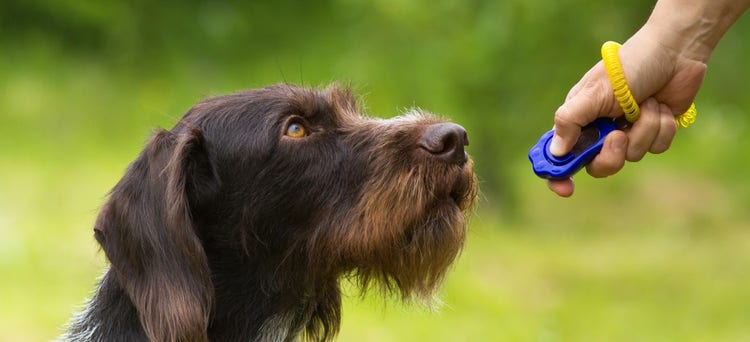
Credit: www.petplace.com
Frequently Asked Questions
What Is Clicker Training For Dogs?
Clicker training uses a small device that makes a clicking sound. It marks desired behaviors, helping dogs learn quickly. This method is positive, clear, and effective for teaching commands and tricks.
How Do I Start Clicker Training My Dog?
Begin by associating the clicker sound with treats. Click, then immediately give a treat. Repeat until your dog links the click to a reward. Then start clicking for specific behaviors.
Can Clicker Training Fix Bad Dog Habits?
Yes, clicker training encourages good behaviors by rewarding them. It helps replace bad habits with positive actions through consistent practice and clear communication.
How Long Does Clicker Training Take To Work?
Training time varies by dog and behavior complexity. Many dogs respond within a few sessions. Consistency and patience speed up learning and improve results.
Conclusion
Training a dog with a clicker takes patience and practice. Start small and keep sessions short. Use the clicker to mark good behavior clearly. Reward your dog right after the click. Stay calm and consistent every day. Soon, your dog will learn new tricks easily.
Enjoy the process and build a strong bond. Training becomes fun for both you and your dog. Try to practice a little bit each day. The clicker helps your dog understand you better. Trust yourself and your dog during training.
Keep going, and you will see progress soon.


