

Your dog’s happiness starts with good training and understanding behavior. When you know how to communicate clearly and positively, your furry friend feels safe and loved.
Imagine a home where your dog listens well, behaves calmly, and shares joyful moments with you every day. This isn’t just a dream—it’s something you can achieve. You’ll discover simple, effective ways to train your dog while keeping their tail wagging with happiness.
Ready to strengthen your bond and enjoy a well-behaved, happy dog? Let’s dive in.
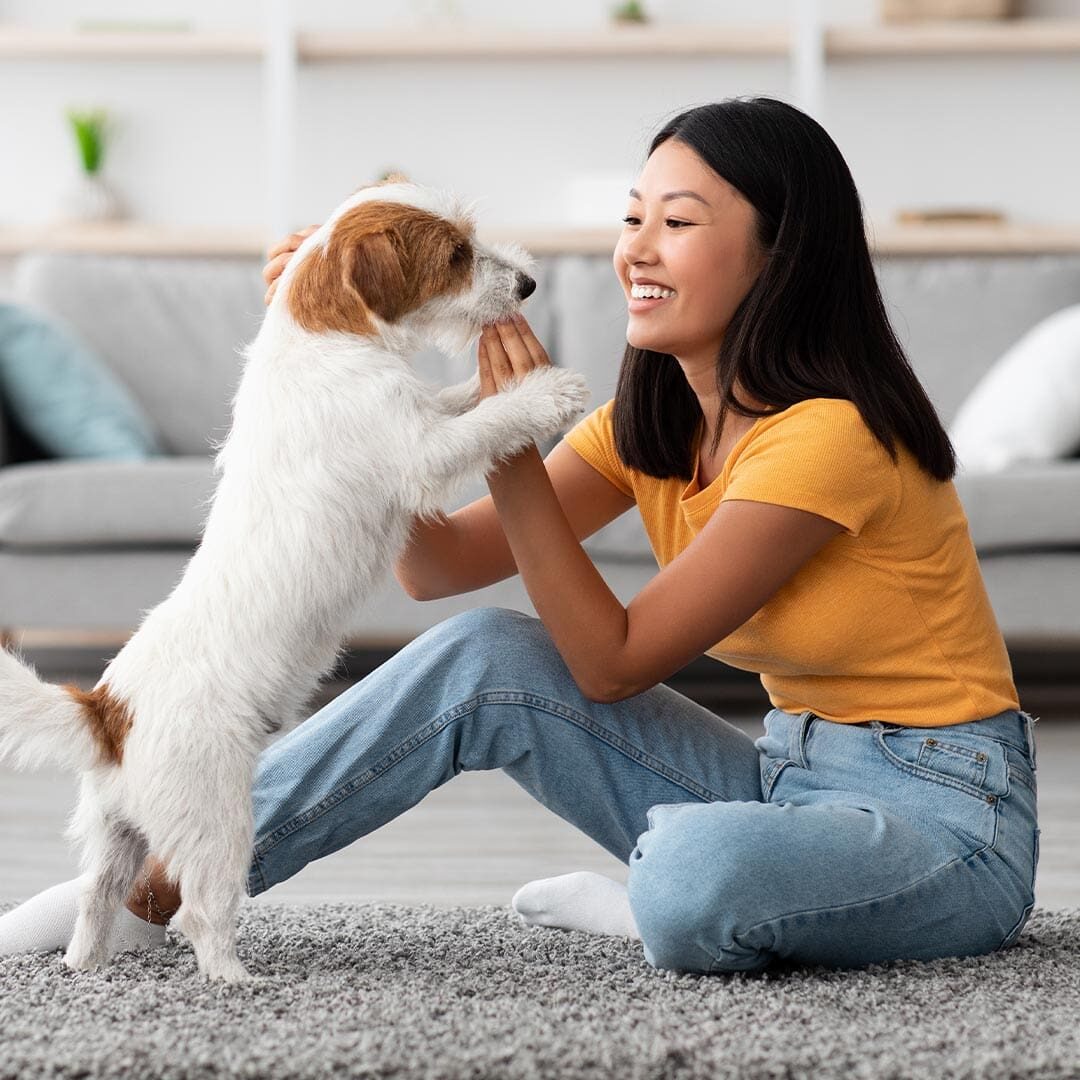
Credit: www.synergybehavior.com
Creating A Positive Environment
Creating a positive environment is key to happy dog training and good behavior. Dogs learn best in calm, safe places. A positive space helps dogs feel secure and ready to listen. It lowers stress and makes learning fun.
Choosing The Right Space
Pick a quiet, comfortable spot for training sessions. Avoid noisy or busy areas that distract your dog. The space should be free from hazards and clutter. A familiar room or a calm backyard works well. Keep the area clean and inviting to help your dog focus.
Setting Consistent Routines
Dogs thrive on routine. Train at the same time each day. Use consistent commands and signals to avoid confusion. Routines build trust and help dogs know what to expect. Short, regular sessions work better than long, rare ones. This keeps your dog engaged and eager to learn.
Using Positive Reinforcement
Reward good behavior with treats, praise, or play. Positive reinforcement encourages dogs to repeat good actions. Avoid punishment; it can create fear and stop learning. Use gentle words and kind gestures to guide your dog. Celebrate small wins to build confidence and joy in training.
Basic Training Techniques
Basic training techniques build a strong bond between you and your dog. These methods help your dog understand what you expect. Clear communication makes training easier and more fun. Start with simple steps to create good habits early on.
Teaching Simple Commands
Begin with commands like “sit,” “stay,” and “come.” Use treats to reward your dog immediately. Repeat commands in a calm, firm voice. Keep training sessions short, about 5 to 10 minutes. Practice daily to help your dog remember.
Leash Training Tips
Choose a comfortable leash and collar for your dog. Let your dog get used to wearing the leash indoors first. Walk slowly and encourage your dog to stay by your side. Stop walking if your dog pulls and wait for calm behavior. Praise your dog for walking nicely on the leash.
Housebreaking Strategies
Establish a regular bathroom schedule for your dog. Take your dog outside after meals and naps. Use a specific spot for bathroom breaks to build habit. Praise your dog immediately after they go outside. Clean accidents inside quickly to avoid repeat mistakes.
Advanced Behavior Skills
Advanced behavior skills help your dog live happily and safely. These skills improve your dog’s social life and daily habits. Teaching these skills needs patience and clear guidance. Your dog’s confidence grows with each new skill learned. Training advanced behaviors makes life easier for both of you.
Socializing With Other Dogs
Socializing helps dogs meet and play with others. It reduces fear and aggression around new dogs. Start with calm, friendly dogs in a quiet place. Watch your dog’s body language closely. Praise good behavior and gently correct unwanted actions. Regular social time builds your dog’s confidence and joy.
Handling Separation Anxiety
Separation anxiety causes stress when alone. Your dog may bark, chew, or act restless. Begin by leaving your dog alone for short times. Use toys or treats to distract and comfort. Create a safe, quiet space your dog likes. Gradually increase alone time to build trust and calmness.
Managing Excessive Barking
Excessive barking can bother neighbors and family. Identify triggers like noises, strangers, or boredom. Teach a quiet command with treats and praise. Offer enough exercise and mental games daily. Remove or reduce triggers when possible. Consistent training helps your dog stay calm and quiet.

Credit: www.barkbusters.com
Mental And Physical Stimulation
Mental and physical stimulation keeps dogs happy and healthy. Dogs need activities that challenge their minds and bodies. Without enough stimulation, dogs can feel bored or stressed. This can lead to unwanted behaviors like chewing or barking. Engaging your dog daily helps build a strong bond and improves behavior.
Interactive Toys And Games
Interactive toys keep dogs busy and thinking. Puzzle feeders and treat-dispensing toys encourage problem-solving. These toys slow down fast eaters and provide mental challenges. Games like hide-and-seek with toys or treats sharpen your dog’s focus. Interactive play helps reduce anxiety and boredom.
Daily Exercise Plans
Regular exercise is vital for dog health and happiness. Walks, runs, or play sessions burn off excess energy. Exercise supports strong muscles and joints. It also releases feel-good hormones that calm your dog. Plan activities that match your dog’s age and breed. Consistent exercise prevents many behavior problems.
Training Through Play
Training through play makes learning fun and effective. Use toys and treats to teach commands and tricks. Short, frequent sessions hold your dog’s attention. Play-based training builds trust and confidence. It turns learning into a positive experience. This approach improves obedience and strengthens your bond.
Common Behavior Challenges
Dogs can show many behavior problems. These problems can make life hard for both dogs and owners. Understanding common behavior challenges helps in dealing with them well.
Training and patience are key to helping dogs behave better. Each dog is unique and may have different needs.
Dealing With Chewing
Chewing is natural for dogs but can cause damage. Puppies chew to explore and soothe teething pain. Adult dogs may chew out of boredom or stress.
Provide safe chew toys to redirect their chewing. Remove items you do not want chewed. Praise your dog when they chew the right things.
Addressing Aggression
Aggression can scare owners and other people. It shows as growling, barking, or biting. Aggression often comes from fear or protectiveness.
Stay calm and avoid harsh punishments. Learn your dog’s triggers and work to reduce them. Seek help from a professional if aggression is severe.
Overcoming Fear And Phobias
Fear can cause dogs to hide or freeze. Loud noises, strangers, or new places can trigger fear. Phobias are strong, lasting fears that affect daily life.
Use gentle exposure to help dogs get used to fears. Reward calm behavior to build confidence. Patience is important for progress.
Nutrition And Health Impact
Good nutrition and health are key to happy dog training and behavior. A dog’s diet affects energy, mood, and focus. Healthy dogs learn better and behave well.
Proper nutrition fuels the brain and body. It supports strong nerves and muscles. Health issues can cause stress and bad habits. Careful attention to diet and health helps dogs stay calm and attentive.
Balanced Diet For Behavior
A balanced diet includes proteins, fats, vitamins, and minerals. These nutrients improve brain function and mood. Avoid foods with too many fillers or artificial ingredients. Fresh, natural food supports steady energy and calmness. Feeding regular, well-portioned meals keeps dogs focused during training.
Regular Vet Check-ups
Routine vet visits catch health problems early. Pain or illness can cause irritability or anxiety in dogs. Vets check teeth, joints, and overall health. Vaccinations and parasite control keep dogs comfortable. Healthy dogs respond better to training commands and social settings.
Supplements For Calmness
Some supplements help reduce anxiety and promote calmness. Omega-3 fatty acids support brain health and mood. Probiotics improve digestion, which affects behavior. Natural herbs like chamomile or valerian root calm nerves. Always consult a vet before adding supplements to a dog’s diet.
Building A Strong Bond
Building a strong bond with your dog creates trust and happiness. This bond helps your dog feel safe and loved. It also makes training easier and more fun. Spending time and understanding your dog strengthens your connection. Here are key ways to build this bond effectively.
Effective Communication
Clear communication is the base of a strong relationship. Use simple words and consistent commands. Speak in a calm and friendly tone. Dogs understand your voice better than your words. Pay attention to how your dog responds. Adjust your tone or commands to stay clear. This helps your dog know what you want.
Reading Canine Body Language
Dogs show feelings through their body. Watch their ears, tail, and eyes closely. A wagging tail usually means happiness. A tucked tail can show fear or stress. Ears back might mean your dog is nervous. Learn these signs to understand their mood. This prevents misunderstandings and builds trust.
Rewarding Good Behavior
Rewards motivate dogs to repeat good actions. Use treats, praise, or playtime as rewards. Give them right after good behavior. This helps dogs connect the reward to their action. Avoid punishment; it can harm your bond. Positive rewards make training fun and effective.
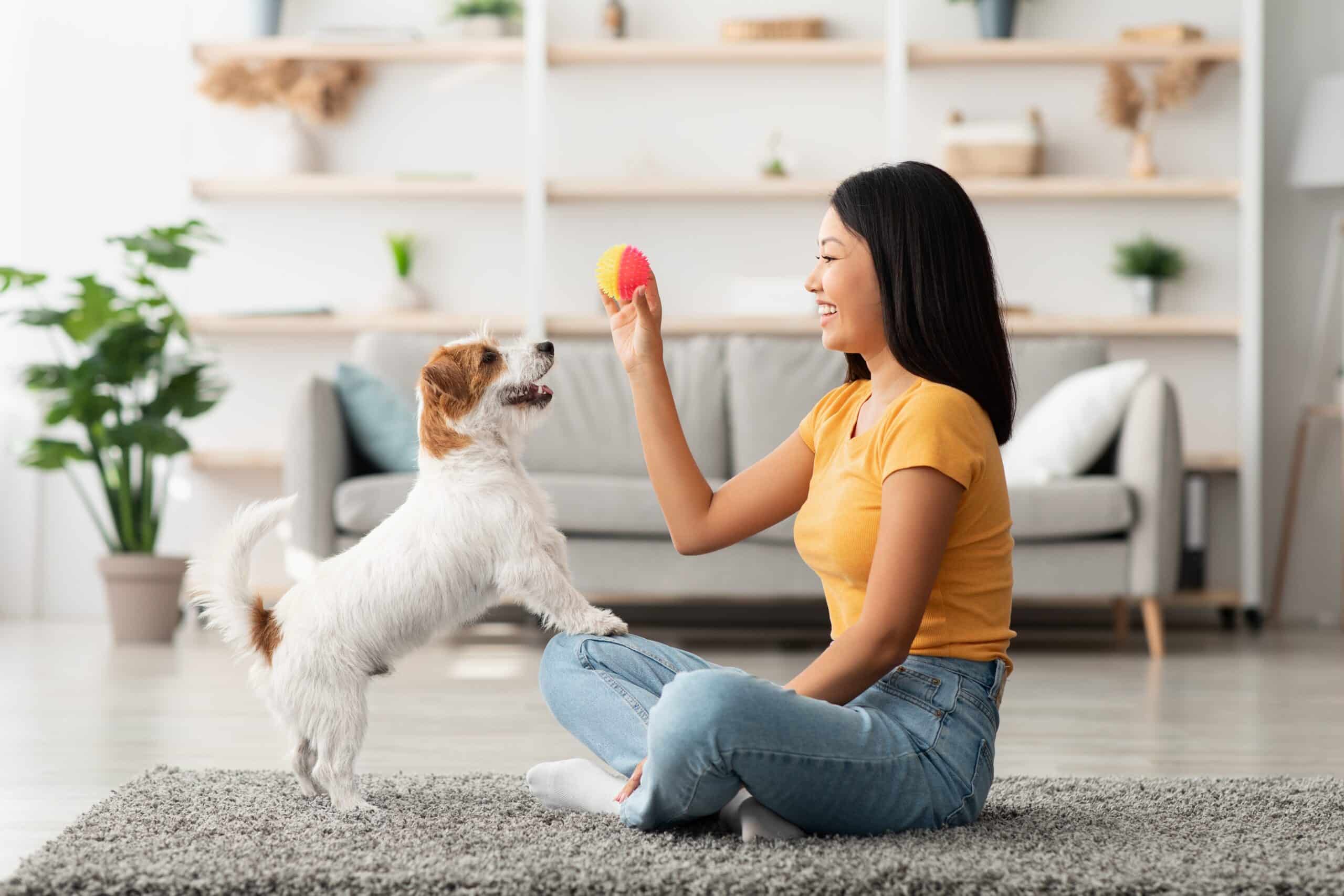
Credit: www.houndslounge.com
Frequently Asked Questions
How Do I Start Happy Dog Training At Home?
Begin with short, consistent sessions using positive reinforcement. Use treats and praise to encourage good behavior. Keep training fun to maintain your dog’s interest and build trust.
What Are Common Signs Of Happy Dog Behavior?
Happy dogs show relaxed body language, wagging tails, and playful actions. They maintain eye contact and respond positively to commands. A calm, attentive dog usually indicates contentment.
How Can I Correct Bad Dog Behavior Gently?
Use calm, clear commands and reward good behavior immediately. Avoid punishment; instead, redirect your dog’s attention to positive actions. Consistency and patience are key to effective behavior correction.
Why Is Socialization Important For Happy Dogs?
Socialization helps dogs feel comfortable around people and other animals. It reduces fear and aggression, promoting balanced behavior. Early exposure to different environments supports overall happiness.
Conclusion
Happy dog training creates a strong bond between you and your pet. Consistent practice helps your dog learn good behavior fast. Positive methods make training fun and stress-free. A happy dog feels safe, loved, and confident every day. Remember, patience and kindness bring the best results.
Enjoy every step of your training journey together. Your dog will thank you with loyalty and joy. Keep learning, stay calm, and celebrate small wins often. Good behavior leads to a happier life for both of you.

