

Are you wondering how old your dog should be before they’re fully potty trained? You’re not alone.
Potty training can feel overwhelming and confusing, especially when you want your furry friend to learn fast and avoid accidents at home. But knowing the right age to start and what to expect can make all the difference. You’ll discover the key signs your dog is ready, the typical timeline for potty training, and simple tips to help you get there quickly.
Keep reading to make potty training a smooth and stress-free experience for both you and your dog.

Credit: www.flashdogtraining.com
Ideal Age For Potty Training
Potty training a dog is an important step in pet care. Knowing the ideal age helps make training easier and more effective. Most puppies start potty training between 12 and 16 weeks old. This age fits their natural growth and learning ability. Early training can avoid accidents and build good habits.
Puppy Development Stages
Puppies go through key growth phases. From birth to 8 weeks, they mostly sleep and eat. Between 8 and 12 weeks, they become curious and active. This is a great time to introduce potty training basics. By 12 weeks, puppies can control their bladders better. They learn faster and understand simple commands. Training during this stage leads to better results.
Signs Of Readiness
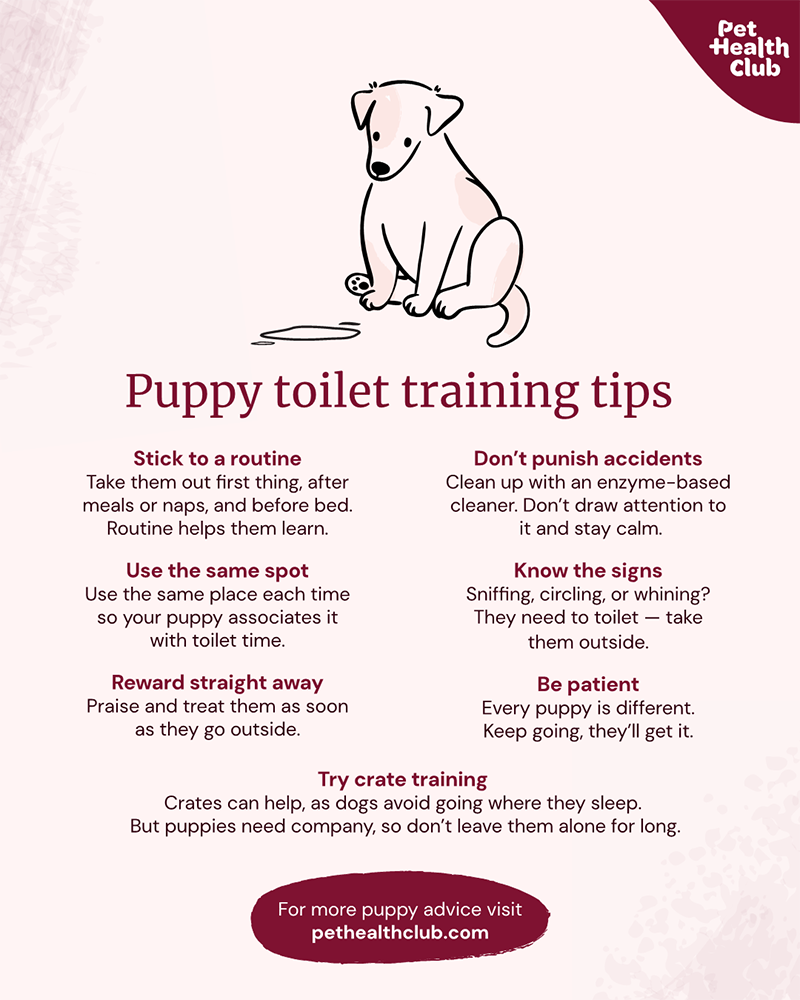
Watch for signals your puppy is ready. They may start sniffing or circling before going. Puppies can stay dry for at least two hours. They follow you around and want attention. These signs mean they understand control and need guidance. Start potty training as soon as you see these behaviors. It helps puppies learn quicker and reduces accidents.
Credit: www.pethealthclub.com
Factors Affecting Training Time
Training a dog to be potty trained takes time and patience. Several factors affect how quickly your dog learns. Understanding these helps set realistic goals. Each dog is unique and learns at its own pace. Some may catch on fast, while others need more time.
Breed Differences
Different dog breeds learn potty training at different speeds. Some breeds are naturally easier to train. Small breeds often take longer to train than larger ones. Working breeds usually respond faster to training commands. Knowing your dog’s breed traits helps manage expectations.
Health Considerations
Health problems can slow down potty training progress. Dogs with bladder issues need extra care and time. Puppies with digestive problems may have accidents more often. Regular vet checkups ensure your dog is healthy during training. Healthy dogs usually learn potty habits faster.
Individual Temperament
Each dog has its own personality and learning style. Calm dogs may focus better during training sessions. Nervous or shy dogs might need more time and patience. Some dogs enjoy routines and pick up habits quickly. Tailor your training to fit your dog’s temperament.
Effective Training Techniques
Effective training techniques help your dog learn potty habits faster. Using clear methods makes training easier. Dogs respond well to routines and rewards. Start training early and stay patient. Consistency and kindness guide your dog to success.
Consistent Schedule
Set regular times for bathroom breaks. Take your dog out after eating, drinking, and waking up. A consistent schedule helps your dog understand when to go. It reduces accidents inside the house. Keep the routine every day, even on weekends.
Positive Reinforcement
Praise your dog when it goes potty outside. Use treats or kind words to reward good behavior. Positive reinforcement makes your dog want to repeat the action. Avoid punishment, as it can cause fear and confusion. Celebrate every small success to keep your dog motivated.
Crate Training Benefits
Crate training creates a safe space for your dog. Dogs avoid soiling their sleeping area naturally. Use the crate to teach bladder control and patience. Keep the crate comfortable and never use it as punishment. This method supports faster potty training and builds trust.
.jpg?revision=1&size=bestfit&width=537&height=360)
Credit: resources.sdhumane.org
Common Challenges And Solutions
Potty training a dog is a big step. Many owners face common challenges during this phase. These problems can make training slow or frustrating. Knowing the right solutions helps to keep progress steady. Here are some usual issues and easy ways to handle them.
Accidents Indoors
Accidents inside the house are normal in early training. Dogs may forget or not know where to go. Clean the area well to remove smells. Use a consistent phrase to guide your dog to the right spot. Praise your dog immediately after they go outside. Avoid punishment. It can confuse and scare your dog.
Regression Issues
Sometimes dogs seem to forget their training. Changes like moving or new pets can cause this. Stick to a regular schedule for feeding and bathroom breaks. Stay calm and patient. Return to basic training steps if needed. This helps your dog regain good habits quickly.
Handling Stubborn Behavior
Some dogs resist potty training at first. They may ignore commands or go in secret. Use clear, simple commands every time. Reward your dog with treats or praise for good behavior. Avoid anger or harsh words. Be firm but gentle to build trust and cooperation.
Tips For Long-term Success
Successful potty training does not end after the first few weeks. It requires ongoing effort and good habits. These tips help keep your dog well trained for life. Consistency and care build strong habits. Your dog learns faster and avoids accidents.
Maintaining Routine
Stick to a daily schedule for feeding and bathroom breaks. Dogs thrive on routine. It helps them know what to expect. Feeding at the same times leads to regular bathroom needs. Consistent timing reduces accidents inside the house.
Regular Outdoor Breaks
Take your dog outside often, especially after meals and naps. Frequent trips outside give more chances to go potty. This lowers the risk of accidents. Praise your dog every time they go outside. Positive feedback encourages good behavior.
Patience And Persistence
Accidents happen. Stay calm and avoid punishment. Keep training consistent and gentle. Dogs learn with time and repetition. Celebrate small successes to keep motivation high. Patience helps your dog feel safe and confident.
Frequently Asked Questions
At What Age Can A Dog Start Potty Training?
Puppies can begin potty training as early as 8 weeks old. Early training sets good habits and consistency is key. Puppies have limited bladder control, so frequent breaks help reinforce proper behavior. Patience and positive reinforcement improve success rates.
How Long Does It Take To Potty Train A Dog?
Potty training typically takes 4 to 6 months for most dogs. Some breeds learn faster, while others need more time. Consistent schedules, positive rewards, and supervision speed up the process. Expect occasional accidents and remain patient throughout training.
What Signs Show A Dog Is Ready For Potty Training?
A dog ready for potty training shows increased bladder control and awareness. Puppies start signaling when they need to go outside. They show interest in designated potty areas. Readiness varies by age and breed but usually appears around 8 weeks.
Can Adult Dogs Be Potty Trained Effectively?
Yes, adult dogs can be potty trained with patience and consistency. Training may take longer than with puppies. Establish regular bathroom routines, reward desired behavior, and supervise closely. Behavior modification techniques work well for adult dogs.
Conclusion
Potty training a dog takes time and patience. Most dogs learn between 4 to 6 months old. Start training early and be consistent every day. Praise your dog for good behavior to help them learn faster. Remember, accidents will happen, but stay calm and keep trying.
Each dog is different, so adjust your approach as needed. With care and effort, your dog will become potty trained. Keep your training simple and positive for the best results. Good habits build a happy home for you and your dog.


