

Have you noticed your dog acting differently lately? Maybe they’re more stubborn, playful, or even a bit rebellious.
Just like teenagers, dogs go through a phase called adolescence that can be confusing for both of you. Understanding teenage dog behavior can help you stay patient and guide your furry friend through this tricky time. Keep reading to discover what’s really going on inside your dog’s mind and how you can turn challenges into opportunities for a stronger bond.
Teenage Dog Traits
Teenage dogs show many new behaviors as they grow. This stage can be confusing for owners. Dogs start to test limits and learn about the world. Understanding their traits helps guide them well. Patience and care are key to good growth.
Common Behavioral Changes
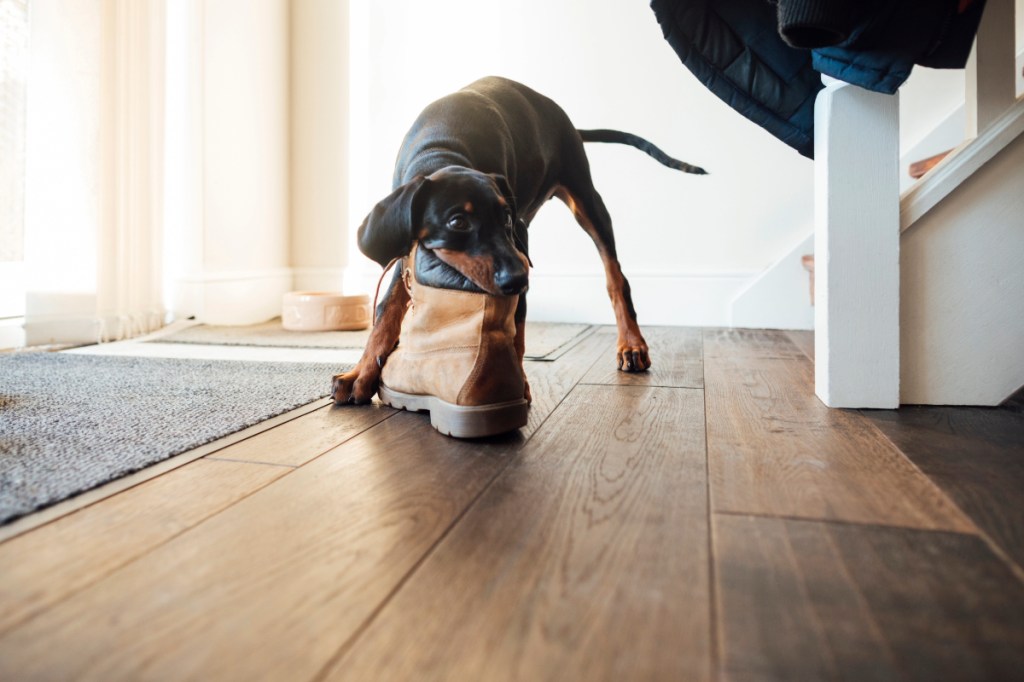
Teenage dogs may become more independent. They might ignore commands sometimes. Chewing on things can increase during this time. Dogs may show more energy and playfulness. Some dogs act shy or nervous around new people. Training can feel harder but stays very important.
Physical Development Stages
During teenage months, dogs grow fast. Their bodies get stronger and more coordinated. Teeth change as adult teeth come in. Muscle development increases with more activity. Some dogs look awkward while growing. Regular vet visits help track healthy growth.
Emotional Growth Patterns
Teenage dogs start to feel strong emotions. They might show frustration or excitement clearly. Social skills improve as they meet other dogs. Fear or anxiety can happen more often. Comfort and routine help them feel safe. Emotional support builds trust and good behavior.
Credit: dogtime.com
Handling Teenage Challenges
Teenage dogs act differently from puppies. Their behavior can be confusing and hard to manage. This stage needs patience and clear guidance. Handling teenage challenges helps build a strong bond. It also shapes your dog’s future manners and habits.
Dealing With Disobedience
Teen dogs test limits often. Saying no and ignoring commands is common. Stay calm and consistent with rules. Use firm but kind commands. Avoid yelling or punishment, which can harm trust. Reward good behavior quickly to encourage it. Practice short training sessions daily. Clear boundaries help your dog understand expectations better.
Managing Increased Energy
Teenage dogs have more energy than before. They need extra exercise to stay calm. Walks, playtime, and games help burn energy. Mental activities also keep their minds busy. Try puzzle toys or simple training tricks. A tired dog behaves better and feels happier. Without enough activity, dogs can become destructive or restless.
Addressing Socialization Issues
Teenage dogs may feel shy or aggressive with others. Socialization is crucial during this stage. Introduce your dog to new people and dogs gently. Use positive reinforcement to create good memories. Avoid forcing interactions if your dog feels scared. Attend puppy classes or dog parks carefully. Proper social skills reduce fear and improve behavior later.
Training Strategies
Training a teenage dog can be a challenge. This stage often brings changes in behavior and energy. Good training strategies help guide your dog with patience and care. Focus on clear communication and positive experiences. These methods build trust and encourage good behavior.
Positive Reinforcement Techniques
Reward your dog for good actions immediately. Use treats, praise, or play as rewards. This makes your dog want to repeat the behavior. Avoid punishment, which can cause fear or confusion. Positive reinforcement creates a happy learning environment. Keep rewards consistent and fair for best results.
Consistency In Commands
Use the same words and gestures every time. Dogs learn better with clear, simple commands. Avoid changing commands or signals often. Consistency helps your dog understand what you expect. Everyone in the household should use the same commands. This reduces confusion and speeds up learning.
Building Good Habits
Start with small, easy tasks to build confidence. Practice daily to make habits strong. Reward calm behavior and patience. Set rules for chewing, barking, and jumping early. Be patient; habits take time to form. Good habits prevent problems later and make life easier.

Credit: www.companionanimalpsychology.com
Health And Nutrition
Teenage dogs go through many changes in their body and mind. Their health and nutrition need special care. Good food and exercise help them grow strong and stay happy. Paying attention to their needs now sets a good path for their adult life.
Diet Adjustments For Growth
Teenage dogs need more nutrients than puppies or adults. Their bodies grow fast and need energy. High-quality protein helps build muscles. Healthy fats support brain and skin health. Choose dog food made for teens or growing dogs. Avoid giving too many treats or human food. Balanced meals help avoid weight problems and keep energy steady.
Exercise Needs
Teen dogs are full of energy. Regular exercise helps them use this energy well. Daily walks and playtime keep their muscles strong. Exercise also helps with behavior and training. Avoid too much hard exercise to protect their developing joints. Short, frequent activities are best for their age.
Regular Vet Checkups
Vet visits are important during teenage years. Regular checkups catch health problems early. Vaccines and parasite control keep dogs safe. The vet can advise on diet and exercise. Monitoring growth and weight helps prevent future issues. Keep all vet appointments and follow advice closely.
Bonding With Your Teen Pup
Bonding with your teenage dog builds trust and deepens your relationship. This stage can bring changes in behavior and mood. Consistent bonding helps guide your teen pup through this time. You create a strong connection that lasts a lifetime.
Effective Communication
Speak clearly and use simple commands. Your teen pup listens better to calm voices. Watch their body language to understand feelings. Respond with kindness and patience. Consistent signals reduce confusion and build trust.
Engaging Activities
Play helps your teen pup stay happy and healthy. Choose games that match their energy level. Try fetch, hide-and-seek, or gentle tug-of-war. Training sessions also make bonding fun. Short, fun activities keep your pup interested and eager.
Patience And Understanding
Teen pups test limits as they grow. Stay calm when they make mistakes. Learning takes time and gentle guidance. Praise good behavior often to encourage progress. Patience builds confidence and strengthens your bond.

Credit: www.thecolumbiastar.com
Frequently Asked Questions
What Are Common Teenage Dog Behavior Changes?
Teenage dogs often test boundaries and show increased independence. They may become more stubborn, playful, or disobedient. Hormonal changes can cause mood swings and increased energy. Understanding these behaviors helps owners provide better training and patience during this developmental phase.
How To Train A Teenage Dog Effectively?
Consistent, positive reinforcement training works best for teenage dogs. Use clear commands and reward good behavior immediately. Avoid harsh punishments, as they can worsen behavior. Patience and regular exercise also support better training outcomes during this challenging stage.
Why Does My Teenage Dog Show Aggression Sometimes?
Aggression in teenage dogs can stem from fear, frustration, or hormonal changes. It’s often a phase as they test social boundaries. Early socialization, calm handling, and professional guidance can help reduce aggressive behaviors and ensure safe interactions.
How Much Exercise Does A Teenage Dog Need Daily?
Teenage dogs require at least 1 to 2 hours of exercise daily. Physical activity helps manage energy levels and reduce destructive behaviors. Balanced exercise includes walks, playtime, and mental stimulation for overall well-being.
Conclusion
Teenage dogs can act wild and test your patience a lot. They need clear rules and gentle guidance every day. Training and play help them learn what is right and wrong. Stay calm and consistent, even when they seem stubborn.
This phase does not last forever; good habits grow with time. Enjoy the fun moments while teaching them well. Your dog will become a happy, well-behaved friend soon. Keep love and patience close to your heart.


