

Have you ever wondered if the many dog breeds you see are actually different species? It’s a question that might surprise you.
You love your dog for its unique traits, but does that mean it’s a completely separate species from other dogs? Understanding the truth behind this can change how you see your furry friend and all the others out there. Keep reading, because what you discover might challenge everything you thought you knew about dogs.
Dog Breeds And Species Basics
Many people wonder if different dog breeds are actually different species. The idea can be confusing. Dogs come in many shapes and sizes, but that does not mean they are different species. Understanding the basics of species and breeds helps clear this up.
Species is a scientific term used to group animals that can mate and have babies that can also reproduce. Breeds are groups within a species, created by humans through careful breeding. This section explains these ideas in simple terms.
What Defines A Species
A species is a group of animals that can breed with each other. Their babies must also be able to have babies. This keeps the group separate from other species. For example, dogs and wolves are different species but can still have puppies together.
Species have unique features and genetics that set them apart. These features often stop them from breeding with other species naturally. This is how nature keeps animals organized in groups.
How Breeds Are Classified
Breeds are smaller groups inside one species. They share most traits but have differences. Humans choose dogs with certain traits to breed together. Over time, this creates many dog breeds.
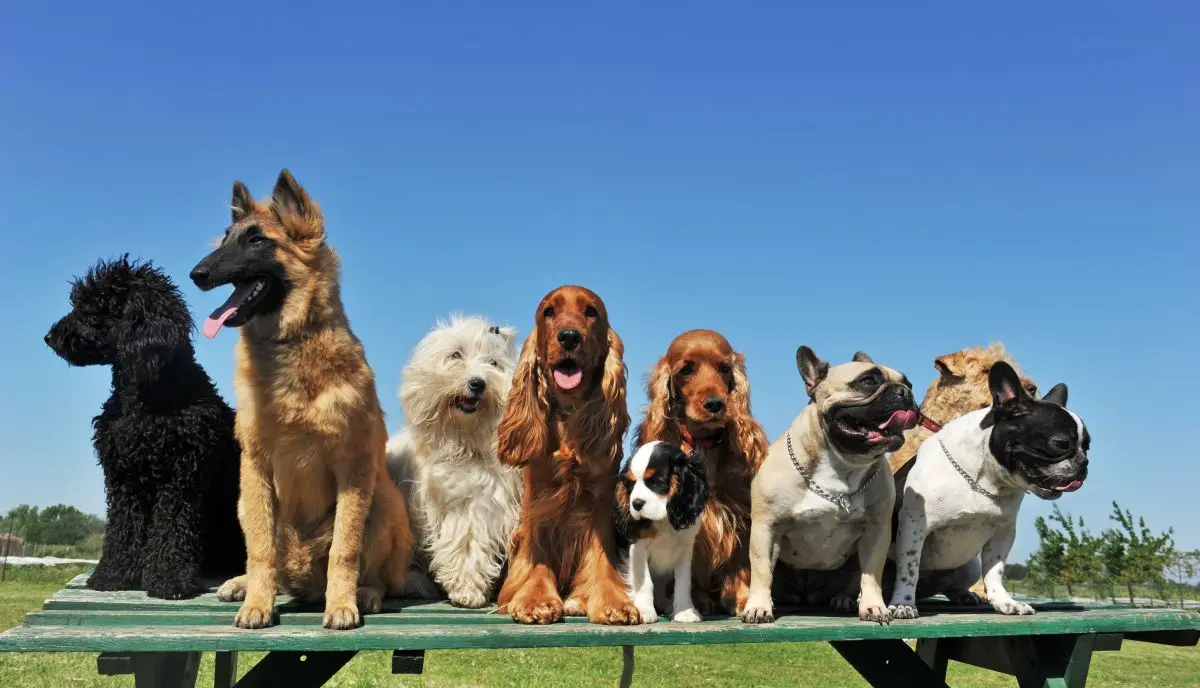
Breeds differ in size, color, fur type, and behavior. Yet, all dog breeds belong to the same species, Canis lupus familiaris. This means they can all mate and have puppies.
Origins Of Dog Breeds
Dogs come in many shapes and sizes. Each breed has unique traits and looks. These differences did not happen by chance. They are the result of a long history. Understanding where dog breeds come from helps explain their variety.
Dogs share a common ancestor but have changed through time. Human actions played a big role in these changes. Two key parts shaped dog breeds: domestication and selective breeding. Both have deep roots in history.
Domestication Of Dogs
Dogs were the first animals humans tamed. This happened thousands of years ago. Early humans and wolves formed a partnership. Wolves helped with hunting and guarding. Humans offered food and shelter in return.
This close bond led to changes in wolves. Over time, they became more like dogs. Domestication made dogs friendlier and easier to live with. This process started the journey of many dog breeds.
Selective Breeding Practices
Humans began to choose dogs with certain traits. These traits could be size, behavior, or skills. Dogs with desired traits were bred together. This method is called selective breeding.
Selective breeding created dogs for specific jobs. Some dogs became hunters, herders, or companions. This practice shaped the many breeds we see today. Each breed has a purpose and special qualities.
Genetic Differences Among Breeds
Genetic differences among dog breeds explain their variety. Dogs have many breeds, each with unique looks and behaviors. These differences come from their genes. Genes carry the information that shapes a dog’s body and mind.
Though breeds look different, they share much of their DNA. Small changes in genes cause the wide range of dog traits. Understanding these genetic differences helps us learn about dogs better.
Dna Similarities Across Breeds
All dog breeds belong to the same species, Canis lupus familiaris. Their DNA is very similar. Over 99% of their genes are the same. This close genetic match means dogs can breed with each other easily.
These shared genes keep dogs as one species. Differences in breed come from tiny changes in specific parts of DNA. These small changes make each breed special but do not make them separate species.
Traits Influenced By Genetics
Genes control many dog traits like size, coat type, and color. Some breeds have thick fur, others short hair. Genetics also affect behavior, such as herding or guarding instincts.
Breeders select dogs with certain genes to create breeds with desired traits. This process shapes the breed’s look and skills over many generations. Genetics play the main role in what makes each breed unique.

Credit: en.wikipedia.org
Common Myths About Dog Species
Many people believe that different dog breeds are different species. This idea comes from how much dogs can look and act differently. Some think a Chihuahua and a Great Dane are not closely related. Others guess that breeds with unique traits must be separate species. These beliefs are not true. Dogs of all breeds belong to the same species. Understanding this helps clear up confusion about dogs and their nature.
Are Breeds Separate Species?
Dogs of all breeds belong to one species called Canis lupus familiaris. This means they can mate and have puppies. Different breeds are like different versions of the same species. Breeds vary because of breeding for certain traits. Size, color, and behavior may change, but the species remains the same. The idea that breeds are separate species is a myth. All dogs share a common ancestor and species identity.
Misconceptions From Appearance
Dog breeds can look very different from each other. A Bulldog looks nothing like a Border Collie. Large breeds like Mastiffs seem far from small breeds like Pugs. These differences cause people to think they are separate species. Appearance can be misleading. Breeds have different shapes, sizes, and fur types. Yet, they are all part of the same species. Their DNA proves they belong together.
Scientific Reality On Dog Classification
Many people wonder if different dog breeds are separate species. Scientifically, the answer is no. All dogs belong to a single species. This section explains the scientific facts about dog classification.
Why All Dogs Belong To One Species
Dogs, no matter their breed, share the same species name. They can mate and have puppies that can also reproduce. This ability to produce fertile offspring is a key sign of one species. Differences in size, shape, or color do not change this fact.
Breeds like Chihuahuas and Great Danes look very different. Still, they belong to the same species because their genes are compatible. Their physical traits vary due to selective breeding by humans over many years.
Role Of Canis Lupus Familiaris
The scientific name for the domestic dog is Canis lupus familiaris. This name shows dogs are a subspecies of the wolf, Canis lupus. Dogs evolved from wolves thousands of years ago. Humans helped shape their breeds through selective breeding.
All dog breeds fall under this subspecies. This classification explains why dogs share many traits with wolves. It also confirms that all dogs belong to one species, despite their variety.
Credit: www.newsweek.com
Implications Of Breed Vs Species Confusion
Confusing dog breeds with different species can cause real problems. People may think all dogs behave the same or need the same care. This mistake leads to poor decisions about training and health. It also affects laws and how we protect animals. Understanding the difference between breeds and species helps us treat dogs better and make smarter rules.
Impact On Dog Care And Training
Each dog breed has unique traits. Some need more exercise. Others need special diets. Treating all dogs the same can cause health issues. Training methods also vary by breed. A small dog may learn differently than a big, strong breed. Knowing the breed helps owners choose the right care. It leads to happier, healthier dogs.
Legal And Conservation Issues
Species classification affects laws. Different species have different protections. Mixing breeds with species can cause legal confusion. Some laws protect wild species but not domestic breeds. This confusion can delay important actions. It can also affect rescue and shelter rules. Clear understanding ensures proper care and protection for all dogs.
Future Of Dog Breeding And Species Concepts
The future of dog breeding and how we see species is changing fast. Science is helping us understand dogs better. This knowledge can change how breeds and species are defined.
New technology allows breeders to create healthier and more diverse dogs. The idea of what makes a dog a certain breed or species may shift. This can impact breeding rules and animal care.
Advances In Genetic Research
Genetic research now reads dog DNA quickly and clearly. Scientists find differences and similarities between breeds at the gene level. This helps identify traits passed down through generations.
Breeders can use this data to reduce health problems. They can also mix breeds to improve strength and behavior. Genetics offers a clearer picture of how dogs evolve and relate.
Potential Changes In Classification
Species classification might change based on new genetic findings. Some breeds could be reclassified or grouped differently. This may affect how dogs are registered and bred worldwide.
Understanding genetic links may blur lines between species and breeds. It shows dogs share a common ancestor despite their differences. These changes can improve dog care and breeding ethics.

Credit: penntoday.upenn.edu
Frequently Asked Questions
Are Different Dog Breeds Separate Species?
No, all dog breeds belong to the same species, Canis lupus familiaris. They differ in appearance and traits but share common genetics. Breeds are variations within the species, not separate species themselves.
Can Dog Breeds Interbreed Successfully?
Yes, all dog breeds can interbreed and produce fertile offspring. This is because they belong to the same species. Crossbreeding mixes traits but does not create a new species.
Why Do Dog Breeds Look So Different?
Dog breeds vary due to selective breeding for specific traits. Humans bred dogs for size, coat, color, and behavior differences. Despite appearances, genetic differences are minor within the species.
Are Wolf And Dog Different Species?
Dogs and wolves are closely related but considered different subspecies. Dogs are Canis lupus familiaris, and wolves are Canis lupus. They can interbreed but have distinct behaviors and domestication history.
Conclusion
Dog breeds belong to the same species, not different ones. They share common ancestors and can mate easily. Differences in size, shape, and color come from selective breeding. These traits make each breed unique but do not change species. Understanding this helps appreciate the variety within dogs.
It also clears up common confusion about dog classification. Dogs show how one species can look very different. This diversity is part of what makes dogs special companions.


