
Bringing a new puppy home is exciting, but those first few nights can be tough—for both you and your furry friend. If you want your puppy to sleep soundly and feel safe in their crate, you need the right approach.
Imagine nights filled with peaceful rest instead of constant whining or accidents. You’ll discover the best tips for crate training your puppy at night. These simple, effective strategies will help you create a calm bedtime routine and build a happy, confident pup.
Keep reading to transform your nights and make crate training a breeze.

Credit: www.reddit.com
Choosing The Right Crate
Choosing the right crate is important for your puppy’s comfort and safety at night. A good crate helps your puppy feel secure and calm. It also makes training easier and more effective. Pick a crate that fits your puppy’s needs and your home space. Think about size, material, and comfort.
Size Matters
Choose a crate big enough for your puppy to stand and turn around. Too small feels cramped and may cause stress. Too large lets your puppy use one side as a bathroom. Find the right size so your puppy feels safe and cozy.
Material Options
Crates come in plastic, metal, or fabric. Plastic crates offer privacy and warmth. Metal crates provide good airflow and durability. Fabric crates are lightweight and easy to carry. Pick the material based on your puppy’s needs and your lifestyle.
Comfort Essentials
Add soft bedding to keep your puppy warm and comfortable. Use washable mats or blankets for easy cleaning. Avoid heavy or bulky bedding that blocks ventilation. A comfy crate helps your puppy relax and sleep better at night.
Preparing Your Puppy
Preparing your puppy for crate training at night sets the stage for success. A calm and positive start helps your puppy feel safe and secure. It is important to make the crate a welcoming place. This eases anxiety and builds good habits early on.
Introducing The Crate Positively
Begin by placing the crate in a quiet, comfortable room. Leave the door open so your puppy can explore freely. Allow your puppy to enter and exit without pressure. Praise your puppy gently for any interest shown. This builds trust and curiosity about the crate.
Creating A Cozy Space
Line the crate with soft bedding to make it inviting. Use a blanket that smells like you or your puppy’s favorite place. Keep the crate size just right—big enough to turn but not too large. A cozy space feels like a den and calms your puppy at night.
Using Treats And Toys
Place treats inside the crate to encourage your puppy to enter. Use chew toys or soft toys that your puppy likes. These items create positive associations with the crate. Reward calm behavior inside the crate with gentle praise and more treats.
Establishing A Nighttime Routine
Creating a calm and predictable nighttime routine helps your puppy feel safe. Puppies thrive on routine. It reduces anxiety and makes crate training easier at night. A good routine prepares your puppy for sleep and limits accidents. Establishing this habit early sets the foundation for healthy sleep patterns.
Consistent Bedtime Schedule
Choose a bedtime and stick to it every night. Dogs like knowing what to expect. A consistent schedule helps regulate their body clock. This makes it easier for your puppy to settle in their crate. Avoid late or random bedtimes to prevent confusion and restlessness.
Pre-bedtime Exercise
Spend time playing or walking before bedtime. Exercise helps your puppy burn off energy. A tired puppy is more likely to sleep through the night. Keep activities gentle and calm as bedtime nears. Too much excitement can make settling down harder.
Last Potty Break
Take your puppy outside for a bathroom break just before bed. This reduces the chance of accidents in the crate. Make this break calm and quick. Avoid playtime during this trip to keep your puppy focused on the task. A clean crate and empty bladder promote restful sleep.
Managing Nighttime Whining
Nighttime whining is a common challenge in crate training puppies. It can be stressful for both the puppy and the owner. Managing this behavior with patience helps build trust and comfort. Understanding why your puppy whines at night is the first step to calming them effectively.
Recognizing Legitimate Needs
Puppies may whine due to real needs, like needing to go outside. They might feel hungry, thirsty, or uncomfortable. Check if the puppy needs a bathroom break. Make sure the crate is cozy and not too cold or hot. Meeting these needs quickly keeps whining from becoming a habit.
Avoiding Reinforcement Of Whining
Giving attention every time your puppy whines teaches them to use whining for rewards. Ignore minor whining that is just for attention. Wait for a moment of quiet before responding. This shows your puppy that silence gets the best reaction. Consistency is key to stopping unwanted whining.
Comforting Without Overstimulating
Comfort your puppy with calm, quiet voices and gentle pats. Avoid playing or turning on bright lights. Overstimulating can wake your puppy more and make whining worse. Keep interactions brief and peaceful. This helps your puppy settle back down quickly and sleep soundly.
Gradual Crate Training Progress
Gradual crate training helps puppies feel safe and comfortable. It takes time for them to get used to the crate. Moving step by step makes the process easier. Start slow and increase the time inside the crate bit by bit. Watch your puppy’s feelings and adjust the training as needed. This method builds trust and reduces stress at night.
Short Sessions At First
Begin with short crate sessions during the day. Let your puppy explore the crate freely. Close the door for just a few minutes. Give treats and praise to create positive feelings. Keep sessions fun and stress-free. This helps your puppy see the crate as a safe place.
Extending Crate Time
Slowly increase the time your puppy stays in the crate. Add a few minutes each day. Nighttime crate time should grow little by little. Take breaks for bathroom trips and play. Avoid long periods that cause anxiety. Patience is key for your puppy’s comfort.
Monitoring Puppy’s Response
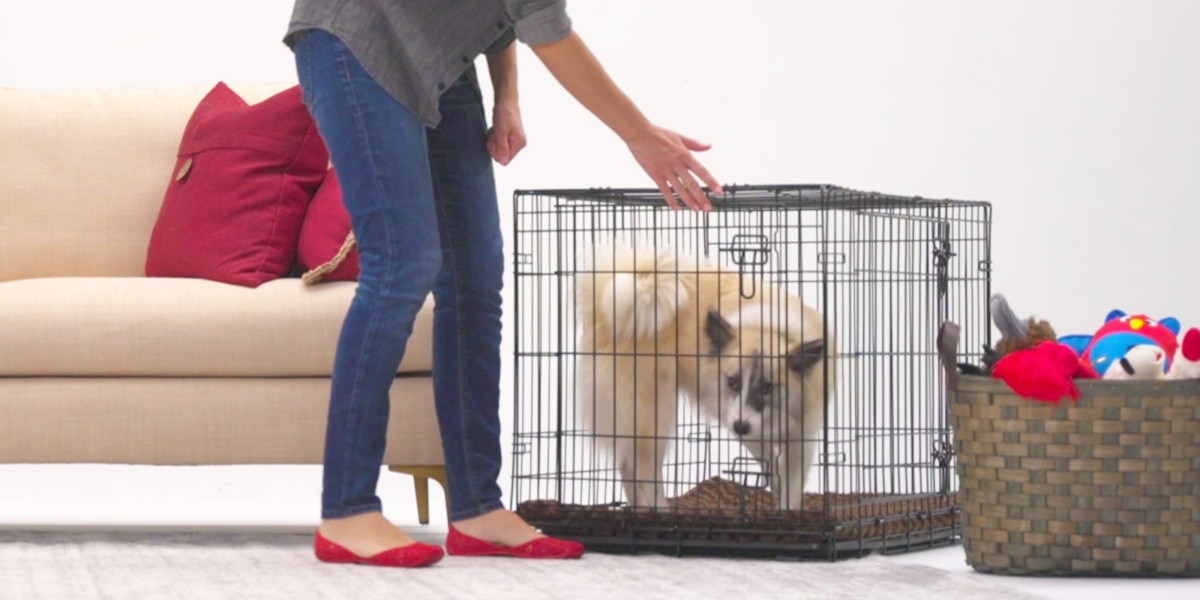
Watch how your puppy acts during crate training. Look for signs of stress like whining or scratching. Calm and quiet behavior shows progress. If your puppy seems upset, slow down the training. Adjust the crate time to fit your puppy’s needs. Always respond with kindness and care.
Credit: www.purina.com
Troubleshooting Common Issues
Crate training a puppy at night can bring many challenges. Some problems may seem hard to solve. Understanding common issues helps keep the process smooth. Troubleshooting these problems early helps your puppy feel safe and calm. It also makes nights easier for everyone.
Separation Anxiety
Puppies often feel scared when alone in a crate. They may cry or bark loudly. This shows separation anxiety. Try placing the crate near your bed. Your presence comforts your puppy. Give a soft blanket or a toy inside. It helps them feel less lonely. Avoid letting the puppy out when it cries. This teaches them to stay calm.
Accidents In The Crate
Accidents happen as puppies learn bladder control. Make sure to take your puppy out right before bedtime. Limit water intake an hour before sleep. Use a crate that is just the right size. Too big means they might pee in one corner. Clean accidents with an enzyme cleaner. This stops your puppy from returning to that spot.
Puppy Restlessness
Restlessness in the crate may mean your puppy is uncomfortable. Check if the crate is too hot or cold. Give a comfortable bed or blanket inside. Tire your puppy out with playtime before bed. A tired puppy sleeps better. Stay calm and patient. Your calmness helps your puppy relax.
Benefits Of Nighttime Crate Training
Nighttime crate training offers many benefits for both puppies and owners. It helps create a calm and consistent routine. This routine supports your puppy’s development and makes nights easier for everyone. Using a crate at night helps your puppy feel safe and secure. It also helps improve sleep and speeds up housebreaking.
Safety And Security
A crate keeps your puppy safe during the night. Puppies can get into trouble if left free in the house. The crate stops them from chewing wires or eating harmful objects. It gives your puppy a quiet, cozy space to rest. This space feels like a den, which dogs naturally like. A safe crate reduces stress and helps puppies settle down.
Improved Sleep Patterns
Crate training teaches your puppy to sleep through the night. Puppies learn to relax in their crate and feel comfortable alone. A consistent sleeping spot helps them build good habits. Better sleep means less waking and fewer accidents. Owners also get more rest with a calm puppy at night. A well-rested puppy is happier and more energetic during the day.
Easier Housebreaking
Crate training supports faster housebreaking. Puppies avoid soiling their sleeping area. This natural instinct helps them learn bladder control. Nighttime crate use makes it easier to notice when your puppy needs a bathroom break. You can take them out at the right times. This routine reduces accidents inside and teaches good bathroom habits.

Credit: www.pumpkin.care
Frequently Asked Questions
How Long Should I Crate Train My Puppy At Night?
Crate training duration varies by age, usually 1-2 hours per month old. Puppies need gradual increases in crate time. Avoid overnight crating beyond their bladder control capacity to prevent accidents. Consistency and patience are key for successful night crate training.
What Is The Best Crate Size For A Puppy?
Choose a crate just big enough for your puppy to stand, turn, and lie down comfortably. Avoid oversized crates to prevent accidents. Proper size helps puppies feel secure and supports effective crate training at night.
How Can I Make The Crate Comfortable For My Puppy?
Add soft bedding and a favorite toy inside the crate. Ensure the crate is in a quiet, draft-free area. Familiar scents and comfort items reduce anxiety and encourage your puppy to sleep peacefully through the night.
When Should I Let My Puppy Out Of The Crate At Night?
Let your puppy out only for bathroom breaks or emergencies. Avoid playing or feeding during nighttime outings. This teaches your puppy that nighttime is for resting, reinforcing good nighttime crate habits.
Conclusion
Crate training your puppy at night takes patience and care. Keep the crate comfortable and quiet for better sleep. Stick to a regular bedtime routine to help your puppy feel safe. Praise your puppy for calm behavior inside the crate.
Expect some accidents and stay calm during the process. With time, your puppy will learn to enjoy the crate. Remember, consistency is key to success. Your efforts will make nights easier for both of you. Trust the process and enjoy your puppy’s growth.


