

Have you ever wondered if you can train your own service dog? The idea of having a loyal companion who understands your needs and helps you every day is powerful.
But training a service dog isn’t just about teaching tricks—it’s about building trust, safety, and independence. You’ll discover what it really takes to train your own service dog, the challenges you might face, and how to know if it’s the right choice for you.
Keep reading to find out if you’re ready to take this life-changing step.
Benefits Of Training Your Own Service Dog
Training your own service dog offers many advantages. It allows you to create a unique partnership. The process can be rewarding and practical. Understanding these benefits helps you decide if training is right for you.
Building A Strong Bond
Training your own service dog helps build trust and understanding. You spend time teaching and learning together. This connection makes the dog more responsive and reliable. The bond improves teamwork in daily tasks. It also creates a deep emotional link.
Cost Considerations
Training your own service dog can save money. Professional training programs often cost thousands of dollars. Doing it yourself reduces those expenses. You only pay for supplies and some training materials. This option makes service dogs more accessible.
Customized Training For Specific Needs
You can tailor training to fit your exact needs. Each person requires different skills from their service dog. Personal training allows focus on those unique tasks. The dog learns skills that directly improve your life. This customization increases the dog’s usefulness and effectiveness.

Credit: x.com
Choosing The Right Dog
Choosing the right dog is the first step in training your own service dog. The right dog makes training easier and more effective. Not every dog fits the needs of service work. It is important to pick a dog with the right traits and abilities. This section helps you understand how to select the best dog for your service needs.
Ideal Breeds For Service Work
Certain dog breeds are better suited for service work. Labrador Retrievers and Golden Retrievers are popular choices. They are calm, smart, and easy to train. German Shepherds also work well due to their intelligence and loyalty. Breeds with gentle temperaments and good focus make reliable service dogs. Avoid breeds with high energy or strong hunting instincts.
Assessing Temperament And Health
A good service dog must have a stable temperament. Look for dogs that stay calm in busy places. They should not be easily scared or aggressive. Friendly and patient dogs work best. Health is also crucial. The dog must be free from genetic diseases. Regular vet checks help ensure the dog is healthy. A healthy dog can handle the physical demands of service work.
Age And Training Potential
Age affects a dog’s ability to learn and perform tasks. Puppies can learn many skills but need more time to train. Adult dogs may already know basic commands. They can focus better during training. Avoid very old dogs as they tire easily. A dog between 1 and 3 years old often has the right balance. Training potential depends on the dog’s willingness to learn and cooperate.
Basic Training Foundations
Training a service dog starts with strong basic foundations. These basics help the dog learn how to behave and respond well. A well-trained dog can assist with daily tasks and provide real support. Basic training builds trust and clear communication between you and your dog.
Consistency and patience are key in this early phase. Training should be simple and clear. Short sessions work best to keep the dog focused. Let’s explore the essential parts of basic training every service dog needs.
Obedience Skills
Obedience is the backbone of service dog training. Your dog must follow simple commands like sit, stay, and come. These commands keep your dog safe and under control. Practice commands daily in different places. Use clear words and gentle rewards to encourage good behavior. Obedience helps your dog listen and respond quickly.
Socialization Techniques
Socialization means helping your dog get used to people and places. A service dog meets many people and goes to many locations. Expose your dog to crowds, noises, and new environments slowly. Reward calm and friendly behavior during these experiences. Socialized dogs stay calm and focused in public. This training prevents fear or aggression.
Establishing Routine
Dogs learn best with a steady routine. Set regular times for training, feeding, and walks. A routine helps your dog feel safe and confident. Use the same commands and signals every day. Consistency makes learning easier for your dog. Stick to the schedule even on busy days. Routine builds good habits and trust.
Specialized Service Dog Tasks
Specialized service dog tasks require specific training and skills. These dogs help people with unique needs. Their tasks go beyond basic obedience. They perform actions that improve daily life and safety. Training these skills takes time and patience.
Different types of service dogs have different roles. Each role focuses on a specific type of support. Understanding these tasks helps decide if you can train your own service dog.
Mobility Assistance
Mobility assistance dogs help people who have trouble walking. They can pull wheelchairs or steady their owner. These dogs learn to open doors and pick up dropped items. Their training focuses on strength and balance. The dog must stay calm in busy places.
Medical Alert Training
Medical alert dogs warn their owners about health problems. They can sense seizures, low blood sugar, or heart issues. These dogs learn to alert by nudging or barking. Training includes recognizing specific scents or behaviors. This skill can save lives in emergencies.
Psychiatric Support Skills
Psychiatric support dogs help with mental health conditions. They reduce anxiety and stop panic attacks. These dogs learn to recognize signs of distress. They provide comfort through touch or presence. Their training includes tasks like interrupting harmful behaviors.
Training Tools And Resources
Training a service dog requires the right tools and resources. These help guide both the dog and trainer through the process. Having the proper equipment and reliable support makes training easier and more effective.
Different tools serve different purposes. Some help teach basic commands. Others assist with specific tasks a service dog must learn. Access to quality training programs also plays a vital role. They provide structure and expert advice.
Equipment Essentials
Start with a sturdy leash and a comfortable harness. These keep control during training sessions. Clickers are useful for marking good behavior quickly. Treat pouches allow easy reward delivery without interrupting training. A crate helps with house training and gives the dog a safe space. Consistent use of these tools builds trust and focus.
Online And Local Training Programs
Many websites offer step-by-step guides for service dog training. Videos and tutorials demonstrate proper techniques clearly. Local dog training classes provide hands-on experience. Group classes also help socialize your dog with others. Choose programs that match your dog’s needs and your schedule. Regular practice and patience improve results.
Professional Support Options
Consulting a professional trainer can save time and effort. They offer personalized advice based on your dog’s behavior. Some trainers specialize in service dog tasks and can tailor training plans. Veterinary behaviorists can address specific issues if needed. Support groups and forums connect you with others on the same journey. Learning from experts and peers helps overcome challenges.
Legal Requirements And Certifications
Training your own service dog involves more than teaching commands. It also requires understanding the legal rules and certifications. Knowing these rules helps you keep your rights and avoid problems.
Each country has laws about service dogs. These laws protect your right to use a service dog in public places. They also explain what counts as a service dog. This section breaks down the key legal points you must know.
Service Dog Laws
Service dog laws vary by country and state. In the United States, the Americans with Disabilities Act (ADA) sets the main rules. It defines a service dog as a dog trained to do work for a person with a disability. The dog must be trained to help with specific tasks. Emotional support animals do not qualify under these laws.
Other countries have similar laws but with different terms. Always check your local laws before starting training. This helps you meet legal standards and keep your service dog rights.
Public Access Rights
Service dogs have the right to enter public places with their handlers. This includes stores, restaurants, and public transport. Businesses cannot ask for proof of certification under the ADA. They may only ask if the dog is a service animal and what tasks it performs.
Training your own service dog does not remove these rights. The dog must behave well in public and be under control. Knowing your rights helps you avoid misunderstandings and refusals.
Certification Myths And Facts
No official certification is required by law for service dogs. Some companies sell service dog certificates, but these have no legal value. Certification does not grant public access rights by itself.
Your dog’s training and your disability determine if the dog qualifies as a service dog. Proof of training or a letter from a medical professional can help in some cases. Trust only official laws and not third-party certificates. This keeps your rights clear and respected.
Common Challenges And Solutions
Training your own service dog can be rewarding but challenging. Many people face common obstacles that can slow progress. Understanding these challenges helps you prepare better. It also guides you on how to solve problems effectively.
Behavioral Issues
Behavioral problems often arise during training. Dogs may show fear, aggression, or distraction. These behaviors make training harder. Patience and gentle correction work best. Use positive reinforcement to encourage good behavior. Avoid punishment as it can cause stress. Teaching basic commands first builds a strong foundation. Consult a professional if issues persist.
Consistency In Training
Consistency is key in training a service dog. Training at different times or places confuses the dog. Use the same commands and signals every time. Set a daily training schedule and stick to it. Everyone involved should use the same rules. Consistent routines help the dog learn faster. Short, frequent sessions keep the dog focused.
Handling Setbacks
Setbacks are normal during service dog training. Dogs might forget commands or behave poorly. Stay calm and patient during these times. Review previous lessons and repeat exercises if needed. Celebrate small wins to stay motivated. Remember, progress takes time and effort. Support from trainers or groups can help overcome difficulties.
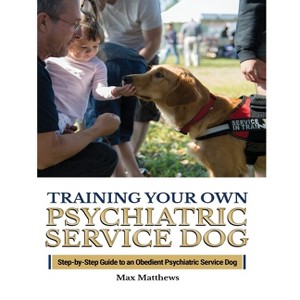
Credit: www.target.com
Maintaining And Advancing Skills
Training a service dog is not a one-time task. Keeping their skills sharp and helping them learn new tasks takes constant effort. This stage is vital for both the dog and the handler. Good maintenance ensures the dog stays confident and ready to assist in different situations.
Skills can fade without regular practice. Dogs need clear guidance and consistent routines. This section explores how to keep your service dog’s abilities strong and useful over time.
Ongoing Training Practices
Daily practice is key. Short, frequent sessions work best for focus and retention. Repeat basic commands and introduce small challenges. Praise and rewards help keep the dog motivated. Training in different places strengthens real-world skills. It also helps the dog stay calm in busy environments.
Health And Wellness Care
A healthy dog learns faster and performs better. Regular vet visits prevent illness and catch problems early. Balanced nutrition supports energy and brain function. Exercise keeps muscles strong and joints flexible. Clean living spaces reduce stress and distractions. Watch for signs of fatigue or discomfort during training.
Adapting To Changing Needs
Life changes for both dog and handler. New tasks may become necessary as needs shift. Observe your dog’s behavior and adjust training accordingly. Be patient with slower progress or challenges. Introduce new skills gradually and with positive reinforcement. Flexibility helps maintain a strong working relationship.

Credit: www.amazon.com
Frequently Asked Questions
Can Anyone Train Their Own Service Dog Successfully?
Yes, anyone with patience and consistency can train their own service dog. It requires time, proper guidance, and understanding of tasks needed for your disability.
How Long Does It Take To Train A Service Dog?
Training a service dog typically takes 6 months to 2 years. The duration depends on the dog’s skills, tasks required, and training frequency.
What Skills Must A Service Dog Learn?
Service dogs learn skills like guiding, alerting to medical conditions, retrieving items, and providing stability. Tasks vary based on the handler’s disability.
Are There Legal Requirements For Self-trained Service Dogs?
Yes, self-trained service dogs must meet ADA guidelines. They must be well-behaved in public and perform specific tasks related to a disability.
Conclusion
Training your own service dog takes time and patience. It needs clear rules and daily practice. Not every dog can become a service dog. The right training helps your dog learn important tasks. You must stay consistent and calm during training.
Remember to check local laws about service dogs. With effort and care, you can build a strong bond. This bond helps your dog support your needs well. Training at home is possible but requires commitment. Your service dog can become a trusted helper.


