

Is your dog constantly barking at people and making every walk stressful? You’re not alone, and the good news is you can change this behavior.
Imagine enjoying peaceful walks and calm moments at home without the noise and tension. You’ll discover simple, effective steps to train your dog to stop barking at people. By following these easy tips, you’ll build a stronger bond with your furry friend and create a more relaxed environment for everyone.
Keep reading to find out how you can make barking a thing of the past.
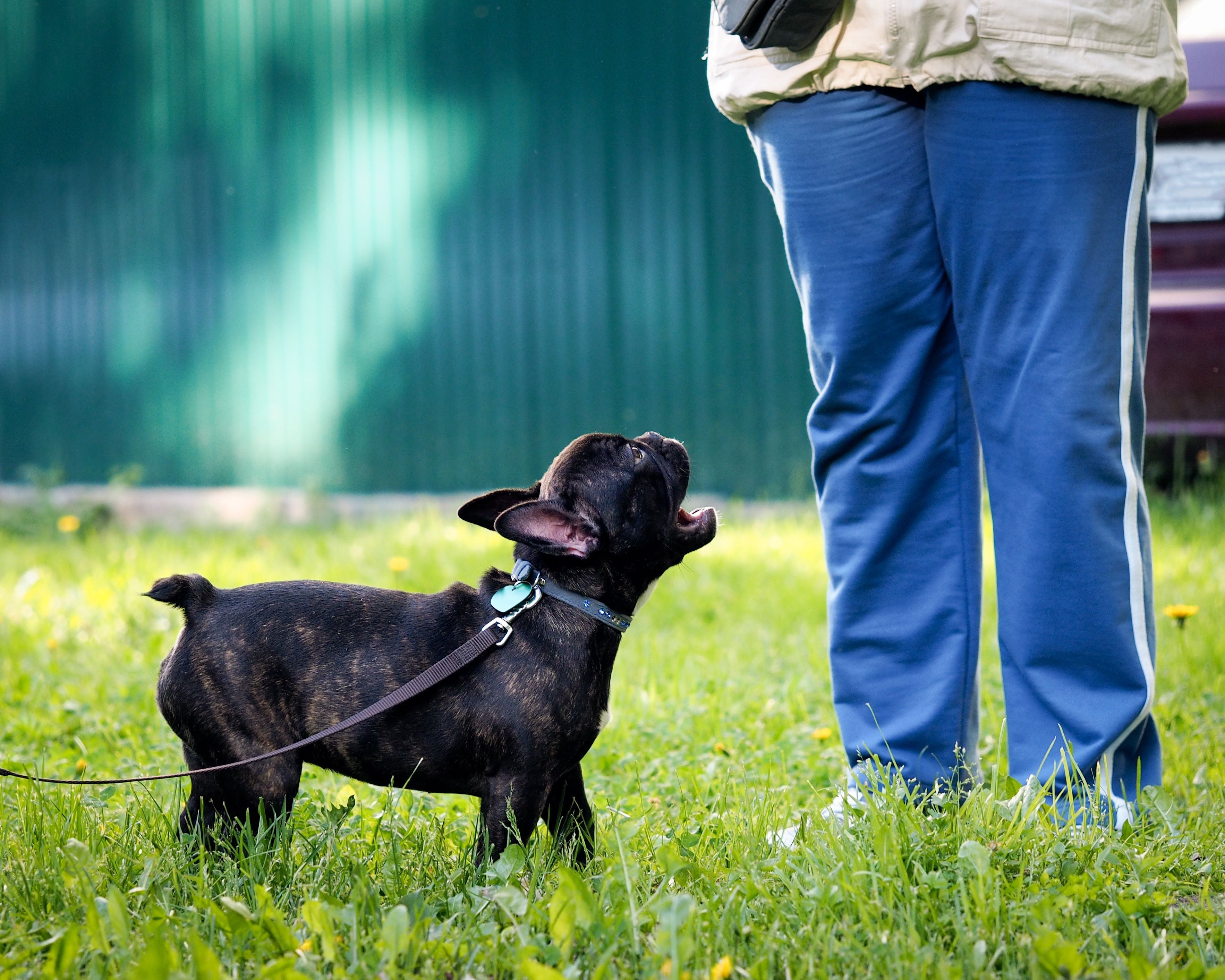
Credit: www.diggs.pet
Reasons Dogs Bark At People
Dogs bark at people for many reasons. Understanding these reasons helps to train your dog better. Barking is a way dogs communicate their feelings or needs. Some reasons come from instincts, while others come from experiences or habits.
Territorial Behavior
Dogs see their home as their territory. They bark to warn strangers to stay away. This behavior protects their space and family. Barking signals that the dog is alert and ready to defend. It is natural but can be controlled with training.
Fear And Anxiety
Some dogs bark because they feel scared. Loud noises or unfamiliar people can cause anxiety. Barking helps them express fear and stress. These dogs need calm and gentle training to feel safe. Reducing fear lowers the barking.
Attention Seeking
Dogs learn barking gets attention from people. They bark to play or get treats. This habit grows if owners respond to barking. Ignoring unwanted barking helps stop this behavior. Rewarding quiet behavior is key.
Lack Of Socialization
Dogs not used to meeting people bark more. They feel unsure about new faces or places. Socializing dogs early teaches them to stay calm. Meeting many people helps reduce barking. Practice calm greetings to build confidence.
Preparing For Training
Preparing your dog for training helps create a smooth learning process. It sets the stage for success. Before teaching your dog to stop barking at people, take time to prepare well.
This phase builds trust between you and your dog. It also reduces distractions during training. Preparation makes your dog more focused and calm.
Choosing The Right Environment
Pick a quiet, familiar place for training sessions. Avoid noisy or crowded areas at first. A calm spot helps your dog focus on commands. Gradually add distractions as your dog improves. This approach keeps your dog comfortable and attentive.
Gathering Training Tools
Collect treats, a leash, and a clicker if available. Treats motivate your dog to learn. A leash keeps control and safety during training. A clicker signals correct behavior clearly. Having these tools ready saves time and keeps sessions smooth.
Setting Realistic Goals
Start with small, simple steps for your dog. Expect progress in short bursts, not all at once. Set clear, achievable goals for each session. This approach builds your dog’s confidence and keeps training fun. Celebrate small wins to stay motivated.
Basic Commands To Teach
Teaching basic commands helps your dog learn good behavior. These commands build the foundation for better control. They also reduce unwanted barking at people. Start training with simple, clear commands. Keep sessions short and positive. Consistency is key to success.
Sit And Stay
Start with the “Sit” command. Hold a treat above your dog’s nose. Move it back slowly over their head. Most dogs sit naturally to follow the treat. Say “Sit” clearly. Reward your dog immediately when they sit. Repeat this several times daily.
Next, teach “Stay.” Once your dog sits, show your palm like a stop sign. Say “Stay” firmly. Take one step back slowly. If your dog stays, give a treat. Increase distance and time gradually. This command helps control your dog near strangers.
Quiet Command
The “Quiet” command stops barking quickly. Wait for your dog to bark. Say “Quiet” in a calm but firm voice. Hold a treat near their nose. When they stop barking, give the treat. Practice this often until your dog understands. This command helps keep your dog calm around people.
Focus And Attention
Teaching focus helps your dog listen better. Hold a treat near your face. Say your dog’s name and “Look.” Reward your dog when they make eye contact. Practice this in quiet places first. Then, try with distractions nearby. Focus training improves control and reduces barking.
Techniques To Reduce Barking
Reducing a dog’s barking at people takes patience and clear methods. Using the right techniques can calm your dog and stop unwanted noise. Consistent training helps your dog learn better behavior. Below are key techniques to reduce barking.
Positive Reinforcement
Positive reinforcement means giving rewards for good behavior. When your dog stays quiet near people, offer treats or praise. This encourages your dog to repeat the calm behavior. Avoid punishing your dog for barking. Reward quiet moments to build good habits.
Desensitization
Desensitization helps your dog get used to people slowly. Start with a small distance between your dog and a person. Over time, decrease the distance as your dog stays calm. This reduces fear or excitement that causes barking. Gradual exposure makes your dog more comfortable.
Counter-conditioning
Counter-conditioning changes your dog’s feeling about people. Pair the sight of people with something your dog loves. Use treats or toys to create positive feelings. Your dog begins to see people as good, not a threat. This reduces barking triggered by fear or anxiety.
Using Distractions
Distractions shift your dog’s attention away from people. Use toys, commands, or games to focus your dog on you. This breaks the barking cycle and keeps your dog busy. Teach your dog to respond to a cue to stop barking. Distractions help control the situation calmly.
Managing Barking In Real Situations
Managing barking in real situations helps your dog learn good behavior. Practice in places your dog usually barks at people. This helps your dog stay calm and quiet around strangers.
During Walks
Keep your dog on a short leash. Watch your dog closely for signs of barking. Use a calm voice to give a command like “quiet.” Reward your dog with treats when it stays silent. Move away from the trigger if your dog gets too excited. Practice often in different places to build good habits.
At The Door
Teach your dog to sit before opening the door. Use a command such as “sit” or “stay.” Open the door slowly and watch your dog’s reaction. If your dog barks, close the door calmly. Wait for your dog to be quiet, then open again. Praise and give treats when your dog stays calm.
Around Visitors
Ask visitors to ignore your dog at first. Let your dog approach visitors on its own time. Use treats to reward calm behavior near guests. Teach your dog a “quiet” or “enough” command. Practice with friends or family to build comfort. Keep visits short and positive to reduce barking.
Credit: www.allbreeds.au
Avoiding Common Training Mistakes
Training a dog to stop barking at people can be tricky. Many dog owners make common mistakes that slow progress. Avoiding these errors helps your dog learn faster and behave better. Careful attention to training details is key.
Inconsistent Commands
Dogs need clear and steady commands. Using different words or tones confuses them. Always use the same command for barking. Consistency helps dogs understand what you want. Practice the command every day for best results.
Punishment Pitfalls
Harsh punishment can harm your dog’s trust. Scolding or yelling may increase barking. Dogs respond better to calm and gentle correction. Reward good behavior instead of punishing bad. Positive training builds a stronger bond.
Ignoring Underlying Causes
Barking often signals a deeper issue. Fear, anxiety, or boredom can cause noise. Find out why your dog barks at people. Address the root problem for lasting change. Providing comfort and mental exercise can reduce barking.
When To Seek Professional Help
Some dogs keep barking at people despite your best training efforts. This can cause stress for both you and your dog. Knowing when to seek professional help can save time and frustration. Professionals have the right skills to handle tough barking problems.
Behavioral Specialists
Behavioral specialists study dog actions deeply. They find the root cause of constant barking. These experts create plans to change your dog’s behavior. They work well with dogs that have anxiety or fear. Their guidance often leads to lasting results.
Training Classes
Training classes offer structured learning for dogs and owners. Trainers teach methods to reduce barking at people. Group classes also help dogs get used to strangers. Classes provide support and motivation. Consistent practice at home improves success.
Veterinary Consultation
Sometimes, barking links to health problems. A vet can check if pain or illness causes barking. Hearing or vision loss may increase barking too. Vets can suggest treatments or medications. Health fixes can reduce unwanted barking quickly.
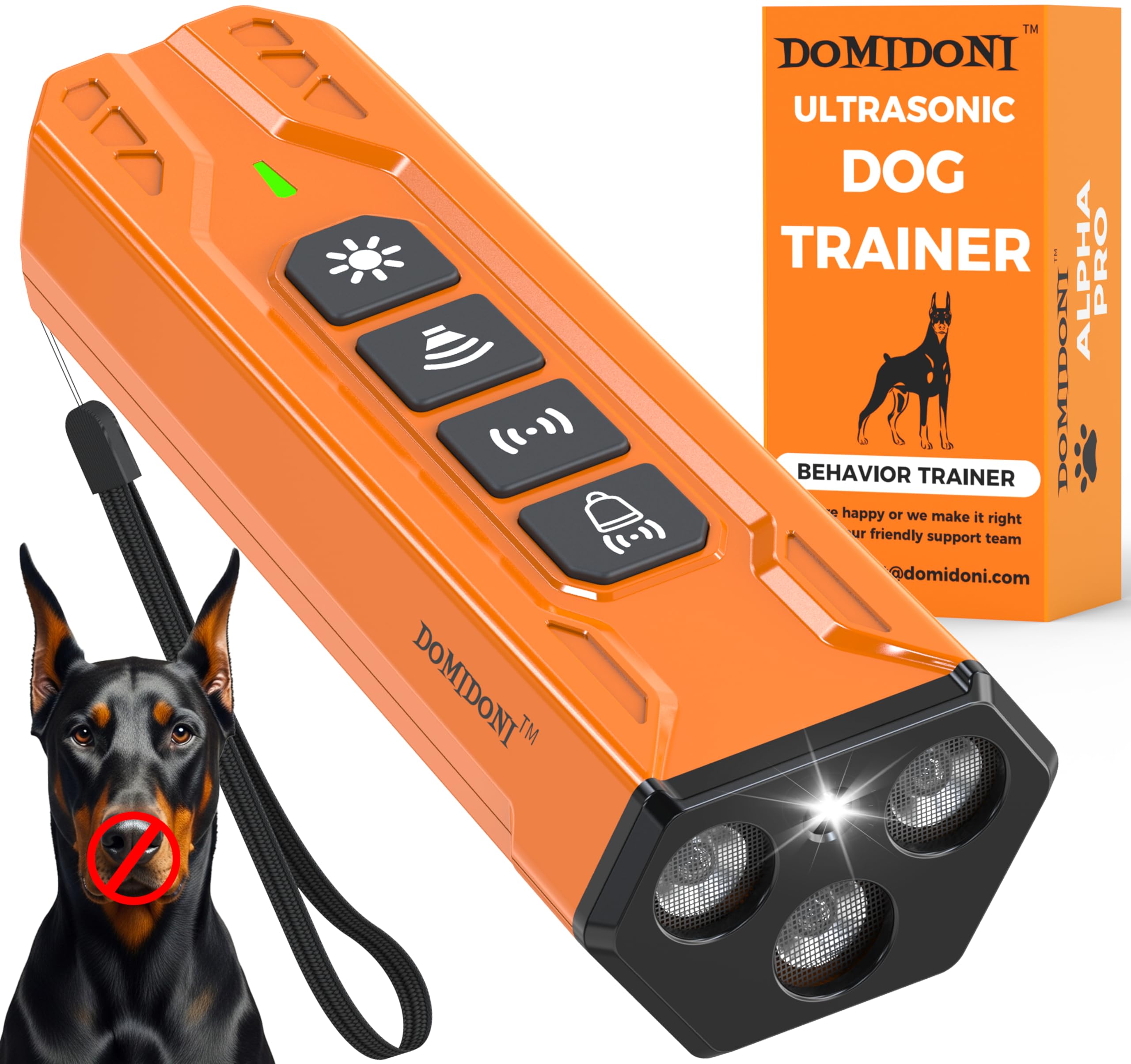
Credit: www.amazon.com
Frequently Asked Questions
How Can I Stop My Dog Barking At Strangers?
Train your dog with positive reinforcement when calm near strangers. Use commands like “quiet” and reward silence. Consistency and patience are key to reducing barking.
Why Does My Dog Bark At People Outside?
Dogs bark to alert or protect territory. Fear, excitement, or lack of socialization can trigger barking. Understanding the cause helps tailor effective training.
What Commands Help Reduce Barking In Dogs?
Commands like “quiet,” “enough,” or “stop” help control barking. Teach your dog to respond calmly using treats and praise. Consistent practice strengthens obedience.
How Long Does It Take To Train A Dog To Stop Barking?
Training duration varies but expect weeks to months. Regular, short sessions with positive reinforcement yield best results. Patience and consistency accelerate progress.
Conclusion
Training a dog to stop barking at people takes time and patience. Consistency in your approach helps your dog learn faster. Use positive rewards to encourage quiet behavior. Avoid yelling, as it can make barking worse. Remember, every dog is different and learns at its own pace.
Stay calm and keep practicing daily. Soon, your dog will behave better around others. Enjoy the peace and better walks together.


