

Are you wondering if your 6-month-old dog can start eating adult dog food? It’s a common question many dog owners face as their furry friends grow.
Choosing the right food at this stage can affect your dog’s health, energy, and development. You want to make sure you’re giving your pet the best nutrition without risking any problems. Keep reading to find out what experts say about feeding your half-year-old pup and how to make the switch safely when the time comes.
Nutritional Needs Of A 6 Month Old Dog
Feeding a 6 month old dog requires careful attention to their nutritional needs. At this age, puppies grow fast and need the right food to stay healthy. Their diet supports strong bones, muscles, and overall development. Understanding these needs helps in choosing suitable food, whether puppy or adult dog food.
Nutrition affects energy, growth, and immune health. A balanced diet with the right nutrients keeps a 6 month old dog active and happy. Knowing what your dog needs will guide better feeding choices.
Growth And Development Requirements
Puppies at six months are still growing quickly. Their bones and muscles need calcium, phosphorus, and other minerals. Vitamins like A, D, and E help with cell growth and repair. The food must support strong teeth and healthy joints. Growth slows after six months but still needs good nutrition.
Caloric And Protein Needs
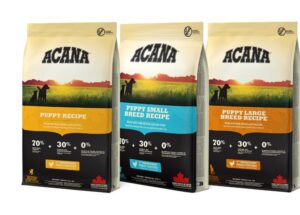
Calorie needs are higher for a 6 month old dog than adults. Active puppies burn more energy. Protein is vital for muscle building and repair. High-quality protein sources like chicken or fish work best. Too few calories or protein can slow growth. Too many can cause weight problems. Balanced portions matter most.
Credit: www.acanapetfoods.co.uk
Differences Between Puppy And Adult Dog Food
Puppies and adult dogs have different needs. Their food must match these needs to keep them healthy. Puppy food supports growth and energy, while adult dog food helps maintain health after growth stops. Understanding the differences helps choose the right food at the right time.
Ingredient Variations
Puppy food contains more protein and fat than adult food. These ingredients support muscle growth and energy. Adult dog food has fewer calories and less fat. This keeps adult dogs from gaining too much weight. Vitamins and minerals also differ to match each life stage.
Nutrient Balance
Puppy food has extra calcium and phosphorus for strong bones. It also includes DHA, an important fatty acid for brain development. Adult food focuses on nutrients that support joint health and digestion. This balance changes as dogs grow to meet their body’s needs.
Portion Sizes
Puppies need smaller, more frequent meals to keep energy steady. Adult dogs eat larger portions fewer times a day. Feeding the right portion helps prevent obesity and nutrient shortages. Adjusting portion sizes is key during the transition from puppy to adult food.
Risks Of Feeding Adult Food Too Early
Feeding adult dog food to a 6-month-old puppy can cause several health problems. Puppies need special nutrients to grow strong and healthy. Adult food lacks some of these important nutrients. Giving adult food too early can harm your puppy’s development and well-being.
Potential Nutritional Deficiencies
Puppies need more protein, fat, and calories than adult dogs. Adult dog food does not have enough of these nutrients. This lack can lead to weak muscles and low energy. Important vitamins and minerals may also be missing. Deficiencies can slow down your puppy’s growth and affect their immune system.
Impact On Growth
Puppies grow fast and need the right food to support bone and muscle development. Adult food may not have enough calcium and phosphorus. This imbalance can cause bone problems and joint issues. Poor nutrition can stunt growth and cause lifelong health troubles. Proper puppy food helps ensure strong bones and healthy weight.
Digestive Issues
Puppies have sensitive stomachs that need gentle, balanced nutrition. Adult food can be harder to digest because it has different ingredients. Feeding adult food too soon can cause diarrhea or upset stomach. Digestive problems can lead to dehydration and discomfort. Puppy food supports healthy digestion with the right fibers and nutrients.
Signs Your Puppy Is Ready For Adult Food
Knowing when to switch your puppy to adult dog food is important. The right time helps your dog grow healthy and strong. Watch your puppy closely for key signs. These signs show that their body and needs are changing. This guide helps you see when your puppy is ready.
Physical And Behavioral Indicators
One clear sign is your puppy’s size. Puppies grow fast at first but slow down later. When growth slows, they might be ready. Their teeth also give clues. Adult teeth start to appear around six months. Puppies chewing less or eating more steadily may signal readiness. Energy levels change too. Your puppy might be calmer than before. These shifts suggest a change in diet could be needed.
Breed And Size Considerations
Different breeds grow at different speeds. Small breeds often mature faster than large breeds. Small dogs may switch to adult food earlier, around six months. Large breeds need more time to grow. They might need puppy food longer, sometimes up to a year. Check your dog’s breed and size before switching food. This helps give the right nutrients for healthy growth.
Transitioning To Adult Dog Food
Changing your dog’s diet is important at six months old. This is the time to move from puppy food to adult dog food. Adult food has different nutrients that fit your dog’s growth and energy needs better. A smooth switch helps your dog’s digestion and keeps them healthy.
Rushing the change can cause stomach upset or refusal to eat. Taking it slow and watching your dog’s reaction makes the process easier. Careful steps help your dog adjust to new tastes and textures.
Gradual Introduction Steps
Start by mixing a small amount of adult food with your dog’s puppy food. For three to seven days, increase the adult food and reduce puppy food. This slow change helps your dog’s stomach adapt. Watch your dog eat to see if they accept the new food.
Offer fresh water during meals to aid digestion. Avoid sudden changes in feeding time or portion size. Keep the feeding schedule consistent. This routine helps your dog feel secure during the switch.
Monitoring Your Dog’s Reaction
Check your dog’s stool for any changes like diarrhea or constipation. Look for signs of allergies such as itching or redness. Watch for vomiting or loss of appetite. These may mean the adult food does not suit your dog yet.
Notice your dog’s energy levels and mood. Healthy dogs stay active and happy. If you see problems, pause the switch and consult a vet. Your dog’s health comes first in this process.
Choosing The Right Adult Dog Food
Choosing the right adult dog food for a 6-month-old dog requires careful thought. Dogs at this age are growing fast and need good nutrition. The food should support their energy and development. Not all adult dog foods suit young dogs. Some may lack important nutrients that puppies need.
Selecting a high-quality adult dog food means checking the ingredients closely. It is important to know what to include and what to avoid. This helps keep your dog healthy and happy as they grow.
Quality Ingredients To Look For
Choose dog food with real meat as the first ingredient. Meat like chicken, beef, or fish provides important protein. Protein helps build strong muscles and supports growth. Whole grains like brown rice and oats offer energy and fiber. Vegetables such as carrots and peas add vitamins and minerals. Look for foods with added omega-3 and omega-6 fatty acids. These help keep the skin healthy and the coat shiny. Avoid foods with vague terms like “meat meal” or “by-products.”
Avoiding Harmful Additives
Stay away from dog foods that list artificial colors or flavors. These can cause allergies or stomach upset. Avoid foods with too many preservatives like BHA, BHT, or ethoxyquin. Some additives may harm your dog’s health over time. Also, check for low amounts of salt and sugar. Excess salt can affect the heart and kidneys. Too much sugar can lead to weight gain and dental problems. Pick dog food with natural ingredients and no harmful chemicals.
Veterinarian Recommendations
Veterinarians play an important role in guiding dog owners about their pet’s diet. Their advice helps ensure that dogs grow healthy and strong. This is especially true for puppies around six months old. At this age, their nutritional needs change quickly. A vet’s recommendations can help decide if it is time to switch to adult dog food or continue with puppy food.
When To Consult A Vet
Consult a vet before changing your dog’s food. Sudden diet changes can cause stomach upset or nutrient gaps. A vet can check your dog’s growth and health. They will suggest the best time to switch foods. If your dog shows signs of allergies or digestion problems, see a vet. They can recommend the safest food options.
Personalized Feeding Plans
Every dog is unique. Vets create feeding plans based on your dog’s breed, size, and activity level. They consider your dog’s weight and energy needs. A personalized plan ensures your dog gets the right nutrients. This helps avoid overfeeding or underfeeding. Follow your vet’s plan closely for the best results.
Credit: blog.justfoodfordogs.com
Credit: www.acanapetfoods.co.uk
Frequently Asked Questions
Can A 6 Month Old Dog Eat Adult Dog Food?
Yes, many 6 month old dogs can start eating adult dog food. Consult your vet first. Adult food meets nutritional needs but may differ in calorie content.
When Should I Switch My Puppy To Adult Food?
Most puppies switch to adult food between 6 to 12 months. The exact timing depends on breed size and vet advice for healthy growth.
What Are The Risks Of Feeding Adult Food Too Early?
Feeding adult food too early may cause nutrient imbalance. Puppies need more calories, protein, and fats for growth. This can stunt development or cause deficiencies.
How To Transition A 6 Month Old Dog To Adult Food?
Transition gradually over 7-10 days. Mix increasing amounts of adult food with puppy food. This helps avoid digestive upset and ensures smooth dietary change.
Conclusion
A 6-month-old dog can eat adult dog food, but with care. Their growing bodies need proper nutrition for health. Puppy food supports growth better than adult food. Switching too soon may cause digestion problems or nutrient gaps. Always check with your vet before changing diets.
Watch your dog’s energy and coat for signs of health. Balanced meals help your dog stay strong and happy. Feeding the right food at the right time matters most. Keep your dog’s needs in mind for a smooth transition.


