

Are you wondering when your puppy should start eating adult dog food? It’s a question many dog owners face, and getting it right is important for your puppy’s health and growth.
Switching too early or too late can affect their energy, digestion, and overall well-being. You’ll discover the perfect time to make the change and how to do it smoothly. Keep reading to learn exactly what your puppy needs at every stage, so you can give them the best start in life.
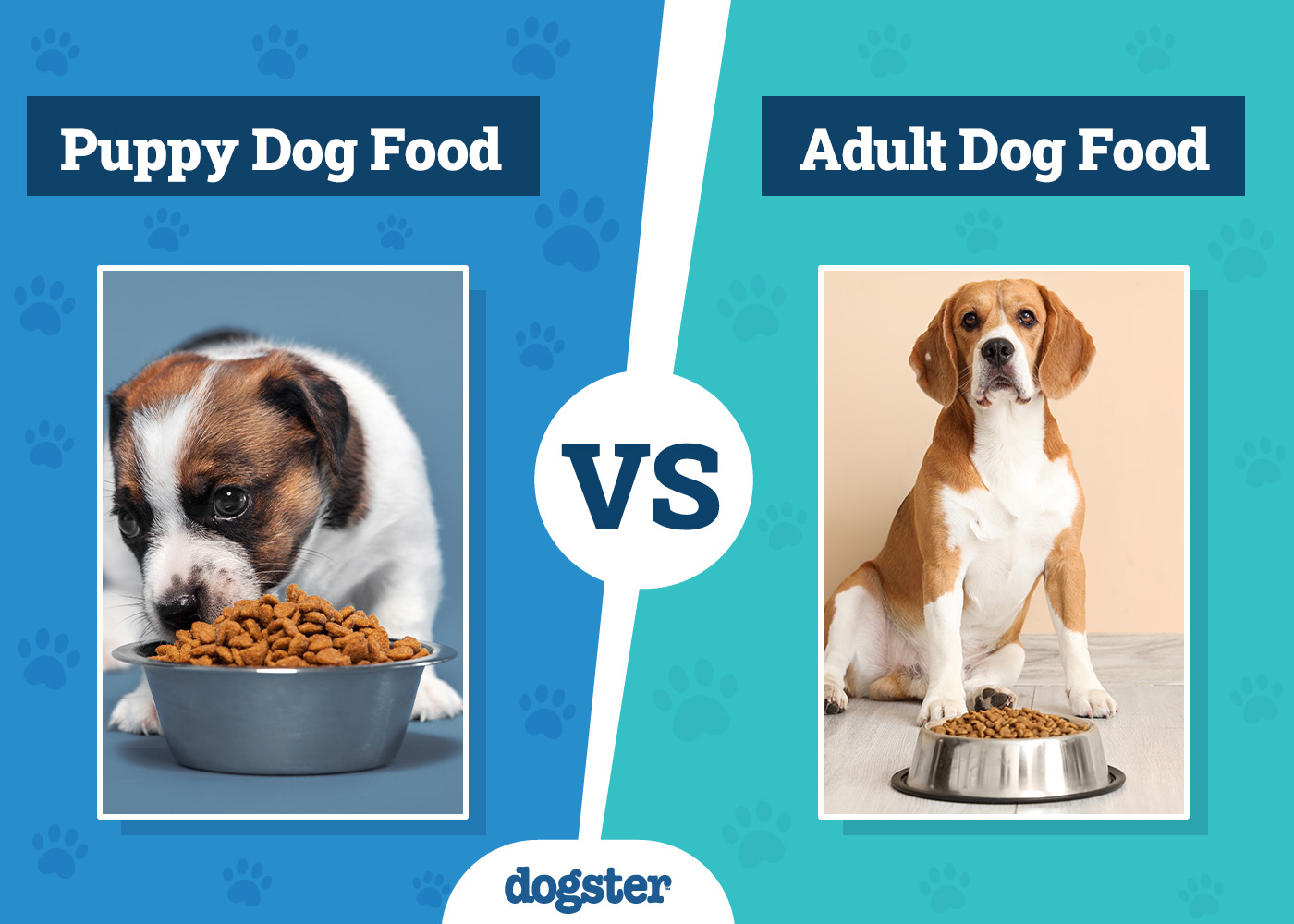
Credit: www.dogster.com
Puppy Nutrition Basics
Puppy nutrition forms the base for healthy growth. Puppies need food that supports their rapid development. Choosing the right diet ensures strong bones, good energy, and a shiny coat. Understanding what puppies need helps you pick the best food for them.
Essential Nutrients For Puppies
Puppies require protein to build muscles and tissues. Fat provides energy for their active days. Calcium and phosphorus are crucial for strong bones and teeth. Vitamins and minerals support the immune system and overall health. Water keeps puppies hydrated and aids digestion. Balanced nutrients keep puppies healthy and happy.
Differences Between Puppy And Adult Dog Food
Puppy food has more protein and fat than adult dog food. This supports fast growth and high energy needs. Puppy food is softer and easier to chew. It contains extra vitamins and minerals for development. Adult dog food has fewer calories to prevent weight gain. Feeding the right food at each stage keeps dogs healthy.
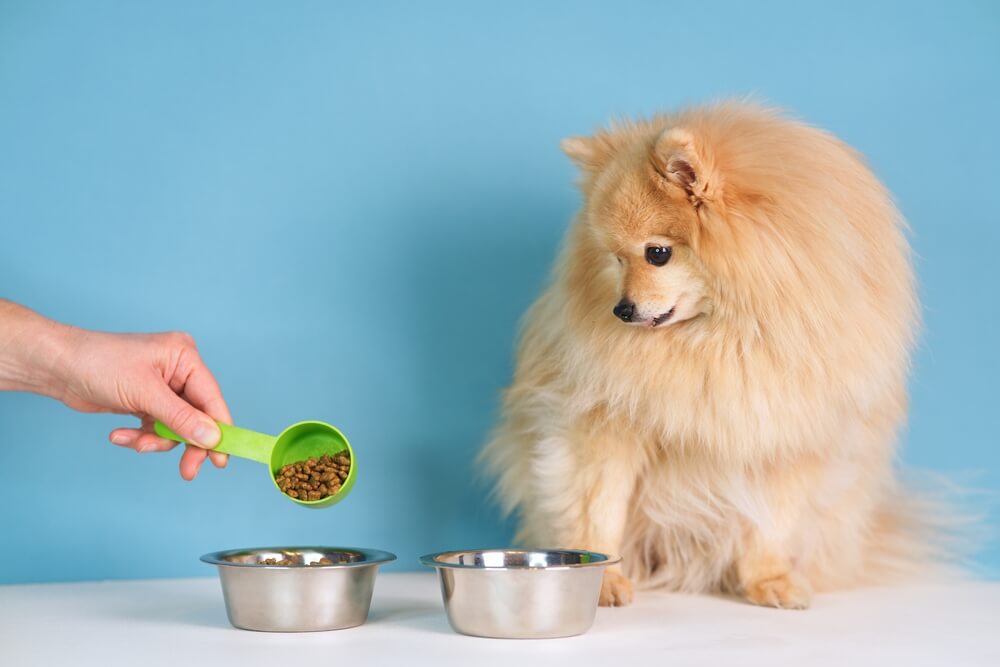
Credit: www.raisedrightpets.com
Signs Your Puppy Is Ready
Knowing when to switch your puppy to adult dog food is important. Puppies grow fast, and their diet must match their needs. Some clear signs show your puppy is ready for adult food. Watch for physical growth and behavior changes. These clues help you decide the right time to change their diet.
Physical Growth Milestones
Your puppy’s body changes as they grow. Teeth are a key sign. When all adult teeth appear, usually around six months, they may be ready. Also, their weight gain slows down. Puppies stop growing as quickly after six months. Their body looks more like an adult dog. These changes mean their food needs start to shift.
Behavioral Changes
Behavior can tell you about your puppy’s stage. Puppies become less hyperactive and more calm. They might eat less often but have bigger meals. Your puppy may show less chewing on everything. They also start to show more self-control. These new habits fit the adult dog lifestyle better. Changes like these hint it’s time for adult food.
Ideal Age To Switch
Knowing the ideal age to switch a puppy to adult dog food helps ensure healthy growth. Puppies need food that supports their rapid development. But as they grow, their nutritional needs change. Feeding adult dog food too early or too late can affect their health.
Most puppies start the transition between 9 and 12 months. This time frame varies depending on the dog’s breed and size. Watching your puppy’s growth and energy levels helps decide the right moment to switch.
Breed And Size Considerations
Small breeds grow faster than large breeds. They often switch to adult food around 9 months old. Large breeds need more time to mature. They might stay on puppy food until 12 to 18 months. Giant breeds sometimes require puppy food even longer. Their bones and muscles develop slower. Tailoring the switch to breed and size supports healthy growth.
Veterinarian Recommendations
Veterinarians guide the best time to change food. They check your puppy’s weight and health. Regular vet visits help track growth. Vets may suggest a gradual switch over 7 to 10 days. This reduces stomach upset. Ask your vet about the right adult food type. Their advice matches your puppy’s unique needs.

Credit: www.hladnovrockchoir.com
How To Transition Safely
Transitioning your puppy to adult dog food requires care and patience. Sudden changes can upset your dog’s stomach and cause refusal to eat. A safe transition helps your puppy adjust to the new diet smoothly. Follow clear steps to avoid digestive issues and keep your puppy healthy.
Gradual Food Mixing Techniques
Start by mixing 25% adult food with 75% puppy food. Feed this mix for three days. Next, increase adult food to 50% and reduce puppy food to 50%. Continue this for another three days. Then, mix 75% adult food with 25% puppy food. After a few days, serve only adult dog food. This slow change helps your puppy’s digestive system adapt.
Monitoring For Adverse Reactions
Watch your puppy closely during the transition. Check for diarrhea, vomiting, or loss of appetite. Look for signs of itching or skin problems. If these appear, slow down the transition or consult your vet. Keep fresh water available at all times. Healthy puppies stay active and happy with the right diet.
Potential Risks Of Early Switching
Switching a puppy to adult dog food too soon can cause problems. Puppy food has special nutrients for growth. Adult food lacks some of these important nutrients. Early switching may affect your puppy’s health and development.
Nutritional Deficiencies
Puppies need more protein, fat, and vitamins than adult dogs. Adult dog food has less of these nutrients. Feeding adult food too early can lead to weak bones and poor muscle growth. Lack of key nutrients can also harm the puppy’s immune system. This makes the puppy more likely to get sick.
Digestive Issues
Puppy stomachs are sensitive and need gentle food. Adult dog food is harder to digest. Early switching can cause diarrhea, vomiting, or stomach pain. This can make your puppy lose appetite and energy. It may also cause dehydration and slow growth.
Choosing The Right Adult Food
Choosing the right adult food for your dog is important. This change affects their health and energy. Adult dog food has different nutrients than puppy food. It supports their mature body and keeps them healthy. Knowing what to pick helps your dog stay happy and active.
Ingredients To Look For
Good adult dog food has protein from meat or fish. Protein builds strong muscles and keeps your dog fit. Look for foods with real meat listed first. Avoid foods with too many fillers like corn or wheat. Healthy fats like fish oil help keep the coat shiny. Vitamins and minerals support the immune system and bones. Natural ingredients are easier for your dog to digest.
Tailoring To Your Dog’s Needs
Every dog is different. Size, breed, and health affect food choice. Large breeds may need food with joint support. Small dogs may need smaller kibble pieces. Dogs with allergies need special formulas without certain ingredients. Older dogs may need fewer calories but more nutrients. Talk to your vet to find the best food for your dog.
Special Considerations For Large Breeds
Large breed puppies need special care when switching to adult dog food. Their bodies grow differently from small breeds. Feeding them right helps avoid health problems later. The timing to change their diet is important. This section explains key points for large breed puppies.
Growth Rate Differences
Large breed puppies grow slower than small breeds. Their bones take longer to develop fully. Feeding adult food too early can harm growth. Puppy food made for large breeds supports steady growth. It has the right nutrients and calories. Wait until your vet says the bones are strong enough. Usually, this happens around 12 to 18 months.
Joint Health Focus
Large breeds are prone to joint problems. Their size puts extra stress on bones and joints. Puppy food for large breeds includes supplements like glucosamine. These help build strong joints and cartilage. Switching to adult food too soon might miss these benefits. Keeping joints healthy early prevents pain and mobility issues later.
Frequently Asked Questions
When Should A Puppy Start Adult Dog Food?
Puppies typically transition to adult dog food between 9 to 12 months. Larger breeds may switch later, around 12 to 18 months. This timing supports their growth needs and prevents nutritional imbalances. Consult your vet for breed-specific advice to ensure proper diet transition.
Why Switch From Puppy To Adult Dog Food?
Adult dog food has balanced nutrients for maintenance, unlike puppy food designed for growth. Switching helps prevent obesity and supports your dog’s changing metabolism. It also promotes healthy aging and keeps your dog active and fit throughout adulthood.
Can Puppies Eat Adult Dog Food Early?
Feeding adult dog food too early can cause nutrient deficiencies in puppies. They require higher protein, fat, and calories for growth. Always follow age and breed guidelines. Consult your vet to avoid affecting your puppy’s development and health.
How To Transition Puppy To Adult Dog Food?
Gradually mix adult food with puppy food over 7 to 10 days. Increase adult food daily while reducing puppy food. This eases digestion and avoids stomach upset. Always monitor your dog’s reaction and adjust as needed.
Conclusion
Puppies need special food to grow strong and healthy. Adult dog food suits them only after they reach a certain age. Changing food too soon can cause stomach problems. Watch your puppy’s size and energy to know the right time.
Always ask your vet for advice before switching food. Good nutrition helps your dog live a long, happy life. Feeding the right food at the right time matters a lot. Take care, and your puppy will thrive as an adult dog.


