

Are you wondering if it’s okay to feed your adult dog puppy food? You’re not alone.
Many dog owners face this question and want to make sure they’re giving their furry friend the right nutrition. What if the food you have on hand isn’t labeled for adults? Could it harm your dog, or maybe even help?
Keep reading to discover the surprising facts about puppy food and how it might affect your adult dog’s health. Understanding this will help you make the best choice for your loyal companion.
Credit: www.purina.com
Differences Between Puppy And Adult Dog Food
Puppy food and adult dog food serve different purposes. They meet different needs based on the dog’s age and growth stage. Choosing the right food supports your dog’s health and energy levels. Understanding these differences helps you feed your dog correctly.
Nutritional Needs Of Puppies
Puppies grow fast. Their bodies need more calories and nutrients than adult dogs. Puppy food has extra protein to build strong muscles. It also contains more fat for energy. Puppies need more calcium and phosphorus for healthy bones. The food is softer and smaller for easy chewing. Balanced nutrition helps puppies develop well.
Nutritional Needs Of Adult Dogs
Adult dogs need fewer calories than puppies. Their growth slows down, so they require less fat. Adult dog food has balanced protein to maintain muscles. It contains nutrients to support joint health and digestion. Fiber helps keep their weight stable. The kibble size is larger to match their stronger jaws. Proper adult food keeps dogs healthy and active.
Potential Benefits Of Feeding Puppy Food To Adult Dogs
Feeding puppy food to adult dogs can have some benefits. Puppy food has a different recipe than adult dog food. It contains more nutrients to support growth and energy. Some adult dogs may gain from these extra nutrients, especially if they are active or underweight.
Here are two key benefits of feeding puppy food to adult dogs.
Higher Nutrient Content
Puppy food has more protein and fat than adult dog food. These nutrients help build and repair muscles. They also support a healthy coat and skin. The higher vitamins and minerals in puppy food keep dogs strong. This can be good for adult dogs that need extra nutrition.
Improved Energy Levels
The extra calories in puppy food provide more energy. Active adult dogs may feel more lively and playful. Dogs with health issues might regain strength faster. Increased energy helps dogs stay happy and engaged. Puppy food can fuel their daily activities better than adult food.
Risks Of Feeding Puppy Food To Adult Dogs
Feeding puppy food to adult dogs carries some risks. Puppy food has more calories and nutrients. Adult dogs do not need as much energy as puppies. This can cause problems over time. Understanding these risks helps keep your dog healthy.
Weight Gain And Obesity
Puppy food has extra calories to support growth. Adult dogs may gain too much weight. Excess weight strains their joints and heart. Obesity can lead to serious health problems. Maintaining a healthy weight is important for adult dogs.
Digestive Issues
Adult dogs have different digestion needs than puppies. Puppy food can cause stomach upset or diarrhea. Too rich food may irritate the digestive system. Sudden changes in diet can also cause problems. A balanced diet helps keep digestion normal and healthy.
Nutrient Imbalance
Puppy food is high in protein and fat. Adult dogs may get too much of some nutrients. This imbalance can harm organs like kidneys or liver. Adult dog food has the right nutrient levels for maintenance. Feeding the correct food supports long-term health and vitality.
Credit: www.purina.com
When Puppy Food Might Be Suitable For Adult Dogs
Adult dogs usually eat food made for their age and size. Puppy food has more calories and nutrients. Sometimes, adult dogs need extra nutrition. In these cases, puppy food can be helpful. Below are some times when puppy food might suit an adult dog.
Growth Recovery
Adult dogs recovering from illness or surgery may need more nutrients. Puppy food is rich in protein and calories. This helps rebuild muscles and gain weight fast. It supports healing and energy levels during recovery.
High Energy Requirements
Active adult dogs, like working or sporting dogs, burn many calories daily. Puppy food provides extra energy and nutrients. This helps keep muscles strong and energy high. It supports dogs with intense exercise and hard work.
Veterinarian Recommendations
Sometimes vets suggest puppy food for adult dogs. They may see special health needs or growth problems. Following vet advice ensures the dog gets proper nutrition. Always check with a vet before changing dog food.
Alternatives To Puppy Food For Adult Dogs
Adult dogs need food that matches their health needs and activity levels. Puppy food is rich in calories and nutrients for growing dogs. Feeding it to adults can cause weight gain and other issues. There are better food options for adult dogs that keep them healthy and active.
Choosing the right food helps your dog maintain a good weight and energy. Here are some common alternatives to puppy food suitable for adult dogs.
Adult Dog Food Options
Adult dog food has balanced nutrients for mature dogs. It usually has less fat and calories than puppy food. This helps prevent obesity and related health problems. Look for food labeled “for adult dogs” that suits your dog’s size and breed. Dry kibble, canned food, and fresh meals are all good choices. Each type has pros and cons for taste and convenience.
Customized Diet Plans
Every dog is unique. Some may need special diets for health issues or allergies. Customized diet plans help meet these needs. A vet or pet nutritionist can create one. They use your dog’s age, weight, and health status. This plan may include specific food types, supplements, or feeding schedules. Tailored diets improve your dog’s well-being and lifespan.
Tips For Transitioning Between Dog Foods
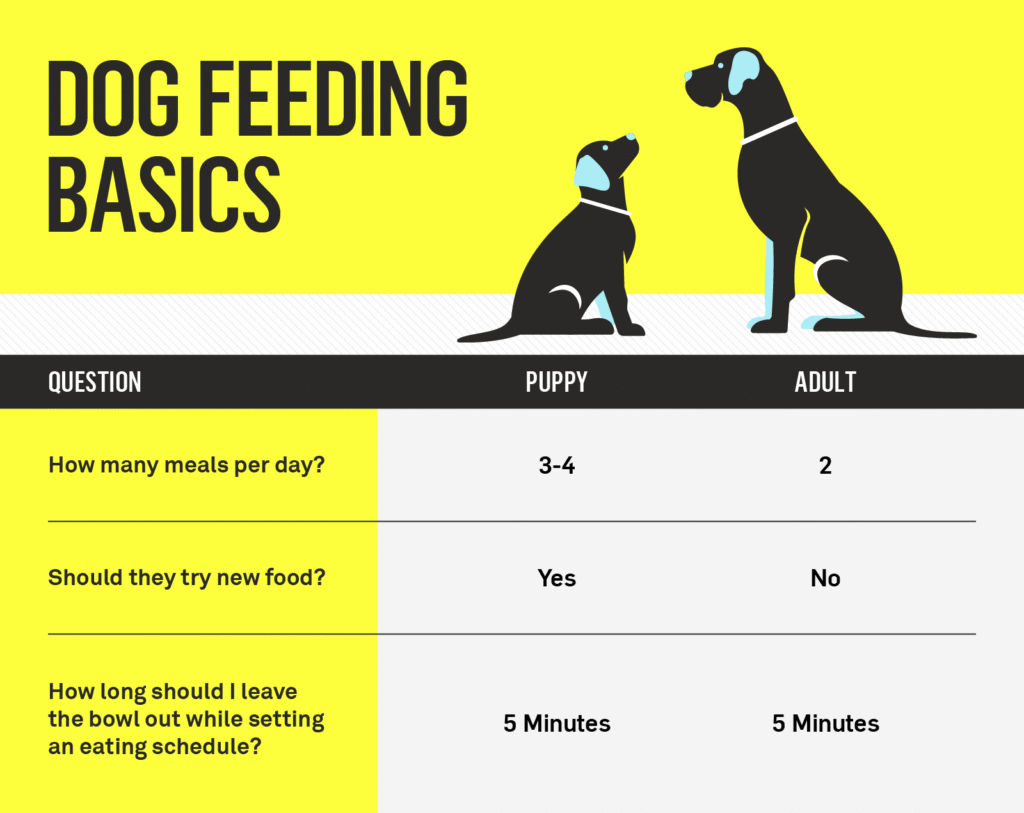
Changing your dog’s food needs careful steps. Sudden switches can upset your dog’s stomach. Follow these tips to help your dog adjust smoothly. This ensures your dog stays healthy and happy during the change.
Gradual Introduction
Start by mixing a small amount of the new food with the old. Increase the new food slowly over 7 to 10 days. This helps your dog’s digestive system get used to the new food. Watch how your dog reacts each day.
Monitoring Health Changes
Check your dog’s stool and energy levels daily. Look for signs like diarrhea, vomiting, or tiredness. These may mean the food switch is too fast. If you notice problems, slow down the change or pause it.
Consulting A Vet
Talk to your vet before changing your dog’s diet. Your vet can suggest the best food for your dog’s age and health. They can also help if your dog has allergies or special needs. This advice keeps your dog safe and well-nourished.
Credit: www.gallant.com
Frequently Asked Questions
Can Adult Dogs Eat Puppy Food Safely?
Adult dogs can eat puppy food occasionally, but it’s not ideal long-term. Puppy food has extra calories and nutrients meant for growth, which may cause weight gain in adults. It’s best to feed adult dogs food formulated for their specific life stage to maintain health.
What Are The Risks Of Feeding Puppies Food To Adults?
Feeding adult dogs puppy food regularly can lead to obesity and digestive issues. Puppy food has higher fat and protein levels, which may strain an adult dog’s metabolism. Long-term feeding can cause nutrient imbalances that affect overall health and energy.
How To Transition From Puppy To Adult Dog Food?
Transition gradually over 7-10 days by mixing increasing amounts of adult food with puppy food. This helps avoid digestive upset. Monitor your dog’s weight and energy to ensure the new diet suits their needs and consult your vet for personalized advice.
Can Feeding Puppy Food To Adults Affect Dog’s Energy?
Puppy food may cause adult dogs to have excess energy or become hyperactive due to higher calories. Conversely, some adults may gain weight and feel sluggish. Feeding appropriate adult food maintains balanced energy and supports healthy activity levels.
Conclusion
Feeding puppy food to an adult dog is not always best. Puppy food has more calories and nutrients for growth. Adult dogs need balanced food for their age and activity. Too much rich food can cause weight gain or upset stomach.
Always check with your vet before changing diets. Choose food that fits your dog’s health needs. Healthy dogs live longer and feel better. Keep their meals simple and steady for best results. Your dog deserves the right nutrition every day.


