

Have you ever wondered which dog breeds can sprint faster than the rest? If you’re curious about the fastest dogs on the planet, you’re in the right place.
Knowing these speedy breeds can help you choose the perfect canine companion if you love outdoor adventures, running, or just want to be amazed by their incredible speed. Keep reading to discover the top fast dog breeds and what makes them so quick—you might be surprised by how fast your future furry friend can really run!
Speed Champions
Speed champions among dog breeds show amazing running skills. These dogs have bodies built for fast and smooth movement. Their strong legs, slim shapes, and sharp focus help them reach high speeds. They are not just fast but also graceful and smart runners.
Each breed has its own special way of racing. Some sprint quickly over short distances. Others keep a steady pace for longer runs. These dogs have been admired for centuries for their speed and style.
Greyhound: The Ultimate Sprinter
The Greyhound is the fastest dog breed on land. It can reach speeds up to 45 miles per hour. Its long legs and lean body make it perfect for quick bursts. Greyhounds use their powerful muscles to sprint with great speed. They are often seen in dog racing events.
Whippet: The Agile Speedster
Whippets are smaller but just as fast as Greyhounds. They can run up to 35 miles per hour. Their light frame lets them change direction quickly. Whippets excel in short races and chasing games. They combine speed with great agility and balance.
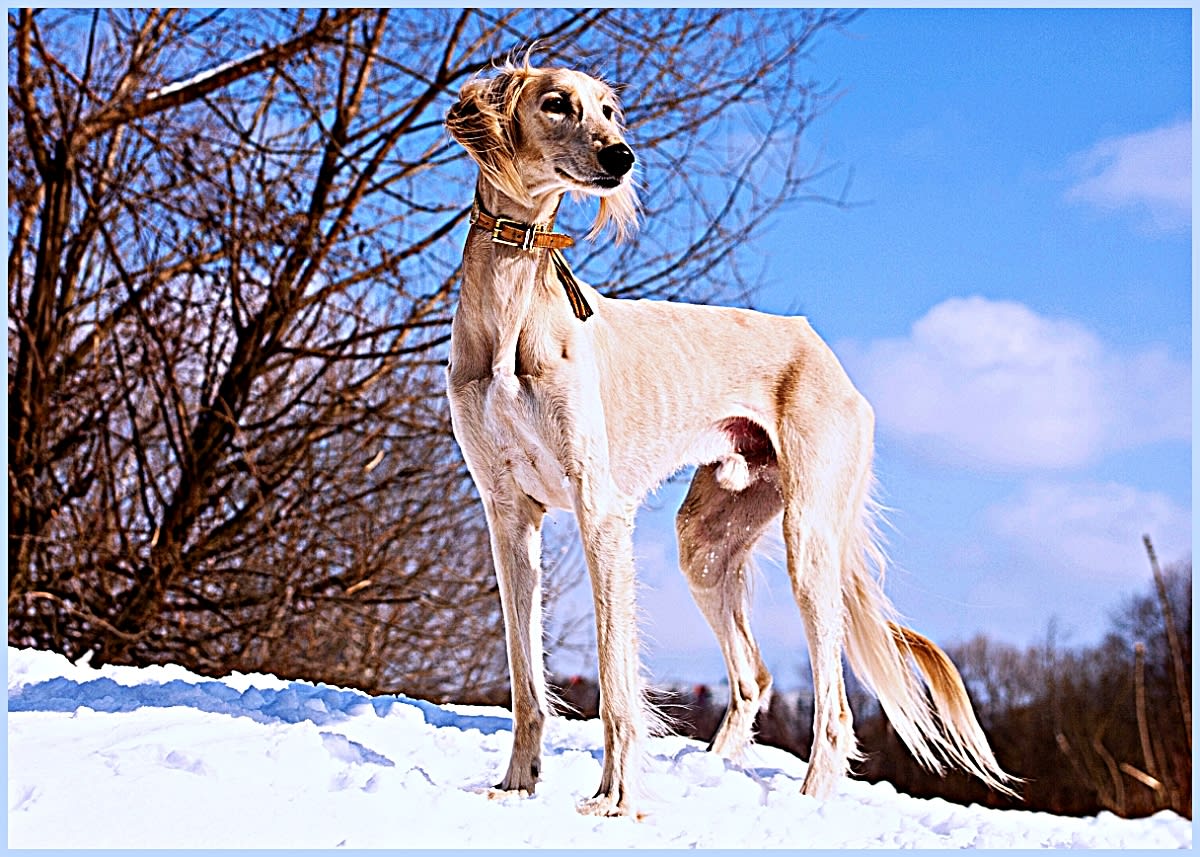
Saluki: The Endurance Runner
Salukis are built for long-distance running. They run fast but also keep energy for miles. Their slim bodies and deep chests support strong breathing. Salukis can maintain high speeds for longer than many breeds. They are known as excellent hunting companions in deserts.
Borzoi: The Elegant Racer
Borzoi dogs are tall and graceful. They can reach speeds around 35 miles per hour. Their long legs and silky coat give them a smooth look. Borzois run with a calm and steady pace. They move with ease and style while chasing prey.
Speed Traits
Speed in dogs depends on many physical traits. These traits help some breeds run faster than others. Understanding these traits shows why certain dogs are so quick. Each trait plays a key role in their speed and endurance.
Body Structure And Build
Fast dogs have slim and lightweight bodies. Their shape reduces air resistance during running. A narrow chest allows quick breathing and less weight to carry. Flexible spines help stretch their bodies while sprinting. This flexibility increases their reach with each stride.
Muscle Composition
Speedy dogs have more fast-twitch muscle fibers. These fibers contract quickly, giving bursts of power. They tire faster but help sprint short distances. Strong muscles around the legs and hips add force. This strength pushes the dog forward with more speed.
Leg Length And Stride
Long legs give a longer stride. A longer stride means covering more ground quickly. Fast dogs have straight, strong legs built for speed. Their joints move smoothly to avoid energy loss. This efficient movement helps maintain high speed.
Breathing And Heart Efficiency
Fast dogs have large lungs and strong hearts. This helps them take in more oxygen during running. More oxygen means muscles work better for longer. Their breathing rate increases to match their speed. A healthy heart pumps blood faster, fueling muscles effectively.
Training For Speed
Training a dog for speed requires a clear plan and consistent effort. Dogs need more than just natural ability to run fast. Proper training helps build strength and stamina. It also keeps dogs healthy and motivated. The right routines improve speed and prevent injuries. Mental focus plays a key role in quick reactions. Below are important areas to focus on for fast dog breeds.
Exercise Routines
Daily exercise is essential for fast dogs. Short sprints help build muscle and speed. Mix running with walking to avoid exhaustion. Agility drills improve coordination and balance. Gradually increase intensity to boost endurance. Rest days allow muscles to recover and grow.
Diet And Nutrition
A balanced diet fuels a dog’s performance. Protein supports muscle growth and repair. Healthy fats provide long-lasting energy. Include vitamins and minerals for overall health. Fresh water keeps dogs hydrated during workouts. Avoid feeding heavy meals before training sessions.
Injury Prevention
Warm-up exercises prepare muscles for intense activity. Stretching reduces the risk of strains and sprains. Use soft surfaces to protect joints during runs. Watch for signs of pain or fatigue. Regular check-ups with a vet catch problems early. Proper rest helps prevent overuse injuries.
Mental Conditioning
Speed training is not just physical. Focus and calmness improve reaction time. Practice commands to boost obedience and control. Short, fun training sessions keep dogs interested. Reward progress to build confidence and joy. Mental sharpness helps dogs perform better in races.
Credit: paradepets.com
Speed In Daily Life
Speed plays a big role in a fast dog’s daily life. These dogs move quickly, which affects how they live and play. Their speed helps them explore and enjoy their surroundings. Owners must understand how speed changes daily activities with these breeds.
Adaptability To Environment
Fast dogs adjust well to open spaces. They need room to run freely. Small, cramped areas limit their speed and energy. These dogs enjoy parks, fields, and large yards. A good environment keeps them healthy and happy.
Play And Interaction
Speed makes playtime exciting for fast dogs. They chase balls and run after toys with joy. Fast dogs love games that challenge their quickness. Owners can use speed to keep them active and engaged. Play is a great way to bond and exercise together.
Safety Considerations
Speed can cause accidents if not managed well. Fast dogs may run into traffic or other dangers. Owners should use leashes or fenced areas to protect them. Training helps control their quick movements. Safety is key for happy, healthy fast dogs.
Comparing Speed Records
Speed is a key trait in many dog breeds. Comparing their top speeds helps us understand their athletic skills. These records show how fast dogs can run under different conditions. They highlight the differences between breeds and their racing abilities.
Fastest Recorded Speeds
The Greyhound holds the record for the fastest dog speed. It can reach up to 45 miles per hour. Whippets follow closely, running at about 35 miles per hour. These speeds are measured in short bursts during races or sprints.
Other fast breeds include the Saluki and the Afghan Hound. They can reach speeds around 40 miles per hour. These numbers come from timed runs on tracks or open fields.
Race Performance Highlights
Greyhounds dominate dog racing worldwide. They win most races due to their speed and endurance. Whippets are popular in smaller racing events. They often compete in lure coursing, a sport testing speed and agility.
Salukis also perform well in endurance races. Their ability to maintain speed over distance is impressive. Afghan Hounds, while fast, are known more for style and grace in races.
Breed-specific Speed Benchmarks
Each breed has unique speed benchmarks. Greyhounds excel in short, fast bursts. Whippets balance speed with agility in mid-distance runs. Salukis combine speed with stamina for longer races.
Other breeds like the Border Collie use speed for work rather than racing. Their quickness helps in herding and agility tasks. Understanding these benchmarks helps choose the right dog for speed activities.
Credit: stacker.com
Credit: animals.howstuffworks.com
Frequently Asked Questions
What Dog Breed Is The Fastest Runner?
The Greyhound is the fastest dog breed, reaching speeds up to 45 mph. They are known for their slender bodies and long legs, which help them sprint quickly.
How Fast Can A Greyhound Run?
Greyhounds can run at speeds up to 45 miles per hour. Their speed makes them popular in dog racing and agility competitions.
Are Greyhounds The Best Dogs For Sprinting?
Yes, Greyhounds are the best sprinters due to their aerodynamic build and powerful muscles. They excel in short-distance racing and bursts of speed.
Which Dog Breeds Are Fastest After Greyhounds?
Whippets, Salukis, and Afghan Hounds rank among the fastest dogs after Greyhounds. They can reach speeds between 35 and 40 mph.
Conclusion
Fast dog breeds show amazing speed and strength. They run fast because of their body shape and strong muscles. These dogs need space and exercise to stay happy. Choosing a fast dog means being ready for active play and training.
Each breed has its own special traits and care needs. Knowing these helps you pick the right fast dog for you. Speed is exciting, but love and care matter most. Enjoy the thrill of fast dogs safely and kindly.


