

Are you wondering if it’s okay to feed your puppy adult dog food? It’s a common question many new dog owners face.
You want to give your furry friend the best start, but the choices can be confusing. What if giving adult food now could harm your puppy’s growth? Or maybe you think it’s easier and just as good. Before you make a decision that affects your puppy’s health and happiness, keep reading.
This article will clear up the confusion and help you make the right choice for your growing dog.
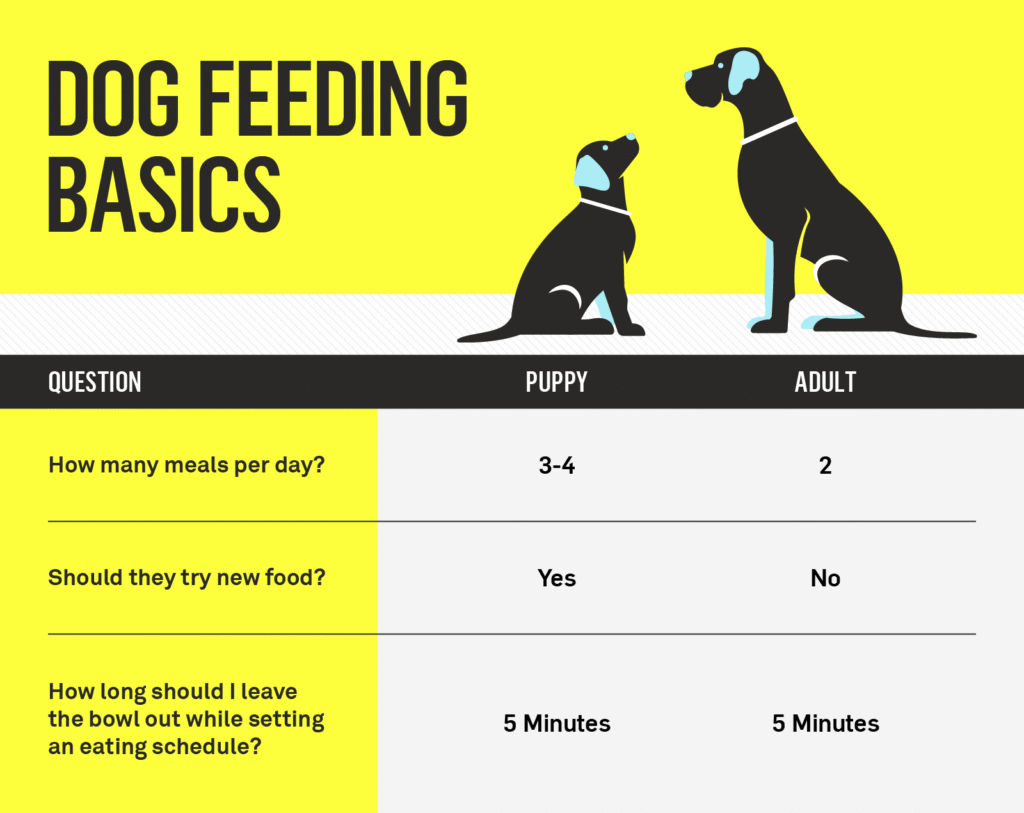
Credit: www.gallant.com
Differences Between Puppy And Adult Dog Food
Puppy food and adult dog food are not the same. They serve different purposes for your dog’s health. Puppies grow fast and need special care in their diet. Adult dogs need food to maintain their health, not to grow. Understanding these differences helps you choose the right food for your puppy.
Nutritional Needs Of Puppies
Puppies need more protein and fat than adult dogs. These nutrients support their rapid growth and energy. They also need extra vitamins and minerals for strong bones and muscles. Puppy food is designed to meet these higher demands. Feeding adult food may not provide enough nutrients for healthy growth.
Ingredients In Adult Dog Food
Adult dog food contains fewer calories and less fat. It focuses on maintaining a healthy weight and supporting adult metabolism. The protein levels are lower compared to puppy food. Ingredients are balanced for dogs that no longer need to grow. This can make adult food less suitable for a growing puppy.
Impact On Growth And Development
Feeding a puppy adult dog food can slow down growth. Lack of nutrients may affect bone and muscle development. Puppies may also lack energy for play and learning. Proper puppy food helps avoid health issues later in life. It supports a strong immune system and healthy brain development.

Credit: www.houndsy.com
Potential Risks Of Feeding Adult Food To Puppies
Feeding adult dog food to puppies can cause serious problems. Puppies need special nutrients to grow healthy and strong. Adult dog food lacks some of these important nutrients. This can hurt a puppy’s development and overall health. Understanding the risks helps keep puppies safe and thriving.
Nutrient Deficiencies
Puppies need more protein, fat, and vitamins than adult dogs. Adult dog food has lower levels of these nutrients. Feeding adult food can cause a lack of essential nutrients. This may slow down growth and weaken the immune system. Puppies might not get enough energy for their busy days.
Digestive Issues
Puppies have sensitive stomachs that need gentle food. Adult dog food can be hard to digest for young pups. It may cause upset stomach, diarrhea, or vomiting. Digestive problems lead to discomfort and poor nutrient absorption. Healthy digestion is key for a puppy’s good start.
Long-term Health Effects
Feeding the wrong food early can cause lasting damage. Nutrient gaps can affect bone development and muscle growth. Poor nutrition may lead to weak joints or heart problems later. Early diet impacts a dog’s health for life. Choosing the right food builds a strong foundation for puppies.
When Adult Dog Food Might Be Appropriate
Adult dog food is not usually the best choice for puppies. Puppies need special nutrients to grow strong and healthy. Still, there are some cases when adult dog food might be okay to feed a puppy. Knowing these situations helps keep your puppy happy and well-fed.
Transitional Feeding Phases
As puppies grow, they slowly change from puppy food to adult food. This change usually starts after one year. During this time, mixing adult food with puppy food can help your puppy adjust. This mix helps avoid stomach problems. Gradually, the adult food amount increases while puppy food decreases.
Veterinary Recommendations
Sometimes, vets suggest adult dog food for puppies. This advice depends on the puppy’s health and breed. Some puppies need fewer calories or special nutrients. Vets check your puppy’s needs and guide you on the best food. Always follow your vet’s advice to keep your puppy safe.
Special Dietary Needs
Some puppies have unique health conditions. These might include allergies or digestion issues. Adult dog food may have formulas that suit these puppies better. Special diets help manage health problems. Talk to your vet before changing your puppy’s diet for these reasons.
Choosing The Right Food For Your Puppy
Choosing the right food for your puppy is very important. Puppies grow fast and need special nutrients. Their food supports healthy bones, muscles, and brains. Giving the right food helps them stay strong and happy. Not all dog food suits puppies. Adult dog food often lacks key nutrients puppies require. Understanding how to pick the best food makes a big difference.
Reading Pet Food Labels
Pet food labels tell a lot about the food inside. Check the ingredients list first. Meat or meat meal should be near the top. Avoid foods with too many fillers like corn or wheat. Look for a statement saying the food meets AAFCO standards. This means the food is tested and balanced. Always check the guaranteed analysis for protein, fat, and fiber. Puppies need higher protein and fat than adults.
Age-specific Formulations
Puppy food is made to meet young dogs’ needs. It has more calories, protein, and DHA for brain growth. Adult dog food usually has less fat and protein. Feeding adult food to puppies can cause poor growth. Age-specific formulas ensure your puppy gets the right vitamins and minerals. Choose puppy food until they reach adult size, then switch gradually.
Quality And Brand Considerations
Choose brands known for quality and safety. Good brands use high-quality ingredients and test their food often. Avoid brands with many recalls or poor reviews. Ask your vet for brand recommendations. Some pets have allergies or sensitivities, so watch how your puppy reacts. Switching foods slowly helps avoid stomach upset. Quality food supports your puppy’s health for life.
Tips For Switching Puppy Food Safely
Switching your puppy’s food needs care and patience. Sudden changes can upset their stomach. Follow safe steps to help your puppy adjust well to new food.
Gradual Transition Methods
Start by mixing 25% new food with 75% old food. Do this for three days. Then, change to 50% new and 50% old food. After three more days, make it 75% new food. Finally, feed only the new food. This slow change helps your puppy’s digestion adjust.
Monitoring Puppy’s Health
Watch your puppy closely during the switch. Check for changes in energy, appetite, and mood. Look at their stool for any signs of diarrhea or constipation. If your puppy seems weak or sick, slow down the transition or consult a vet. Keep a daily note of any changes you see.
Signs Of Food Intolerance
Some puppies may not tolerate new food well. Look for vomiting, excessive gas, or itching skin. Redness or swelling around the face or paws can also be signs. If you notice these symptoms, stop the new food immediately. Talk to your vet about the best option for your puppy’s diet.
Credit: www.acanapetfoods.co.uk
Frequently Asked Questions
Can Puppies Eat Adult Dog Food Safely?
Puppies need special nutrients for growth, which adult dog food lacks. Feeding adult food can cause deficiencies and hinder development. It’s best to choose puppy-specific food for balanced nutrition and healthy growth.
What Happens If A Puppy Eats Adult Dog Food?
Adult dog food may lack essential vitamins and minerals for puppies. This can lead to poor growth, weak immunity, and digestive issues. Occasional adult food is okay, but consistent feeding is not recommended.
When Can Puppies Switch To Adult Dog Food?
Puppies can usually switch to adult dog food around 12 months old. The exact time depends on breed size and vet advice. Transition gradually to avoid stomach upset and ensure proper nutrition.
Why Is Puppy Food Different From Adult Dog Food?
Puppy food contains higher protein, fat, and specific nutrients to support rapid growth. Adult food is designed for maintenance and has lower calorie content. Feeding the correct type ensures optimal health and development.
Conclusion
Puppies need special food to grow strong and healthy. Adult dog food lacks important nutrients for puppies. Feeding adult food too soon can cause health problems. Choose puppy food for balanced vitamins and minerals. Always check with your vet before changing diet.
Healthy eating helps puppies develop bones and muscles well. Keep their meals suited to their age and size. This care supports a happy, active puppy life. Small changes can make a big difference. Careful feeding means a healthy, happy dog ahead.


