

Have you ever wondered what your dog is really trying to tell you? Understanding the behaviors of dogs can unlock a whole new level of connection between you and your furry friend.
From wagging tails to sudden barks, each action has a meaning that can help you respond better to your pet’s needs. Imagine being able to read your dog’s feelings like an open book—how would that change the way you care for them?
Keep reading, and you’ll discover simple insights that make your bond stronger and your life with your dog more joyful.

Credit: www.gingrapp.com
Common Dog Behaviors
Dogs communicate through many behaviors. These actions help them express feelings and needs. Understanding these behaviors improves your bond with your dog. Common behaviors include body language, sounds, and play habits. Each type shows a different side of your dog’s personality.
Body Language Signals
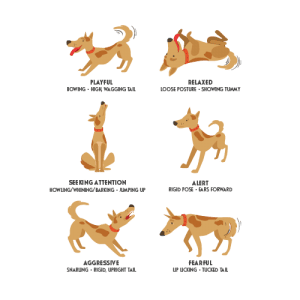
Dogs use body language to share their emotions. Tail wagging can mean happiness or excitement. A stiff body might show alertness or stress. Ears that are back can signal fear or submission. Watching their eyes helps you see if they feel relaxed or tense.
Vocalizations And Their Meanings
Dogs use barks, growls, and whines to communicate. A high-pitched bark often means excitement. Low growls can warn of danger or discomfort. Whining may show anxiety or a need for attention. Listening closely helps you understand their mood.
Play And Social Interaction
Playing is a key way dogs connect. They use play bows to invite others to join. Gentle biting and chasing show friendly behavior. Dogs also sniff and lick to greet friends. Social play builds trust and keeps dogs happy.
Reasons Behind Dog Actions
Dogs act in certain ways for many reasons. Understanding these reasons helps us care for them better. Their actions come from deep inside, feelings, and the world around them. Each dog is unique, but many behaviors share common causes. Let’s explore why dogs behave the way they do.
Instincts And Natural Drives
Dogs have strong instincts from their ancestors. Hunting, chasing, and guarding are natural drives. These instincts guide their actions without thinking. For example, a dog might chase a ball because it triggers its hunting drive. Some dogs bark to protect their home. These behaviors come from nature, not training.
Emotional Responses
Dogs show feelings through their behavior. They may wag their tail when happy or hide when scared. Fear, excitement, and stress affect how dogs act. A dog might jump up to greet a friend out of joy. Sometimes, dogs bark loudly because they feel anxious. Understanding emotions helps explain many dog actions.
Environmental Influences
The surroundings shape a dog’s behavior a lot. Loud noises, new places, or other animals can change how dogs act. A dog might dig in the yard to explore or relieve boredom. Changes in routine can make a dog restless or shy. Dogs learn from their environment every day.
Interpreting Stress And Anxiety
Dogs show stress and anxiety in many ways. Understanding these signs helps you care for them better. Stress affects a dog’s health and behavior. Knowing what causes anxiety is key. Dogs also use certain actions to feel better. This section explains how to interpret stress and anxiety in dogs.
Signs Of Stress In Dogs
Dogs show stress through body language and actions. Common signs include yawning often and licking lips. They may also pant heavily or shake. Some dogs hide or avoid eye contact. Excessive barking or whining can signal stress. Changes in eating or sleeping habits also matter. Watch for pacing or restlessness too.
Triggers For Anxiety
Many things can cause anxiety in dogs. Loud noises like thunder or fireworks are common triggers. New places or strangers may make dogs nervous. Separation from owners often causes anxiety. Changes in routine or environment stress dogs. Some dogs fear other animals or crowds. Identifying triggers helps reduce stress quickly.
Coping Mechanisms Dogs Use
Dogs use behaviors to handle stress and anxiety. Chewing on objects or digging can calm them. Some dogs seek comfort by cuddling close. Others may try to escape the stressful area. Panting and shaking also help release tension. Self-soothing actions reduce their anxiety. Understanding these helps owners support their pets.

Credit: www.newsweek.com
Training Tips Based On Behavior
Training dogs based on their behavior helps create a strong bond. It makes learning easier and more fun for your dog. Understanding your dog’s actions lets you teach in a way they understand. This approach improves communication and trust between you and your pet.
Positive Reinforcement Techniques
Use treats and praise to reward good behavior. Dogs respond well to kindness and rewards. This method encourages them to repeat the right actions. Keep rewards small and give them immediately. This helps your dog connect the reward to the behavior.
Correcting Unwanted Habits
Stop bad behavior gently but firmly. Avoid yelling or punishment as it can scare your dog. Use commands like “no” or “stop” clearly. Redirect their attention to a positive activity. Consistency is key to changing habits over time.
Building Trust And Communication
Spend time with your dog every day. Speak softly and use calm body language. This helps your dog feel safe and understood. Trust grows with patience and regular interaction. Good communication makes training sessions more effective.
Enhancing Your Bond
Building a strong bond with your dog creates trust and happiness. It helps your dog feel safe and loved. This bond grows with time and care. Understanding your dog’s behavior is key to deepening your connection.
Reading Your Dog’s Cues
Dogs communicate with body language and sounds. Watch their tail, ears, and eyes for signals. A wagging tail usually shows happiness. A tucked tail may mean fear or stress. Listen to barks or whines to know their mood. Learning these cues helps you respond well.
Activities To Strengthen Connection
Spend time playing games your dog enjoys. Simple fetch or tug-of-war brings joy. Training sessions also build trust and respect. Keep sessions short and fun. Walks outside give your dog exercise and mental stimulation. These activities make your bond stronger.
Creating A Comfortable Environment
Your dog feels secure in a calm space. Provide a cozy bed in a quiet area. Avoid loud noises and sudden movements. Keep food and water accessible. A peaceful home helps your dog relax. Comfort encourages positive behavior and closeness.
Credit: petdesk.com
Frequently Asked Questions
What Are Common Dog Behaviors To Expect?
Dogs often show behaviors like tail wagging, barking, and sniffing. These actions express emotions and communicate with humans and other dogs. Understanding these behaviors helps improve bonding and training.
Why Do Dogs Bark Excessively?
Excessive barking usually signals boredom, anxiety, or alertness. Dogs may bark to seek attention or warn of danger. Identifying triggers can help manage and reduce unnecessary barking effectively.
How Do Dogs Show Affection?
Dogs show affection through licking, nuzzling, and close body contact. They may also wag their tails and follow their owners around. These behaviors indicate trust and love.
What Causes Aggressive Behavior In Dogs?
Aggression in dogs can stem from fear, pain, or territorial instincts. Lack of socialization and poor training also contribute. Proper training and social exposure reduce aggression risks.
Conclusion
Dogs show many behaviors that tell us how they feel. Watching their actions helps us understand them better. Each dog is unique, with habits shaped by breed and life. Paying attention to their body language makes bonding easier. Good care and patience help dogs feel safe and happy.
Learning about dog behaviors builds trust and friendship. Enjoy the moments spent with your furry friend every day.


