

If you have a Maltese puppy, you might wonder when it’s the right time to switch to adult dog food. Making this change at the right moment is important for your dog’s health and happiness.
Feed your Maltese too early or too late, and you could risk upsetting their digestion or missing out on key nutrients. You’ll discover clear signs and expert tips to help you know exactly when to make the switch. Keep reading to ensure your furry friend gets the best nutrition at every stage of life.
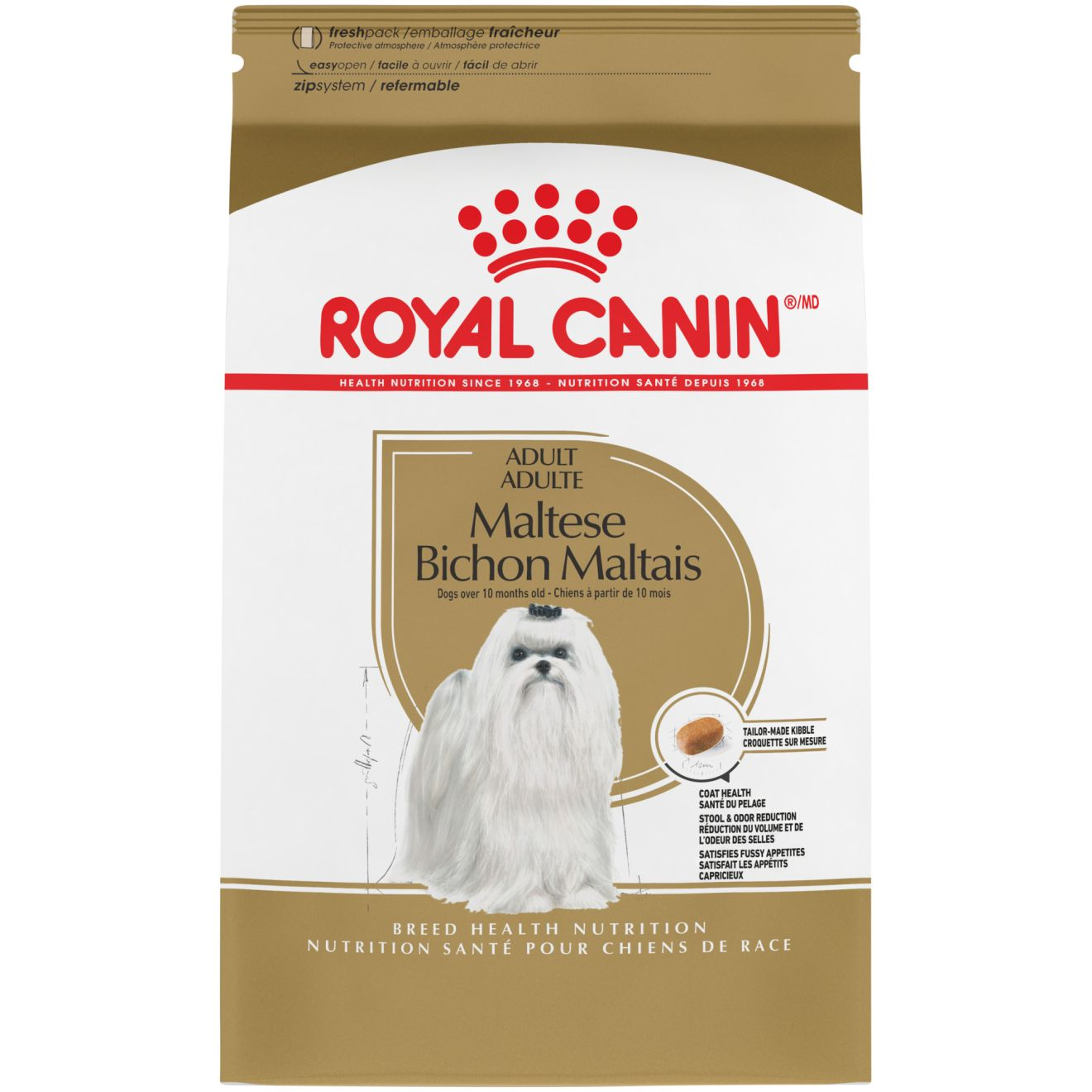
Credit: www.royalcanin.com
Growth Stages Of A Maltese
The growth of a Maltese dog happens in clear stages. Each stage needs different care and food. Understanding these stages helps you know the right time to switch to adult dog food. Maltese dogs grow fast but need gentle transitions in their diet. This keeps them healthy and strong.
Puppy Phase
The puppy phase lasts from birth to about 6 months. Puppies need food rich in protein and fat. This supports their fast growth and energy needs. Puppy food has extra nutrients for bones and brain development. Feeding adult food too early can slow growth.
Adolescence
Adolescence is from 6 months to 12 months. Growth slows but still needs good nutrition. Maltese dogs become more active and curious. Their diet should balance energy and nutrients without overfeeding. This phase prepares them for adulthood.
Adulthood
Adulthood starts around 12 months old. Maltese dogs need food that maintains their health. Adult dog food supports steady energy and body weight. It has fewer calories than puppy food. Switching at this stage avoids excess weight and health problems.
Credit: www.petsmart.com
Signs Your Maltese Is Ready
Knowing when your Maltese is ready for adult dog food helps ensure proper growth and health. Puppies grow fast. Their needs change as they develop. Watch your dog closely for key signs. These signs show it’s time to switch food.
Physical Development
Your Maltese’s body changes quickly. Teeth start to fall out and adult teeth appear. The puppy coat begins to turn into a thicker adult coat. Weight gain slows down but muscle tone increases. These changes mean your dog is maturing. It is ready for more adult nutrition.
Behavioral Changes
Growing Maltese puppies act differently. They become more independent and less playful. Energy levels may shift from constant bursts to steady activity. They may start exploring more and chewing less. These behaviors show your dog is moving from puppyhood to adulthood.
Nutritional Needs
Puppies need higher calories and protein to grow. As your Maltese grows, those needs change. Adult dogs require balanced nutrients for maintenance, not rapid growth. Switching to adult food gives the right vitamins and minerals. It supports their health without extra calories.
Ideal Age To Switch Foods
Knowing the right time to switch your Maltese from puppy to adult dog food is important. The change supports healthy growth and keeps your dog strong. Feeding the right food at the right age helps avoid nutritional problems later.
General Guidelines
Maltese puppies usually switch to adult food between 9 and 12 months old. Small breeds grow faster than large breeds. Their bones and muscles mature quickly. Most vets suggest starting the switch near one year of age.
Watch your Maltese’s behavior and weight during this time. If your dog seems full of energy and healthy, the timing is right. Gradually mix adult food into the puppy food over a week. This helps avoid stomach upset.
Breed-specific Factors
Maltese dogs are a small breed with unique needs. They reach adult size sooner than bigger dogs. Switching too early can cause nutrient gaps. Switching too late may lead to weight gain.
Consider your dog’s activity level and health. Some Maltese mature faster or slower. Talk with your vet to find the best time to switch. Tailoring food to your Maltese keeps them happy and healthy long term.
Choosing The Right Adult Dog Food
Choosing the right adult dog food for your Maltese is very important. The right food supports their health and energy. Adult dog food has different nutrients than puppy food. It matches your dog’s needs as they grow older. This section helps you pick the best food for your Maltese.
Nutrient Requirements
Maltese dogs need balanced nutrients to stay healthy. Adult dog food should have the right proteins, fats, and vitamins. Protein helps keep muscles strong. Fats provide energy and keep the coat shiny. Vitamins and minerals support the immune system and bones. Check the label to ensure the food meets these needs.
Quality Ingredients
Choose dog food with natural, high-quality ingredients. Real meat or fish should be the first ingredient. Avoid foods with fillers like corn or soy. Whole grains, vegetables, and fruits add important nutrients. Quality ingredients help your Maltese digest food better. They also reduce the risk of allergies and stomach problems.
Avoiding Allergens
Some Maltese dogs have food allergies or sensitivities. Common allergens include wheat, soy, and certain proteins. Watch for signs like itching, redness, or upset stomach. Pick dog food that avoids these allergens. Limited ingredient diets can help reduce allergic reactions. Always introduce new food slowly to check for issues.
Transitioning Smoothly
Switching your Maltese from puppy food to adult dog food requires care. A smooth transition helps your dog adjust well. It avoids tummy troubles and food refusal. Taking time and watching closely makes the change easier for both of you.
Gradual Food Introduction
Start by mixing a small amount of adult food with puppy food. Increase the adult food slowly over 7 to 10 days. This helps your Maltese get used to new flavors and textures. Sudden changes can upset their stomach, so slow changes work best.
Monitoring Digestive Health
Watch your dog for signs of digestion problems. Check for diarrhea, vomiting, or constipation. If you see these signs, slow down the transition. Keep an eye on your dog’s energy and appetite too. Healthy digestion means the new food suits them well.
Adjusting Portions
Adult dogs need fewer calories than puppies. Measure the food portions based on your Maltese’s weight and activity. Overfeeding can cause weight gain and health issues. Underfeeding can lead to low energy and poor health. Adjust portions as your dog grows and changes.
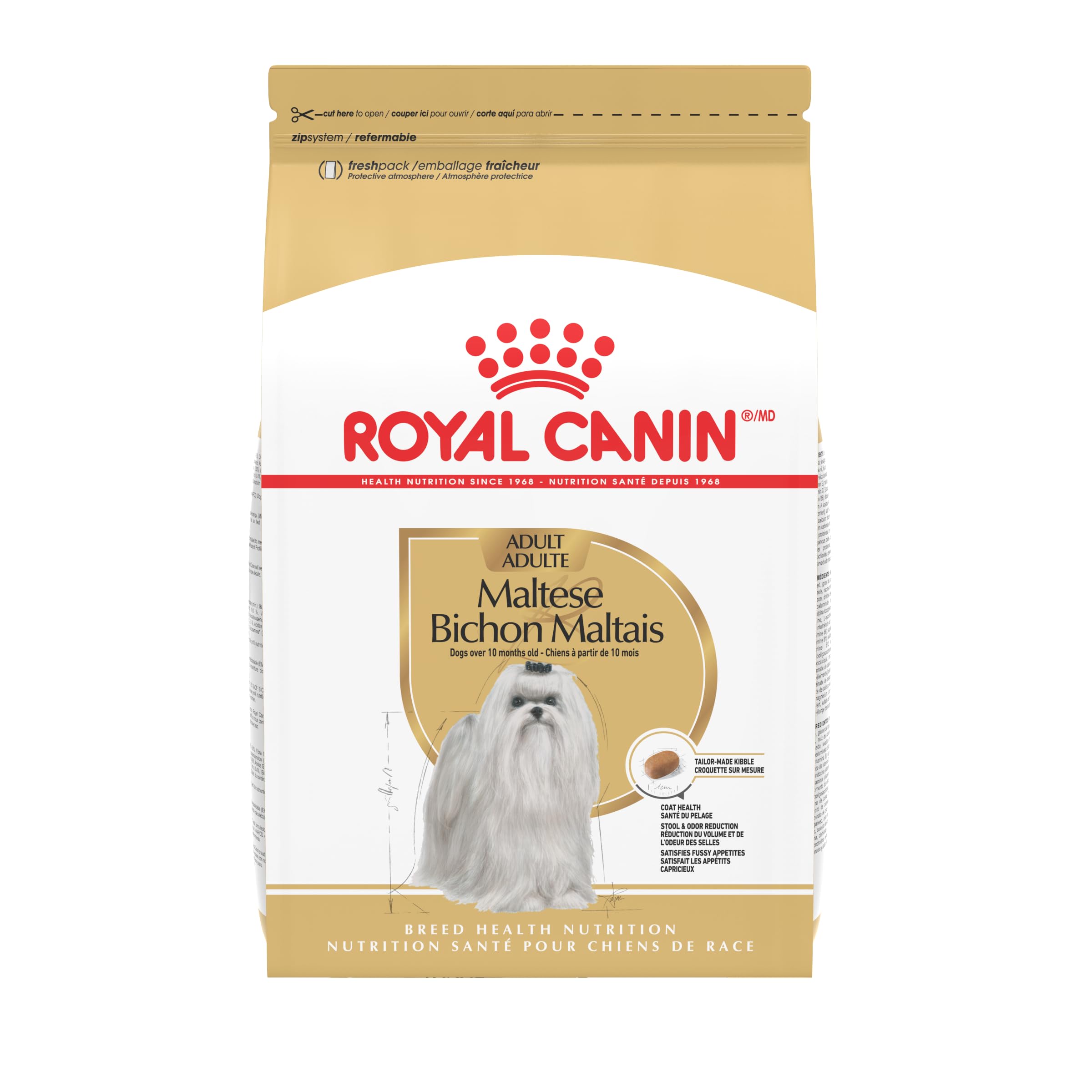
Credit: www.amazon.com
Common Mistakes To Avoid
Switching your Maltese to adult dog food is important for their health. Many dog owners make simple mistakes during this change. These errors can cause digestion problems or poor nutrition. Knowing what to avoid helps your dog stay happy and healthy.
Switching Too Early
Changing to adult food before your Maltese is ready can cause issues. Puppies need special nutrients for growth. Adult food may lack these nutrients. Wait until your dog is about one year old. This timing supports healthy development and energy levels.
Ignoring Weight Changes
Watch your dog’s weight closely during the switch. Sudden weight gain or loss signals a problem. Adjust food amounts if your dog’s weight changes. Overfeeding leads to obesity. Underfeeding can cause weakness. Keep your Maltese at a healthy weight for longer life.
Skipping Vet Consultation
Do not skip talking to your vet before switching foods. Vets know your dog’s health needs best. They can recommend the right food type and amount. This step prevents health problems. A vet check ensures your Maltese’s diet fits their lifestyle and condition.
Veterinary Advice And Checkups
Veterinary advice plays a key role when switching your Maltese to adult dog food. Vets check your dog’s health and guide you on the best diet change time. They help spot any health issues that could affect the switch. Regular checkups keep your dog healthy and ensure a smooth food transition.
Regular Health Assessments
Schedule regular vet visits to assess your Maltese’s health. Vets examine weight, teeth, coat, and overall condition. They detect signs of illness or poor nutrition early. These checks help decide the right moment to change food. Regular assessments also track your dog’s growth and energy levels.
Tailoring Diet Plans
Vets create diet plans based on your Maltese’s needs. They consider age, weight, and activity level. Some dogs need special nutrients or food types. A tailored diet supports your dog’s health and digestion. Personalized plans reduce risks of allergies or stomach upset.
Frequently Asked Questions
When Should I Switch My Maltese To Adult Dog Food?
Switch your Maltese to adult dog food at about 12 months. This age marks their transition from puppy growth to adult maintenance.
What Signs Indicate My Maltese Needs Adult Food?
Look for slowed growth and reduced energy needs. If your Maltese reaches one year, it’s time for adult food.
Can I Feed Adult Food To A Maltese Puppy?
No, adult food lacks the nutrients puppies need. Feeding puppy food supports proper growth and development until one year.
How To Transition Maltese From Puppy To Adult Food?
Gradually mix adult food with puppy food over 7-10 days. This helps avoid digestive upset during the switch.
Conclusion
Switching your Maltese to adult dog food supports healthy growth and energy. Watch for signs like age, weight, and activity changes. Gradual change helps avoid stomach problems. Choose food with good nutrients for their size and breed. Keep an eye on how your dog reacts to new food.
Proper nutrition keeps your Maltese happy and strong. Timing the switch right makes a big difference. Small steps lead to better health and longer life. Trust your care and attention to guide this change.


