
Are you wondering if it’s okay to switch your 9-month-old dog to adult food? You want to make sure your furry friend gets the right nutrients at every stage of life.
But how do you know when the time is right? Giving your dog the wrong food can affect their growth and health. Keep reading to discover the key signs to look for and how to make the transition safely. Your dog’s well-being depends on it, and you’ll feel confident knowing you’re making the best choice.
When To Transition To Adult Dog Food
Knowing when to switch your puppy to adult dog food is important. This change supports their growth and health. Puppies need special nutrition to develop strong bones and muscles. As they grow, their needs change. Feeding adult food too early or too late can cause problems.
Timing the transition right helps your dog stay healthy and happy. Watch your puppy closely for signs of readiness. Understand how age and growth affect this process. This guide helps you decide the best time to make the switch.
Signs Your Puppy Is Ready
Your puppy may be ready for adult food if they show steady growth. Teeth are usually fully developed by this time. They may start eating larger meals and less often. Energy levels may change from high to more balanced. Their coat might look shinier and healthier. Digestion often becomes more stable too. These signs show their body can handle adult food.
Age Vs. Developmental Stage
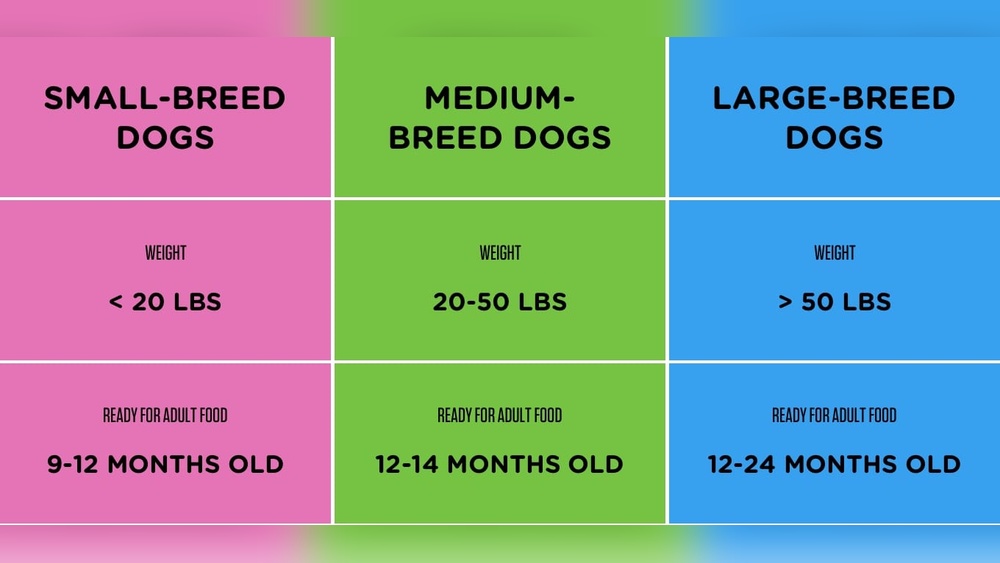
Age matters but growth stage is more important. Most dogs move to adult food between 9 and 12 months. Large breeds may need longer puppy food to support slow growth. Smaller breeds often switch earlier. Watch how your dog develops rather than just counting months. Growth speed, weight, and activity level all matter. Consult your vet if you are unsure. They help match food to your dog’s needs.
Differences Between Puppy And Adult Food
Understanding the differences between puppy and adult dog food helps decide the best diet for your dog. Puppies and adult dogs have different needs for growth and health. Feeding the right type of food supports their development and keeps them active. This section explains the key differences in their nutrition and ingredients.
Nutritional Needs Of Puppies
Puppies need more energy than adult dogs. Their food has extra calories to support fast growth. Protein is higher to build muscles and strong bones. Essential vitamins and minerals help develop the immune system. Puppies also need more fat for brain and eye development. Balanced nutrition is critical during these early months.
Key Ingredients In Adult Dog Food
Adult dog food contains fewer calories to prevent weight gain. It has balanced protein to maintain muscles without overloading. Fiber is added to support digestion and keep the stomach healthy. Essential fatty acids help keep the coat shiny and skin healthy. Adult formulas often include supplements for joint health and overall wellness.
Risks Of Switching Too Early
Switching a 9-month-old dog to adult food too soon can cause problems. Puppies have special needs for growth. Adult dog food might not meet these needs well. This change might harm your dog’s health and development.
Potential Nutritional Deficiencies
Puppy food has more nutrients like protein and fat. These help build strong muscles and a healthy coat. Adult food has less of these nutrients. Feeding it early can lead to missing important vitamins and minerals. This can make your puppy weak or sick.
Impact On Growth And Health
At 9 months, many dogs are still growing. They need extra energy and nutrients to support bones and organs. Adult food may not provide enough calories for this growth. Poor nutrition can slow growth and cause health issues. It may also affect your dog’s immune system.

Credit: www.poochandmutt.co.uk
How To Safely Transition Food
Changing your dog’s food needs care. Sudden switches can upset their stomach.
Safe transitions help avoid digestion problems and keep your dog happy. Take time and watch your dog’s health closely.
Gradual Switching Techniques
Start by mixing 25% adult food with 75% puppy food. Keep this for three days.
Next, change the mix to 50% adult and 50% puppy food. Continue for another three days.
Then, move to 75% adult food and 25% puppy food for three more days.
Finally, feed only adult food. This slow change helps your dog adjust well.
Monitoring Your Dog’s Reaction
Watch for signs like vomiting, diarrhea, or loss of appetite. These show your dog may not tolerate the new food.
Check your dog’s energy levels and stool quality daily. Healthy signs mean the transition is working.
Contact your vet if your dog shows strong negative reactions. They can guide the next steps.
Expert Tips For Feeding 9 Month Old Dogs
Feeding a 9 month old dog needs care and attention. This age is a key stage in growth and health. Good feeding habits help your dog stay strong and active. Follow expert tips to choose the right food and set a good routine.
Recommended Food Types
At 9 months, your dog still needs nutrients for growth. Puppy food is made for this stage. It has more protein and fat than adult food. Choose high-quality puppy food with real meat listed first. Avoid foods with many fillers or artificial ingredients. Some dogs may start eating adult food now, but check with your vet first. Mixing puppy and adult food can confuse your dog’s digestion.
Portion Control And Feeding Schedule
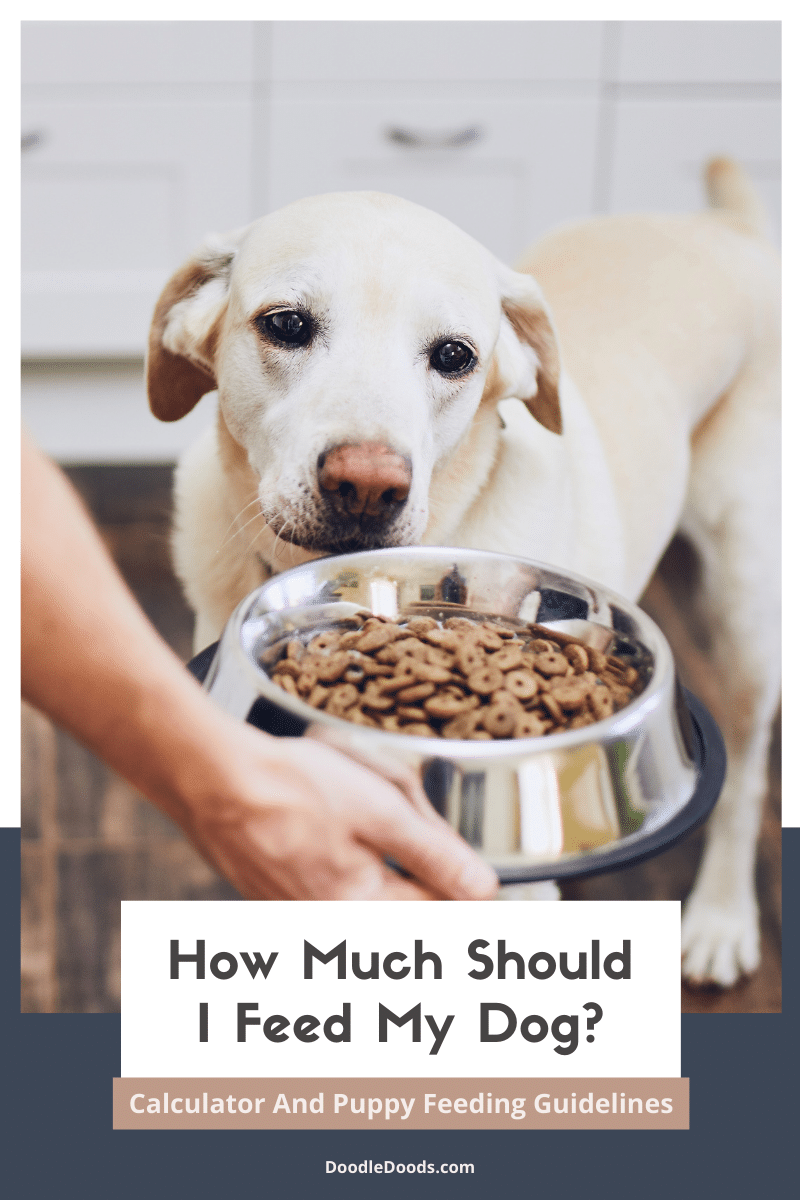
Portion control is key for a healthy weight. Too much food can cause obesity. Too little slows growth. Use the feeding guide on the package as a start. Adjust portions based on your dog’s activity and body condition. Feed your dog two to three times a day. Regular meals help digestion and prevent overeating. Fresh water should always be available to keep your dog hydrated.
Credit: doodledoods.com
When To Consult A Veterinarian
Deciding to switch your 9-month-old dog to adult food is a big step. Every dog grows at a different rate. Some pups may be ready earlier, while others need more time. Watching your dog closely helps you know when to ask for help. A vet can guide you to make the best choice for your dog’s health and happiness.
Signs Of Dietary Issues
Watch for changes in your dog’s energy and mood. Sudden tiredness or hyperactivity may signal a problem. Look for digestive troubles like vomiting, diarrhea, or constipation. Skin and coat changes, such as dryness or hair loss, also matter. These signs suggest your dog may not tolerate adult food well yet.
Personalized Nutrition Advice
Every dog has unique needs based on breed, size, and health. A veterinarian can offer diet advice tailored just for your dog. They consider growth, activity level, and any health conditions. Personalized plans help avoid nutrition gaps or excesses. This ensures your dog grows strong and stays healthy.

Credit: shop.bullymax.com
Frequently Asked Questions
When Is The Right Time To Switch My Dog To Adult Food?
Most dogs can switch to adult food around 9 to 12 months. Large breeds may need more time. Consult your vet for personalized advice.
Can Adult Dog Food Meet My Puppy’s Nutritional Needs?
Adult dog food lacks certain nutrients puppies need for growth. It’s not ideal for dogs under 12 months unless advised by a vet.
What Are The Risks Of Feeding Adult Food Too Early?
Feeding adult food too early can cause nutrient deficiencies. Puppies might miss essential vitamins and minerals, affecting development and health.
How To Transition My 9-month-old Dog To Adult Food?
Gradually mix adult food with puppy food over 7-10 days. This helps avoid digestive upset and eases the transition smoothly.
Conclusion
Feeding a 9-month-old dog adult food needs care and attention. Puppies grow fast and need more nutrients than adults. Adult food may lack vitamins and minerals for healthy growth. Choose food based on your dog’s size and activity level. Watch for any signs of stomach upset or allergies.
Talk to your vet before changing your dog’s diet. A balanced diet helps your dog stay strong and happy. Keep your dog’s health as the top priority always. Safe feeding leads to a joyful pet and owner.


