Are you wondering when it’s the right time to switch your furry friend to adult dog food? Feeding your dog the right food at the right stage can make a big difference in their health and happiness.
But how do you know when your puppy has outgrown their starter meals? And what signs should you watch for to make this important change smoothly? Keep reading, because understanding the perfect timing for this switch will help you give your dog the nutrition they need to thrive every day.

Credit: noodpetfood.com
Ideal Feeding Times
Choosing the best time to feed your adult dog helps keep them healthy and happy. Dogs thrive on routine, and feeding at the right times supports digestion and energy levels. Understanding the ideal feeding times can improve your dog’s behavior and overall well-being.
Morning Vs Evening Feeding
Feeding your dog in the morning gives them energy for the day. It helps keep their metabolism steady. Evening feeding can calm your dog before bedtime. Some dogs do well with one big meal in the evening. Others prefer two smaller meals, one in the morning and one at night.
Try observing your dog’s energy and hunger. Adjust feeding times to match their needs and your schedule. Morning feeding suits active dogs. Evening feeding fits calm or less active pets.
Consistency In Schedule
Dogs like routine. Feeding them at the same times daily helps digestion. It prevents overeating and reduces begging. A consistent schedule makes house training easier. Your dog learns when to expect food, lowering anxiety.
Stick to the same feeding times every day. Even small changes can confuse your dog. Regular feeding helps maintain a healthy weight. It supports good behavior and a stable routine.
Meal Frequency For Adult Dogs
Meal frequency is an important factor in feeding adult dogs. It affects their digestion, energy, and behavior. Choosing the right feeding schedule helps keep your dog healthy and happy. Understanding how often to feed your dog depends on several factors like age, size, and activity level.
Once Vs Twice Daily Meals
Many dog owners feed their pets once or twice a day. Feeding once daily suits some dogs who eat quickly and stay calm. Twice daily meals can prevent hunger and reduce stomach problems. Splitting food into two meals helps dogs digest better and maintain energy. Watch your dog’s behavior to decide which option works best.
Adjusting Frequency By Activity Level
Active dogs need more energy and may benefit from more frequent meals. Dogs that exercise or work hard can handle two or three meals daily. Less active dogs usually do well with one or two meals. Adjust meal times and portions based on how much your dog moves. Observe your dog’s weight and energy to find the right balance.
Factors Influencing Feeding Timing
Feeding adult dog food at the right time depends on several key factors. Each dog is unique, and understanding these factors helps keep your pet healthy. Timing affects digestion, energy, and overall well-being. Pay attention to your dog’s needs and lifestyle.
Breed And Size Considerations
Small breeds often eat more frequently than large breeds. Their fast metabolism needs steady energy throughout the day. Large breeds may do well with fewer meals but larger portions. Breed also affects energy levels and activity. Active breeds may need food before or after exercise. Adjust feeding times based on how your dog behaves and feels.
Health Conditions Impact
Health issues can change feeding schedules. Dogs with diabetes require strict meal times. Digestive problems may call for smaller, more frequent meals. Dogs recovering from illness might need gentle feeding routines. Always follow your vet’s advice for special diets. Tailor feeding times to support your dog’s health needs.
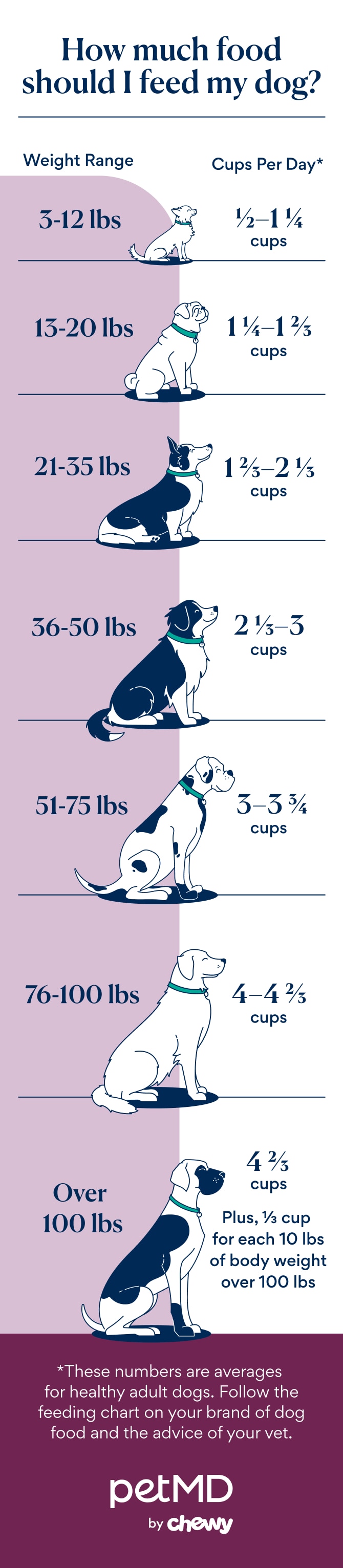
Credit: www.petmd.com
Signs Your Dog Is Ready To Eat
Knowing when your dog is ready to eat adult dog food is important. Dogs give clear signs through their actions and bodies. These signs help you decide the right time to change their food. Watching your dog closely can make this change smooth and easy for both of you.
Behavioral Cues
Your dog’s behavior often shows readiness for adult food. Watch if your dog eats puppy food quickly and with interest. A sudden loss of excitement for puppy food may mean they are ready to switch. Dogs that start chewing more or exploring new tastes signal readiness. Increased appetite and eagerness at mealtime also matter. These actions point to your dog growing and needing more nutrition.
Physical Indicators
Physical changes can also tell you when to change dog food. Look for steady growth in size and weight. Your dog’s teeth becoming stronger and more adult-like is a key sign. Fur texture may change, showing maturity. Stamina and energy levels rising means your dog is developing well. These body changes signal readiness for adult dog food, supporting their health and activity.
Avoiding Common Feeding Mistakes
Feeding an adult dog the right way is important for its health. Many pet owners make simple mistakes that can harm their dogs. Avoiding these common feeding errors helps keep dogs active and happy. Understanding what to avoid can improve your dog’s diet and well-being.
Overfeeding Risks
Giving too much food causes weight gain. Overweight dogs can face health problems like joint pain and heart issues. Overfeeding also leads to poor digestion and low energy. Feeding the right portions supports a healthy weight. Measure food carefully and follow feeding guidelines to avoid overfeeding.
Irregular Feeding Consequences
Feeding at odd times can upset your dog’s stomach. Irregular meals cause hunger and anxiety. Dogs thrive on routine and feel secure with set feeding times. Skipping meals or feeding too late disrupts digestion. Consistent meal times support good behavior and digestion.
Tips For Transitioning To Adult Dog Food
Transitioning your dog to adult food requires care and patience. Sudden changes can upset their stomach. Follow simple tips to help your dog adjust smoothly to new food. This keeps your dog healthy and happy during the change.
Gradual Introduction Strategies
Start by mixing a small amount of adult food with your dog’s current food. Increase the adult food portion slowly over 7 to 10 days. This helps your dog get used to the new taste and texture. Watch how your dog reacts to the new mix every day. Avoid switching all at once to prevent stomach upset.
Monitoring Digestive Responses
Check your dog’s stool for changes in color or consistency. Loose stools or diarrhea may mean the change is too fast. Your dog might also show signs of gas or vomiting. If these happen, slow down the transition. Keep your dog hydrated and comfortable during this time. Always consult your vet if digestive issues last more than a few days.
Credit: www.bil-jac.com
Frequently Asked Questions
When Should I Switch My Puppy To Adult Dog Food?
Switch to adult dog food when your dog reaches one year old. Small breeds may switch earlier, around 9-12 months. Large breeds might need adult food at 12-18 months. Always consult your vet for the best timing based on your dog’s breed and health.
How Do I Know My Dog Needs Adult Food?
Signs include slowed growth and reduced energy needs. Puppies require more calories than adults. When your dog stops growing and becomes less active, adult food is appropriate. Monitor weight and consult your vet for personalized advice.
Can Feeding Adult Food Too Early Harm My Dog?
Yes, feeding adult food too early can cause nutrient deficiencies. Puppies need higher protein and fat for growth. Early switching may lead to poor development. Always transition at the right age to support healthy growth and avoid health issues.
What Are The Benefits Of Feeding Adult Dog Food?
Adult dog food meets mature dogs’ nutritional needs. It helps maintain a healthy weight and supports overall health. It contains balanced nutrients for energy and immune function. Feeding adult food at the right time promotes longevity and vitality.
Conclusion
Feeding your dog adult food at the right time keeps them healthy. Watch for signs like age and size to know when to switch. Choose good quality adult dog food for balanced nutrition. Feed meals at regular times to keep a routine.
Avoid sudden changes to prevent stomach upset. Remember, every dog grows at their own pace. Consult your vet if you are unsure about the timing. Healthy food leads to a happy, energetic dog. Simple care makes a big difference in your dog’s life.