

Are you wondering when to switch your furry friend from puppy food to adult dog food? Knowing the right time to make this change is crucial for your dog’s health and happiness.
Feeding your dog the correct food at the right age helps support their growth, energy, and overall well-being. If you get it wrong, your dog could face nutrition problems or digestive issues. Keep reading, and you’ll discover clear signs and expert tips to make this transition smooth and stress-free for both you and your pet.
Credit: www.bluebuffalo.com
Puppy Growth Stages
Puppy growth happens in clear stages. Each stage changes how your puppy eats and grows. Knowing these stages helps you decide the best time to start adult dog food. Puppies need different nutrition at each phase. This helps their body and brain develop well.
Neonatal Phase
This stage lasts from birth to two weeks old. Puppies mostly sleep and nurse. They rely on their mother’s milk for all nutrition. Their eyes and ears stay closed. They cannot eat solid food yet.
Transitional Phase
This phase goes from two to four weeks old. Puppies open their eyes and ears. They start to stand and walk a little. Around this time, you can introduce soft, wet puppy food. Their teeth begin to grow now.
Socialization Phase
Lasting from four to twelve weeks, puppies learn about people and other dogs. They become more active and curious. They eat solid puppy food regularly. This stage is important for training and behavior.
Juvenile Phase
This phase is from three months to one year. Puppies grow fast and become stronger. Their energy needs are high. You can slowly start mixing adult dog food during this time. Watch for their size and weight to guide feeding.
Credit: www.pedigree.com
Signs Your Puppy Is Ready
Knowing when to switch your puppy to adult dog food is important for their health. Puppies grow fast and their needs change quickly. Watch for signs that show your puppy is ready for new food. These signs help you decide the right time to change their diet without causing problems.
Teeth Development
Puppies start to lose baby teeth around four months old. New adult teeth grow in soon after. Strong, healthy teeth show your puppy can chew adult food. If their teeth look sharp and clean, it may be time to switch. Soft puppy food is easier to chew before teeth fully grow.
Behavior Changes
Puppies become more active as they grow. They may eat more or show interest in different foods. If your puppy seems hungrier or chews on harder items, they might be ready. Adult food can meet their higher energy needs. Watch for these behavior changes to guide your feeding choice.
Nutritional Needs
As puppies grow, their nutrition needs shift. Adult dog food has different nutrients for maintenance, not growth. Too much puppy food can cause weight gain or upset stomach. Veterinarians often recommend switching at about one year old. Adjust food type to match your dog’s size and breed for best health.
Age Guidelines For Switching
Knowing when to switch your dog to adult food is key for their health. Puppies grow fast and their food must support this growth. Changing too early or too late can cause problems. Different breeds grow at different rates. Follow breed-specific timelines for best results.
Small Breeds Timeline
Small breed dogs usually grow quickly. They reach adulthood around 9 to 12 months. You can start giving adult food at about 9 months. This helps meet their energy needs as growth slows. Watch for weight changes and adjust food if needed.
Medium Breeds Timeline
Medium breeds grow a bit slower than small breeds. They mature around 12 months old. Begin the switch to adult food between 12 and 14 months. This timing supports their steady growth and muscle development. Keep an eye on their activity level and appetite.
Large Breeds Timeline
Large breed dogs take longer to mature. They finish growing between 12 and 18 months. Start feeding adult food closer to 15 months. Large breeds need special care to avoid joint issues. Use adult food designed for large breed support.
Choosing The Right Adult Food
Choosing the right adult food is important for your dog’s health. Adult dogs need different nutrients than puppies. Selecting the proper food helps keep your dog active and strong. It supports their immune system and keeps their coat shiny. This section guides you through the key points to consider when picking adult dog food.
Nutrient Requirements
Adult dogs need balanced nutrients to stay healthy. Protein helps build and repair muscles. Fat provides energy for daily activities. Carbohydrates supply fuel for the brain and body. Vitamins and minerals support overall health and immunity. Check the food label to find these essential nutrients in the right amounts.
Quality Ingredients
Choose dog food with high-quality ingredients. Real meat or fish should be the first ingredient. Avoid foods with fillers like corn or wheat. These add little nutritional value. Natural ingredients help with digestion and nutrient absorption. Quality food tastes better and keeps your dog satisfied.
Special Dietary Needs
Some dogs have special dietary needs. Older dogs may need food with fewer calories. Active dogs might require more protein and fat. Dogs with allergies need hypoallergenic formulas. Talk to your vet about any health issues. Custom diets can improve your dog’s quality of life.
Transitioning Smoothly
Transitioning your dog from puppy food to adult food needs care and patience. A smooth change helps avoid stomach issues. This process lets your dog adjust to new nutrients and flavors. It supports good health and digestion.
Gradual Food Mixing
Start by mixing a small amount of adult food with puppy food. Increase the adult food amount slowly over 7 to 10 days. This gentle change helps your dog’s stomach adapt. Sudden food switches can cause upset stomach or diarrhea. Watch how your dog reacts each day.
Monitoring Digestive Health
Check your dog’s stool and behavior during the transition. Firm, regular stools show good digestion. Loose stools or vomiting means slow the transition. Your dog might need more time to adjust. Keep an eye on energy levels and appetite too.
Adjusting Portions
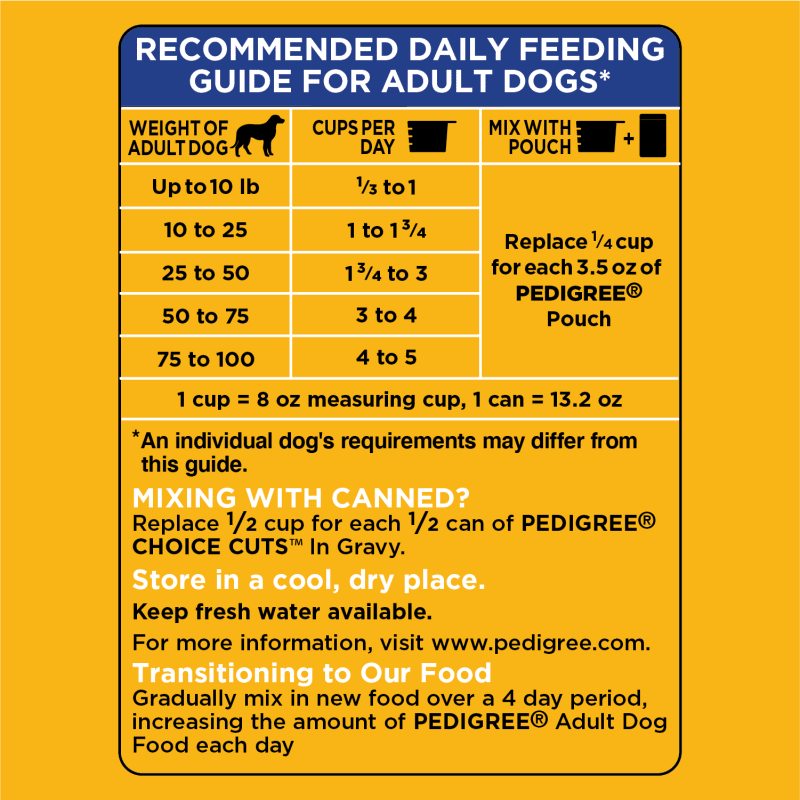
Adult dogs need different food amounts than puppies. Adjust portions based on your dog’s size and activity. Use feeding guidelines on the adult dog food package. Avoid overfeeding to prevent weight gain. Underfeeding can cause low energy and poor growth.
Credit: www.frysfood.com
Common Mistakes To Avoid
Changing your dog’s diet from puppy to adult food is important. Many pet owners make mistakes that affect their dog’s health. Avoiding these common errors helps your dog grow strong and healthy. Understanding these errors saves you time and worry.
Switching Too Early
Changing to adult food too soon can harm your puppy. Their bodies still need nutrients for growth. Puppy food supports bone and muscle development. Switching early can cause nutrient gaps and slow growth. Wait until your vet confirms your dog is ready.
Ignoring Breed Differences
Different breeds grow at different speeds. Small breeds mature faster than large breeds. Large breeds need more time on puppy food. Feeding adult food too soon can cause joint problems. Consider your dog’s breed before changing diets.
Overfeeding Adult Food
Adult food is more calorie-dense than puppy food. Feeding the same amount can lead to weight gain. Overweight dogs risk diabetes and joint stress. Measure portions carefully and follow feeding guidelines. Adjust portions based on your dog’s activity level and weight.
Veterinarian Recommendations
Veterinarians play a key role in deciding the right time to switch your dog to adult food. Their advice helps ensure your dog stays healthy and happy. They base their recommendations on your dog’s breed, size, and health status.
Regular Health Checks
Regular vet visits help track your dog’s growth and health. Vets check weight, teeth, and energy levels. They spot any early health issues. These checks guide the timing for changing food. Healthy dogs may switch at different ages than others.
Customized Feeding Plans
Vets create feeding plans tailored to your dog’s needs. They consider activity level and metabolism. Some dogs need more calories; others need less. Plans include when to start adult food. This approach helps keep your dog’s weight and health in balance.
Handling Allergies And Sensitivities
Some dogs have allergies or food sensitivities. Vets identify these through tests and observation. They suggest adult foods that avoid triggers. This prevents stomach upset and skin problems. Switching food slowly under vet advice reduces risks.
Frequently Asked Questions
When Should I Switch My Puppy To Adult Dog Food?
You should switch to adult dog food when your puppy reaches about 80% of their expected adult size. This usually happens between 9 to 12 months for most breeds. Large breeds may take longer, around 12 to 18 months, to transition fully.
Why Is Timing Important For Changing Dog Food?
Timing matters because puppies have different nutritional needs than adult dogs. Feeding adult food too early may cause nutrient deficiencies or excesses. Proper timing ensures healthy growth, supports development, and prevents digestive issues linked to improper diet changes.
How Can I Tell If My Dog Is Ready For Adult Food?
Look for signs like slowed growth, adult teeth development, and increased energy stability. Your vet can also recommend the best time based on your dog’s breed, size, and health. These factors ensure a smooth and healthy transition to adult food.
Can Feeding Adult Food Early Harm My Puppy?
Yes, feeding adult food too early can harm your puppy. It may lack sufficient calories and nutrients needed for growth. This can lead to poor development, weak bones, and reduced immunity. Always follow vet guidelines for timing the switch.
Conclusion
Choosing the right time to switch your dog to adult food is key. Watch for signs like growth slowing and teeth changing. Changing food too early or late can cause problems. Keep your dog healthy with the proper diet. Talk to your vet if you feel unsure.
A good diet supports energy, health, and happiness. Remember, every dog grows at its own pace. Pay attention and adjust as needed. Your dog will thank you with a happy, healthy life.


