

Are you wondering if you can feed your puppy adult dog food? It’s a common question many new dog owners face.
You want to give your furry friend the best nutrition, but mixing up their diet could affect their growth and health. What if the adult food doesn’t have everything your puppy needs? Or maybe you’re thinking it’s easier to just feed them what you have on hand.
Keep reading to discover the truth about feeding puppies adult dog food and how to make the best choice for your pup’s happy, healthy life.
Credit: www.acanapetfoods.co.uk
Differences Between Puppy And Adult Dog Food
Puppies and adult dogs have very different nutritional needs. Their food is specially made to help them stay healthy. Understanding these differences helps you choose the right food for your dog’s age and size.
Puppy food supports fast growth and strong development. Adult dog food helps maintain a steady, healthy life after growth stops. Feeding the wrong food can affect your dog’s health.
Nutritional Needs Of Puppies
Puppies need more calories and protein than adult dogs. Their bodies grow quickly and need extra energy. They require higher levels of fat for brain and coat health. Vitamins and minerals like calcium help build strong bones.
Nutritional Composition Of Adult Dog Food
Adult dog food has fewer calories and less fat. It focuses on maintaining muscle and keeping a healthy weight. The protein level is lower than in puppy food. Fiber is added to support digestion and long-term health.
Impact On Growth And Development
Feeding adult food to puppies can slow their growth. They might not get enough nutrients to build bones and muscles. This can lead to weak joints and poor health. Puppies need specially made food for proper development.
Credit: www.gallant.com
Potential Risks Of Feeding Adult Food To Puppies
Feeding adult dog food to puppies carries several risks. Puppies need special nutrients to grow healthy and strong. Adult food does not meet these needs fully. This can cause problems both short and long term.
Nutrient Deficiencies
Puppies require extra protein and fat for growth. Adult dog food often has lower levels of these. Missing key nutrients can slow their development. Bones, muscles, and the immune system may suffer. This leads to weak health and poor growth.
Digestive Issues
Puppies have sensitive stomachs. Adult food can be too rich or heavy. This may cause upset stomach, diarrhea, or vomiting. Their digestive system is not ready for adult formulas. Feeding adult food can make eating uncomfortable.
Long-term Health Consequences
Feeding the wrong food may cause lasting damage. Poor nutrition can affect bones and joints. It may increase the risk of obesity later. Heart and organ health can be harmed too. Proper puppy food supports a healthy future.
Situations When Adult Food Might Be Used
There are certain times when feeding adult dog food to a puppy might be needed. Puppies usually need special food to grow strong. But some situations call for adult food instead. Knowing when this is okay helps keep your puppy healthy.
Short-term Feeding Scenarios
Sometimes, puppy food may not be available right away. Using adult food for a short time can fill the gap. This works only for a few days. Adult food does not have all nutrients for a puppy’s growth. So, keep this feeding brief and return to puppy food quickly.
Travel or moving can also cause feeding changes. Carrying adult food is easier in some cases. Short-term use is safe as long as the switch back happens soon.
Emergency And Transitional Feeding
In emergencies, adult dog food can be a temporary option. If puppy food is lost or spoiled, adult food keeps your puppy fed. It prevents hunger and keeps energy up. Still, this should not last long.
When changing diets, a mix of adult and puppy food helps. This slow change avoids stomach upset. Transition feeding can last a few days to a week. It helps the puppy adjust to new food smoothly.
Expert Recommendations For Puppy Feeding
Puppies need special care, especially in feeding. Experts say feeding the right food helps puppies grow strong and healthy. The wrong food can cause health problems and slow growth. Understanding expert advice makes feeding easier and safer for your puppy.
Choosing The Right Puppy Food
Puppy food has more nutrients than adult dog food. It includes extra protein and fat for energy and growth. Look for food made for puppies of your dog’s size. Small breeds and large breeds have different needs. Choose brands with good reviews and clear ingredient lists. Avoid foods with fillers or artificial additives.
Feeding Schedules And Portions
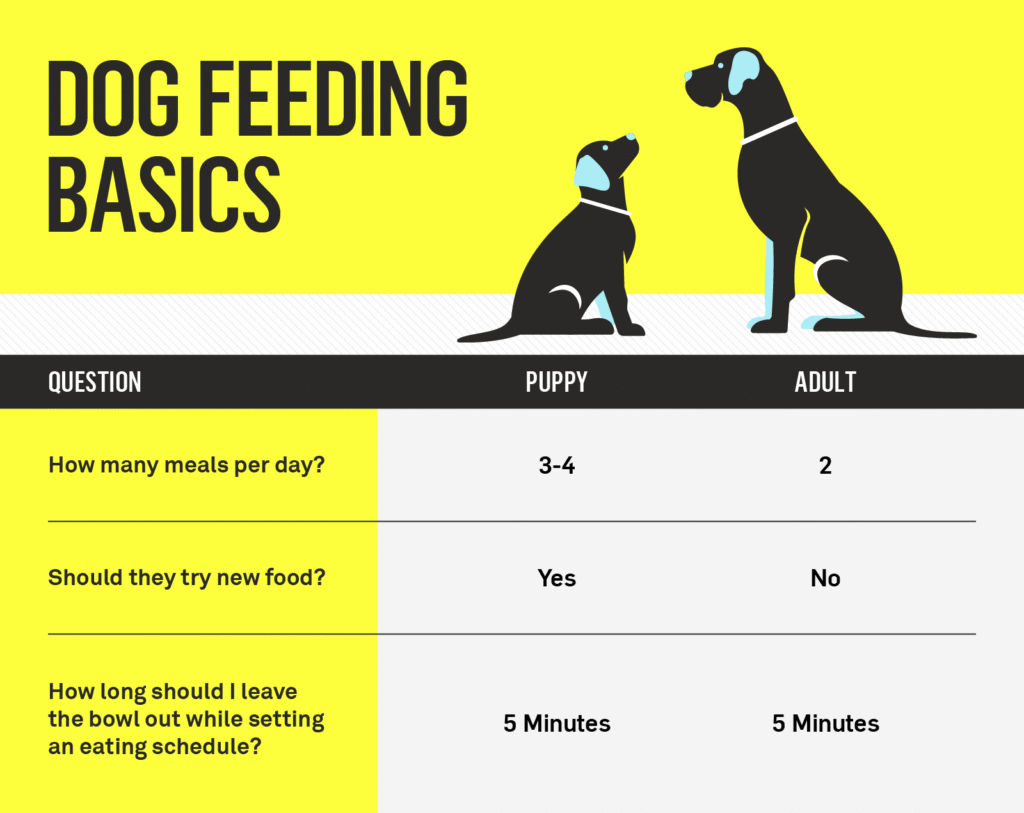
Puppies eat more often than adult dogs. Feed your puppy three to four times a day. This keeps their energy steady and helps digestion. Measure the food based on the package or vet advice. Overfeeding can cause weight problems. Underfeeding slows growth. Watch your puppy’s weight and health to adjust portions.
When To Transition To Adult Food
Switch to adult food at the right time. Most puppies change food between 9 and 12 months old. Large breeds may need longer on puppy food. Changing too soon can cause nutrient gaps. Changing too late may lead to weight gain. Mix adult food with puppy food for a smooth switch. Monitor your puppy’s health during the change.
Tips For A Smooth Food Transition
Switching your puppy from puppy food to adult dog food takes care and patience. A smooth food transition helps avoid stomach upset and keeps your puppy happy. Follow simple steps to make this change easy for your furry friend.
Slow and steady changes let your puppy get used to new flavors and nutrients. Watch your puppy closely during this time to catch any problems early. Here are some tips to help the process go well.
Gradual Mixing Techniques
Start by mixing a small amount of adult dog food with puppy food. Use about 25% adult food and 75% puppy food on the first day. Increase the adult food portion slowly over 7 to 10 days. This gives your puppy’s stomach time to adjust. Keep the total food amount the same to avoid overeating. Stir the mix well so your puppy eats both foods evenly.
Monitoring Puppy Health During Transition
Watch for signs of digestive trouble like vomiting or diarrhea. Check if your puppy is eating well and staying active. Healthy skin and shiny fur show good nutrition. If your puppy seems tired or sick, pause the transition. Talk to your vet if problems continue. Keep a close eye on potty habits to catch any changes early.
Credit: blog.justfoodfordogs.com
Frequently Asked Questions
Can Puppies Eat Adult Dog Food Safely?
Puppies need more nutrients than adult dogs for growth. Feeding adult dog food may lack essential nutrients. It’s best to use puppy-specific food for their development and health.
What Happens If A Puppy Eats Adult Dog Food?
Puppies eating adult food might miss vital nutrients like DHA and protein. This can slow growth and affect brain development. Occasional adult food is okay, but regular feeding isn’t recommended.
When Can Puppies Switch To Adult Dog Food?
Puppies typically switch to adult food around one year old. Large breeds may transition later, around 12-18 months. Always consult your vet for the best timing based on your puppy’s breed and health.
Is Adult Dog Food Cheaper But Less Nutritious?
Adult dog food is often cheaper but lacks key puppy nutrients. It’s formulated for maintenance, not growth. Investing in puppy food ensures proper development and supports long-term health.
Conclusion
Puppies need special food to grow strong and healthy. Adult dog food lacks some nutrients puppies require. Feeding adult food too soon can cause health problems. Always choose food made for your puppy’s age. This helps support their bones and energy needs.
Talk to your vet for the best feeding plan. Healthy food means a happy, active puppy. Keep your puppy’s diet right, and watch them thrive. Simple steps lead to a healthy dog life.


